Is Open-Ear Headphones Good

Is Open-Ear Headphones Good? A Practical Buyer’s Guide (2025)
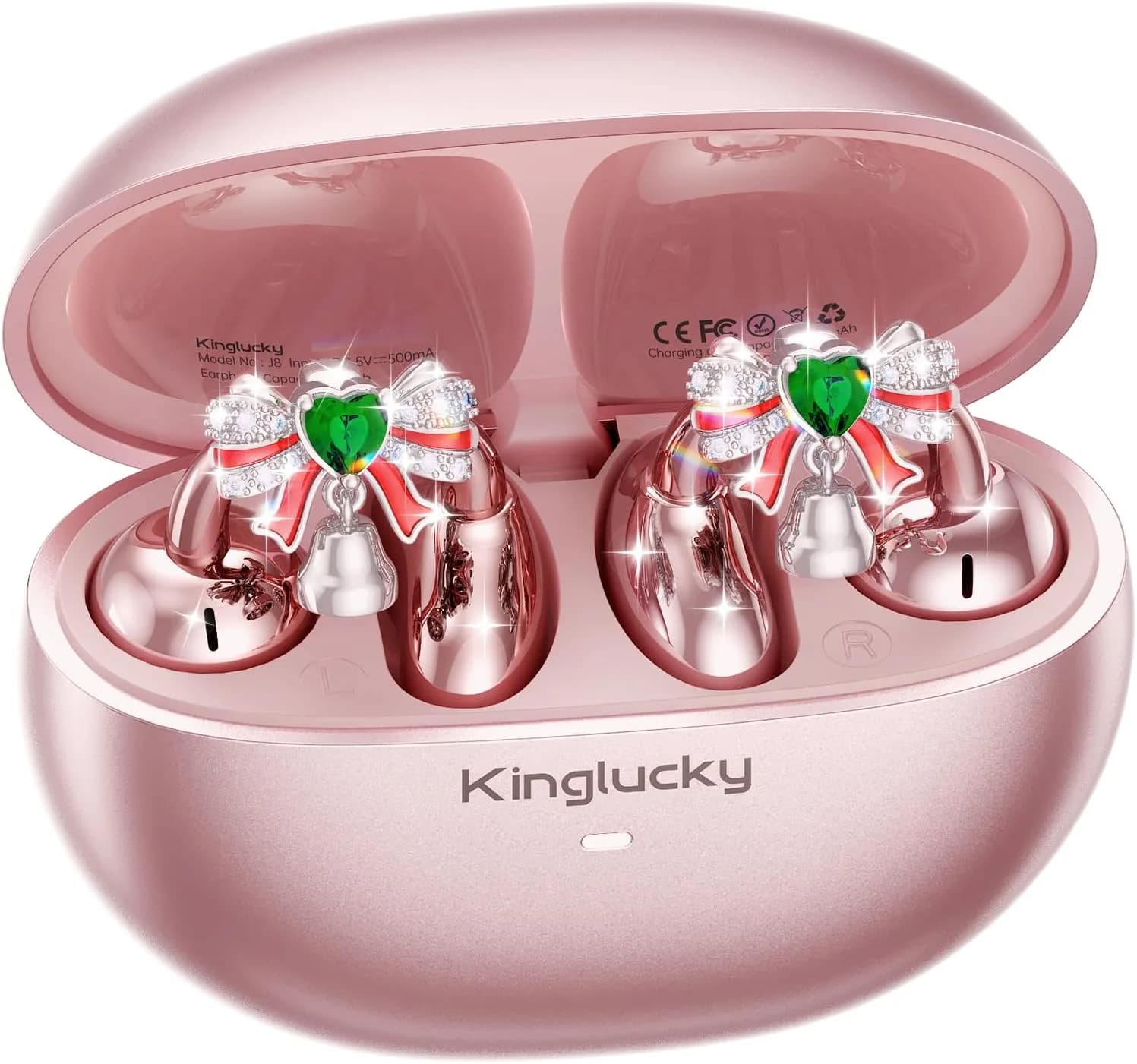
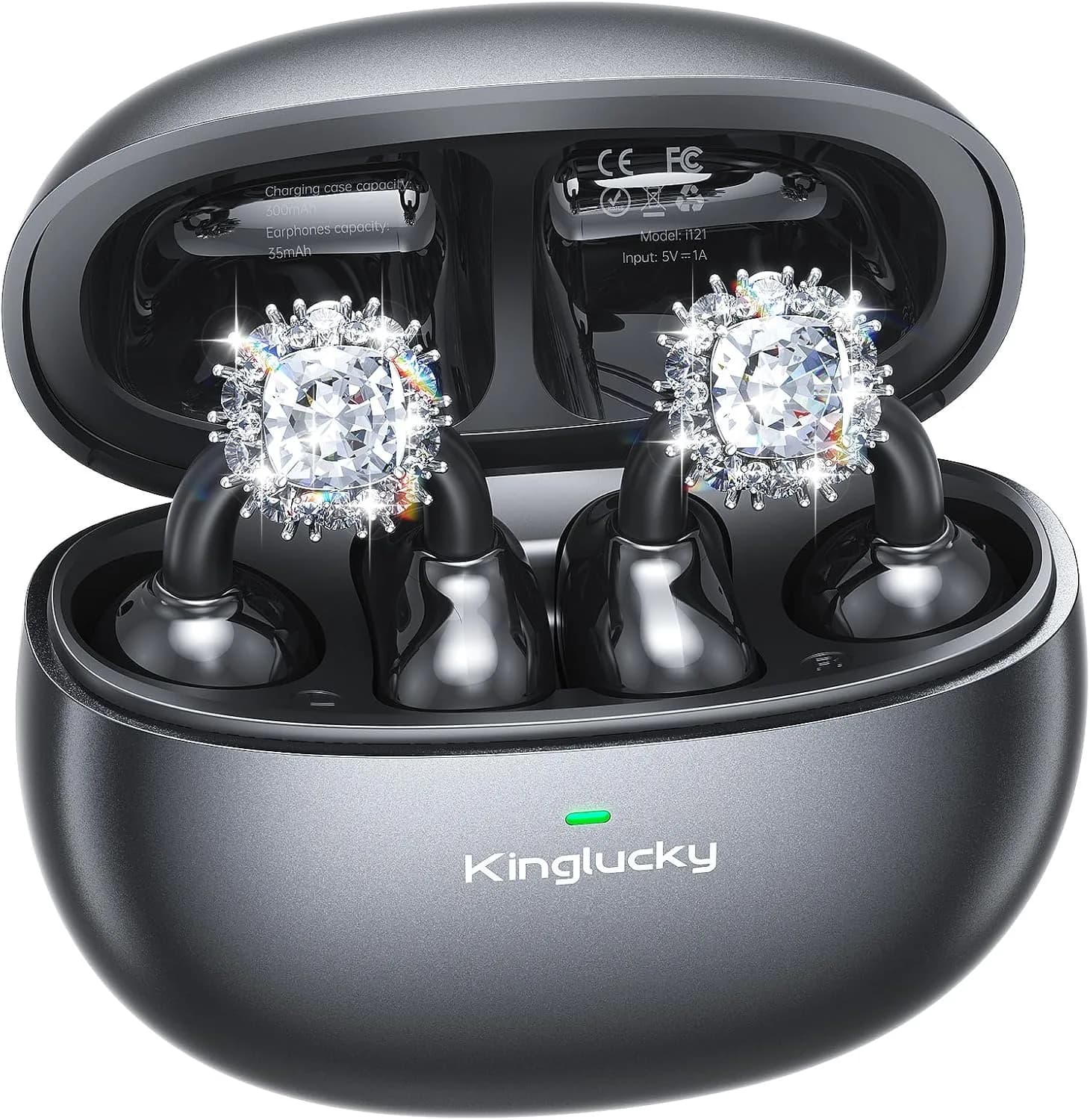
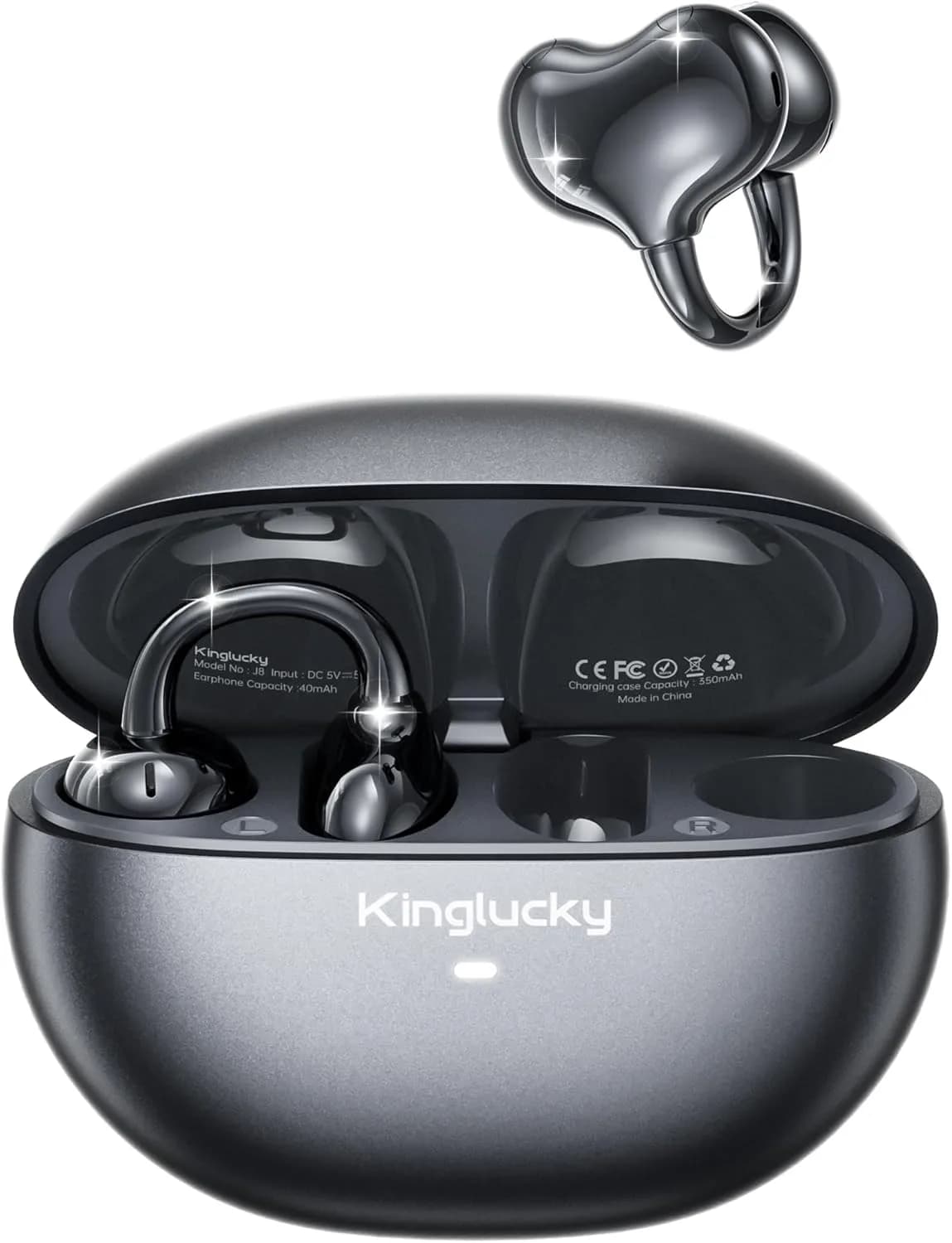
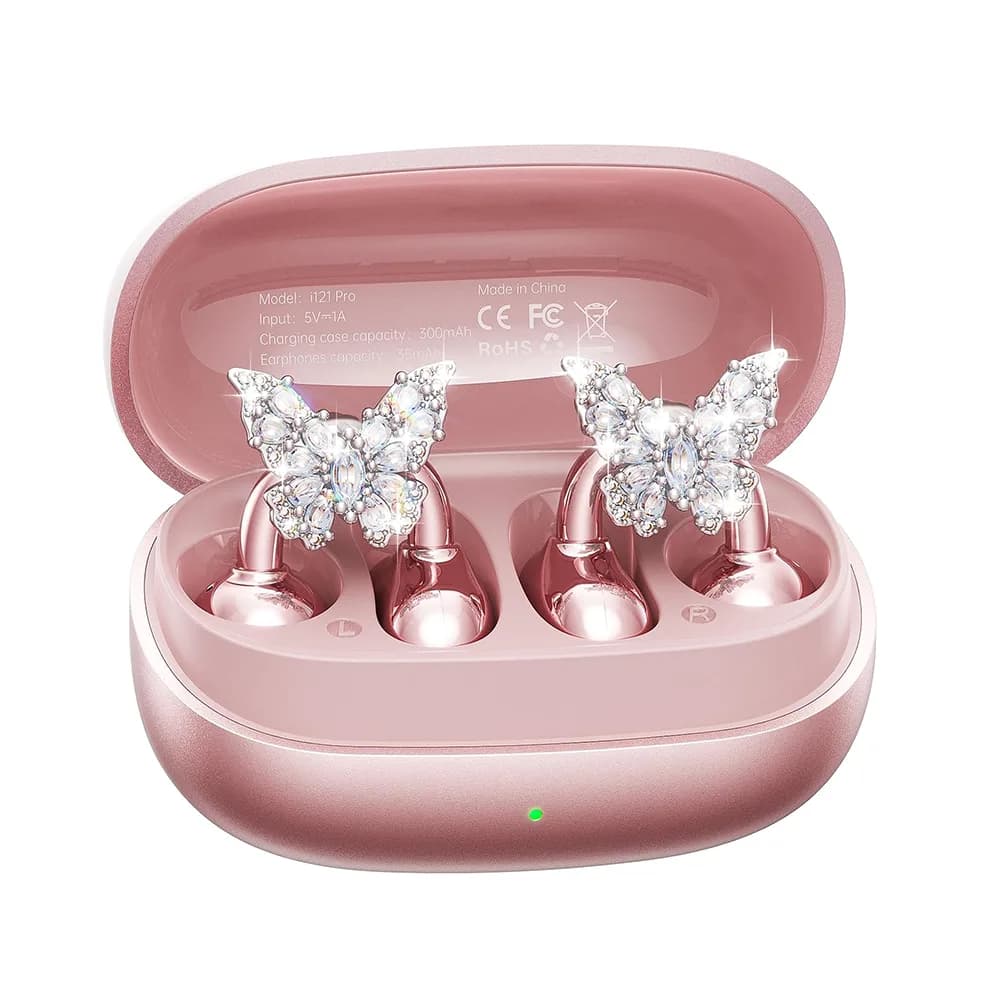
Open-ear headphones rest just outside (or in front of) your ear rather than sealing the ear canal. Most use air-conduction mini speakers; some use bone-conduction transducers that vibrate the cheekbone. So, is open ear headphones good? It depends—great for awareness, comfort, and glasses compatibility; less ideal for deep bass, loud environments, and call privacy. Choose them if you value situational awareness and pressure-free wear; skip them if you need strong isolation or club-level bass.
What Are Open-Ear Headphones?
Open-ear models keep your ear canal unsealed so you can hear the world. That differs from in-ear buds that insert into the canal and over-ear headphones that cup the ear.
- Air conduction (most common): tiny speakers aim sound toward the ear without blocking it.
- Bone conduction: transducers rest on the cheekbone; you “hear” via bone vibrations.
Who they suit: people who want safety/awareness in traffic or around coworkers, those prioritizing comfort for long wear or with sensitive ears, and glasses wearers who struggle with tight seals or clamp force. Learn more: what are open ear headphones.
Pros and Cons at a Glance: is open ear headphones good for you?
|
Pros
|
Cons
|
Open-Ear vs In-Ear vs Over-Ear (Comparison Table)
| Criterion | Open-Ear | In-Ear | Over-Ear |
|---|---|---|---|
| Sound Isolation | Low; you hear surroundings | Medium–High; seal blocks noise | Medium; higher with ANC |
| Bass Performance | Light–Moderate; less sub-bass | Strong if well-sealed | Strong; larger drivers help |
| Comfort (long wear) | Very high; no canal pressure | Varies; canal fatigue for some | High but can get warm/clampy |
| Safety/Awareness | Excellent; ears stay open | Low; hazards masked | Medium; depends on ANC/fit |
| Call Quality in Wind | Good with anti-wind mics; can struggle in gusts | Good; mics sheltered | Good; cups shield wind |
| Workout Stability | High with clip/earhook | High if tips fit well | Medium; bulk can wobble |
| Office Use | Great for awareness & chats | Good for focus; less awareness | Good for focus; less awareness |
Tip: For running safety, start with open ear headphones for running. If comfort is king, see comfortable open ear headphones.
Mic & Call Quality (What to Expect)
- Beamforming arrays: two–four mics focus on your voice.
- ENC (environmental noise canceling): reduces chatter, HVAC hum, traffic.
- Anti-wind design: mesh ports + low-frequency roll-off to tame gusts.
Practical tips: turn your face slightly leeward in wind; keep volume modest to avoid leakage; enable software suppression in Zoom/Teams. Open-ear mics shine in quiet–moderate spaces; they struggle in packed trains, very noisy floors, or strong wind. See also: best open ear headphones with mic.
Use-Case Guides (Actionable)
Running & Outdoor Workouts
- Awareness for traffic and training partners
- Check IP rating (IP55+) and secure fit (clip-on/ear-hook)
- Keep volume moderate to retain ambient cues
Office & Remote Calls
- Awareness to hear colleagues; add software suppression for clarity
- Lower playback volume to reduce leakage; mute during heavy typing
- Multipoint helps phone ↔ laptop handoffs
Commuting & Shared Spaces
- Expect some leakage—keep volume conservative
- For noisy cars/trains, consider in-ears for isolation when needed
Glasses Wearers
- Seek rounded hooks/clip-ons with soft contact points
- Avoid stiff hinges that press on frames; target under ~30 g per pair
Sensitive Ears & Hygiene
- No canal seal = less irritation and fatigue
- Wipe contact points regularly with a dry cloth
Comfort, Fit & Hearing Safety
- Open-ear reduces pressure hotspots; watch temple contact with thick frames
- Fit test: shake your head—if it shifts, choose clip-on or add a stabilizer strap
- Safe listening: per public guidance (WHO/ITU, NIOSH), keep average levels around 70–85 dB and limit time at higher volumes (general advice, not medical)
Sound Quality Expectations & Tuning Tips
- Trade-off: lighter sub-bass; more open, speaker-like presentation
- EQ: gentle +2–4 dB below ~150 Hz for warmth; don’t overboost
- Keep 2–4 kHz balanced to avoid sharpness
- Codecs: AAC or LC3 (LE Audio) for stable voice quality
- Drivers: air-conduction uses mini dynamics; bone conduction favors speech intelligibility
Buyer’s Checklist (Prioritized)
- Use case fit: outdoors vs office; anti-wind ENC for outside, multipoint for device hopping
- Mic system: ≥2-mic beamforming with wind reduction
- Battery life: ≥8 hours per charge; 30–40 hours with case; quick-charge 10–15 min ≈ ~60 min use
- Comfort & weight: <30 g per pair or <7 g per bud; glasses-friendly hooks
- Stability & protection: clip-on/ear-hook; IP55+ for sweat/rain
- Controls & UX: dependable play/pause, answer, mute, volume
- Connectivity: Bluetooth 5.3+; easy re-pairing; true multipoint
- Audio tuning: app EQ; low-leakage acoustic paths
- Warranty & returns: 12–24 months; simple 30-day returns
Mini Picks by Archetype (Neutral)
Budget Everyday: Two-mic ENC, 6–8 hours battery, IPX4 splash resistance.
Sport/Runner: Secure clip/ear-hook, anti-wind ENC, IP55+, physical buttons.
Style-Forward Clip-On: Slim hooks, clear mic, low leakage. [Optional Brand Example: Kinglucky A9 (style-forward clip-on with solid mic)].
FAQs
Are open-ear headphones comfortable for long wear?
Yes. With no ear-canal pressure, many can wear them all day. Watch for temple pressure with glasses.
Do they leak sound?
At higher volumes, yes. Keep levels moderate on public transit or in quiet offices.
Are they safe for running outdoors?
They’re popular for runners because they preserve awareness. Pair with IP55+ and secure hooks.
How good is the microphone?
Modern beamforming + ENC mics sound clear in quiet to moderate spaces; wind and very noisy areas are tougher.
Can I use them for office calls all day?
Great if you need awareness. For deep focus in loud areas, consider in-ears/over-ears with isolation.
What about battery life?
Look for ≥8 hours per charge; a case with 30–40 hours total helps for travel.
Are they good in noisy environments?
They work, but you’ll raise volume due to low isolation—limit exposure time or switch to sealed in-ears when needed.
Open ear vs in-ear—which sounds better?
For bass and isolation, in-ear wins. For comfort and awareness, open-ear. Many people own both.
Conclusion
So, is open ear headphones good? If you value comfort, awareness, and lighter wear—yes. They excel for running, aware commuting, and office use where quick conversations matter. If you need strong isolation, private calls on a packed train, or deep bass, consider in-ear or over-ear alternatives—then keep an open-ear pair for workouts and social settings. Compare microphone-forward options here: best open ear headphones with mic, and explore comfortable open ear headphones and open ear headphones for running.
Safe listening: public guidance from WHO/ITU and NIOSH suggests keeping average listening levels around 70–85 dB and limiting time at higher volumes. Take breaks if you keep turning it up.
Recommended Products