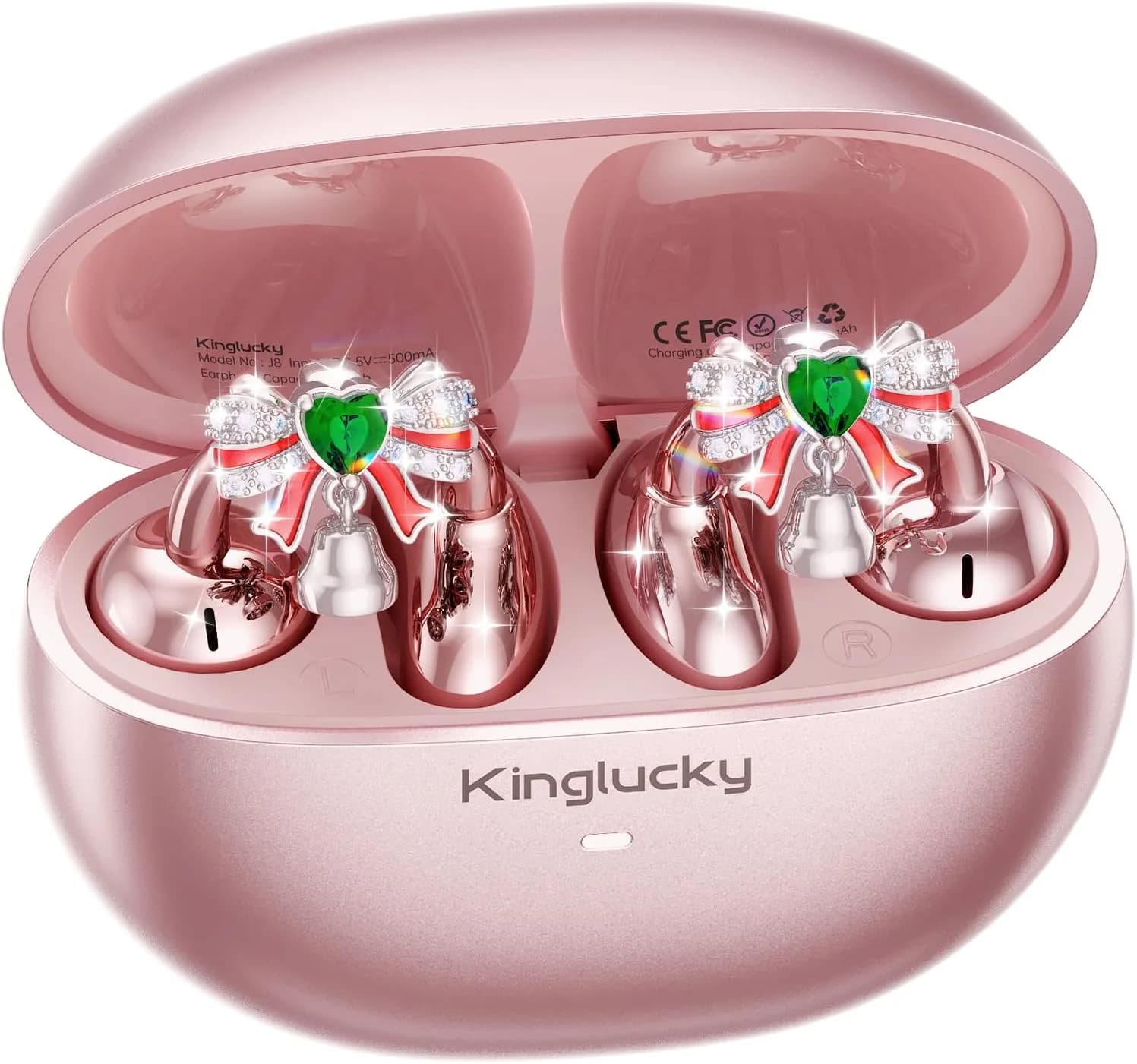
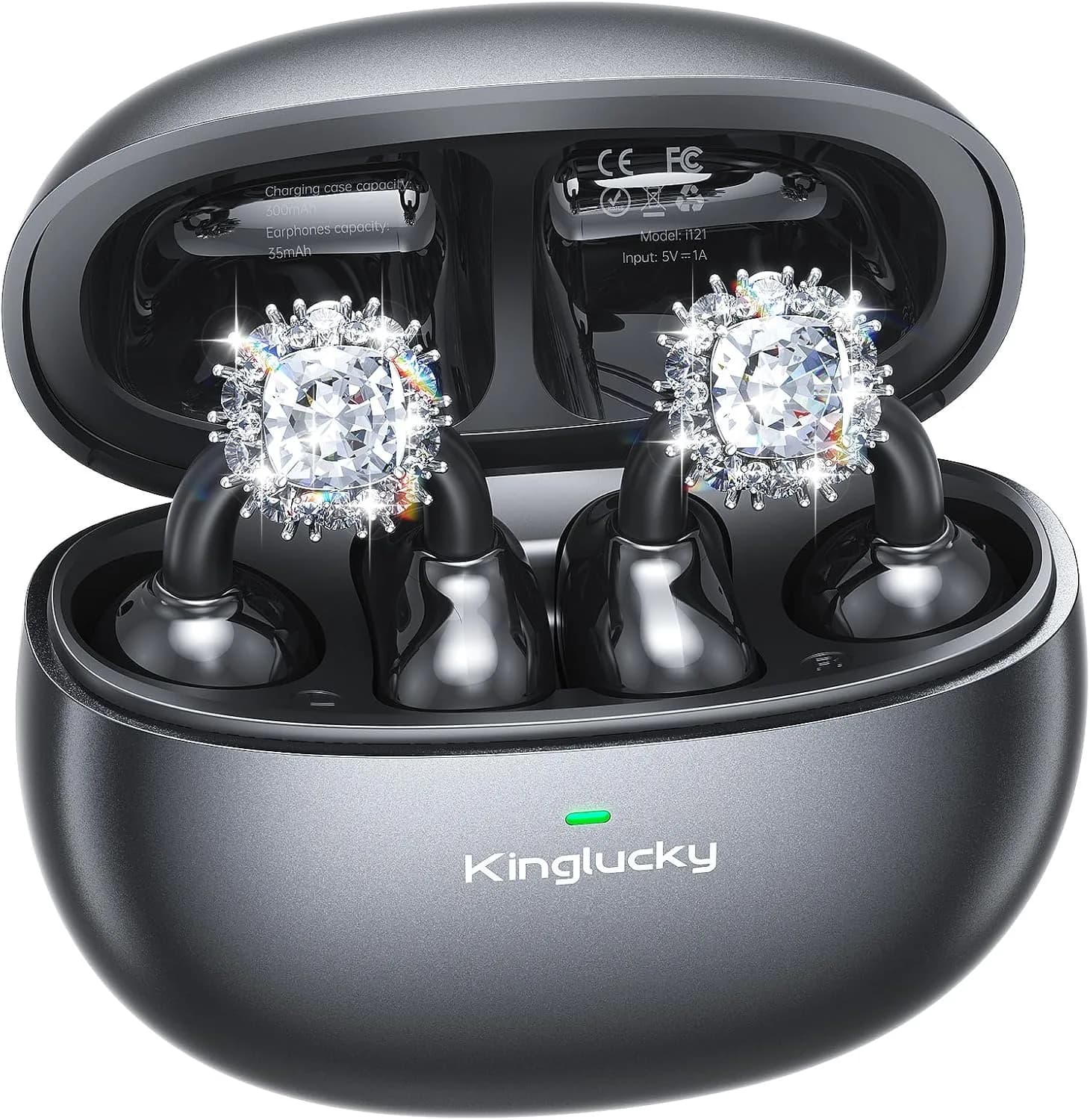
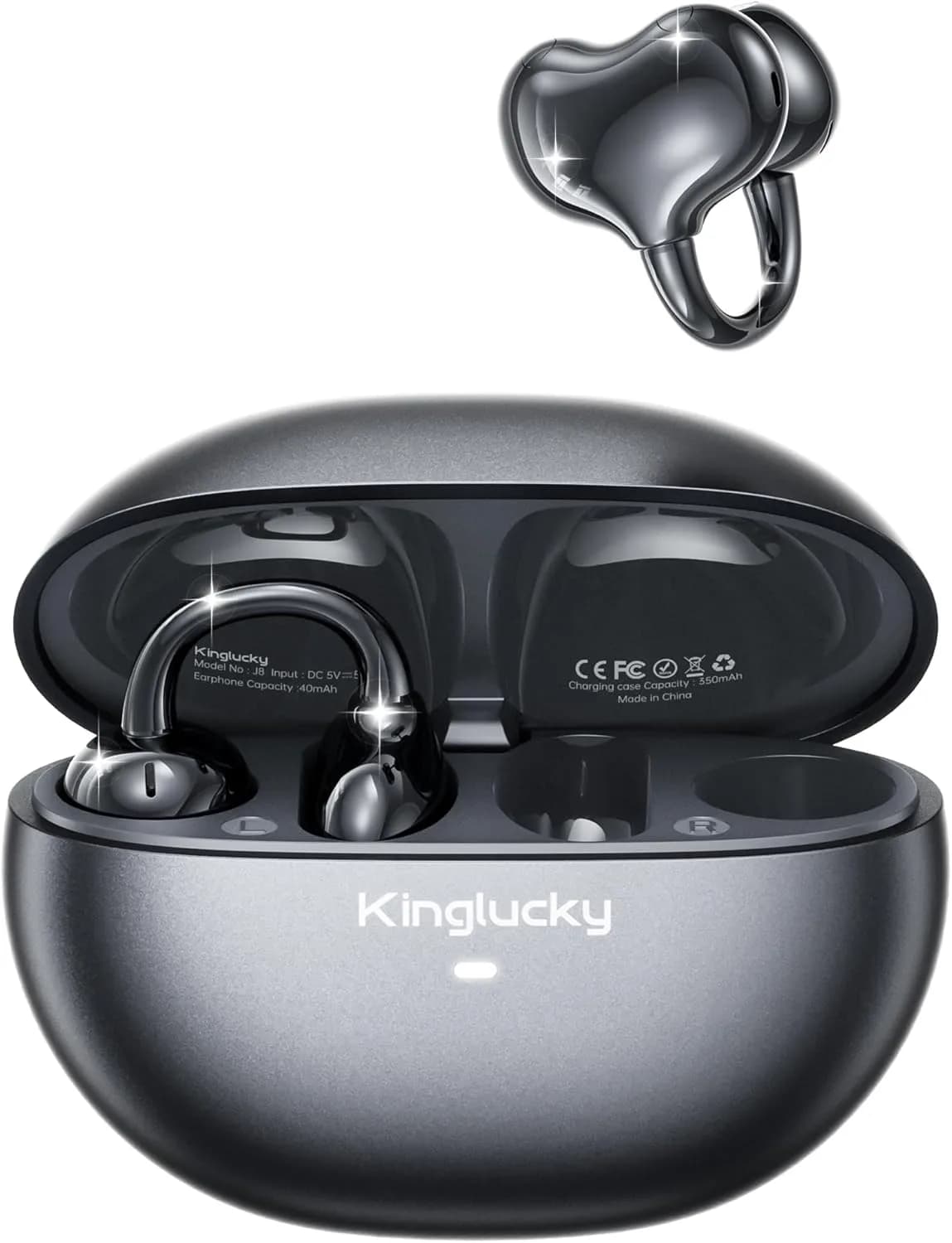
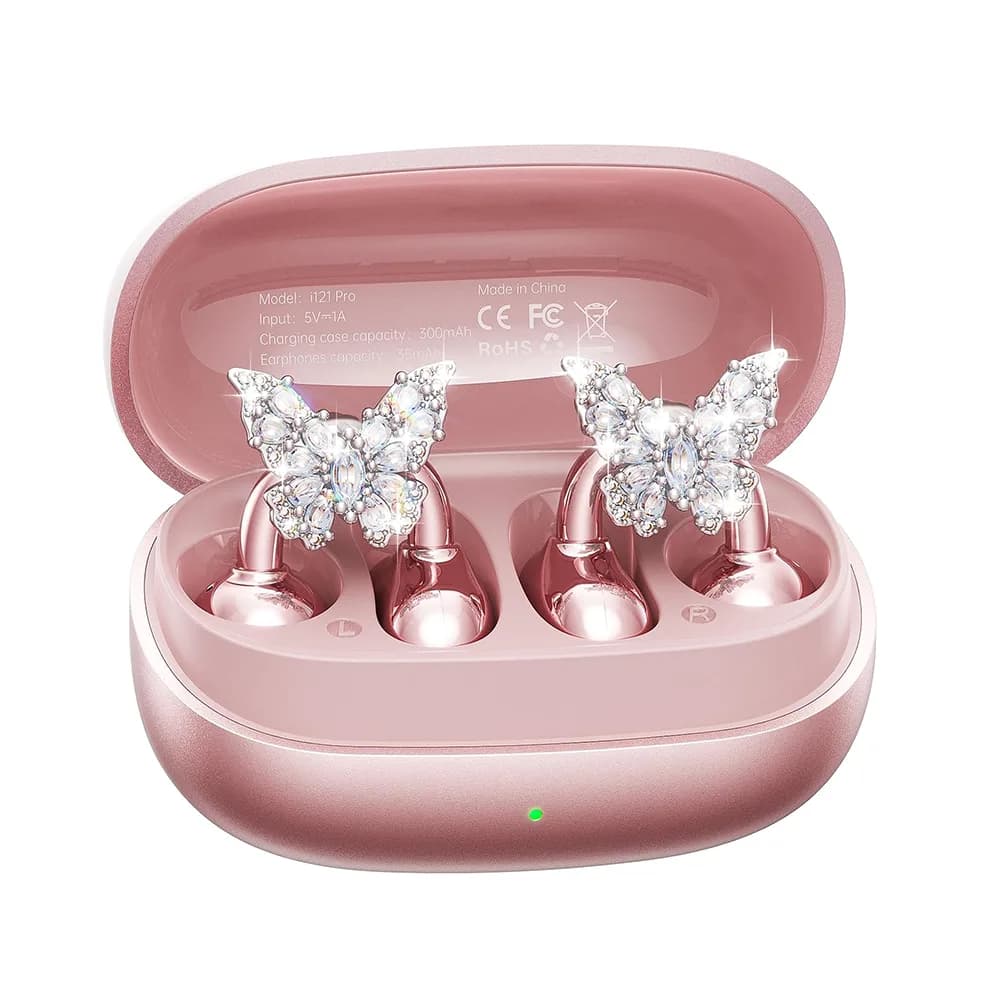
Best Open Ear Headphones for Glasses Wearers
Best Open Ear Headphones for Glasses Wearers (2025): A Comfort-First, Wireless Buyer’s Guide
If you wear glasses, you already know the struggle: over-ear headbands squeeze your frames into your temples, hook-style buds fight for the same real estate as your earpieces, and in-ear tips can add fatigue during long sessions. That’s why more shoppers search for best open ear headphones for glasses wearers—they want audio that respects their eyewear. Open-ear designs sit near (not inside) the ear canal or rest on the cheekbone, keeping your ears unsealed and your frames unpinched. In this 2025 guide, we focus on ergonomics for glasses, fit stability, and all-day comfort, with practical category picks built around two glasses-friendly models from Kinglucky: the Kinglucky A9 (clip-on, lifestyle-ready) and Kinglucky i121 (lightweight open-ear frame with call-forward mics).
Our goal is simple: explain why open-ear works better with glasses, show which types are most compatible, and highlight what to check before you buy. Along the way, we’ll map common scenarios—office & study, outdoor running, everyday wear—to the strengths of the A9 and i121 so you can choose confidently, without sacrificing your eyewear comfort.

Challenges of Wearing Glasses with Traditional Headphones
Traditional headsets weren’t designed with eyewear in mind. The result is a set of predictable pain points:
- Temple pressure: Over-ear pads push your glasses’ arms into the skin around your temples and ears, creating “hot spots,” headaches, or numbness over time.
- Long-session discomfort: In-ear or tightly clamped designs can feel fine at first, but the combination of frame pressure + tip pressure builds fatigue during classes, study sessions, or long workdays.
- Bulky interference: Large cups and stiff bands compete with thicker frames or sunglasses. Adjusting your glasses often repositions the headphones—and vice versa.
Why Open Ear Headphones Are Better for Glasses Wearers
Open-ear designs solve those conflicts by changing where and how the hardware sits:
- No ear-canal seal: Audio is delivered near the ear (air conduction) or through the cheekbone (bone conduction), so there’s no tip pushing inward. That alone removes a major source of fatigue for glasses wearers.
- Lightweight form factors: Clip-on and minimal frames avoid heavy clamp forces, reducing compression on your glasses’ arms.
- Frame-friendly ergonomics: With the ear canal and much of the pinna freed up, there’s less direct conflict between the headset and the eyewear hinge area.
For most glasses wearers, the net effect is obvious within minutes: fewer pressure points, easier repositioning of frames, and a more “natural” feel during multi-hour use.
Types of Open Ear Headphones for Glasses Wearers
1) Clip-On Open-Ear Earbuds
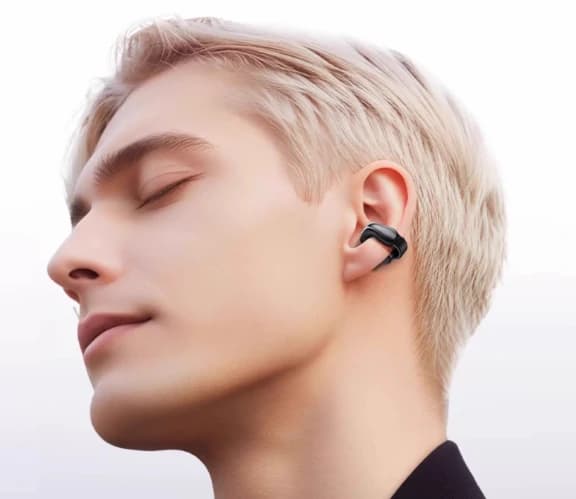
Clip-on designs gently grip the outer ear with soft contact surfaces and aim sound toward the canal without sealing it. They generally play best with glasses because they avoid the headband-and-temple squeeze, and the contact points can be positioned to miss your frames. The Kinglucky A9 exemplifies this approach: a sleek, accessory-like clip that’s easy to align around your glasses, not against them.
2) Bone Conduction Headphones
Bone conduction sets rest on the cheekbone just in front of the ear, so the canal stays completely open. Comfort with glasses is usually good—there’s no overlap with your frames’ arms—but the wraparound band can sometimes touch the stems behind the ear depending on your head shape and frame thickness. Many glasses wearers love this style for running because nothing presses on the ear itself.
3) Over-Ear Hook Open-Ear Models
Hook-style designs loop over the ear. They can work with glasses if the hooks are flexible and soft, but two things share the same space (hook + frame arm), so fit is more personal. If the hook material is stiff or the geometry is narrow, you may feel stacking pressure. Glasses wearers should test this format carefully.
Key Features to Look For
When your eyewear is non-negotiable, small ergonomic details make a big difference. Use this checklist to evaluate any open-ear model:
- Weight & clamp pressure: Lighter is better, but more important is how the weight is distributed. Soft, broad contact points reduce hot spots where frames touch skin.
- Flexible hooks or clips: Elastic or memory-metal elements conform to different ear shapes and frame thicknesses, reducing “pinch points.”
- Glasses-friendly geometry: Look for designs that avoid the hinge area and let you slide glasses on/off without dislodging the headset.
- Battery & wireless: Aim for one work or study block per charge (≈ 7–8 hours), multipoint pairing (phone + laptop), and a compact case for top-ups.
- Water & sweat resistance: If you wear sunglasses while training, prioritize a higher IP rating so sweat and drizzle aren’t a worry.
- Mic clarity for calls: Beamforming mics + noise reduction (ENC/AI) keep your voice crisp on campus or in open-plan offices.
Best Open Ear Headphones for Glasses Wearers – 2025 Picks (Kinglucky Only)
To keep this guide focused on glasses-friendly ergonomics, our category picks center on two models: Kinglucky A9 (clip-on, fashion-forward, IP57-class) and Kinglucky i121 (lightweight open-ear frame with quad-mic calls). Both aim for all-day comfort and reliable wireless, but each excels in different scenarios.
Best Lightweight Choice — Kinglucky A9 (Clip-On, Featherweight, Glasses-Neutral)
The A9 uses a soft, shape-friendly clip that stabilizes the driver near the ear without sealing the canal. Because there’s no rigid headband pressing your frames inward, temple pressure stays low. The contact surfaces are tuned to minimize friction against skin and to play nicely with common frame shapes. A9’s directed acoustic path focuses sound toward your ear so you can listen at modest volumes while still hearing street cues and conversations.
- Why glasses wearers love it: No headband squeeze, minimal interference at the hinge area, and easy repositioning if you adjust your frames.
- Everyday wireless: Quick pairing, stable connection in offices and city walks, about 8 hours per charge with a compact case that extends total runtime toward multi-day use.
- Protection: IP57-class resistance for sweat and drizzle; ideal with sunglasses on runs or errands.
Best for Office & Study — Kinglucky i121 (Quad-Mic Clarity, Multipoint, Balanced Fit)
The i121 is built around call performance and all-day wear. A quad-microphone array with environmental noise reduction keeps your voice understandable in libraries, labs, and open-plan spaces. The lightweight open-ear frame distributes pressure evenly across the ear region without clamping your glasses’ arms. With multipoint pairing, you can keep your laptop and phone connected simultaneously and hop between lectures, meetings, and messages without re-pairing.
- Why glasses wearers love it: The frame’s balanced arc geometry sits alongside your temples with less “stacking” pressure.
- Workday battery: Around 8 hours per charge; fast top-ups add about 2 hours when you’re low; the case lifts total runtime to roughly 50 hours.
- Study-friendly: Low-latency behavior helps video lectures and language apps feel responsive.
Best for Running & Outdoor Use — Kinglucky A9 (Secure Clip, IP57-Class, Wind-Aware Calls)
If you train with prescription sunglasses or switch between frames and caps, the A9 clip-on is the least intrusive way to add audio. It hugs the ear without fighting your frame stems and keeps you aware of traffic and bikes. The dual-mic, wind-aware tuning helps preserve call intelligibility during light jogs or coastal walks, and the IP57-class protection handles sweat and sprinkles. For many glasses wearers, this is the easiest open-ear option to “set and forget” before heading outside.
Best Stylish & Glasses-Friendly Model — Kinglucky A9 (Fashion Accessory Appeal)
Not every glasses wearer wants a sporty look. The A9’s minimalist, accessory-like silhouette blends with smart-casual outfits and doesn’t visually clash with frames. It’s a subtle, discreet way to keep audio and notifications flowing through a workday, coffee runs, and evening errands—all while your eyewear stays comfortable.
Best Budget Option — Kinglucky i121 (Value-Forward, All-Day Comfort)
For an approachable price, i121 covers the essentials glasses wearers care about: balanced pressure distribution, open-ear comfort, dependable wireless, and strong call clarity. If you spend more time in libraries, buses, or labs than on the track, this value pick gives you reliability without the frame squeeze.
Tips for Glasses Wearers When Choosing Headphones
- Bring your glasses to the try-on: Sounds obvious, but many people test fit without their frames. Wear your daily glasses (or sunglasses) and check for hot spots after 10–15 minutes.
- Prioritize flexibility: Hooks, clips, or frames with elastic or memory-metal elements adapt better to varied temple shapes.
- Check the hinge area: Make sure the headset doesn’t fight the point where your frames fold. With clip-ons like A9, you can position the clip slightly forward or higher to avoid the hinge.
- Avoid bulky over-ear clamps: Big cups + stiff bands are a recipe for temple pressure with glasses. If you need isolation, keep a separate sealed pair for flights—but use open-ear daily.
- Confirm battery strategy: Aim for one long block per charge and a case that enables top-ups. If you often forget to charge, fast-charge is your friend.
Market Trends in 2025
- Multi-wear comfort: Brands are designing for stacked accessories—glasses, masks, caps—so open-ear shapes avoid the pressure zones that glasses create.
- AI-assisted calls: Beamforming arrays with smarter noise reduction make your voice clearer without raising volume, useful in shared spaces.
- Lifestyle-first aesthetics: Minimalist clip-ons (like the A9) and refined open-ear frames aim to look good with professional attire and fashion frames.
- Wireless endurance & cases: Roughly workday-length single charges plus compact cases pushing totals toward multi-day coverage are becoming standard expectations.
Conclusion
The best open ear headphones for glasses wearers prioritize lightweight ergonomics, glasses-friendly geometry, and stable wireless you can rely on all day. Clip-on designs reduce conflict at the hinge area and sidestep headband squeeze, while open-ear frames with balanced arcs spread pressure more gently than traditional clamps. For a style-forward, glasses-neutral fit with outdoor chops, choose the Kinglucky A9. For call-heavy office and study days with multipoint pairing and quad-mic clarity, choose the Kinglucky i121. Define your scenario, test with your glasses on, and you’ll find open-ear audio that finally feels made for you.
FAQ
Are open ear headphones comfortable with glasses?
Yes. Because they don’t seal the canal or rely on heavy pads, open-ear designs remove the headband-plus-frame squeeze that causes temple pain. Clip-on and balanced open-ear frames are especially glasses-friendly.
Which type of open ear headphones is best for glasses wearers?
Clip-on models often win for everyday comfort because you can position them around your frames’ hinge area. Lightweight open-ear frames with flexible arcs are also good, especially if you prioritize call quality and multipoint pairing.
Do bone conduction headphones work better with glasses?
Often, yes—they rest on the cheekbone and avoid the ear canal entirely. The wrap band can touch your frame stems depending on shape, so try them on with your glasses to confirm there’s no pressure stacking.
What should I check before buying headphones if I wear glasses?
Test with your glasses on for at least 10–15 minutes. Look for flexible clips or frames, low clamp force, and soft contact points. Confirm battery (one long block per charge), multipoint pairing, and a pocketable charging case.
Recommended Products