Can You Wear Open Ear Headphones with Glasses
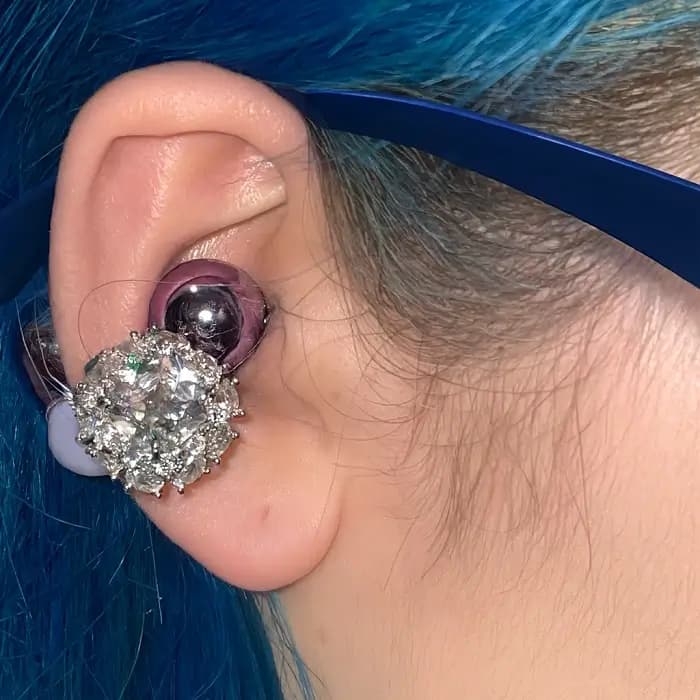
Can You Wear Open Ear Headphones with Glasses? Comfort & Compatibility Guide
For people who wear glasses daily, a common question arises: can you wear open ear headphones with glasses? It’s a practical concern, since glasses arms already occupy space around the ears. Adding headphones to the mix can sometimes create pressure or discomfort. Before buying, many shoppers want reassurance that open ear headphones will work comfortably with their eyewear. This article provides a detailed look at compatibility, comfort, and tips for glasses wearers considering open ear headphones.
Do Open Ear Headphones Work with Glasses?
The short answer is yes—most open ear headphones are compatible with glasses. However, comfort depends heavily on the design of both the headphones and your glasses. Here’s why:
- Glasses arms and headphone hooks: Both rest on or around your ear, so they may overlap.
- Pressure points: Thick glasses frames combined with firm headphone clips can create discomfort during long sessions.
- Design variety: Clip-on, ear-hook, and headband-style open ear headphones interact differently with glasses.
In general, lightweight, flexible open ear headphones are the most glasses-friendly.
Comfort Factors to Consider
When combining open ear headphones with glasses, consider these factors:
- Ear shape: Individual anatomy affects how well headphones and glasses sit together.
- Glasses frame thickness: Slim frames usually cause fewer overlaps with ear hooks than thick plastic frames.
- Pressure points: If glasses arms press tightly behind the ear, adding headphones may amplify discomfort.
- Duration of use: Wearing both for 1–2 hours may feel fine, but 8+ hours requires optimized comfort.
Types of Open Ear Headphones and Glasses Compatibility
Not all designs interact with glasses the same way. Here’s a breakdown:
1. Clip-On Designs
Clip on earbuds with glasses generally work well if the clips are thin and flexible. They hug the ear lightly, and with lightweight construction, they don’t add much pressure. However, thicker clip frames may overlap with glasses arms.
2. Ear-Hook Designs
These wrap over the ear, similar to sports earbuds. With glasses, they can press against the frame arms, especially if both are rigid. Models with soft silicone or memory alloy hooks are better suited for glasses wearers, as they adapt to pressure points.
3. Headband Open-Ear Models
Some open ear headphones connect via a headband that rests on the back of your head or above the ears. These designs are often the most glasses-friendly, since they bypass direct overlap with glasses arms.
Best Scenarios for Glasses Wearers
Here are common scenarios where glasses wearers may benefit from open ear headphones:
- Office Work & Study Sessions: Open ear designs allow long listening hours with minimal fatigue, though comfort depends on frame design.
- Commuting & Cycling: Situational awareness is crucial, and open ear headphones let you hear traffic while keeping glasses on.
- Sports & Running: Stability is key here. Secure-fit open ear headphones stay in place with glasses, provided the design avoids excessive pressure.
Tips for Glasses Wearers Using Open Ear Headphones
If you’re combining clip on earbuds with glasses or other open ear styles, these tips can improve comfort:
- Choose thinner glasses frames: Slim metal or lightweight frames reduce overlap issues.
- Opt for soft materials: Headphones with silicone or memory alloy hooks adapt better to glasses arms.
- Adjust glasses fit: Slight frame adjustments from an optician can relieve pressure behind the ear.
- Take breaks: For long sessions, removing headphones every couple of hours helps avoid pressure build-up.
Recommended Models & Brands
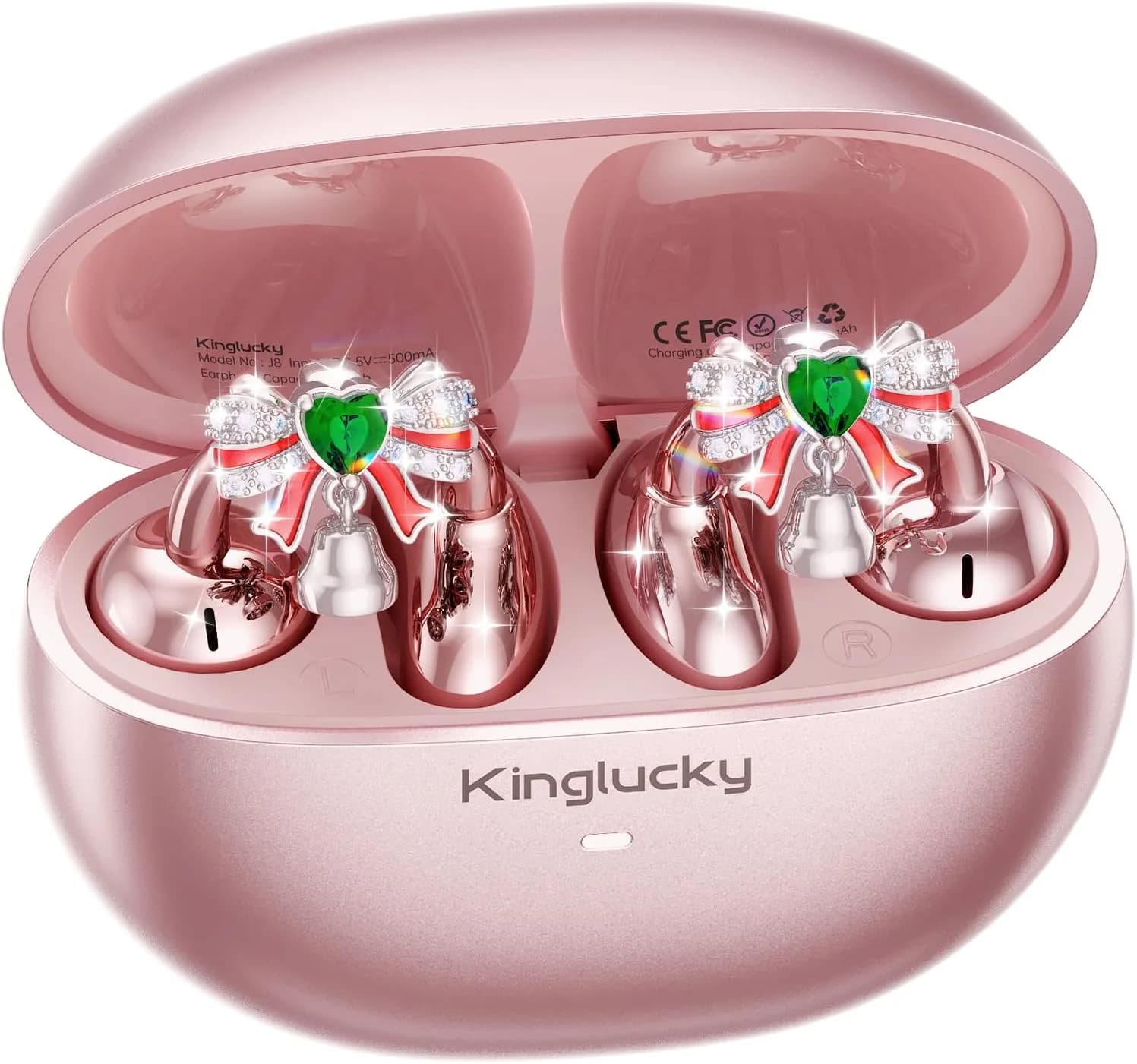
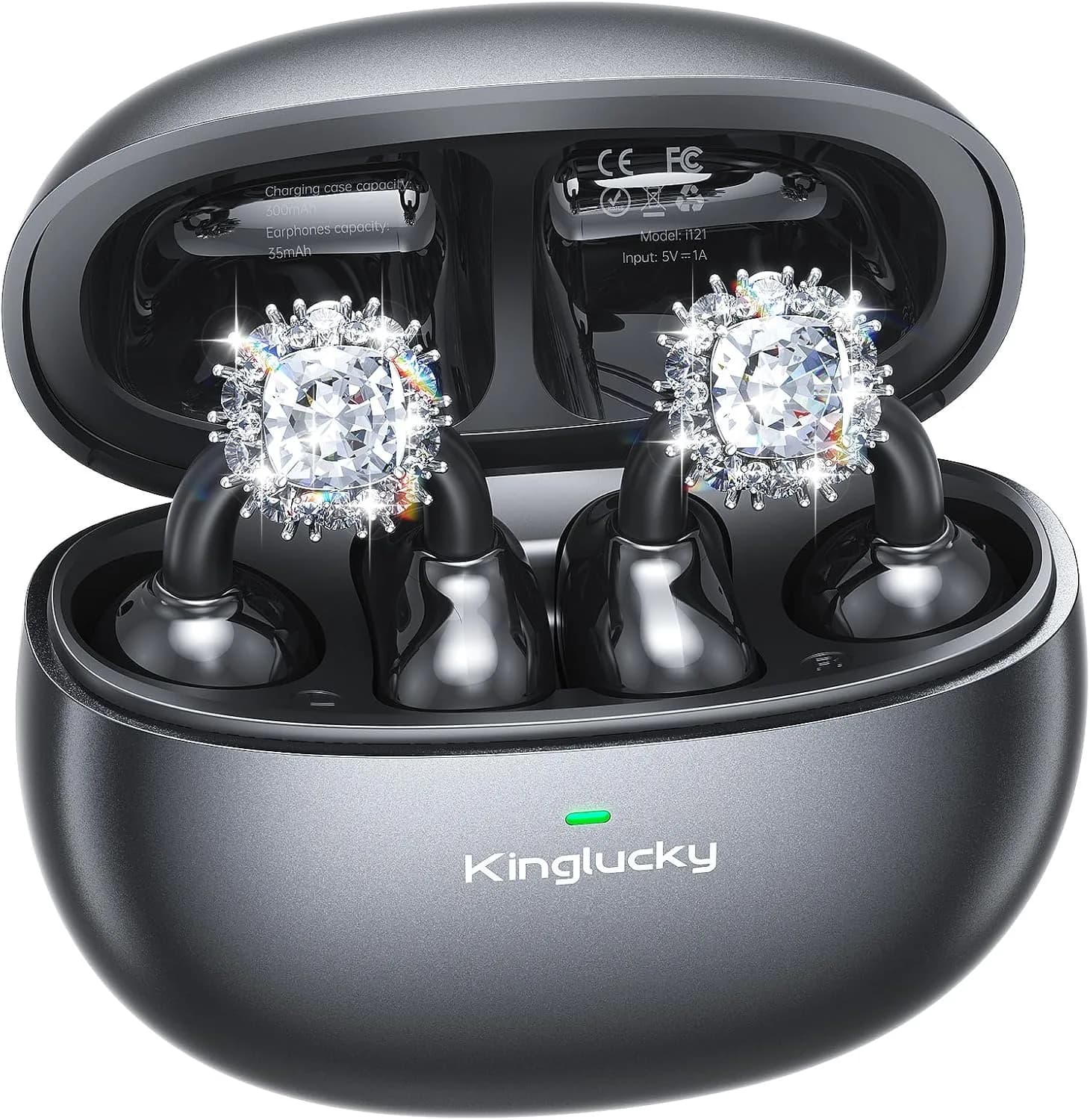
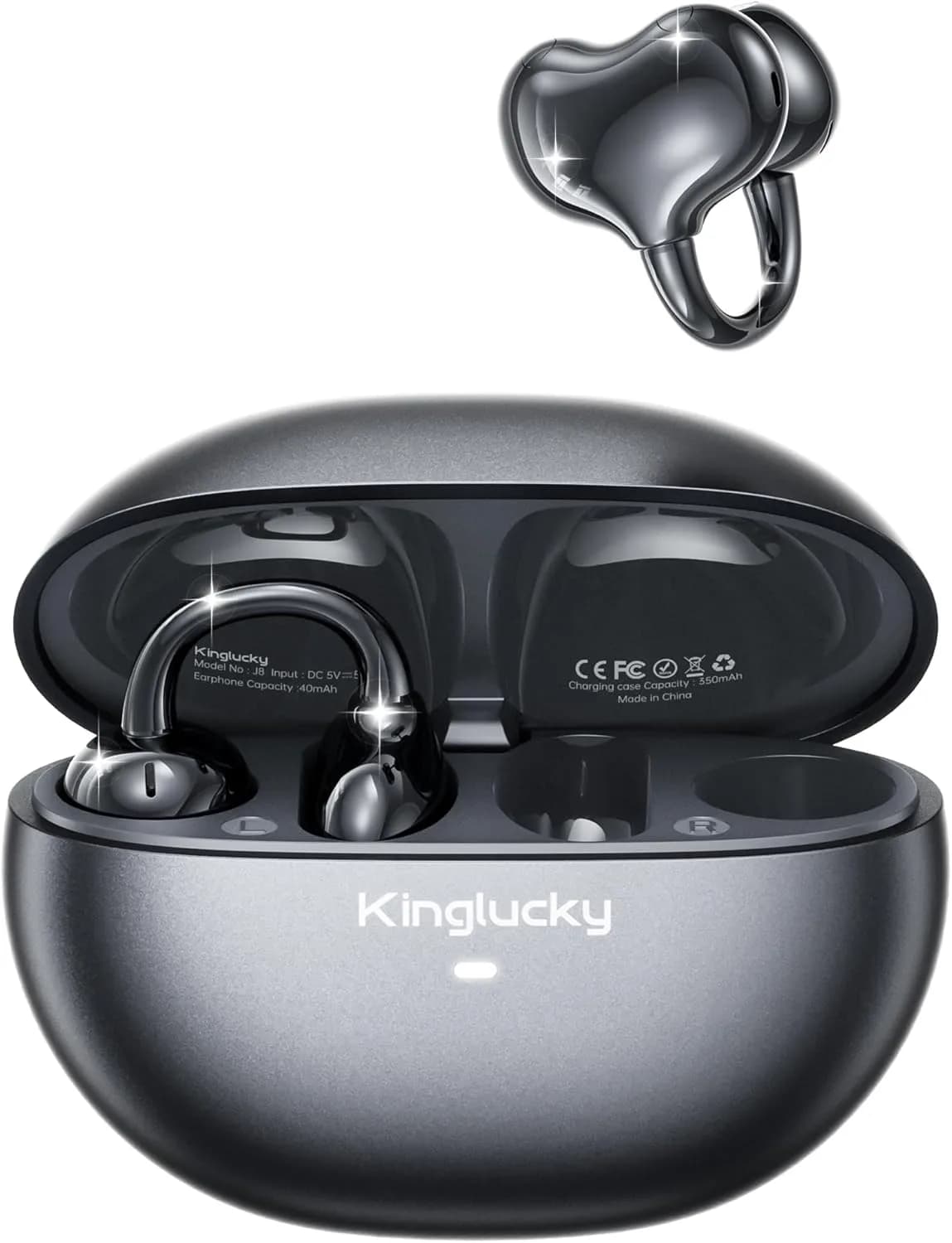
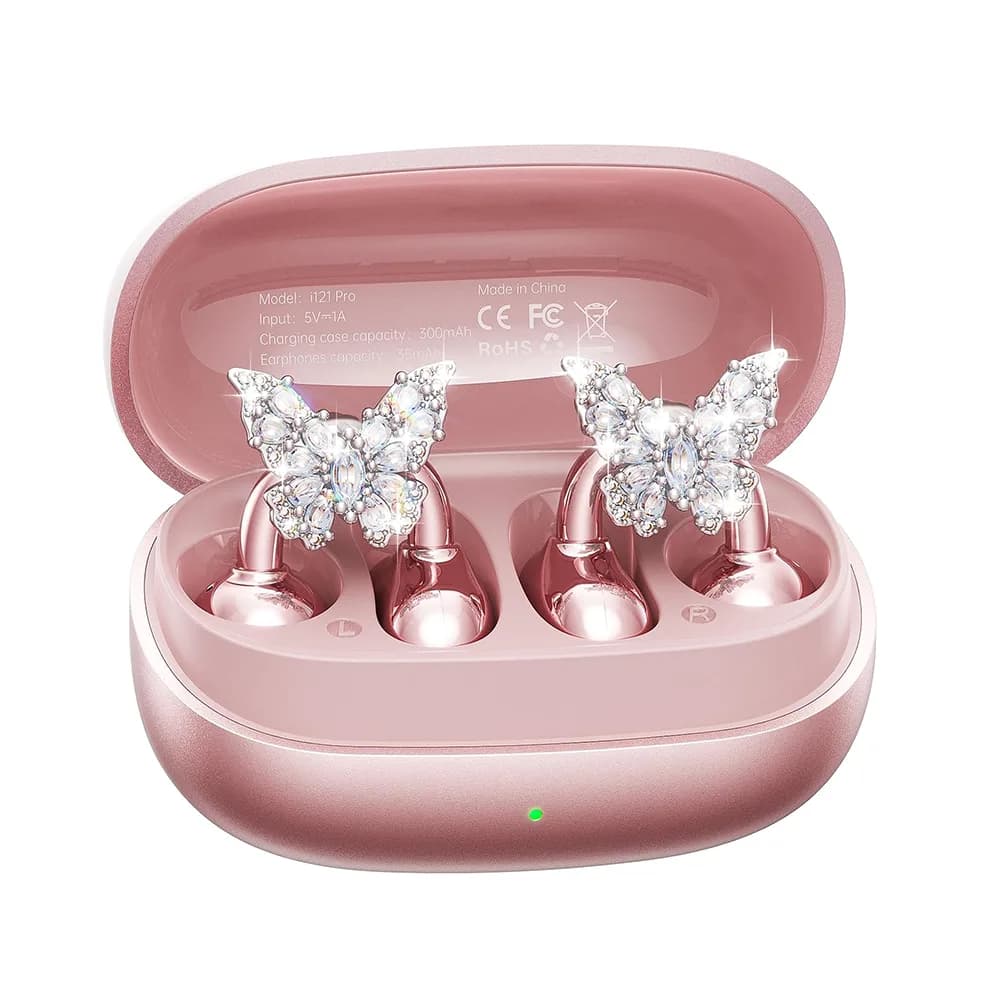
Several brands design open ear headphones with glasses compatibility in mind. One example is the Kinglucky A9, which uses a featherlight design (just 0.17oz) and ergonomic ear clips made of soft silicone and nickel-titanium alloy. This ensures secure fit without adding excessive pressure behind the ear, making it an excellent choice for glasses wearers who want comfort and stability.
Conclusion
So, can you wear open ear headphones with glasses? Yes—most designs are compatible, but the level of comfort depends on headphone style, glasses frame thickness, and individual ear shape. Clip-on and lightweight models are typically the best for glasses wearers, while rigid ear-hook designs may cause more overlap. Before purchasing, try testing the fit or selecting models known for flexible, soft materials. With the right choice, glasses and open ear headphones can work together comfortably for work, commuting, or sports.
FAQ
Do open ear headphones hurt if you wear glasses?
Not necessarily. Lightweight, flexible models are usually comfortable. Discomfort arises if both glasses and headphones press on the same spot behind the ear.
Which type of open ear headphones is best for glasses users?
Headband and clip-on designs are generally the most comfortable. Soft silicone hooks also adapt better to glasses than rigid plastic hooks.
Are clip-on earbuds compatible with glasses?
Yes. Clip-on earbuds can be worn with glasses, especially lightweight models. Comfort depends on how the clip overlaps with glasses arms.
How long can you wear open ear headphones with glasses without discomfort?
Most users can wear them comfortably for 1–3 hours. For extended use (8+ hours), thinner glasses frames and softer headphone materials make a big difference.
Recommended Products