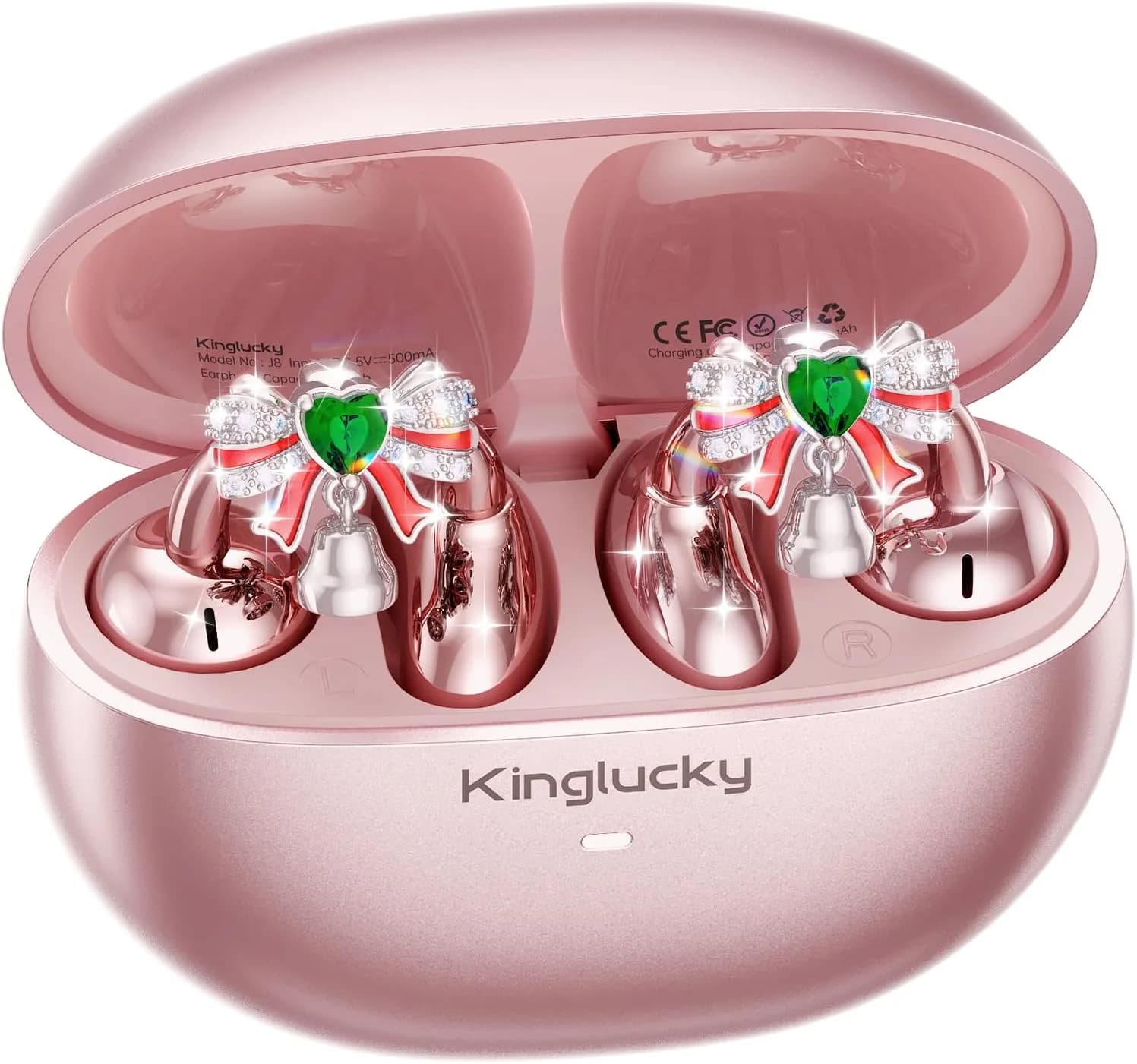
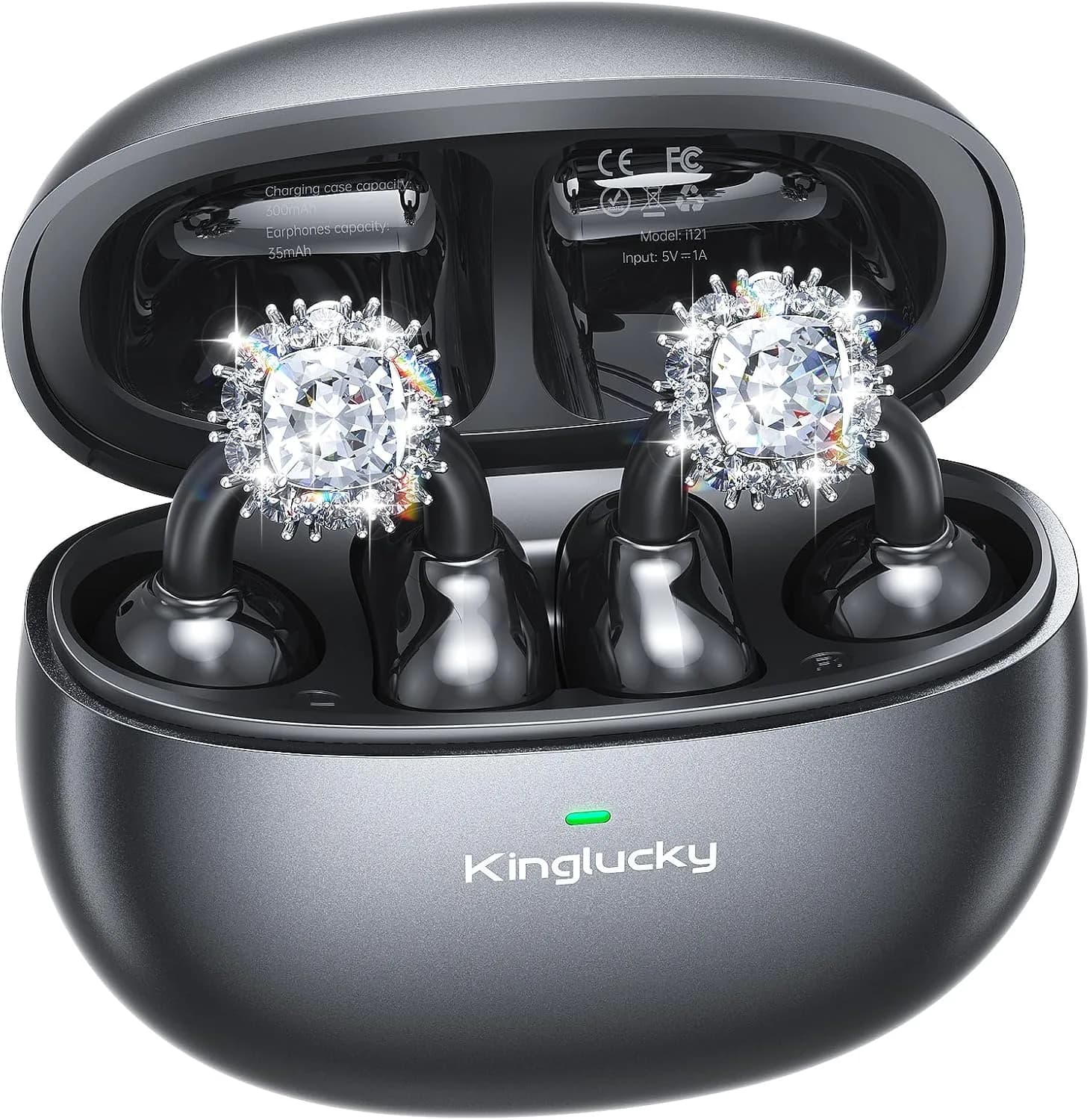
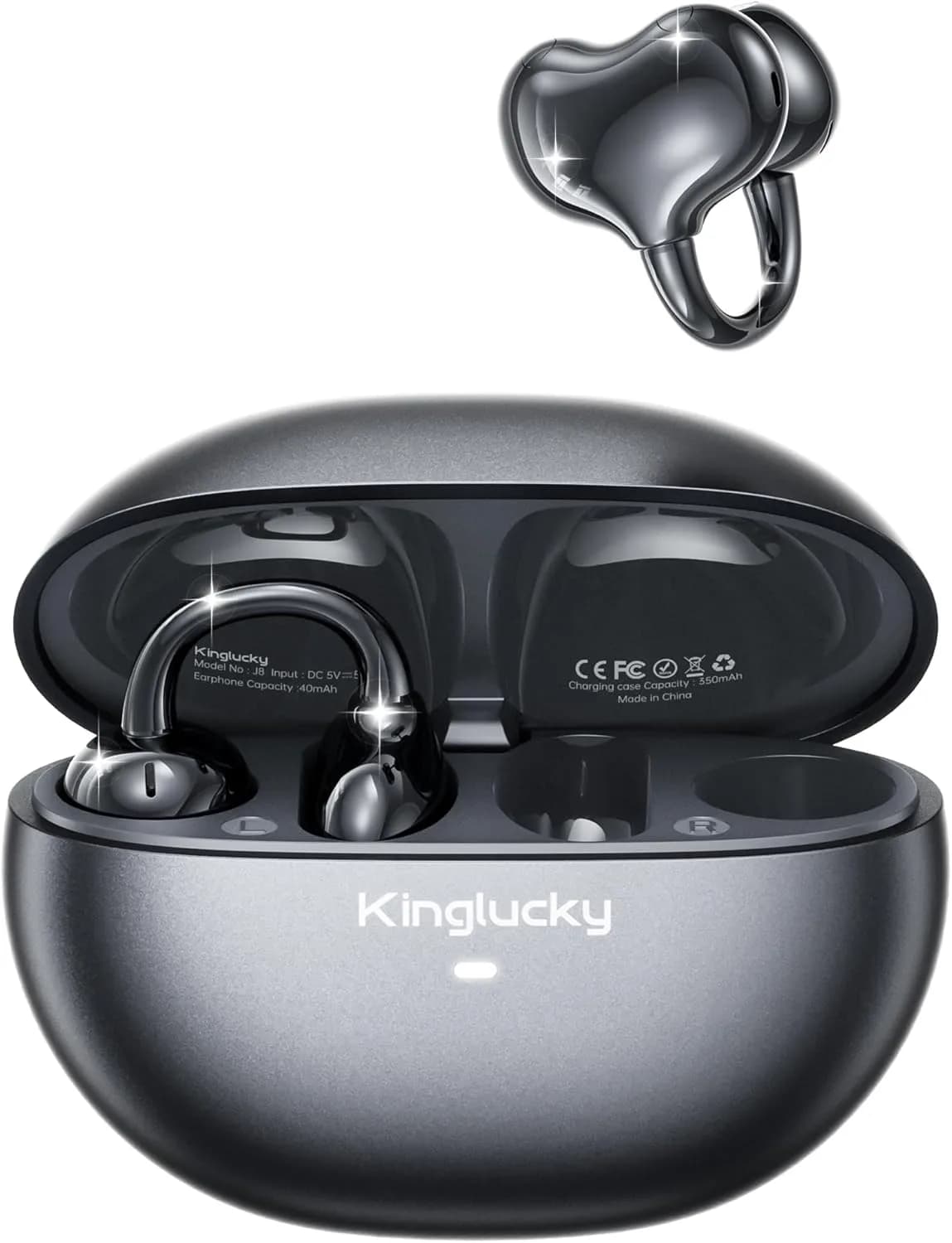
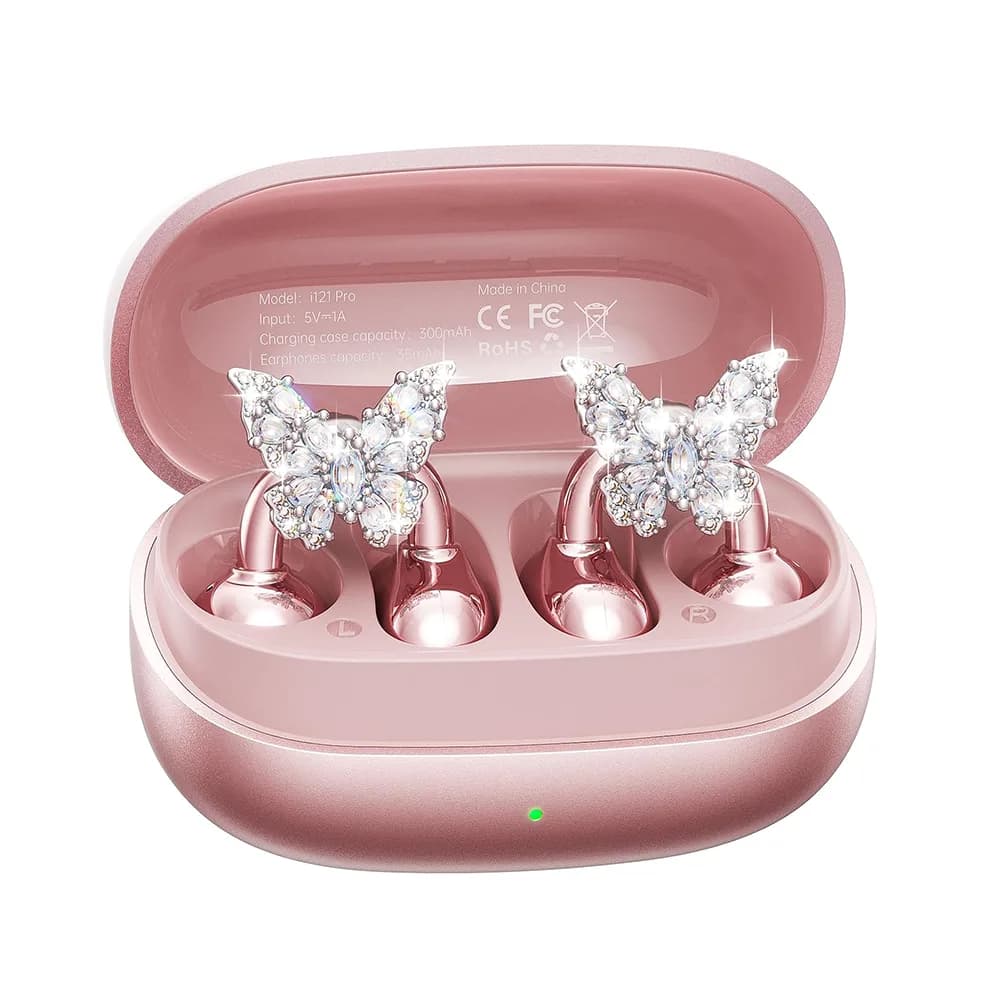
How Do Open Ear Headphones Work
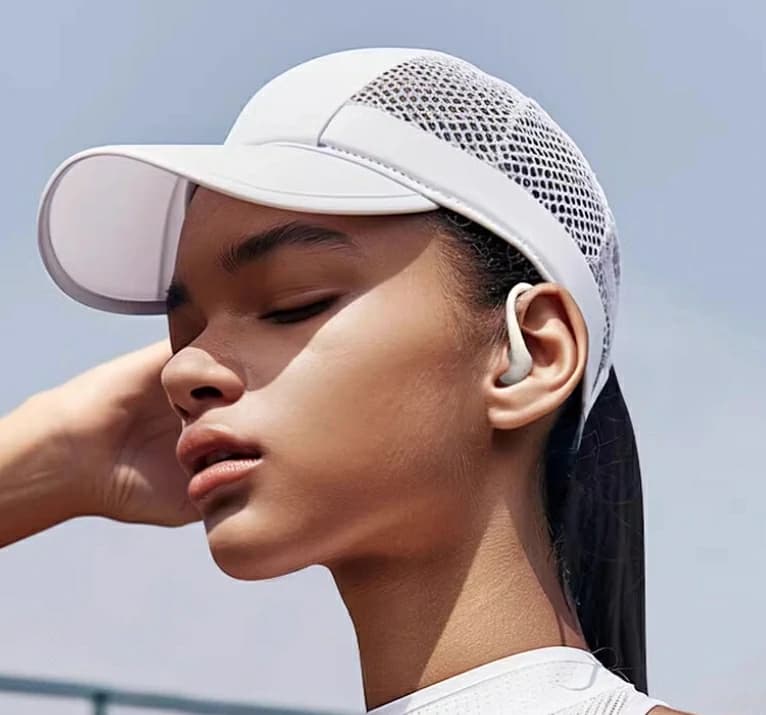
Headphones can be broadly classified into two types - open-Ear and closed-Ear. Currently, the mainstream market is predominantly monopolized by closed-Ear models, offering immersive isolation while open-Ears highlight distinct features. They provide a broader, smoother soundscape.
In this article, we will delve into the realm of open-Ear headphones, examine their mechanism, and evaluate their suitability for specific listeners.
Definition of Open-Ear Headphones

They incorporate vents or mesh on the Ear of the ear cups to enable air and sound transmission. This structural difference is profound - they exclude external sounds, favoring a more organic listening experience. The existent vents/mesh help prevent internal resonating pressure and promote adequate airflow.
How Open-Ear Headphones Function

Benefits of Open-Ear Headphones

Scenarios & Users for Open-Ear Headphones

Open-Ear headphones deliver superior audio, but aren't always optimal due to their design being optimal for quiet settings.
Selection Criteria for Open-Ear Headphones

Several factors should guide your selection of open-Ear headphones for optimal enjoyment.
Frequency Response: A broad range is essential for capturing low bass and high treble details. Opt for balanced sound across the spectrum.
Impedance: High-impedance headphones demand more power yet typically yield superior sound quality. Ensure your audio device can manage this.
Comfort: Look for models featuring breathable materials and adjustable headbands. Comfort is paramount, particularly for prolonged wear.
Build Quality: Open-Ears can be fragile; invest in sturdy pairs for longevity.
Kinglucky i20 Open Ear Clip Headphones

The Kinglucky i20 offers a fresh take on the open-ear concept with its ear clip design, adjustable clamping force, and ultra-comfortable fit. Featuring Pulse DT3.0 directional sound transmission, it ensures that sound is directed into the ear canal efficiently, minimizing sound leakage. The panoramic stereo sound delivers clear, well-balanced audio, while the ENC noise reduction technology enables ultra-HD calls, even in noisy environments.
Adjustable clamping force for personalized comfort.
13mm titanium membrane moving coil ensures balanced sound with enhanced bass and clear treble.
60 hours of battery life, providing long-lasting use with its high-capacity lithium battery.
Kinglucky i39 Open Ear Wireless Headphones

The Kinglucky i39 stands out for its slim, comfortable design and impressive sound quality. With DT6.0 directional sound transmission, it offers 93% less sound leakage. Its lightweight design, paired with nano-layer skin-friendly silicone ear hooks, ensures stability during activities like running or working out. It also features 78 hours of battery life, making it an excellent choice for long-term use.
AURA vocal enhancement provides rich mid-range and high-frequency performance.
Dual noise cancellation for HD calls ensures clear communication.
Ergonomic design with three-point support ensures a stable fit during sports.
Kinglucky i211 Open Ear Headphones

The Kinglucky i211 is equipped with AI technology for enhanced sound detail and spatial surround sound. Its pulse DT3.0 sound transmission reduces leakage by 93%, while the polymer titanium diaphragm delivers detailed sound with excellent frequency response. The LCD full-color touch screen provides easy access to music controls and call functions.
AI-driven sound enhancement ensures accurate reproduction across all frequencies.
High elasticity material ensures comfort and durability.
78 hours of battery life make it ideal for extended listening.
Open Ear Headphones Frequently Asked Questions (FAQ)

Q:How do I care for my open-Ear headphones?
A:Regularly clean them with a dry, soft cloth, avoiding water or harsh chemicals. Store them safely when not in use.
Q:Are open-Ear headphones universally compatible?
A:Generally, yes, though some high-impedance models might necessitate an amp for peak performance.
Q:Do open-Ear headphones require specific drivers?
A:Not necessarily, but they may perform optimally with high-quality audio sources. Low-power devices like smartphones may require an amp for optimal audio.
Open-Ear headphones offer a unique listening experience compared to closed-Ears. With their natural sound field, accurate audio reproduction, and comfortable fit, they cater to audiophiles, music professionals, and home listeners prioritizing high-quality sound over isolation. Despite not being ideal for noisy environments, they excel in quiet settings allowing listeners to fully appreciate their expansive audio prowess. Prioritize factors like frequency response, impedance, and comfort when selecting the right pair.
In this article, we will delve into the realm of open-Ear headphones, examine their mechanism, and evaluate their suitability for specific listeners.
Definition of Open-Ear Headphones
How Open-Ear Headphones Function
Design Features
Their distinguishing feature lies in the passive ventilation of ear cups, eliminating the need for a wholly enclosed chamber around the ear like closed-Ears. Hence, sound can move effortlessly in and out of the ear cup, delivering a more authentic acoustical experience akin to outdoor sound perception.Acoustic Properties
Closed-Ear headphones produce reflected sound wave interference, leading to distorted coloring effects. Conversely, open-Ears dissipate these waves, enhancing audio precision. This design facilitates unobstructed sound wave propagation, mitigating echo and pressure build-up, thereby improving sound quality.Sound Quality Traits
Their open structure amplifies the soundstage, creating a wider, more realistic audio field. Users frequently perceive the sound as more spacious, as if it's emanating from beyond the headphones. The natural audio rendering also boosts clarity and accuracy, making them a preferred choice among audiophiles and professionals.Benefits of Open-Ear Headphones
Natural Acoustic Experience
The prime advantage of open-Ear headphones is their capacity to deliver a genuine, immersive acoustic experience. Unlike closed-Ears, which can feel confining, open-Ears simulate an open-air music experience. The expanded soundstage and precise audio reproduction facilitate discerning listeners, mixers, and audio engineers.Comfort
An additional advantage is their comfort level. The free airflow makes open-Ears cooler and more breathable compared to closed-Ears, alleviating ear fatigue during extended usage. The open design also reduces the "cupping" effect experienced with closed-Ears, enhancing their usability.Scenarios & Users for Open-Ear Headphones
Appropriate Scenario:
- Home: In a serene domestic environment, open-Ears deliver immersive, detailed sound.
- Audio Mixing: For sound engineers, the accurate audio of open-Ears is vital for analytical work such as mixing music.
- Audiophile: For lovers of high-fidelity sound, open-Ears simulate live music experiences.
Target Users:
- Audiophiles: For discerning listeners seeking depth and clarity in music.
- Music Producers: Studio professionals needing accurate sound reproduction for mixing and mastering.
- At-Home Listeners: Those appreciating tranquil music listening experiences.
Selection Criteria for Open-Ear Headphones
Frequency Response: A broad range is essential for capturing low bass and high treble details. Opt for balanced sound across the spectrum.
Impedance: High-impedance headphones demand more power yet typically yield superior sound quality. Ensure your audio device can manage this.
Comfort: Look for models featuring breathable materials and adjustable headbands. Comfort is paramount, particularly for prolonged wear.
Build Quality: Open-Ears can be fragile; invest in sturdy pairs for longevity.
Open-Ear Headphones Recommendation
Kinglucky i20 Open Ear Clip Headphones
Adjustable clamping force for personalized comfort.
13mm titanium membrane moving coil ensures balanced sound with enhanced bass and clear treble.
60 hours of battery life, providing long-lasting use with its high-capacity lithium battery.
Kinglucky i39 Open Ear Wireless Headphones
AURA vocal enhancement provides rich mid-range and high-frequency performance.
Dual noise cancellation for HD calls ensures clear communication.
Ergonomic design with three-point support ensures a stable fit during sports.
Kinglucky i211 Open Ear Headphones
AI-driven sound enhancement ensures accurate reproduction across all frequencies.
High elasticity material ensures comfort and durability.
78 hours of battery life make it ideal for extended listening.
Open Ear Headphones Frequently Asked Questions (FAQ)
A:Regularly clean them with a dry, soft cloth, avoiding water or harsh chemicals. Store them safely when not in use.
Q:Are open-Ear headphones universally compatible?
A:Generally, yes, though some high-impedance models might necessitate an amp for peak performance.
Q:Do open-Ear headphones require specific drivers?
A:Not necessarily, but they may perform optimally with high-quality audio sources. Low-power devices like smartphones may require an amp for optimal audio.
Conclusion
Open-Ear headphones offer a unique listening experience compared to closed-Ears. With their natural sound field, accurate audio reproduction, and comfortable fit, they cater to audiophiles, music professionals, and home listeners prioritizing high-quality sound over isolation. Despite not being ideal for noisy environments, they excel in quiet settings allowing listeners to fully appreciate their expansive audio prowess. Prioritize factors like frequency response, impedance, and comfort when selecting the right pair.
Recommended Products