Are Open Ear Headphones Noise Cancelling
Are Open Ear Headphones Noise Cancelling? Complete Guide
Many shoppers ask: “are open ear headphones noise cancelling?” It’s a fair question—after all, noise cancelling is one of the most marketed features in modern audio gear. But open ear headphones are built on the opposite principle: instead of isolating you from the world, they let sound in. This article explains the technical conflict between open designs and active noise cancellation (ANC), explores real-world alternatives, and helps you decide which option is better for your needs.
What Are Open Ear Headphones?
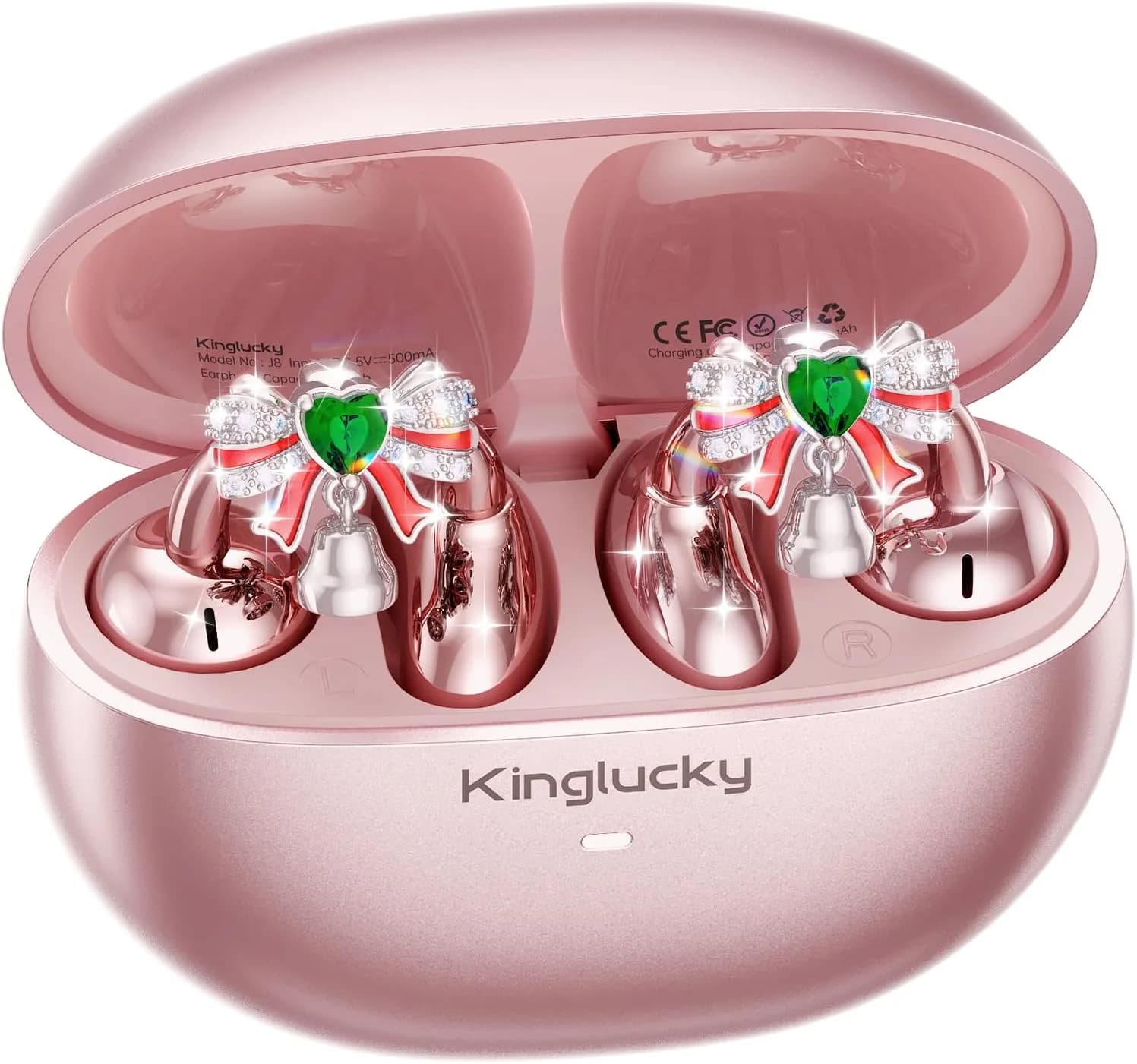
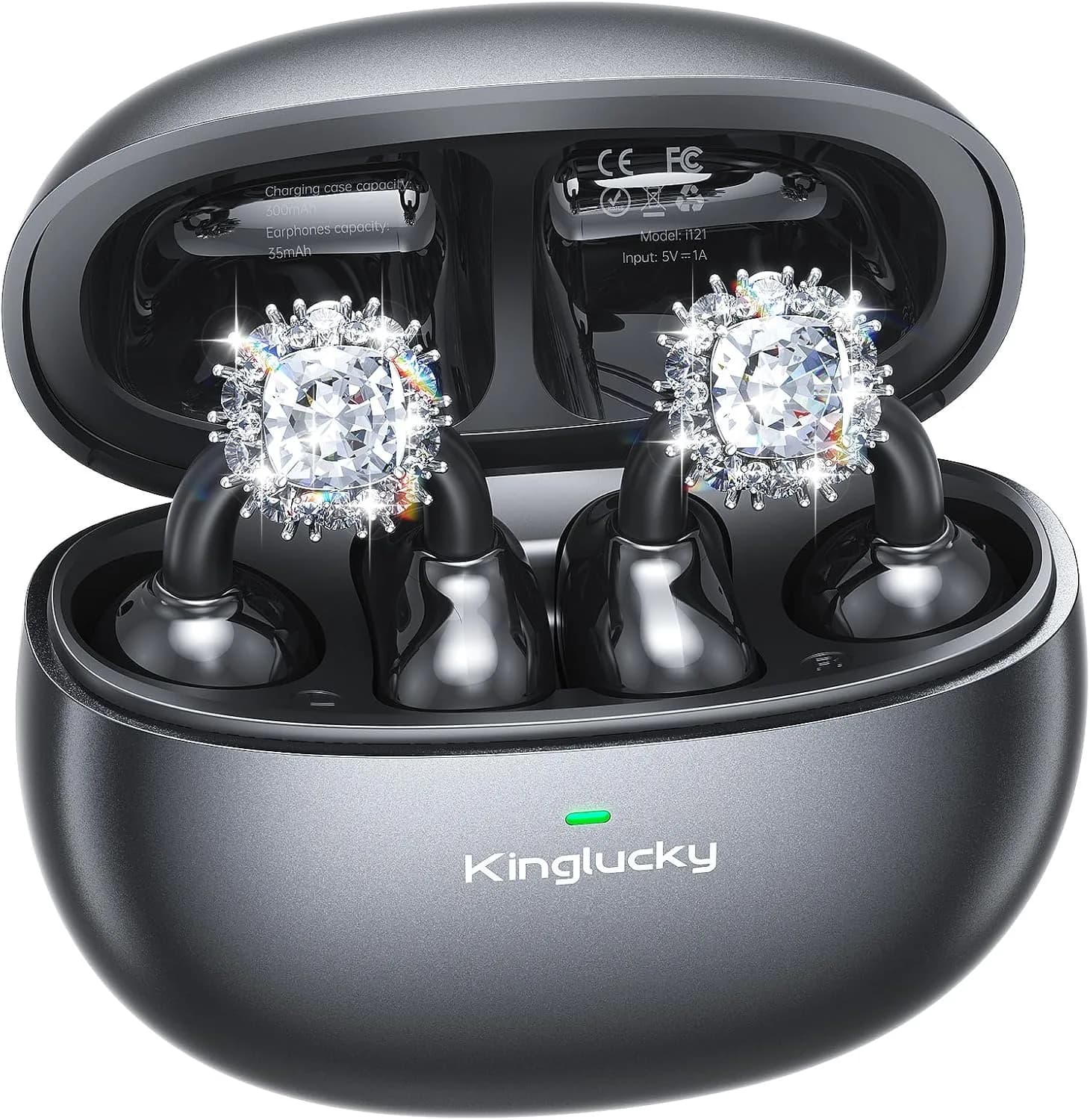
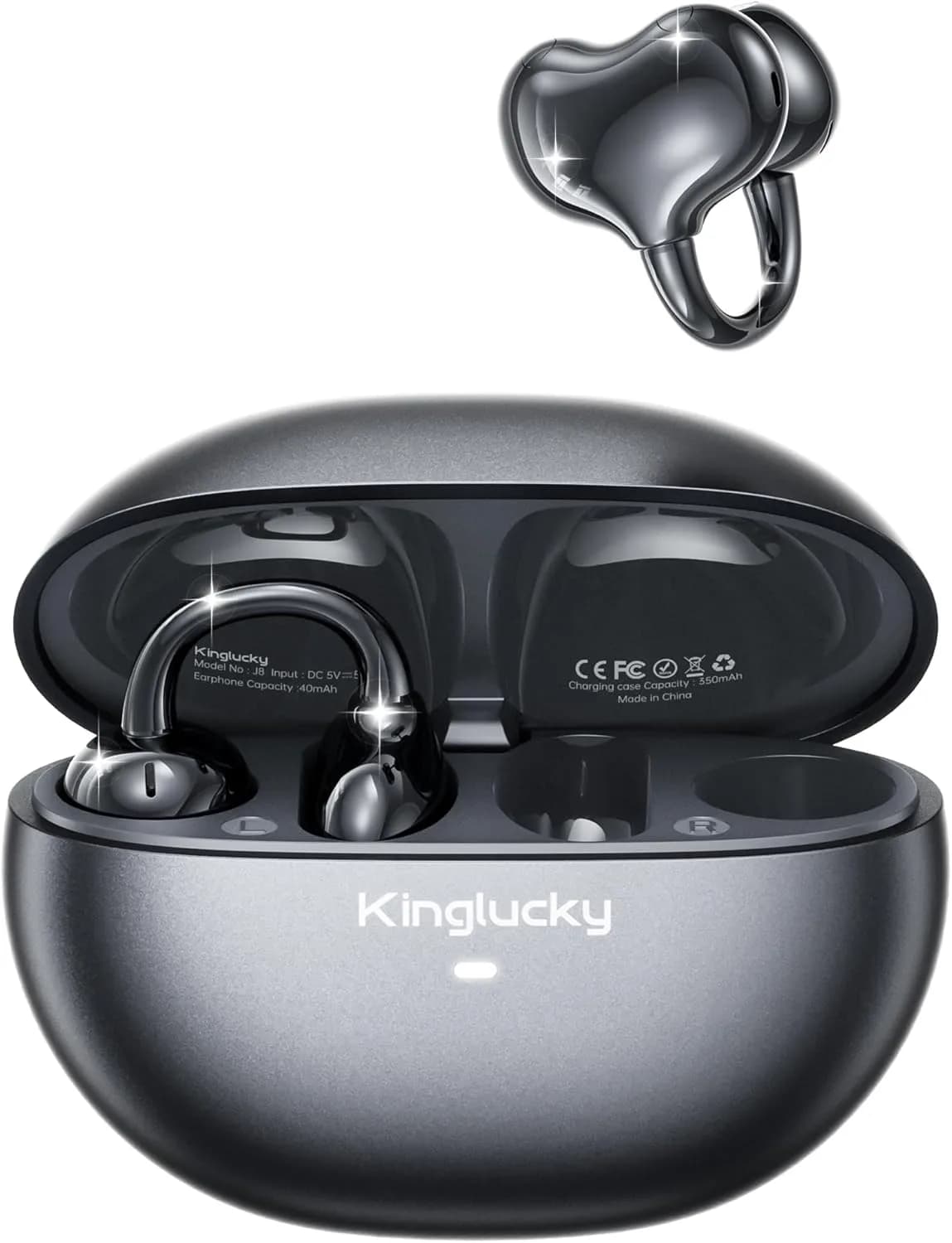
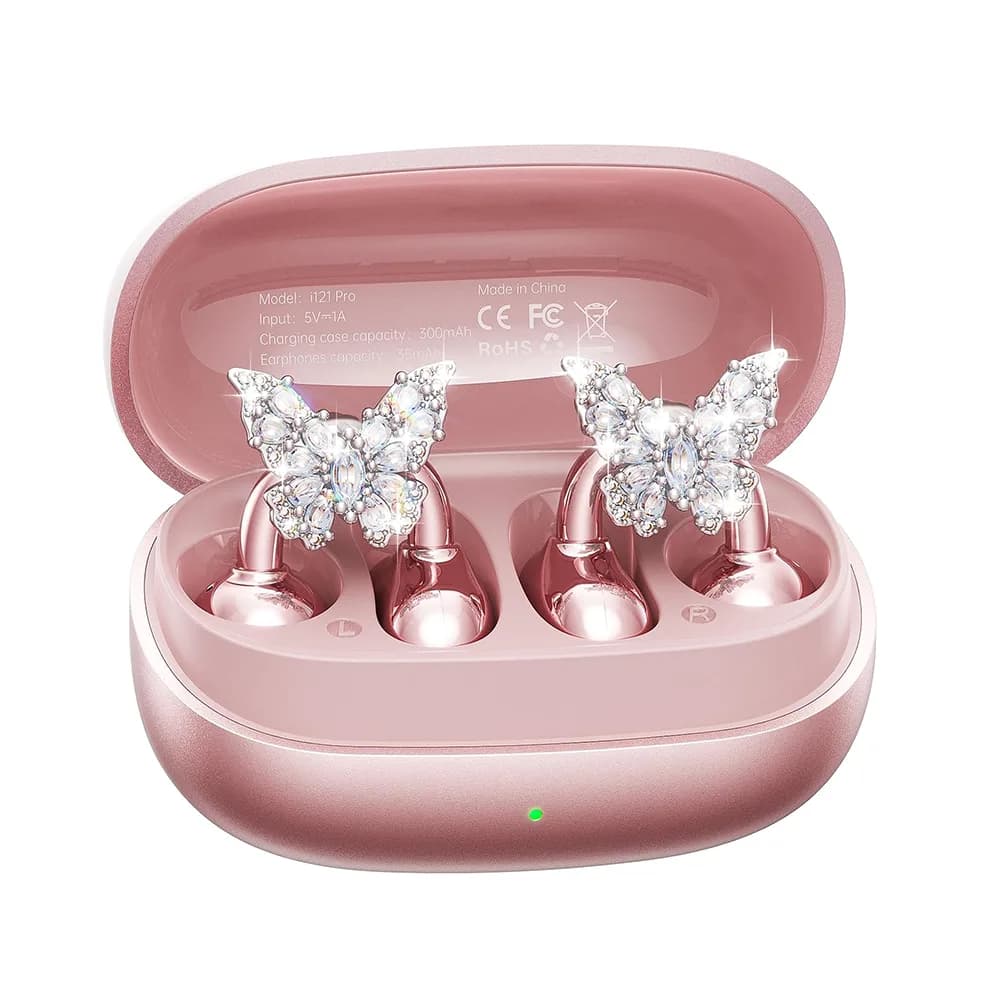
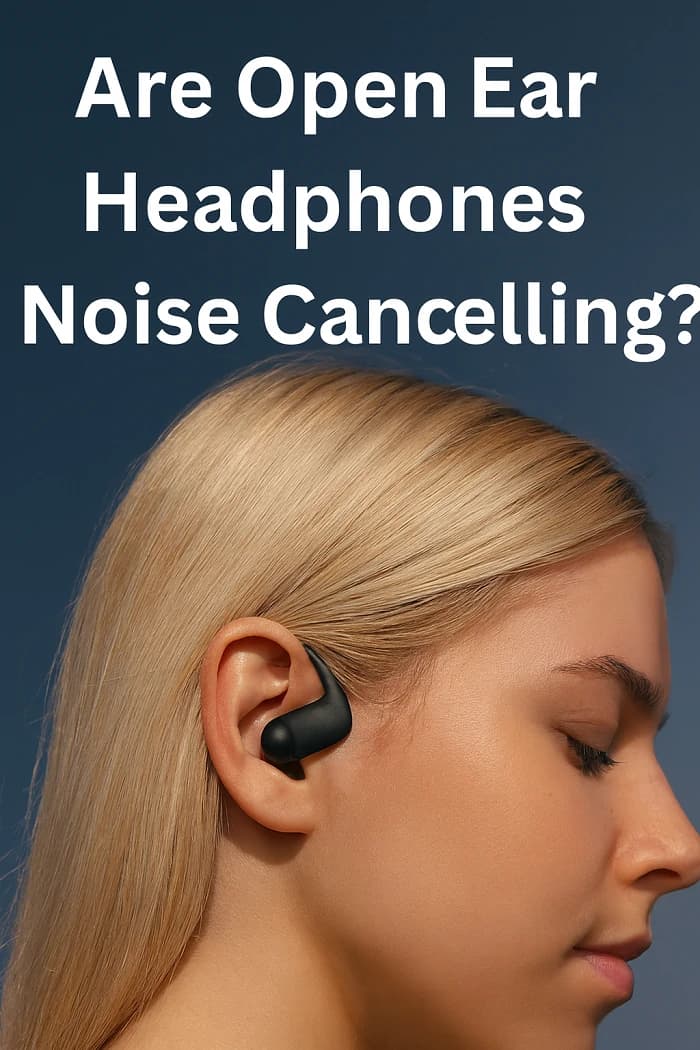
Open ear headphones use an acoustic design that keeps your ear canals unsealed. Unlike in-ear earbuds that plug directly into the canal or over-ear headphones that cup around your ear, open ear models rest just outside or clip onto your ear. Benefits include:
- Comfort: No ear canal pressure, reducing fatigue during long use.
- Awareness: You can hear your surroundings—traffic, conversations, or office chatter.
- Natural Sound Flow: Feels like sound is coming from nearby speakers rather than sealed drivers.
These traits make open ear headphones popular with runners, cyclists, commuters, and people with ear sensitivity.
What Does Noise Cancelling Mean?
When we talk about “noise cancelling,” we usually mean active noise cancellation (ANC). It works by using external microphones to pick up environmental noise, then generating an opposite sound wave to cancel it out. There are two approaches:
- Passive Isolation: Simply blocking noise physically, such as with ear tips or padding.
- Active Noise Cancellation (ANC): Digital cancellation of sound waves, which works best in a sealed environment.
This is where the conflict arises. ANC requires a relatively sealed ear canal or cup to create a controlled acoustic chamber. Open ear headphones, by design, don’t seal anything.
Are Open Ear Headphones Noise Cancelling?
The direct answer is no—at least not in the traditional ANC sense. Because open ear headphones leave the ear canal unsealed, it is physically difficult for them to block or cancel external noise. Any attempt at ANC would be undermined by uncontrolled airflow and external sound entering freely.
That said, many modern open ear models adopt alternative forms of “noise management” rather than true cancellation.
What Alternatives Do Open Ear Headphones Offer?
Even if open ear headphones can’t offer traditional ANC, they still provide useful alternatives:
- AI Voice Enhancement: Advanced algorithms filter your voice during calls, making you clear even in noisy environments.
- Directional Sound Projection: Some designs channel audio directly into your ear canal while minimizing leakage, reducing external interference.
- Environmental Sound Control: Instead of blocking noise, some headphones balance it by amplifying voices or softening background hum digitally.
For example, innovative models like the Kinglucky A9 don’t feature ANC, but they integrate dual microphones with noise reduction to keep calls crystal clear and use directional acoustic chambers to minimize sound leakage. This offers a practical alternative to noise cancellation without breaking the open-ear philosophy.
Open Ear vs. Noise Cancelling Headphones – Which Is Better for You?
Choosing between open ear headphones vs noise cancelling models depends entirely on your lifestyle and priorities:
- Sports & Safety: Open ear headphones are better because they let you hear traffic and stay aware.
- Immersion & Travel: Noise cancelling in-ear or over-ear headphones are superior for blocking airplane engines or subway noise.
- Office & Productivity: Both can work—open ear for comfortable long wear, ANC for focus in noisy spaces.
- Studying & Libraries: ANC wins, since open ear models can’t eliminate chatter.
Market Examples & Innovation
The audio industry is experimenting with hybrid approaches. Some brands are adding beamforming audio that directs sound narrowly toward your ear to reduce interference. Others focus on call noise suppression rather than environmental blocking. The Kinglucky A9, for instance, combines an ergonomic clip-on fit with 16mm dynamic drivers and directional sound chambers, giving users clear audio without fully isolating them from the world.
The Future of Noise Control in Open Ear Headphones
While open ear headphones can’t match traditional ANC today, innovation is accelerating. Possible future directions include:
- AI-Driven Adaptive Noise Filtering: Automatically adjusting sound emphasis depending on your environment.
- Hybrid Transparency Modes: Borrowing from ANC headphones, where certain sounds are selectively amplified or suppressed.
- Beamforming Audio: Narrow sound beams to improve clarity and reduce leakage, mimicking isolation without sealing the ear.
These innovations suggest that while open ear headphones may never achieve “true” ANC, they can still evolve to provide comparable benefits.
Conclusion
So, are open ear headphones noise cancelling? No—not in the traditional sense. Their very design prioritizes openness and awareness, which conflicts with the physics of ANC. However, they offer alternative approaches like AI call noise reduction and directional sound projection. For athletes, commuters, and anyone valuing comfort and awareness, open ear headphones are a better fit. For frequent travelers or those seeking silence, ANC headphones remain unmatched. Ultimately, the choice comes down to whether you prioritize awareness or isolation.
FAQ
Do open ear headphones block outside noise?
No. By design, they allow environmental sounds in. Some models reduce leakage, but they don’t isolate noise.
Are there any open ear headphones with ANC?
Currently, no mainstream open ear headphones feature true ANC. Some use software-based noise filtering instead.
Is open ear safer than noise cancelling headphones?
Yes. Open ear headphones are safer in outdoor settings because they let you stay aware of traffic and surroundings.
Which should I buy: open ear or ANC in-ear headphones?
If you need immersion for flights, studying, or office noise, ANC is best. If you value comfort, safety, and long wear, open ear is better.
Recommended Products