What Is an Open Ear Headphone

What Is an Open Ear Headphone
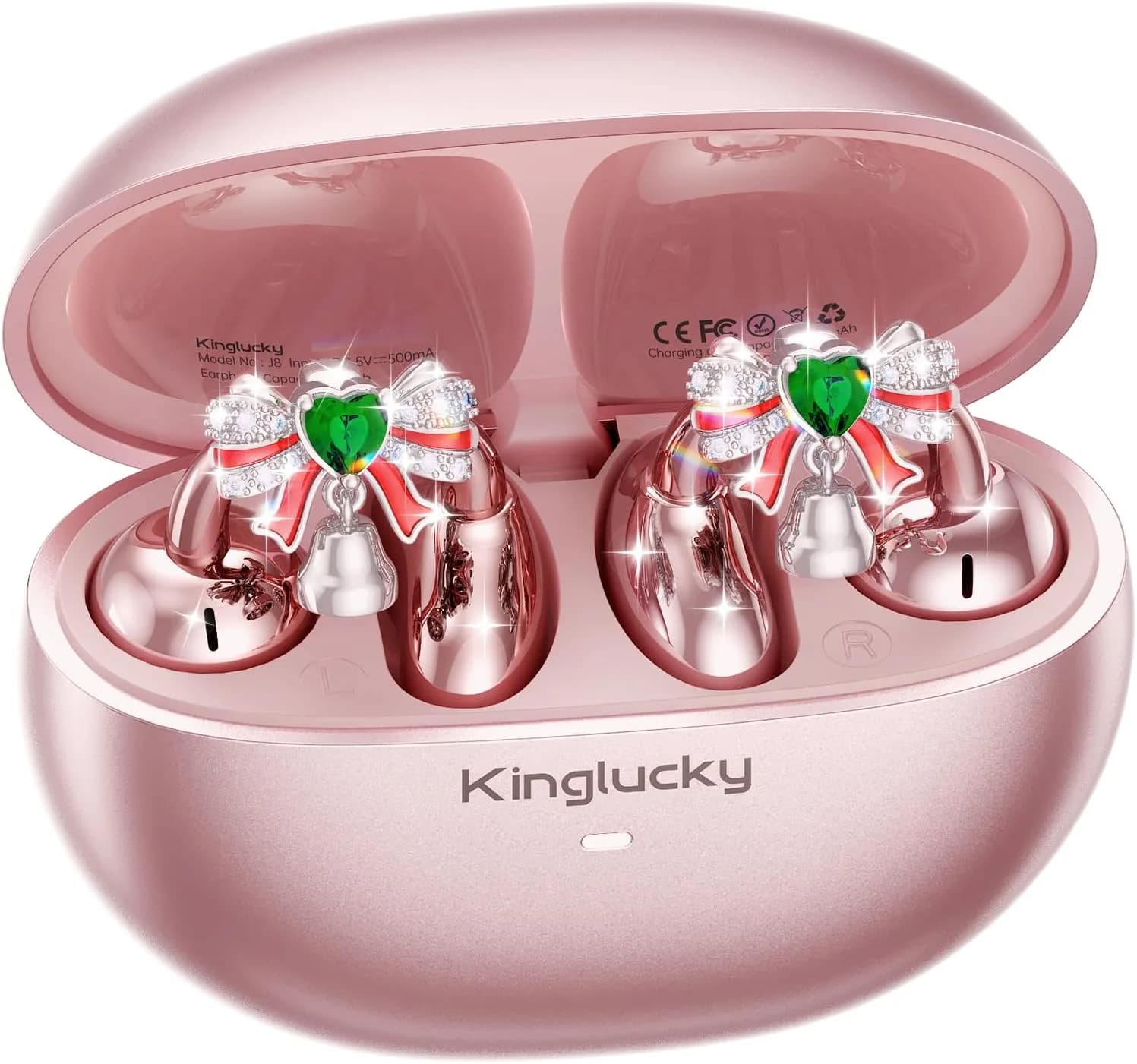
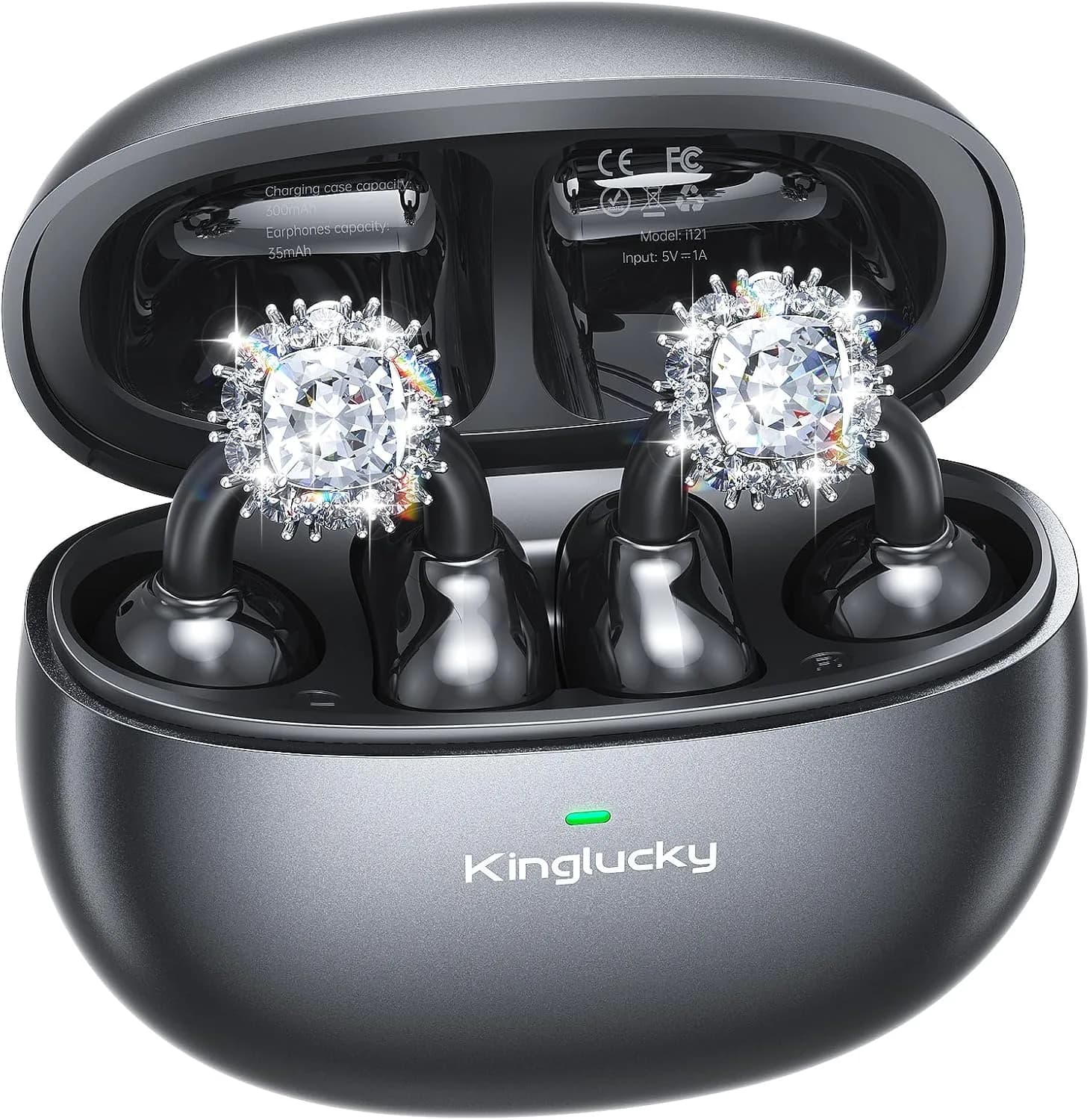
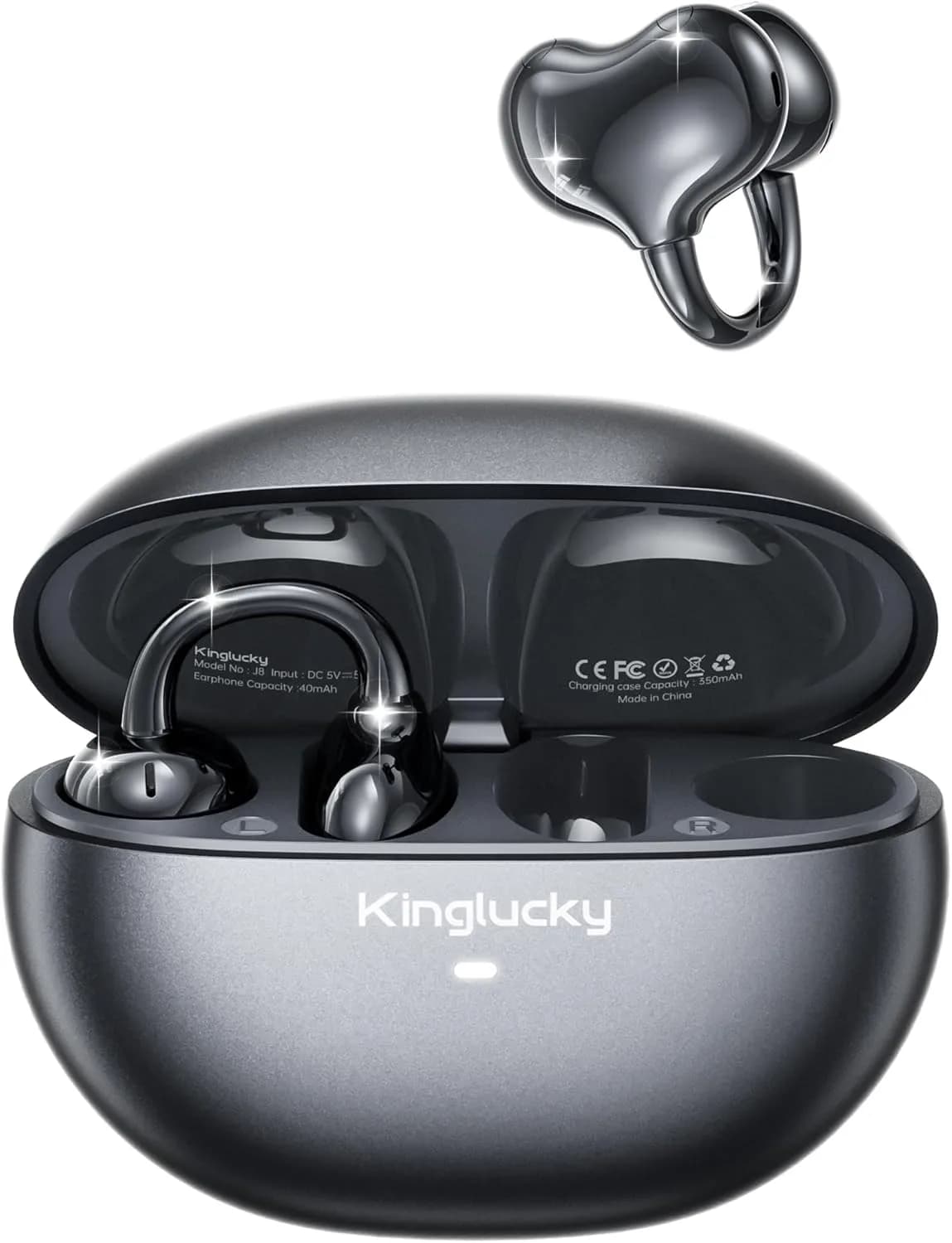
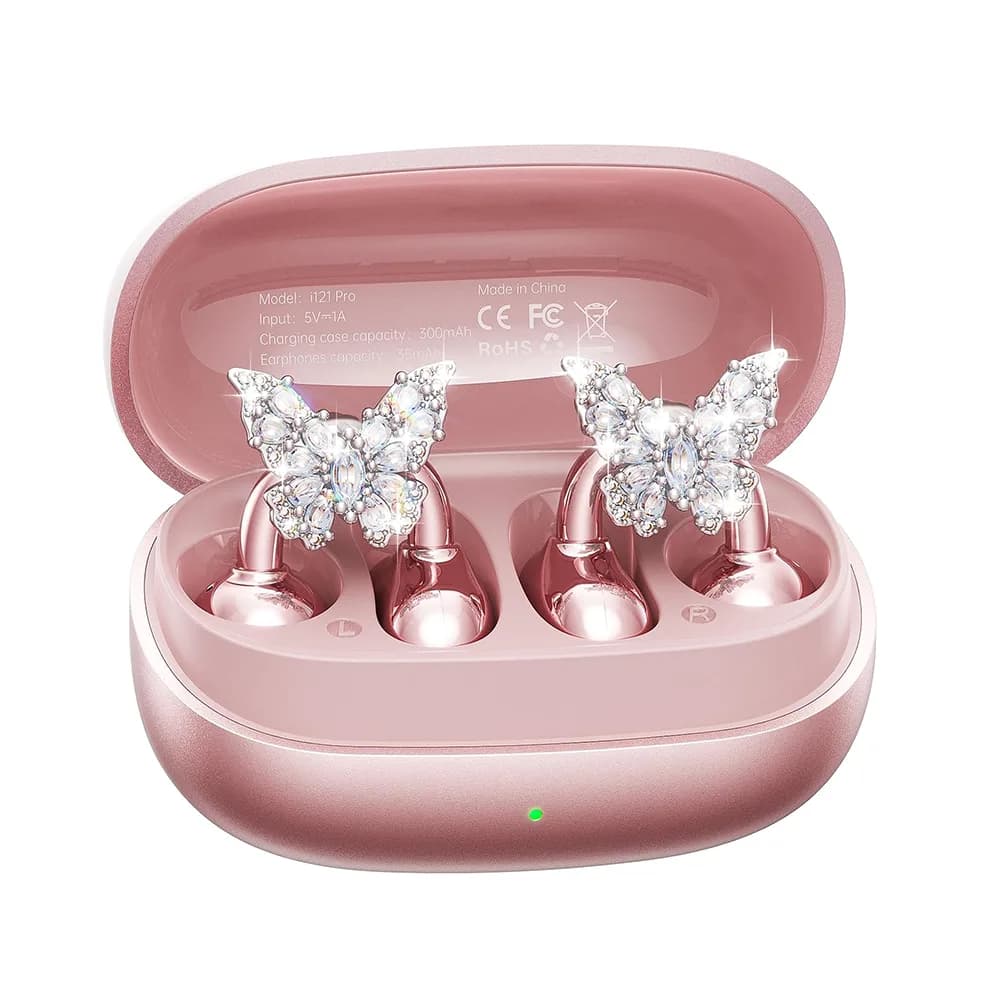
What is an open ear headphone? It is a headphone that delivers audio without sealing or occupying the ear canal, preserving natural situational awareness. “Open-ear” is a wearing/listening approach rather than a single technology; products achieve it via air conduction (open speakers near the ear) or bone conduction (vibrations through facial bones).
How Open-Ear Audio Works (Air vs Bone Conduction)
Air Conduction
Miniature drivers sit just outside the canal and project sound through air. Directional chambers and baffles aim energy toward the ear while reducing leakage.
Bone Conduction
Transducers rest on the cheek/temple bones and vibrate to stimulate the inner ear, bypassing the eardrum; the ear canal remains fully open.
Air vs Bone: Pros and Cons
| Aspect | Air Conduction (Open Speakers) | Bone Conduction (Transducers) |
|---|---|---|
| Timbre & detail | Natural tonality; clear mids/highs | Good speech clarity; drier treble |
| Bass extension | Better than BC when tuned; still lighter than sealed IEMs | Lighter sub-bass “slam” |
| Comfort | No canal intrusion; very low fatigue | No canal intrusion; some feel vibration |
| Situational awareness | High | Very high |
| Water use | IP rating dependent; swimming varies | Often favored for swim if immersion-rated |
| Leakage | Possible at higher volumes; mitigated by directionality | Lower acoustic spill, not totally silent |
| Glasses compatibility | Good with clip/low-profile hooks | Headband/temple stacking needs check |
Design Archetypes of Open-Ear Headphones
Clip-On Earbuds (ear-clip/ear-cuff)
Springy clip on the outer ear positions a tiny speaker near the canal entrance. Usually friendly with glasses; great for office, commuting, and light workouts.
Over-Ear Hook
Hook wraps around the ear; open speaker aims at the canal. Very stable for running/HIIT; check stacking with glasses.
Headband-Style Open-Ear
Continuous band with speakers hovering by the ears. Superb stability and glove-friendly controls; less discreet.
Bone Conduction Frames
Band or glasses-like frame sits on cheekbones. Popular for outdoor safety and swimming when IP-rated for immersion.
Why People Consider Open-Ear (Benefits with Nuance)
- Comfort: No canal pressure or heat; good for long sessions.
- Awareness: Hear traffic, alarms, coworkers, and announcements.
- Hygiene: Ventilated canal reduces moisture/irritation risk.
- Social acceptability: You remain approachable in shared spaces.
Trade-offs: Minimal isolation, potential sound leakage (air conduction), and lighter sub-bass vs sealed earbuds.
Health, Safety, and Hearing Considerations
- Ventilation: Open designs avoid moisture buildup common with sealed tips.
- Volume discipline: Outdoor noise tempts higher volume—set a personal cap and avoid prolonged max levels.
- Glasses fit: Check for pressure hotspots at temple/helix; adjust hooks/headbands accordingly.
Feature Set & Standards to Know
- Bluetooth & codecs: 5.x and LE Audio/LC3 for efficiency, stability, and smoother multipoint.
- Water/sweat resistance: IPX4 for sweat/splash; IP55+ for dusty trails; higher IP for immersion.
- Mic DSP: Beamforming, ENC, and wind reduction for clearer calls.
- Battery: ~6–10 h per charge; cases extend to ~30–50 h; fast-charge helps.
- Materials: Titanium/Ni-Ti memory wire and soft silicone at skin contact points.
Common Misconceptions (Myth vs Fact)
- Myth: Open ear equals bone conduction only. Fact: Air and bone conduction both qualify.
- Myth: Open ear can’t sound good. Fact: Mid clarity and staging can be excellent; bass is the main compromise.
- Myth: Open ear provides ANC. Fact: ANC needs a seal; open-ear focuses on call noise reduction.
Who Should (and Shouldn’t) Choose Open-Ear
Great for: runners/cyclists/commuters; office/students needing awareness; glasses wearers; canal-sensitive ears.
Maybe not ideal for: bass-maximalists; frequent flyers craving isolation; ultra-noisy workplaces (unless expectations are managed).
Practical Buying Checklist
- Fit & stability (shake/jog test)
- Weight & pressure (60–90 min wear)
- Glasses compatibility (no pinch/stacking)
- Mic clarity (voice memo: indoor + fan/wind)
- Battery claims vs routine; case top-ups
- IP rating matched to activity
- Controls usable when damp/gloved
- Warranty and accessible support
Simple At-Home Testing Protocol
- Comfort: Wear 60–90 minutes (with glasses if applicable); note hotspots.
- Awareness: Low pink noise/music; verify you hear doorbells/timers.
- Mic: Record indoors and near a fan; judge intelligibility/wind handling.
- Stability: Walk/jog/stairs/jumping jacks; check for slippage.
- Leakage: Partner at 50–70 cm rates audibility at normal volume.
Care & Maintenance
- Wipe sweat/salt after workouts; dry before charging.
- Do not compress clips/hooks during storage.
- Use gentle battery habits (avoid long deep-discharge storage).
The Future of Open-Ear
- Lighter frames, broader fit ranges.
- Improved wind handling and smarter voice pickup.
- LE Audio mainstreaming for smoother multipoint and lower power.
- Fashion-forward integrations and glasses-style form factors.
Glossary
Air Conduction Sound through air from a nearby open speaker into the ear. Bone Conduction Vibrations through facial bones stimulate the inner ear. LE Audio Next-gen Bluetooth audio with efficient transmission and multipoint. LC3 Codec used in LE Audio; efficient at comparable perceived quality. IPX/IP Ingress Protection ratings for water/dust resistance. ENC Environmental Noise Cancellation for outgoing call audio. Beamforming Mic technique/DSP focusing on your voice. Sound Leakage Audible spill from your device into the environment.Conclusion
In precise terms, what is an open ear headphone? A device that keeps the ear canal unsealed while delivering audio via air or bone conduction. The value is comfort and awareness, traded against isolation and deep bass. Match your environment, comfort needs, and features (IP, mic DSP, LE Audio, battery) and validate at home with simple, repeatable tests.
FAQ
Is an open ear headphone the same as bone conduction?
No. Bone conduction is one open-ear method; air conduction is another.
Do open ear headphones have active noise cancelling?
Generally no. ANC requires a seal; open-ear focuses on call noise reduction.
Are they good for running and commuting?
Yes—awareness is the point. Prioritize secure fit, IP rating, and stable Bluetooth.
Will they work with glasses comfortably?
Often yes. Clip-ons are easiest; check hook/headband pressure with temple arms.
Do they leak sound?
Air conduction can at higher volumes; bone conduction leaks less acoustically but isn’t totally silent in very quiet rooms.
How do they compare to in-ear buds for calls?
Open-ear relies on mic DSP (beamforming/ENC). With good DSP, calls are clear; wind remains challenging for any design.
Recommended Products