What Are Open Earbuds? A New Perspective on How You Listen
Open earbuds are gaining traction in the audio world for their unique mix of comfort, awareness, and acoustic innovation. But what are open earbuds, really? How do they compare to traditional earphones and headphones? And are they the right fit for your daily routine? This comprehensive guide explores the core definitions, technical insights, real-life usage, and market trends around open earbuds—highlighting why they may be the most comfortable and versatile audio choice for modern lifestyles.

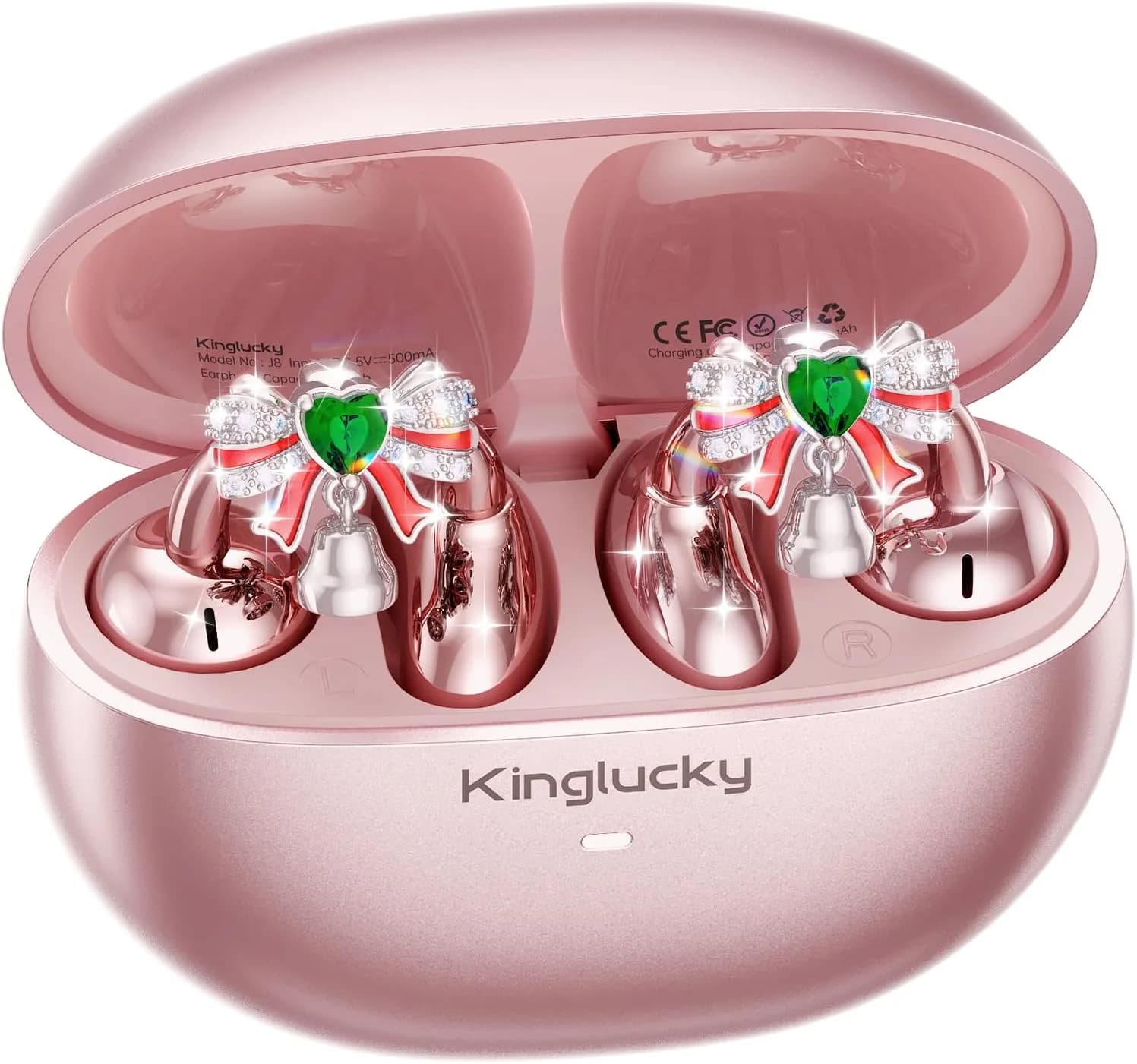
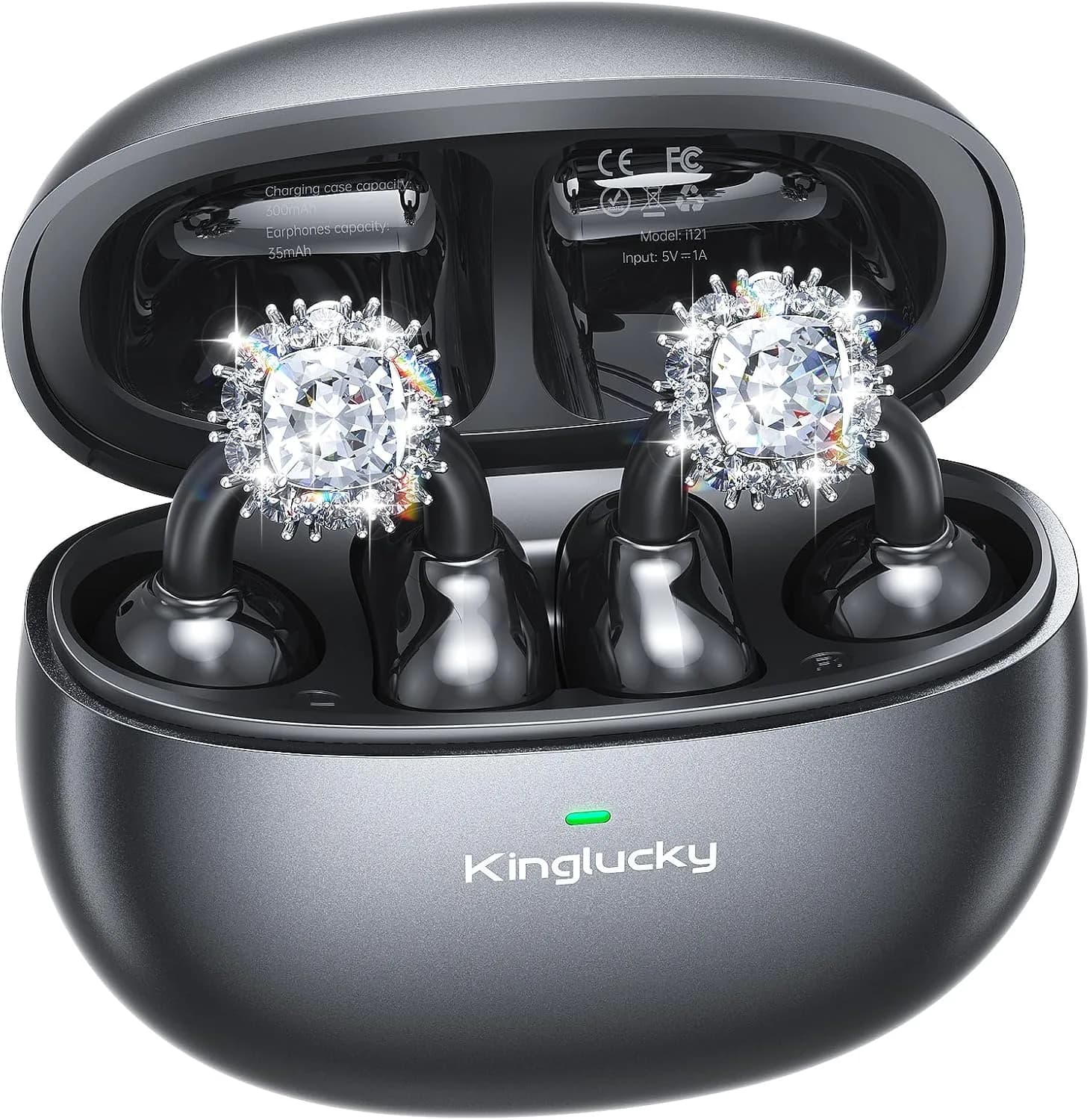
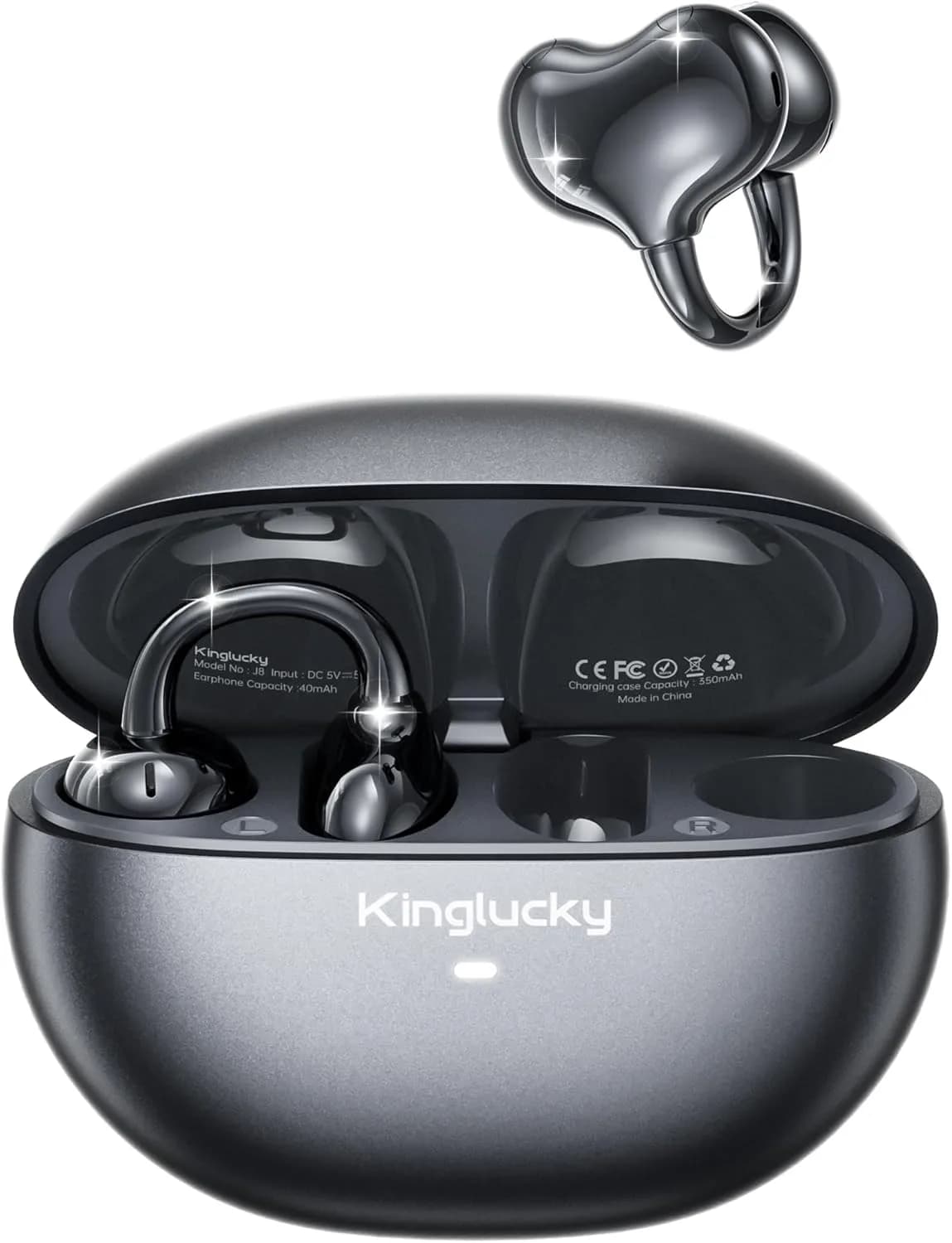
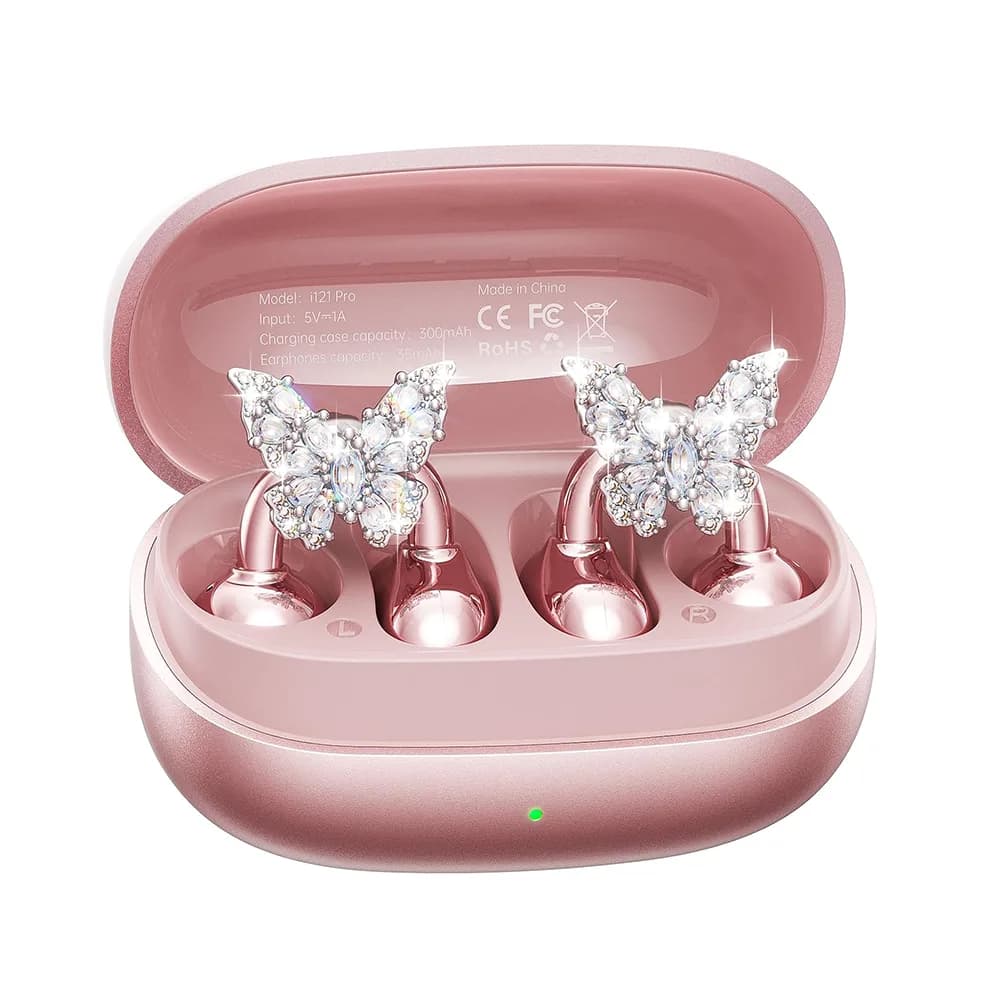
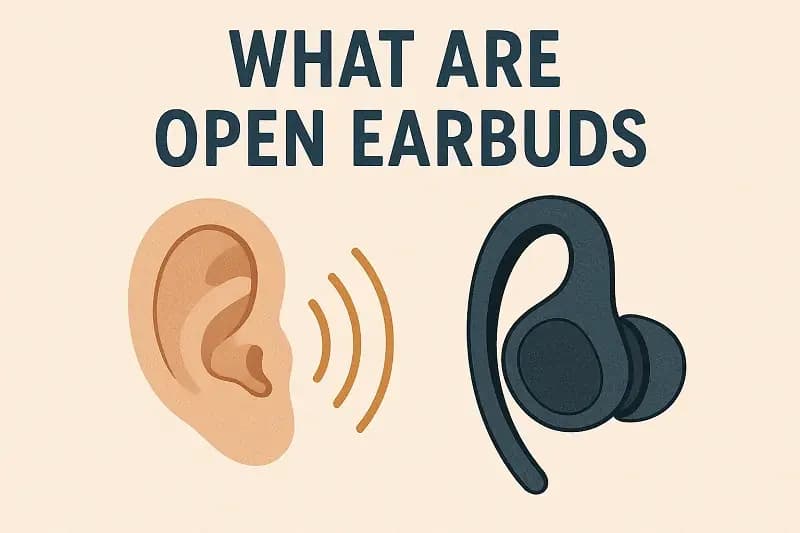
Open earbuds are earphones designed to rest just outside the ear canal, delivering sound through air conduction without physically sealing the ear. Unlike in-ear earbuds that insert deeply or on-ear headphones that press on the ear, open earbuds maintain a light touchpoint near the outer ear.
Think of them as tiny speakers that gently hover near your ears—offering audio without isolation.
Typical Usage Scenarios
Outdoor runners & cyclists: Maintain awareness of traffic, weather, and environment.
Office workers: Long-term comfort without ear fatigue or pressure.
Sensitive ear users: Ideal for individuals who experience discomfort with in-ear styles.
Real-world case: A daily commuter reports wearing open earbuds 5 hours/day with no soreness, unlike traditional earbuds that cause discomfort after 90 minutes.
Comparison Table: Open vs. Traditional Styles
Air Conduction (Open Earbuds): Sound is delivered through directed audio channels toward the ear, similar to how traditional speakers work.
Bone Conduction: Sound bypasses the eardrum via vibration on the cheekbone or temporal bone. Useful for specific audiences, but not all users find it comfortable or immersive.
Kinglucky A9 uses air conduction with directional acoustic design, ensuring low sound leakage and comfort for long durations.
Sound Leakage Control
Open earbuds may sound like they’d be loud for those around you, but smart engineering—like reverse wave cancellation and focused output angles—can significantly reduce audio spill.
Fit design: Soft ear clips, adjustable angles, or pressure-free hooks.
Water resistance: Look for at least IPX4 for sweat and light rain protection.
Battery life: Real-world usage varies—aim for 6–10 hours for daily use.
Driver placement: Off-axis drivers reduce fatigue and enhance spatial awareness.
Price Tiers
Budget (<$50): Minimal features, suitable for casual wear.
Mid-range ($50–$150): Enhanced comfort and clearer mids/highs.
Premium (>$150): Spatial sound, multi-mic calls, AI noise detection.
Real User Feedback
Reddit users praise open earbuds for office use: "I can hear my Slack ping and still vibe to lo-fi beats. Perfect middle ground."
Cycling at 30km/h: Kinglucky A9 retained 70% audio clarity, despite wind noise.
Cafe environment: Only 1 out of 5 nearby patrons could slightly perceive the music at max volume.
Potential Drawbacks
Sweat corrosion: Some users report metal clip discoloration after 6 months.
Winter usability: Wearing with beanies may muffle the audio path.
Spatial audio integration for open formats.
Dual-use devices: Merging open earbuds with assistive listening tech.
Unmet Market Needs
Glasses compatibility: Many open earbuds don’t account for frame pressure.
Small ear fitment: Petite users often find the designs oversized.
Tip: Choose designs with adjustable ear hooks and flexible stems for diverse ear shapes.
Read our practical guide on How to Wear Open Ear Headphones.
Tags: what are open earbuds, how to wear open ear headphones, What Are Open Ear Headphones, open earbuds vs bone conduction, best open earbuds for small ears, open earbuds for running
Clear Definition + Usage Scenarios
What Are Open Earbuds?Open earbuds are earphones designed to rest just outside the ear canal, delivering sound through air conduction without physically sealing the ear. Unlike in-ear earbuds that insert deeply or on-ear headphones that press on the ear, open earbuds maintain a light touchpoint near the outer ear.
Think of them as tiny speakers that gently hover near your ears—offering audio without isolation.
Typical Usage Scenarios
Outdoor runners & cyclists: Maintain awareness of traffic, weather, and environment.
Office workers: Long-term comfort without ear fatigue or pressure.
Sensitive ear users: Ideal for individuals who experience discomfort with in-ear styles.
Real-world case: A daily commuter reports wearing open earbuds 5 hours/day with no soreness, unlike traditional earbuds that cause discomfort after 90 minutes.
Comparison Table: Open vs. Traditional Styles
| Feature | Open Earbuds | In-Ear Earbuds | Over-Ear Headphones |
|---|---|---|---|
| Wearing Comfort | ⭐⭐⭐⭐⭐ (No pressure) | ⭐⭐ (Can feel tight) | ⭐⭐⭐ (Can be bulky) |
| Environmental Sound | ⭐⭐⭐⭐⭐ (Fully aware) | ⭐ (Noise-isolating) | ⭐⭐ (Some leakage) |
| Sound Immersion | ⭐⭐ (Open, airy) | ⭐⭐⭐⭐ (Deep bass) | ⭐⭐⭐⭐⭐ (Full stage) |
| Best Use Cases | Running, work, multitasking | Travel, concentration | Gaming, home theater |
Technical Principles Explained
Air Conduction vs. Bone ConductionAir Conduction (Open Earbuds): Sound is delivered through directed audio channels toward the ear, similar to how traditional speakers work.
Bone Conduction: Sound bypasses the eardrum via vibration on the cheekbone or temporal bone. Useful for specific audiences, but not all users find it comfortable or immersive.
Kinglucky A9 uses air conduction with directional acoustic design, ensuring low sound leakage and comfort for long durations.
Sound Leakage Control
Open earbuds may sound like they’d be loud for those around you, but smart engineering—like reverse wave cancellation and focused output angles—can significantly reduce audio spill.
Smart Buying Guide
Key Specs to CompareFit design: Soft ear clips, adjustable angles, or pressure-free hooks.
Water resistance: Look for at least IPX4 for sweat and light rain protection.
Battery life: Real-world usage varies—aim for 6–10 hours for daily use.
Driver placement: Off-axis drivers reduce fatigue and enhance spatial awareness.
Price Tiers
Budget (<$50): Minimal features, suitable for casual wear.
Mid-range ($50–$150): Enhanced comfort and clearer mids/highs.
Premium (>$150): Spatial sound, multi-mic calls, AI noise detection.
Real User Feedback
Reddit users praise open earbuds for office use: "I can hear my Slack ping and still vibe to lo-fi beats. Perfect middle ground."
Field Test & Pain Point Review
Scenario TestingCycling at 30km/h: Kinglucky A9 retained 70% audio clarity, despite wind noise.
Cafe environment: Only 1 out of 5 nearby patrons could slightly perceive the music at max volume.
Potential Drawbacks
Sweat corrosion: Some users report metal clip discoloration after 6 months.
Winter usability: Wearing with beanies may muffle the audio path.
Industry Trends & Untapped Needs
Upcoming DevelopmentsSpatial audio integration for open formats.
Dual-use devices: Merging open earbuds with assistive listening tech.
Unmet Market Needs
Glasses compatibility: Many open earbuds don’t account for frame pressure.
Small ear fitment: Petite users often find the designs oversized.
Tip: Choose designs with adjustable ear hooks and flexible stems for diverse ear shapes.
Natural Integration of Supporting Keywords
Need guidance on proper positioning and ear compatibility?Read our practical guide on How to Wear Open Ear Headphones.
FAQ
Q1: Can others hear my music through open earbuds?
A: Only slightly, and mostly at high volume in quiet rooms. Advanced models minimize this with focused sound paths.Q2: Are they safe for long-term use?
A: Yes. Their open design reduces ear pressure, heat, and infection risk—especially for daily extended wear.Q3: Do they work well for calls?
A: Most mid/high-tier open earbuds include dual-mic systems and AI noise suppression.Q4: Can I wear them with glasses?
A: Some models may interfere. Look for thin ear hook designs or adjustable joints.Final Thoughts
Open earbuds aren’t just a trend—they’re a smart, ergonomic evolution of how we listen. From work and workouts to winding down, they offer a balanced blend of sound and awareness. Whether you're looking for all-day comfort, audio transparency, or just a break from ear canal fatigue, open earbuds might be your next favorite upgrade.Tags: what are open earbuds, how to wear open ear headphones, What Are Open Ear Headphones, open earbuds vs bone conduction, best open earbuds for small ears, open earbuds for running
Recommended Products