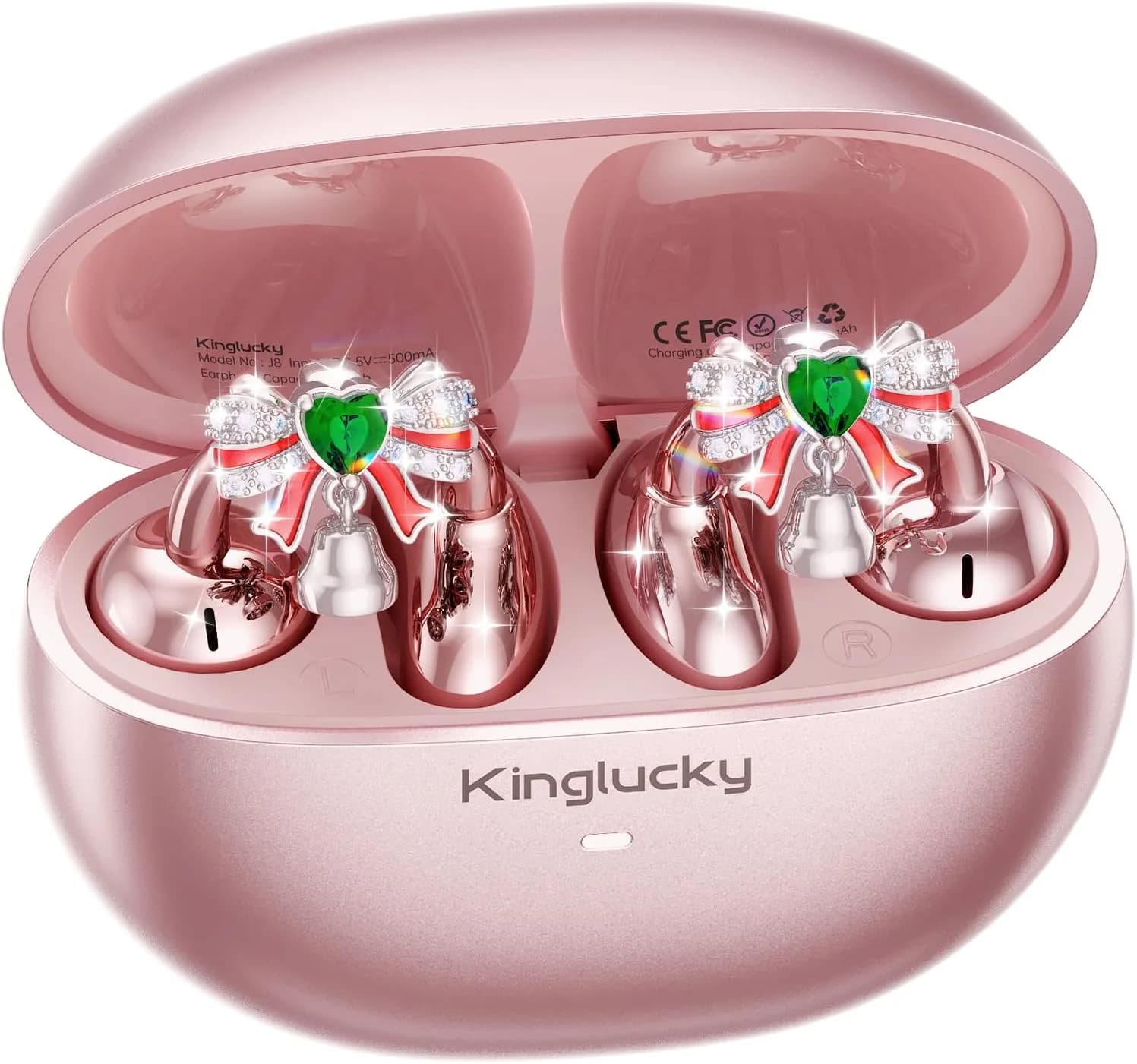
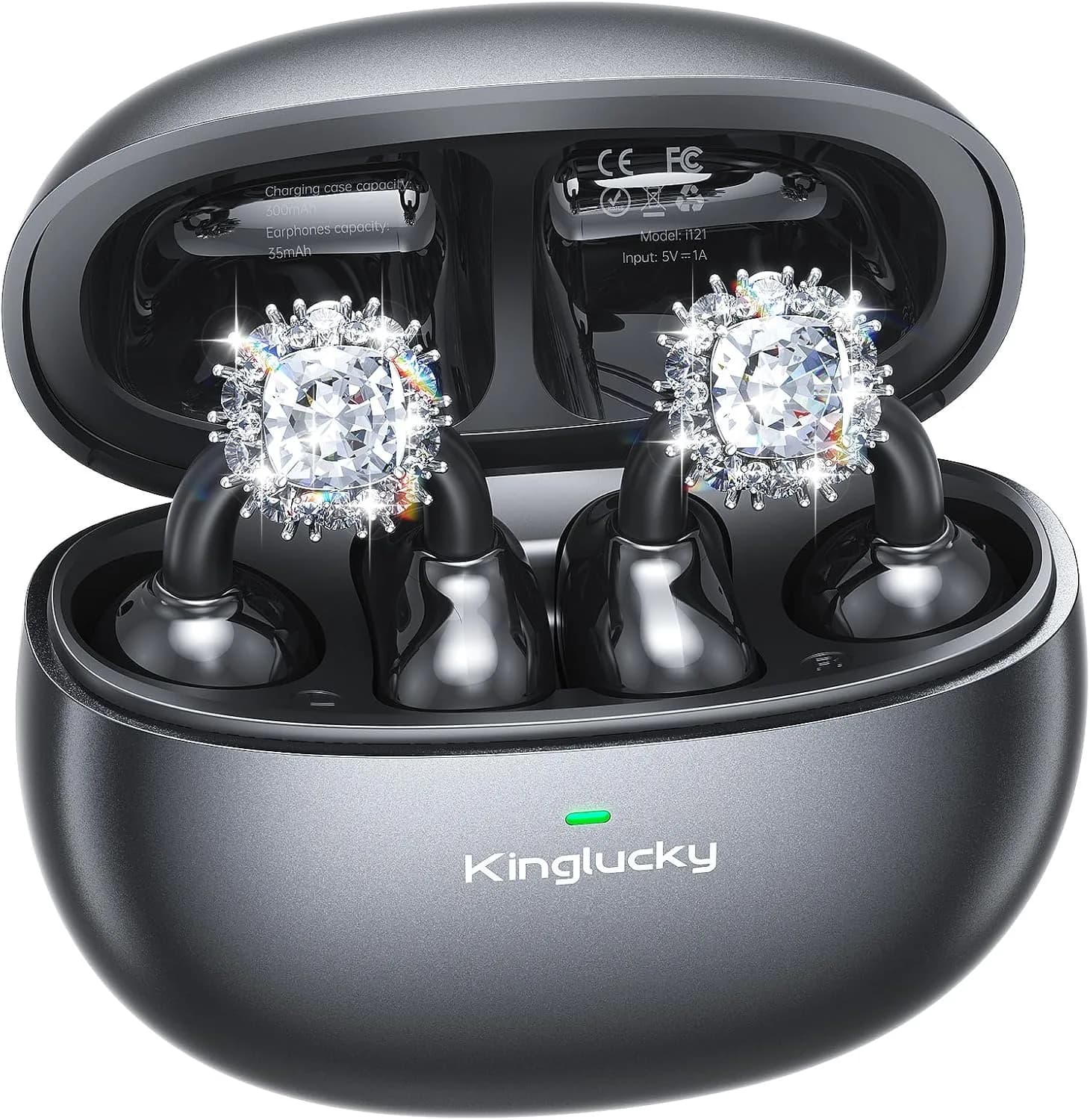
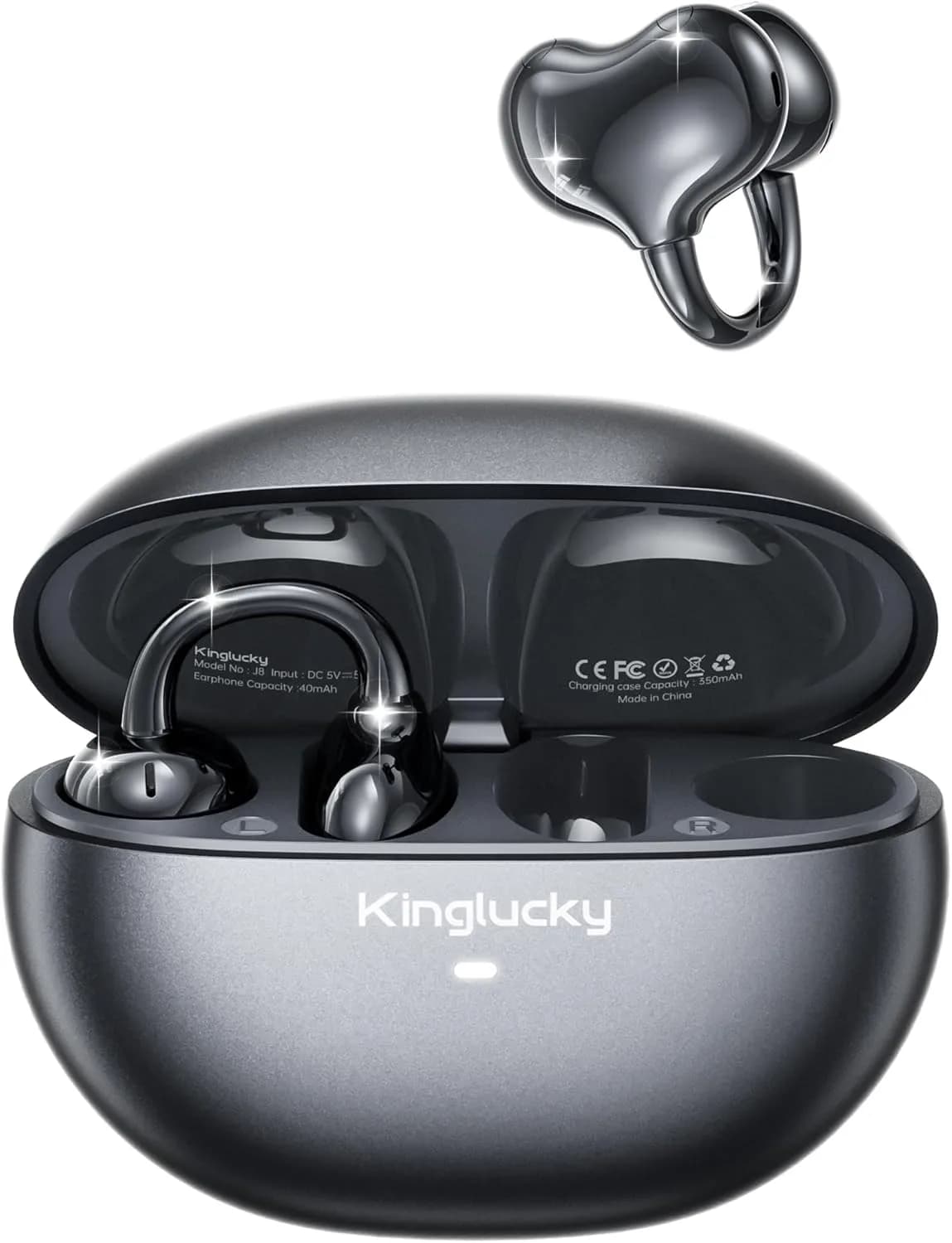
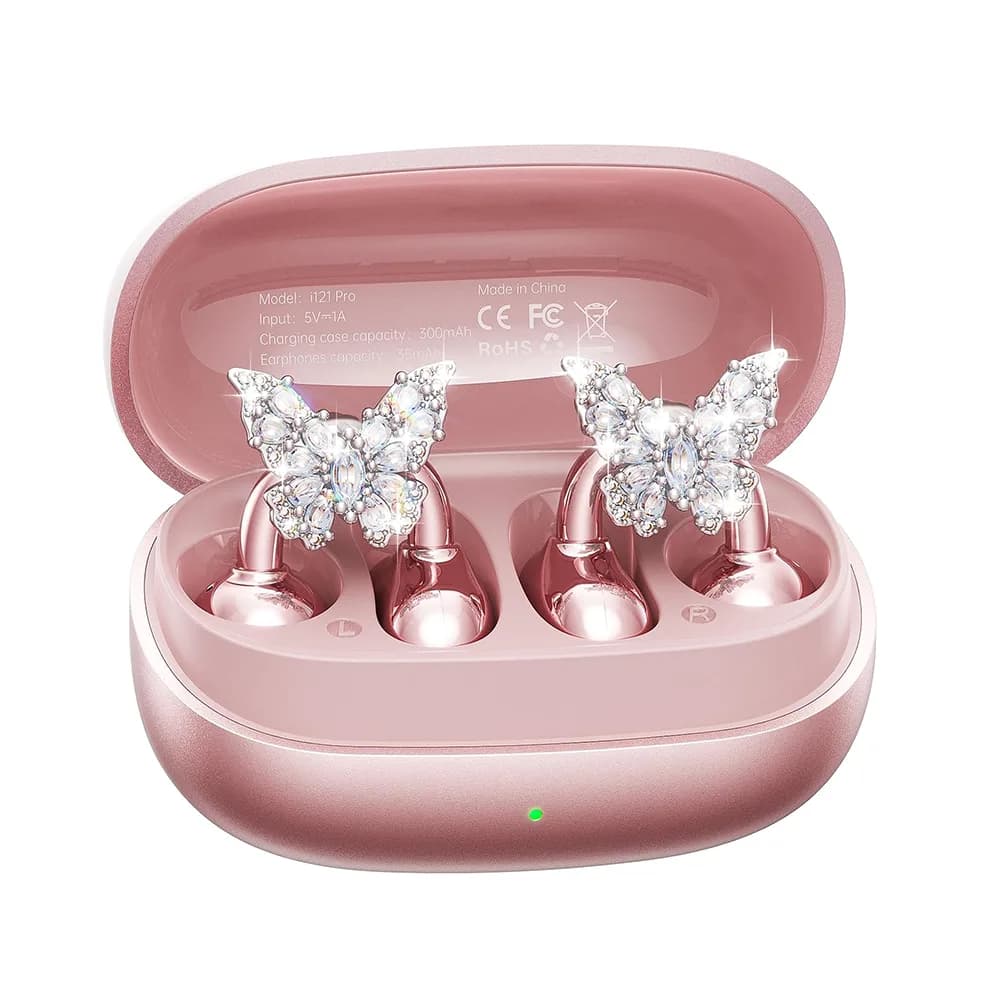
Loudest Open Ear Headphones
loudest open ear headphones: science, tests, and safe choices
When people ask about the loudest open ear headphones, they usually mean “How well can I hear in the real world without sealing my ears?” Loudness is not just max volume; it’s perceived clarity against wind, traffic, and chatter—while staying within safe listening limits. This guide explains open ear headphone volume, a simple home test, and how to pick a model for running, commuting, office calls, and more.
Quick Answer: How loud can the loudest open ear headphones get?
Air-conduction open-ear sets typically feel moderately loud; bone-conduction is often a touch lower in perceived volume than sealed in-ear buds. The “loudest” is capped by open design leakage and safety thresholds. Extra headroom helps in wind, traffic, or brief noisy commutes, but loud ≠ better—clarity and safe exposure matter more than raw max.
What “Loud” Actually Means (SPL, Gain, Sensitivity)
SPL (sound pressure level) is measured in decibels (dB) at or near your ear. Driver sensitivity (e.g., dB/mW) indicates how much output a driver delivers for a given electrical input. Max input power and amplifier gain define the ceiling. Open-ear designs deliberately leak; some acoustic energy escapes, so perceived loudness drops faster outdoors than with sealed in-ears.
Why open-ear feels quieter outside
With no seal, ambient noise (wind, engines, crowd) mixes with your audio. You can raise volume, but leakage remains, so perceived loudness improves only to a point. This is the core of “how loud are open ear headphones”—environment matters as much as hardware.
Mini glossary
- SPL: sound intensity in dB at a point.
- dB(A): A-weighted dB approximating human hearing sensitivity.
- dB SPL: explicit SPL notation; higher = louder.
- THD: total harmonic distortion; often rises at higher output.
- ENC: environmental noise canceling for microphones (helps callers hear you).
- Air conduction: mini speakers aim sound toward the ear without sealing.
- Bone conduction: transducers vibrate the cheekbone; strong awareness, lighter bass/loudness.
Testing Protocol for Loudness (Buyer-Friendly)
Use this replicable method to compare open ear headphone volume at home. Treat results as comparative, not lab-grade.
- Play a pink noise track normalized to −12 LUFS from your usual phone or laptop.
- Measure at 50%, 75%, and 100% device volume.
- Use a free SPL app. For air-conduction, hold the phone mic about 1 cm from the driver outlet; for bone conduction, place the mic near the cheekbone contact (don’t obstruct the transducer).
- Take three readings per step and average. Compare models by differences, not absolute numbers—phone SPL apps vary.
- Repeat outdoors (quiet street vs breezy sidewalk) to see how environment alters perceived loudness.
Reality check: Trains, buses, or 20–30 mph wind can create 70–80 dB(A)+ ambient noise. Even the “loudest” open-ear set may struggle; isolation, not volume, becomes the bottleneck.
Loudness vs. Sound Quality vs. Safety (Trade-off Triangle)
More output isn’t free. Pushing drivers harder can raise THD, smear detail, and increase harshness. With open-ear, higher levels also mean more leakage, which hurts privacy in quiet offices. For open ear safety volume, widely cited public guidance from health and standards bodies recommends keeping everyday listening around ~70–85 dB(A) and limiting time as levels rise. Take breaks; this is general advice, not medical.
When You Actually Need More Headroom
- Running near traffic: brief volume headroom helps cut through road noise; awareness still leads. See open ear headphones for running and “best open ear headphones for running in traffic”.
- Outdoor workouts with wind: extra gain plus wind-tuned ports keeps vocals and cues intelligible.
- Lawn work / short noisy commutes: headroom preserves navigation prompts and voice notes.
Where “loudest” matters less: quiet offices, libraries, late-night home. There, clarity at moderate volume and low leak beat raw output. If you live on calls, compare open ear headphones with mic loud options that focus on beamforming and wind filtering.
Spec Signals that Hint at “Louder” Open-Ear
- Driver efficiency & sensitivity: higher dB/mW usually yields more output per watt.
- Enclosure/ducting: well-aimed acoustic channels reduce spill and lift perceived loudness.
- Amplifier headroom: some models cap gain via DSP to limit distortion; others allow short peaks.
- DSP limits: firmware may throttle max to protect drivers and ears.
- Codecs: AAC/LDAC don’t make audio “louder” by themselves; they preserve detail so you hear more at lower volume.
- Weight & stability: stable clip/ear-hook fits leak less during motion, improving perceived output.
- IP rating: sweat/wind resistance helps keep output consistent outdoors over time.
Comparison Table: Loudness-Relevant Factors
| Factor | Air-Conduction Open-Ear | Bone-Conduction Open-Ear | In-Ear (Baseline Ref.) |
|---|---|---|---|
| Perceived Max Loudness | Medium–High (environment-dependent) | Medium (awareness-first) | High (sealed) |
| Noise Handling (Wind/Traffic) | Good with wind-tuned ports | Fair; less wind-sensitive | Good; seal helps |
| THD at High Volume | Can rise; DSP-dependent | Can rise; bass limited | Lower if drivers are capable |
| Leakage in Quiet Rooms | Noticeable at 70%+ | Noticeable at 70%+ | Low |
| Comfort >1 hour | Very good; no canal seal | Very good; no canal seal | Good; possible ear-canal fatigue |
| Mic Clarity in Wind | Good with ENC meshes | Good with ENC; placement helps | Good; mics are sheltered |
| Battery at 70–80% Volume | Moderate–Strong (model-dependent) | Moderate | Strong |
Decision Flow (Text-Only)
- Do you run near traffic? → Prioritize headroom + stable fit; air-conduction with wind tuning.
- Mostly office calls? → Mic array + low leakage over raw loudness; see best open ear headphones with mic.
- Sensitive ears? → Pick models that stay clear at moderate volume.
- Wear glasses? → Comfort/contact first; loudness second. Learn basics: what are open ear headphones.
Buyer’s Checklist (Loudness-Centric)
- Battery at real 70–80% volume: commuters should target ≥8 hours.
- ENC + wind filtering: for speech clarity at moderate levels outdoors.
- Weight under ~35 g per side (air-conduction typical) for stability and consistent output.
- Quick charge: ~10 minutes → ≥1 hour playback to avoid maxing volume due to battery anxiety.
- Return policy & warranty: verify fit and perceived loudness on your real routes.
Myths & Misconceptions About “Loudest”
- “Bone conduction is always quieter/louder.” Not always; it depends on driver efficiency, fit, and environment.
- “Higher codec bitrate = louder.” Bitrate affects fidelity more than volume; better detail can make lower levels feel clearer.
- “Max volume is safe if it’s open-ear.” Open designs don’t guarantee safe exposure. Keep levels moderate and limit time.
FAQs
How can I increase perceived loudness safely?
Improve fit/stability, reduce wind exposure, and apply a gentle low-bass EQ lift. Keep volumes moderate and take breaks.
What’s best for running near traffic?
Air-conduction with wind-tuned ports and secure hooks. Loudness helps briefly; awareness and fit matter more.
Do open-ear headphones leak too much?
At 70%+ volume, some leak is audible in quiet rooms. Lower volume or use in-ears when privacy is critical.
Are open-ear headphones with mic loud on calls?
Your caller hears mic clarity, not your playback level. Choose strong beamforming and wind filtering.
Does wearing glasses affect loudness?
If frames disturb placement, leakage rises and loudness drops. Look for rounded hooks and adjustable contact points.
Does high volume drain battery faster?
Yes. Expect shorter life at sustained 70–100% volume; check endurance at your typical level.
What about wind noise?
Wind masks audio and overloads mics. Pick models with anti-wind meshes and turn your head slightly leeward.
Is there a safe listening baseline?
Many public guidelines suggest everyday listening around 70–85 dB(A) and limiting time as levels rise. This is general advice, not medical.
Further Reading & Source Types (E-E-A-T)
Consult reputable sources such as audiology associations on safe listening, consumer standards bodies for exposure guidance and measurement methods, and telecom specifications covering microphone tests and speech intelligibility. These help interpret “open ear vs bone conduction loudness” and “open ear headphones for noisy environments” responsibly.
Conclusion: The loudest open ear headphones balance headroom with clarity, stability, and safety. If you need bursts of volume for wind or traffic, choose efficient air-conduction designs with wind tuning and a secure fit; for offices, prioritize mic arrays and low leakage. Explore our guides to comfortable open ear headphones and best open ear headphones with mic for next steps.
Responsible listening note: Keep volumes moderate, limit time at higher levels, and take breaks—especially in noisy environments. This is not medical advice.
Recommended Products