Are Open-Ear Headphones Less Damaging?
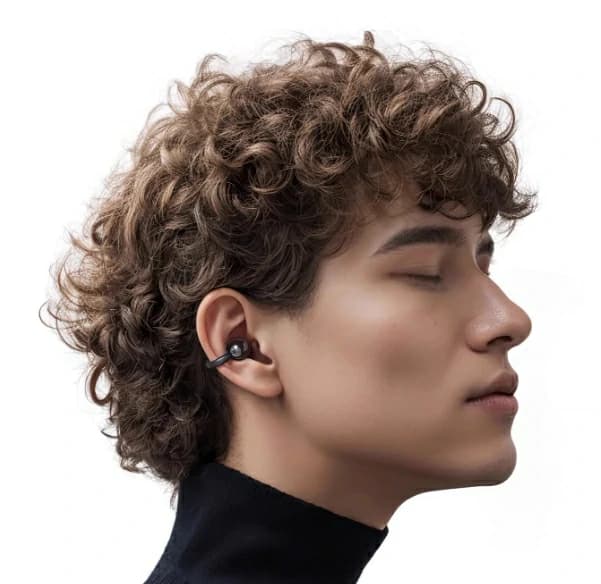
In today’s techdriven world, headphones are indispensable—whether for Zoom meetings, gym sessions, or relaxing with music. But as our reliance on audio devices grows, so do concerns about longterm hearing damage. Enter openear headphones, a design that promises a safer listening experience by avoiding direct ear canal contact. But do they truly reduce risks compared to traditional earbuds or overear models? This comprehensive guide explores the science, benefits, limitations, and best practices to help you make informed decisions about your auditory health.
The Rising Problem of NoiseInduced Hearing Loss
Before diving into openear technology, it’s critical to understand the stakes. According to the World Health Organization (WHO), over 1.1 billion young people risk permanent hearing loss from unsafe audio device use. The primary culprit? Prolonged exposure to volumes above 85 decibels (dB)—equivalent to heavy city traffic. Traditional headphones, especially inear models, exacerbate this risk by sealing the ear canal, creating pressure on the eardrum, and encouraging users to crank up volumes to drown out ambient noise.
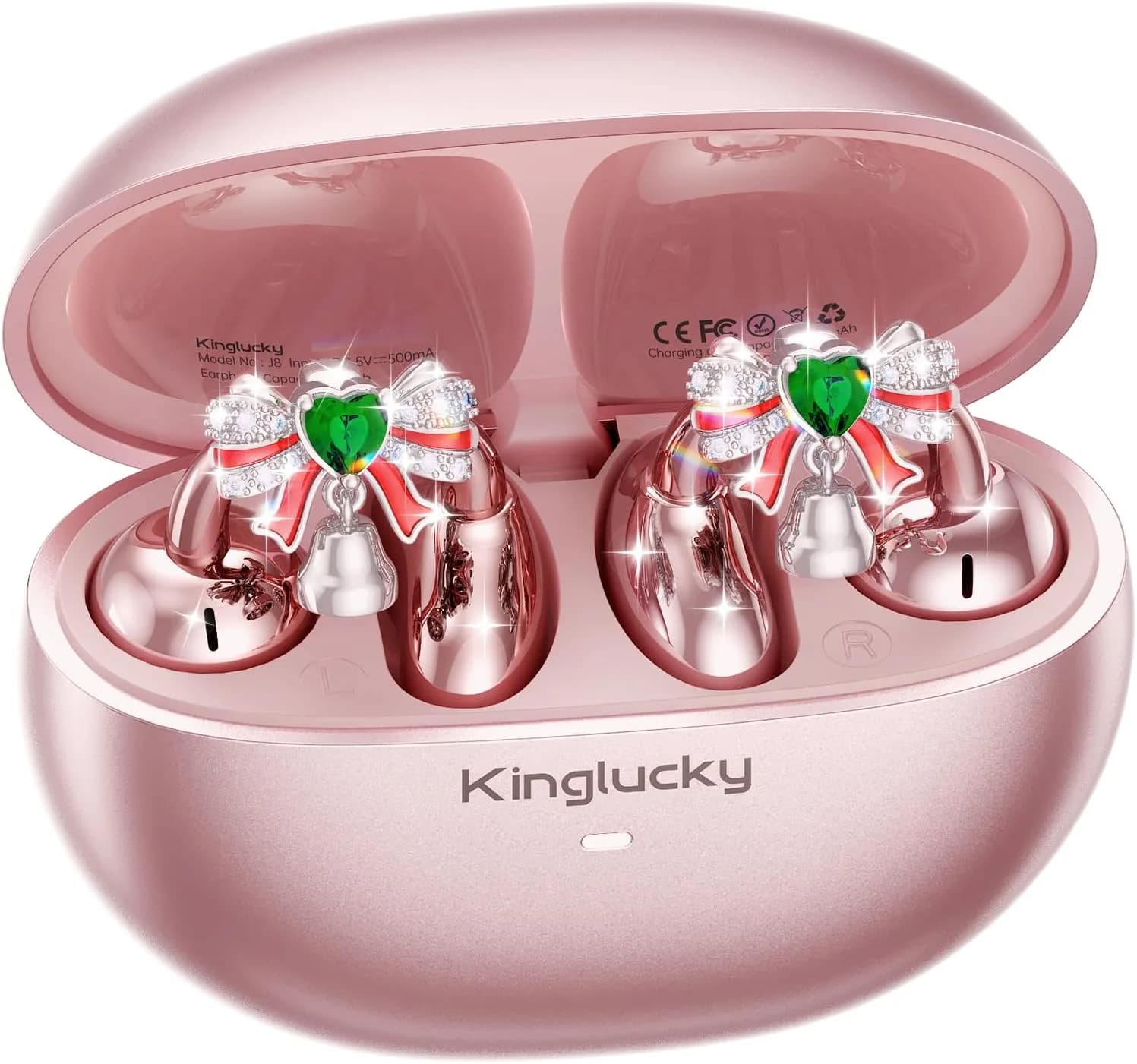
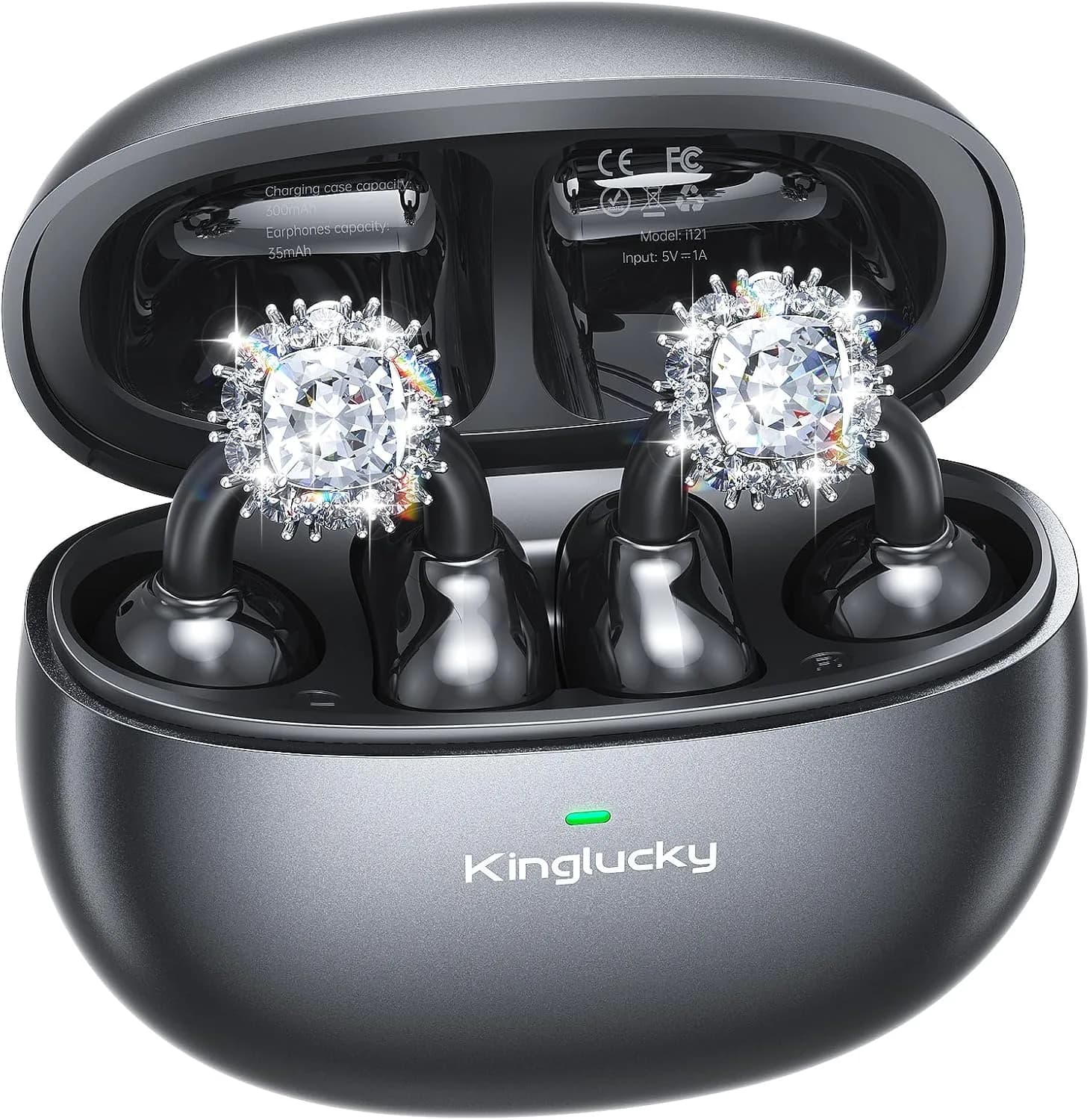
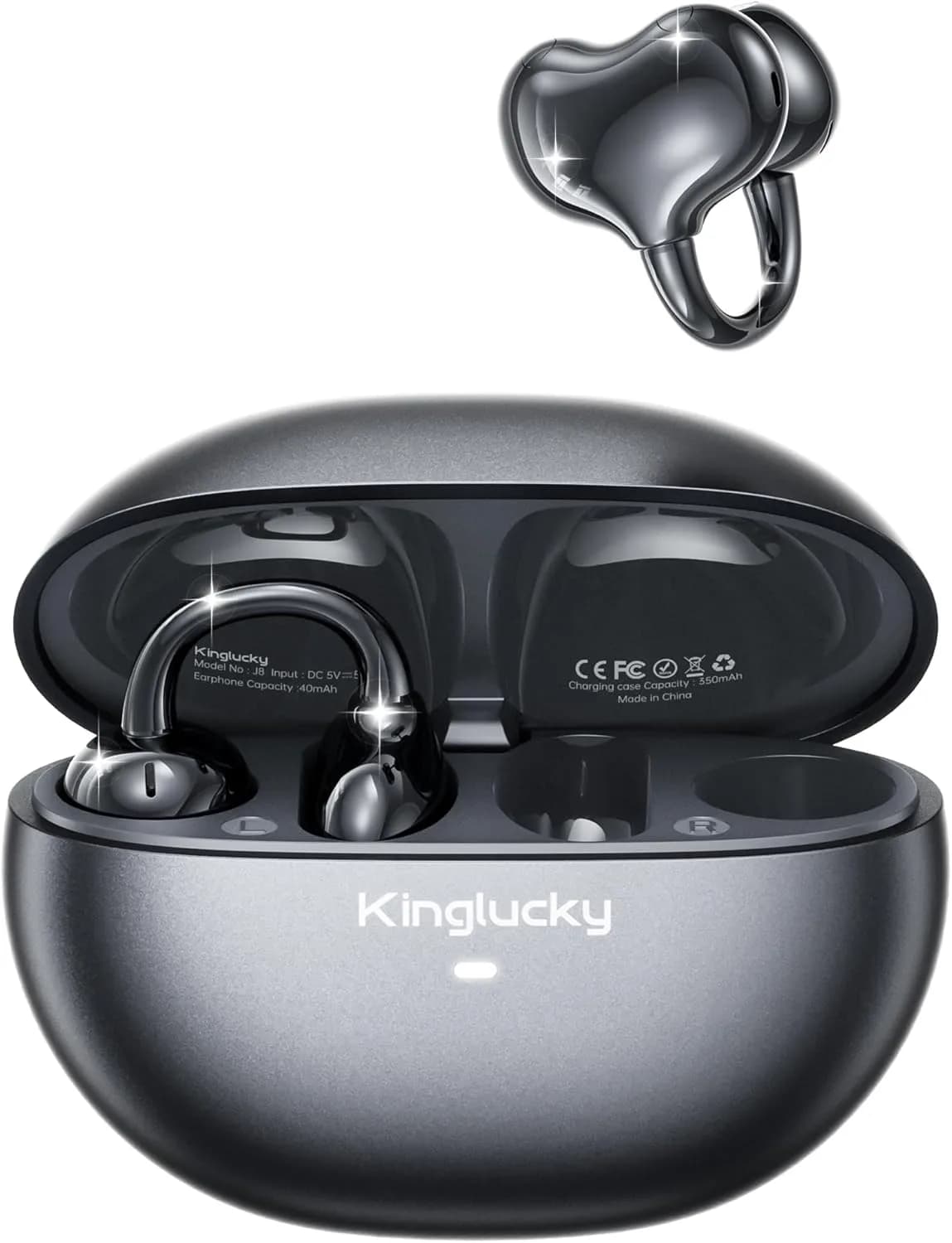
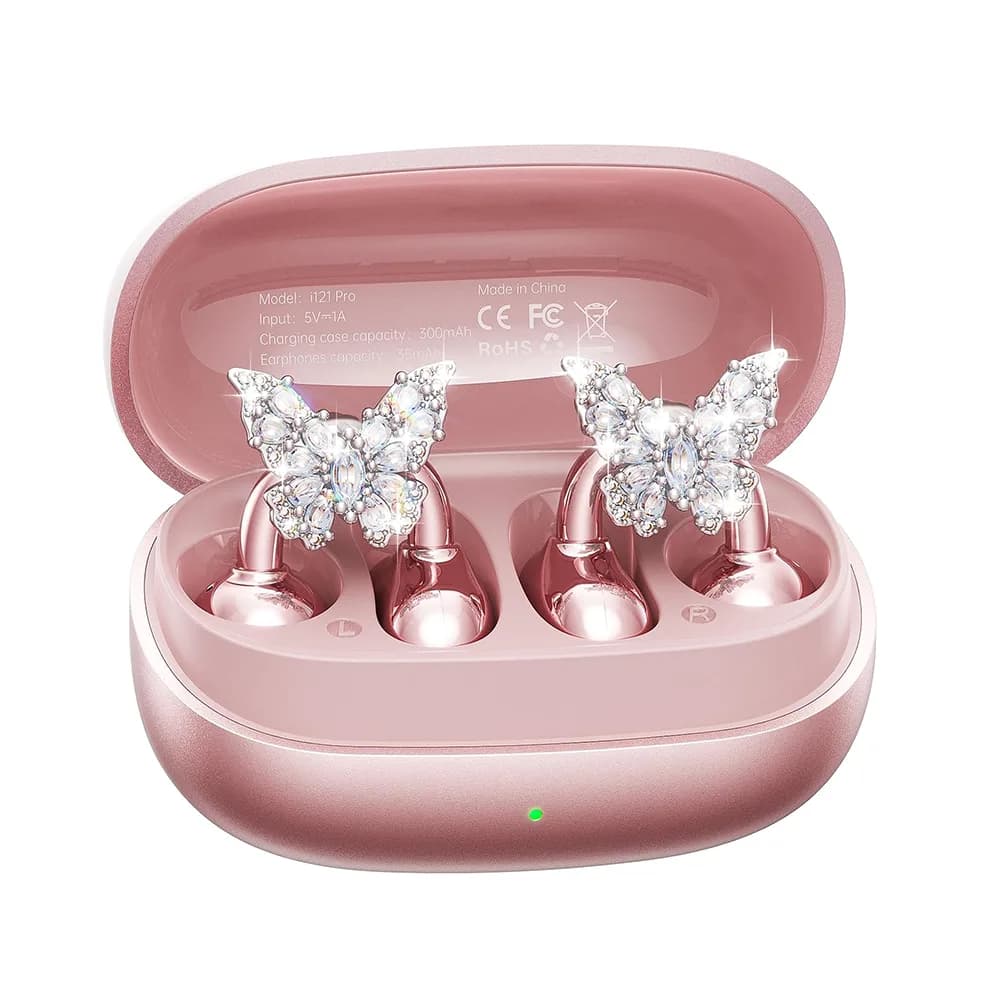
1. NonInvasive Earphones: These rest outside the ear canal, often using mini speakers to direct sound toward the ear without physical insertion. Think of them as tiny speakers hovering near your ears.
2. Bone Conduction Headphones: These sit on the cheekbones and transmit sound vibrations through the skull directly to the inner ear (cochlea), bypassing the eardrum entirely.
Both designs share a key feature: they leave the ear canal open, allowing environmental sounds to mix with audio. This contrasts sharply with noisecanceling or closedback headphones, which isolate users from their surroundings.

1. Volume Overcompensation
In loud environments (e.g., airports, construction zones), users might raise volumes to overpower background noise, defeating the purpose of openear designs. A 2023 survey by the National Hearing Conservation Association found that 30% of openear users exceeded 85 dB in noisy settings.
2. Sound Quality TradeOffs
Without a sealed ear canal, bass frequencies often lack punch, and audio clarity can suffer in windy conditions. This might frustrate audiophiles or those prioritizing immersive sound.
3. Bone Conduction Discomfort
Some users report vibrations from bone conduction models causing mild headaches or jaw fatigue during extended use. However, newer designs with softer materials are mitigating this issue.
4. LongTerm Exposure Risks
Even at moderate volumes, listening for 8+ hours daily can strain auditory nerves. The WHO emphasizes that duration matters as much as volume—a factor many users overlook.
A 2022 study in the Journal of Audiology tracked 200 participants using openear vs. closedear headphones for six months. The openear group showed 23% less highfrequency hearing loss—a key marker of noise damage.
Conversely, a 2023 metaanalysis in Ear and Hearing noted that bone conduction devices could cause temporary tinnitus if used above 80% volume for over two hours.
The American SpeechLanguageHearing Association (ASHA) confirms that ambient sound integration reduces volume cravings, calling openear designs “a step forward in preventive audiology.”
1. Adopt the 60/60 Rule
Keep volume below 60% and limit sessions to 60 minutes before taking a 510 minute break. Use smartphone apps like NIOSH Sound Level Meter to monitor decibel exposure.
2. Avoid “Volume Creep” in Noisy Areas
If you’re in a loud space (e.g., a subway), pause your audio instead of raising the volume. Consider using earplugs with noninvasive openear models to reduce ambient noise interference.
3. Prioritize Fit and Comfort
Poorly fitting openear headphones cause sound leakage, tempting you to increase volume. Look for adjustable straps, silicone grips, or lightweight materials (under 30 grams).
4. Schedule Regular Hearing CheckUps
Even with precautions, annual audiogram tests can detect early signs of hearing loss. Look for dips at 4,0006,000 Hz—a common red flag for noise damage.
5. Nighttime Use Caution
Avoid falling asleep with any headphones, as prolonged pressure or accidental volume spikes can harm your ears.

Runners, cyclists, and outdoor enthusiasts needing situational awareness.
Office workers in quiet environments who want to hear colleagues.
People with sensitive ear canals or recurring ear infections.
Not Recommended For:
Construction workers or others in extremely loud settings.
Audiophiles seeking deep bass or immersive soundscapes.
Individuals with severe hearing loss (bone conduction models may not suffice).
For context, no headphone is 100% safe at excessive volumes or durations. Think of openear models as a tool within a broader hearing protection strategy—one that includes regular breaks, volume monitoring, and professional hearing assessments.
The Rising Problem of NoiseInduced Hearing Loss
Before diving into openear technology, it’s critical to understand the stakes. According to the World Health Organization (WHO), over 1.1 billion young people risk permanent hearing loss from unsafe audio device use. The primary culprit? Prolonged exposure to volumes above 85 decibels (dB)—equivalent to heavy city traffic. Traditional headphones, especially inear models, exacerbate this risk by sealing the ear canal, creating pressure on the eardrum, and encouraging users to crank up volumes to drown out ambient noise.How OpenEar Headphones Work: A Breakdown
Openear headphones come in two primary designs:1. NonInvasive Earphones: These rest outside the ear canal, often using mini speakers to direct sound toward the ear without physical insertion. Think of them as tiny speakers hovering near your ears.
2. Bone Conduction Headphones: These sit on the cheekbones and transmit sound vibrations through the skull directly to the inner ear (cochlea), bypassing the eardrum entirely.
Both designs share a key feature: they leave the ear canal open, allowing environmental sounds to mix with audio. This contrasts sharply with noisecanceling or closedback headphones, which isolate users from their surroundings.
Why OpenEar Designs May Reduce Hearing Damage
1. Lower Volume Dependency
The human ear evolved to process sound in open environments. Traditional headphones disrupt this by blocking ambient noise, forcing users to raise volumes to unsafe levels (often 90100 dB). Openear models, however, let in background sounds like conversations or traffic, which naturally discourages excessive volume. A 2021 study in Hearing Research found that openear users listened at 1520% lower volumes on average compared to inear users in noisy settings.2. Reduced Pressure on the Eardrum
Inear headphones create a “sealed” environment, amplifying bass frequencies and increasing air pressure against the eardrum. Over time, this can lead to temporary threshold shifts (muffled hearing) or even hyperacusis (sensitivity to sound). Openear designs eliminate this pressure, reducing mechanical stress on delicate ear structures.3. Avoiding the Occlusion Effect
Ever felt like your voice sounds “boomy” when wearing earbuds? That’s the occlusion effect—a phenomenon where blocked ear canals amplify lowfrequency body noises (e.g., chewing, footsteps). Openear headphones sidestep this issue, providing a more natural soundscape and reducing listener fatigue during long sessions.4. Enhanced Situational Awareness
Safety is a hidden benefit. By allowing environmental noise, openear headphones help users stay alert to hazards like approaching vehicles or emergency alarms. This is particularly valuable for runners, cyclists, or workers in busy environments.Potential Risks and Limitations of OpenEar Headphones
While promising, these devices aren’t a perfect solution. Key drawbacks include:1. Volume Overcompensation
In loud environments (e.g., airports, construction zones), users might raise volumes to overpower background noise, defeating the purpose of openear designs. A 2023 survey by the National Hearing Conservation Association found that 30% of openear users exceeded 85 dB in noisy settings.
2. Sound Quality TradeOffs
Without a sealed ear canal, bass frequencies often lack punch, and audio clarity can suffer in windy conditions. This might frustrate audiophiles or those prioritizing immersive sound.
3. Bone Conduction Discomfort
Some users report vibrations from bone conduction models causing mild headaches or jaw fatigue during extended use. However, newer designs with softer materials are mitigating this issue.
4. LongTerm Exposure Risks
Even at moderate volumes, listening for 8+ hours daily can strain auditory nerves. The WHO emphasizes that duration matters as much as volume—a factor many users overlook.
Scientific Evidence: What Studies Reveal
Research on openear headphones is still emerging, but early findings are encouraging:A 2022 study in the Journal of Audiology tracked 200 participants using openear vs. closedear headphones for six months. The openear group showed 23% less highfrequency hearing loss—a key marker of noise damage.
Conversely, a 2023 metaanalysis in Ear and Hearing noted that bone conduction devices could cause temporary tinnitus if used above 80% volume for over two hours.
The American SpeechLanguageHearing Association (ASHA) confirms that ambient sound integration reduces volume cravings, calling openear designs “a step forward in preventive audiology.”
OpenEar vs. Other Headphone Types: A Comparative Guide
To contextualize their safety, let’s compare openear headphones to common alternatives:| Feature | Open-Ear | In-Ear | Over-Ear (Closed-Back) |
| Ear Canal Pressure | None | High | Moderate |
| Volume Habits | Lower (60-70 dB) | Higher (75-90 dB) | Variable |
| Situational Awareness | High | None | Low |
| Bass Response | Moderate | Strong | Strong |
| Best For | Outdoor activities | Noise isolation | Studio monitoring |
Best Practices for Safe Listening with OpenEar Headphones
Maximize their benefits with these evidencebased tips:1. Adopt the 60/60 Rule
Keep volume below 60% and limit sessions to 60 minutes before taking a 510 minute break. Use smartphone apps like NIOSH Sound Level Meter to monitor decibel exposure.
2. Avoid “Volume Creep” in Noisy Areas
If you’re in a loud space (e.g., a subway), pause your audio instead of raising the volume. Consider using earplugs with noninvasive openear models to reduce ambient noise interference.
3. Prioritize Fit and Comfort
Poorly fitting openear headphones cause sound leakage, tempting you to increase volume. Look for adjustable straps, silicone grips, or lightweight materials (under 30 grams).
4. Schedule Regular Hearing CheckUps
Even with precautions, annual audiogram tests can detect early signs of hearing loss. Look for dips at 4,0006,000 Hz—a common red flag for noise damage.
5. Nighttime Use Caution
Avoid falling asleep with any headphones, as prolonged pressure or accidental volume spikes can harm your ears.
Who Should (and Shouldn’t) Use OpenEar Headphones?
Ideal For:Runners, cyclists, and outdoor enthusiasts needing situational awareness.
Office workers in quiet environments who want to hear colleagues.
People with sensitive ear canals or recurring ear infections.
Not Recommended For:
Construction workers or others in extremely loud settings.
Audiophiles seeking deep bass or immersive soundscapes.
Individuals with severe hearing loss (bone conduction models may not suffice).
The Verdict: Are OpenEar Headphones Truly Safer?
Openear headphones offer a measurable reduction in hearing damage risks—if used mindfully. Their design inherently promotes lower volumes, reduces eardrum pressure, and keeps users connected to their environment. However, they’re not a “setandforget” solution. Risks like volume overcompensation or prolonged use still require active management.For context, no headphone is 100% safe at excessive volumes or durations. Think of openear models as a tool within a broader hearing protection strategy—one that includes regular breaks, volume monitoring, and professional hearing assessments.
Recommended Products