
Can I Take a Bluetooth Speaker on a Plane? A Comprehensive Guide for Travelers
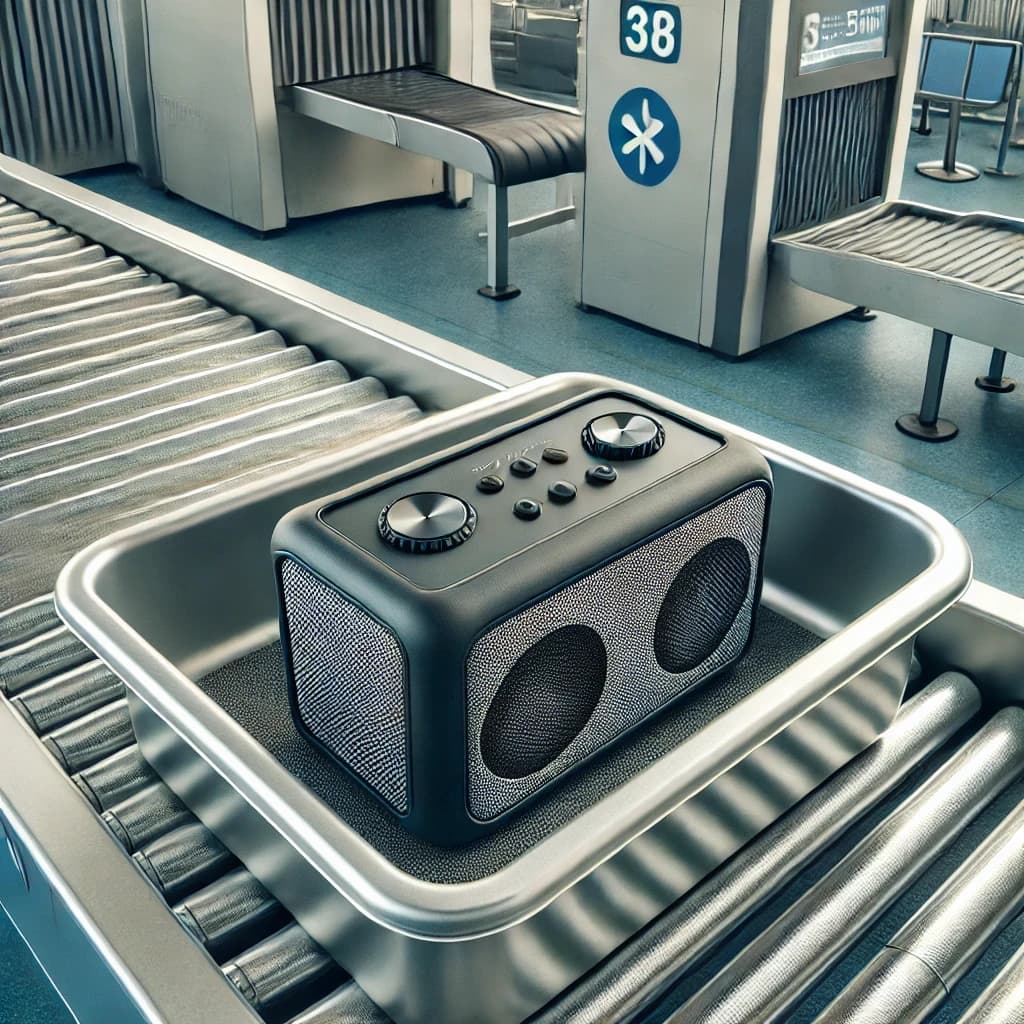
Traveling with your favorite gadgets can make your journey much more enjoyable. For many, a Bluetooth speaker is an essential travel accessory that enhances the travel experience—whether it’s for enjoying music in your hotel room or adding ambiance during a layover. However, a common question among travelers is: “Can I take a Bluetooth speaker on a plane?” In this comprehensive guide, we explore all aspects of carrying a Bluetooth speaker while flying, including regulations, safety tips, packaging advice, and frequently asked questions. By the end of this article, you’ll have a clear understanding of how to travel safely and in compliance with airline and airport security guidelines.
Understanding Airline and TSA Regulations for Electronic Devices

Before boarding a flight with your Bluetooth speaker, it’s important to understand the relevant regulations for carrying electronic devices—especially those powered by lithium-ion batteries. Both airline policies and security agencies, such as the Transportation Security Administration (TSA) in the United States, have specific guidelines for handling such devices.
Before you travel, always review your airline’s specific regulations on electronic devices to avoid any last-minute surprises at the airport.
Lithium-Ion Battery Safety: What You Need to Know

Bluetooth speakers are powered by lithium-ion batteries, which, while efficient, require careful handling. Understanding the associated risks and recommended safety measures is critical for air travel.
How to Pack Your Bluetooth Speaker for Air Travel

Proper packaging can help protect your Bluetooth speaker from physical damage and ensure that it meets airline regulations. Here are some recommended strategies for both carry-on and checked baggage.
In-Flight Usage: Can You Use Your Bluetooth Speaker on the Plane?

Even if you can legally carry your Bluetooth speaker onto the plane, using it during the flight is another matter. Airlines have strict regulations to ensure the safety and comfort of all passengers.
Differences Between Domestic and International Flights

Travel regulations for electronic devices can vary between domestic and international flights. Understanding these differences can help you prepare accordingly.
While you can pack your Bluetooth speaker in checked luggage, it is strongly recommended to carry it in your hand luggage due to the risks associated with lithium-ion batteries. If you must check it, ensure the device is completely powered off, securely packaged with cushioning, and clearly labeled.
Most airlines require that all electronic devices, including Bluetooth speakers, remain off during takeoff, landing, and often during the flight itself. Even if permitted during cruising, using a Bluetooth speaker in a confined space may disturb other passengers. Always follow the crew’s instructions regarding device usage.
If TSA or security personnel request further information, calmly provide any documentation or product details you have. Explaining that the device is a Bluetooth speaker with a lithium-ion battery—and outlining your precautions—usually resolves any concerns.
Yes, some devices with batteries exceeding a certain capacity may require special handling or additional documentation. Always check your device’s battery specifications and verify that they meet airline and TSA guidelines before traveling.
Given that aviation safety rules and electronic device regulations are periodically updated, staying informed is crucial. Consider the following resources for up-to-date information:
Regularly reviewing these sources before your trip can help prevent any surprises at the airport.
Know the Regulations: Always familiarize yourself with TSA guidelines and your specific airline’s policies concerning electronic devices with lithium-ion batteries.
Prefer Carry-On Over Checked Luggage: Due to safety concerns associated with lithium-ion batteries, it is best to carry your Bluetooth speaker in your hand luggage.
Ensure Device Safety: Power off your speaker, secure battery terminals, and use protective packaging to reduce the risk of damage during travel.
Follow In-Flight Instructions: Abide by airline instructions regarding the use of electronic devices during takeoff, landing, and cruising phases.
Stay Informed: Regulations may change, so keep up-to-date with official resources before each flight.
Introduction to Bluetooth Speakers
What is a Bluetooth Speaker?
A Bluetooth speaker is a portable, wireless audio device that connects to smartphones, tablets, laptops, or other devices via Bluetooth technology. It is designed for convenience, ease of use, and enhanced sound quality in various settings—from home entertainment to outdoor adventures. Many travelers find Bluetooth speakers indispensable for playing music or podcasts while on the move.How Bluetooth Speakers Work
Bluetooth speakers operate by receiving audio signals via Bluetooth and converting them into sound. These devices generally contain built-in amplifiers and rechargeable lithium-ion batteries, which power the speaker. Given the reliance on lithium batteries, understanding the safety protocols and transportation guidelines for such devices is essential when flying.Understanding Airline and TSA Regulations for Electronic Devices
TSA Guidelines for Lithium-Ion Battery Devices
The TSA and similar international security agencies have set guidelines to ensure the safety of all passengers. For devices containing lithium-ion batteries, like Bluetooth speakers, here are some key points:- Carry-on Preference: The TSA generally recommends that all devices with lithium-ion batteries be carried in your hand luggage rather than checked in. This helps prevent potential hazards that could arise from battery damage during cargo handling.
- Battery Protection: Devices should be switched off before boarding. Additionally, the battery terminals should be protected to prevent accidental short-circuiting.
- Battery Capacity: If your Bluetooth speaker contains a high-capacity lithium battery, there might be additional restrictions. Always check the capacity rating to ensure it complies with airline policies.
Airline-Specific Policies
While most airlines allow passengers to carry Bluetooth speakers, some may have additional rules:- Carry-on vs. Checked Luggage: Many airlines advise carrying electronic devices in your hand luggage to facilitate easier inspection and handling.
- Device State During Flight: Airlines typically require that devices be turned off or placed in airplane mode during takeoff and landing to prevent interference with aircraft communications.
- Additional Documentation: Some carriers might require you to present product documentation if your device is flagged during security screening.
Before you travel, always review your airline’s specific regulations on electronic devices to avoid any last-minute surprises at the airport.
Lithium-Ion Battery Safety: What You Need to Know
Potential Risks of Lithium-Ion Batteries
Lithium-ion batteries have a high energy density, which makes them very efficient but also potentially hazardous if damaged. Key risks include:- Short-Circuiting: Physical damage to the battery can lead to a short circuit, which in extreme cases might cause a fire.
- Thermal Runaway: Overheating or physical damage can result in thermal runaway—a condition where the battery rapidly overheats and possibly ignites.
- Improper Charging: Using incompatible chargers or exposing the battery to extreme temperatures may increase the risk of malfunction.
Best Practices for Battery Safety
To minimize risks when carrying a Bluetooth speaker on a plane:- Keep the Device Off: Ensure your speaker is completely turned off during transport and storage.
- Secure the Battery Terminals: If possible, use protective covers on battery terminals or ensure that the device’s design inherently prevents short-circuiting.
- Inspect Regularly: Before traveling, inspect your speaker for any signs of damage, such as swelling or leakage, which may indicate battery issues.
How to Pack Your Bluetooth Speaker for Air Travel
Packing in Carry-On Luggage
Carrying your Bluetooth speaker in your hand luggage is usually the safest method. Consider these tips:- Use a Dedicated Compartment: Place your speaker in a dedicated pocket or a separate compartment within your bag. This makes it easier for security personnel to inspect.
- Protective Case: Invest in a sturdy, shock-absorbent case to protect your device from bumps and impacts.
- Easy Access: Keep the speaker easily accessible in case TSA agents require additional inspection or demonstration of safety features.
Packing in Checked Luggage
While it is generally recommended to carry electronic devices with lithium-ion batteries in your hand luggage, there might be cases where you need to pack your speaker in checked baggage. Follow these guidelines if you choose to do so:- Power Off and Secure: Ensure the speaker is turned off and, if possible, disconnect or secure any removable batteries.
- Cushioned Packaging: Use bubble wrap or padded cases to cushion the speaker. Place it in the center of your checked bag to minimize exposure to potential impacts.
- Label Your Bag: Consider adding a label to your bag indicating the presence of electronic devices with lithium-ion batteries. This can alert baggage handlers to handle the item with extra care.
In-Flight Usage: Can You Use Your Bluetooth Speaker on the Plane?
During Takeoff and Landing
Airlines enforce strict rules during critical flight phases, such as takeoff and landing. Generally, you should:- Turn Off the Device: Ensure your Bluetooth speaker remains powered off during these periods. This prevents any possibility of interference with the aircraft’s communication systems.
- Store Securely: Keep your speaker stowed safely in your carry-on until the flight crew signals that it is safe to use electronic devices.
While in Cruise Mode
Once the plane reaches cruising altitude, some airlines may allow the use of electronic devices in “airplane mode.” However, consider the following:- Follow Crew Instructions: Always adhere to the flight attendants’ guidelines regarding electronic device usage.
- Mind Your Neighbors: Using a Bluetooth speaker in the confined space of an airplane cabin can disturb fellow passengers. It is best to use headphones or wait until you are in a more private setting.
- Volume Control: If your airline permits using the speaker for personal entertainment, ensure the volume is kept at a low level to avoid noise complaints.
Differences Between Domestic and International Flights
Domestic Flights
For domestic flights within countries like the United States:- Standard TSA Rules: The TSA’s guidelines apply uniformly, meaning devices with lithium-ion batteries should be kept in carry-on luggage.
- Less Variation in Airline Policy: Most domestic airlines follow similar rules regarding electronic devices, making it simpler to comply.
- Easier Communication: It is generally easier to find information on domestic airline policies online or through customer service channels.
International Flights
International flights introduce additional considerations:- Varied Regulations: Each country may have its own regulations regarding electronic devices and lithium batteries. Check the guidelines of both the departure and destination countries.
- Multiple Carriers: If your itinerary involves multiple airlines (especially those belonging to different alliances), verify that all carriers allow you to carry your Bluetooth speaker.
- Documentation: In some cases, having product documentation or certification may expedite the screening process. This is especially useful if you’re traveling with a high-end or unusually large device.
Frequently Asked Questions (FAQ)
Below are some of the most common questions travelers have regarding taking a Bluetooth speaker on a plane, along with detailed answers.Can I Pack My Bluetooth Speaker in Checked Luggage?
Answer:While you can pack your Bluetooth speaker in checked luggage, it is strongly recommended to carry it in your hand luggage due to the risks associated with lithium-ion batteries. If you must check it, ensure the device is completely powered off, securely packaged with cushioning, and clearly labeled.
Is It Safe to Use My Bluetooth Speaker During the Flight?
Answer:Most airlines require that all electronic devices, including Bluetooth speakers, remain off during takeoff, landing, and often during the flight itself. Even if permitted during cruising, using a Bluetooth speaker in a confined space may disturb other passengers. Always follow the crew’s instructions regarding device usage.
What Should I Do If Security Requests Additional Information About My Device?
Answer:If TSA or security personnel request further information, calmly provide any documentation or product details you have. Explaining that the device is a Bluetooth speaker with a lithium-ion battery—and outlining your precautions—usually resolves any concerns.
Are There Differences in Regulations for High-Capacity Batteries?
Answer:Yes, some devices with batteries exceeding a certain capacity may require special handling or additional documentation. Always check your device’s battery specifications and verify that they meet airline and TSA guidelines before traveling.
Keeping Up with the Latest Policies and Regulations
Given that aviation safety rules and electronic device regulations are periodically updated, staying informed is crucial. Consider the following resources for up-to-date information:
- Official TSA Website: Visit the TSA website for the latest guidelines on carrying lithium-ion battery devices.
- Airline Websites: Check the official websites of your airlines (e.g., Delta, United, American Airlines) for their specific policies on electronic devices.
- International Aviation Authorities: For international travelers, resources like the International Air Transport Association (IATA) provide guidance on cross-border regulations.
Regularly reviewing these sources before your trip can help prevent any surprises at the airport.
Conclusion
In summary, yes, you can take a Bluetooth speaker on a plane provided you adhere to the guidelines established by airline carriers and security agencies such as the TSA. Here are the key takeaways from this guide:Know the Regulations: Always familiarize yourself with TSA guidelines and your specific airline’s policies concerning electronic devices with lithium-ion batteries.
Prefer Carry-On Over Checked Luggage: Due to safety concerns associated with lithium-ion batteries, it is best to carry your Bluetooth speaker in your hand luggage.
Ensure Device Safety: Power off your speaker, secure battery terminals, and use protective packaging to reduce the risk of damage during travel.
Follow In-Flight Instructions: Abide by airline instructions regarding the use of electronic devices during takeoff, landing, and cruising phases.
Stay Informed: Regulations may change, so keep up-to-date with official resources before each flight.