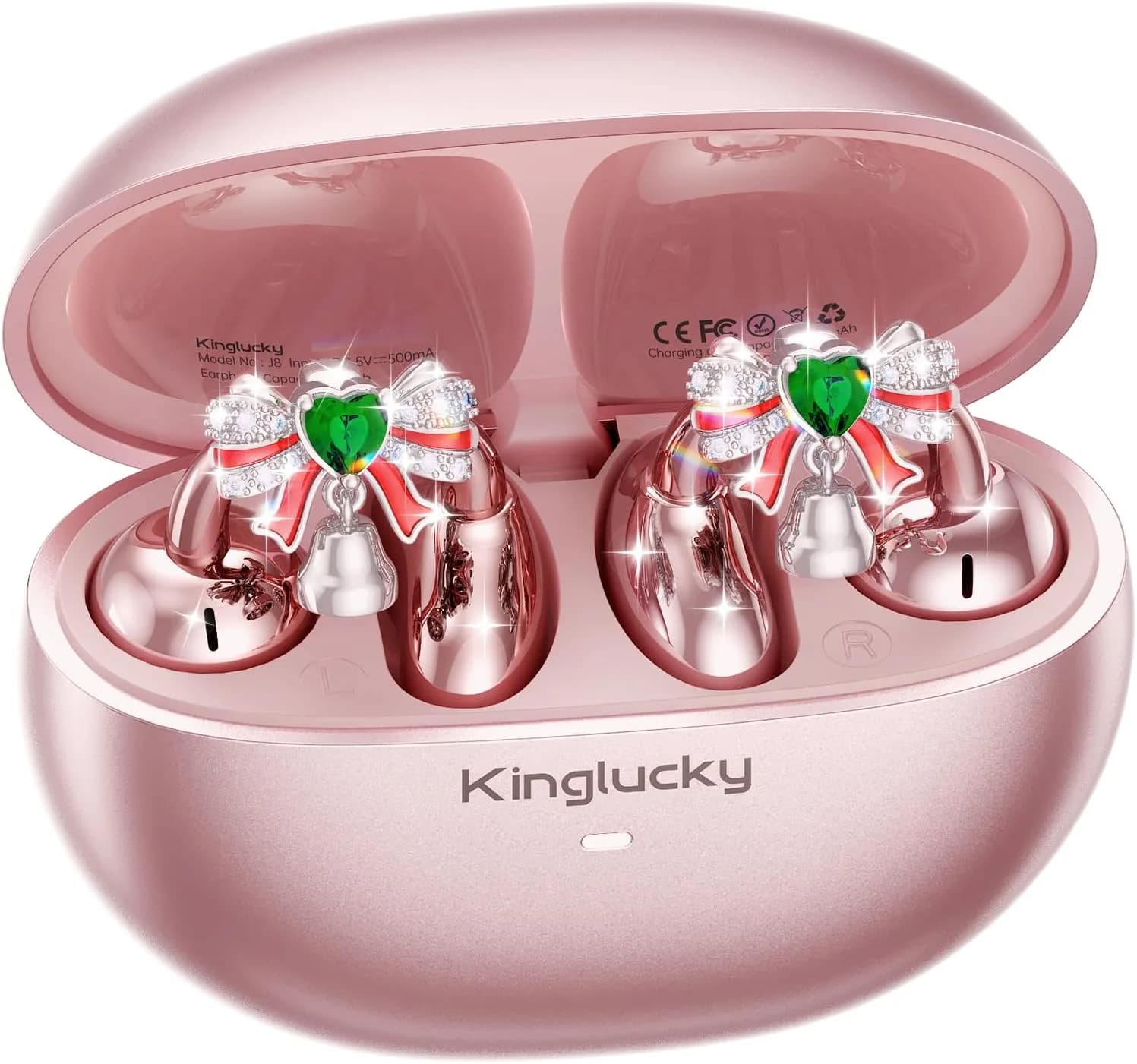
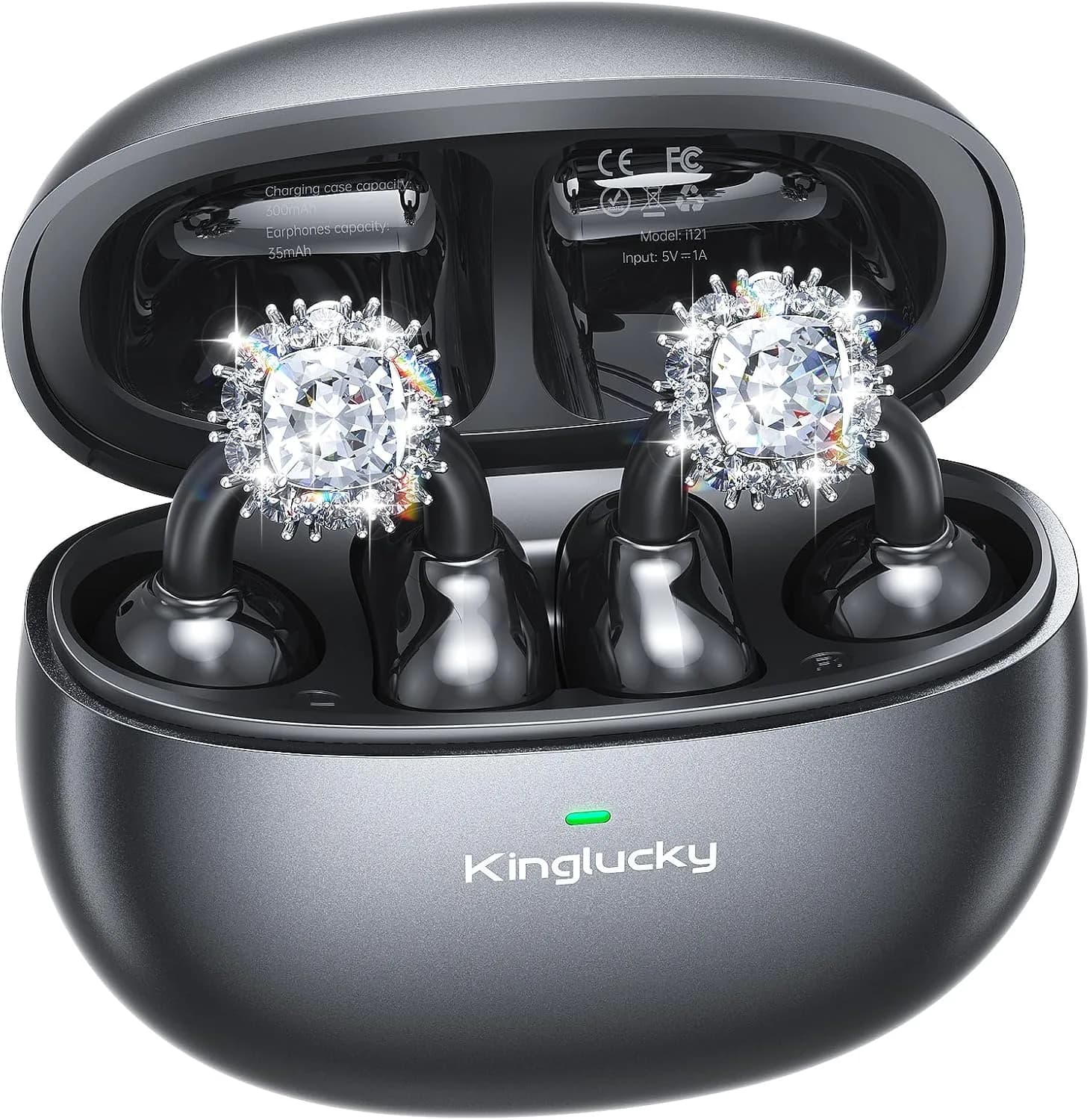
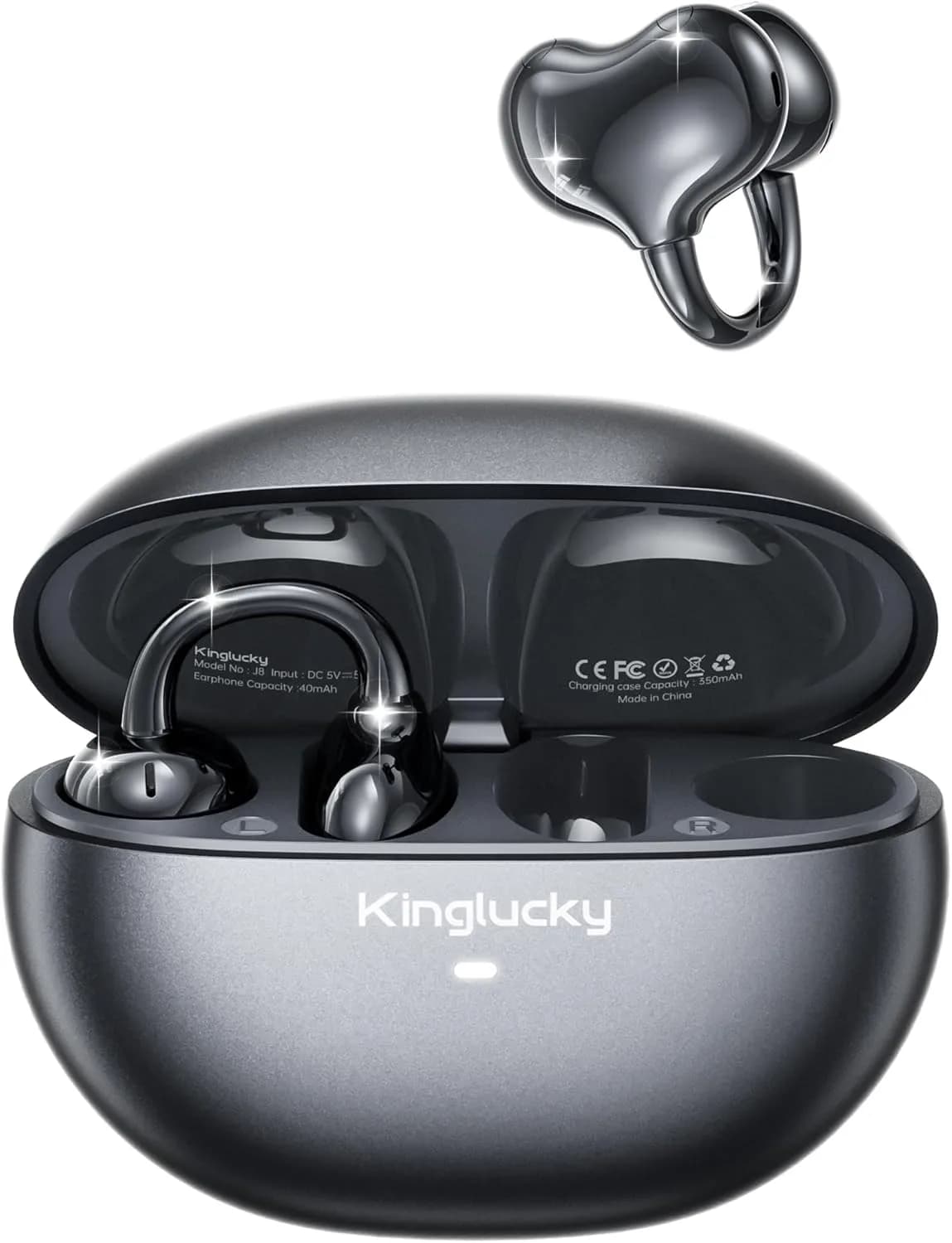
What Makes the Best Headphones for Running?
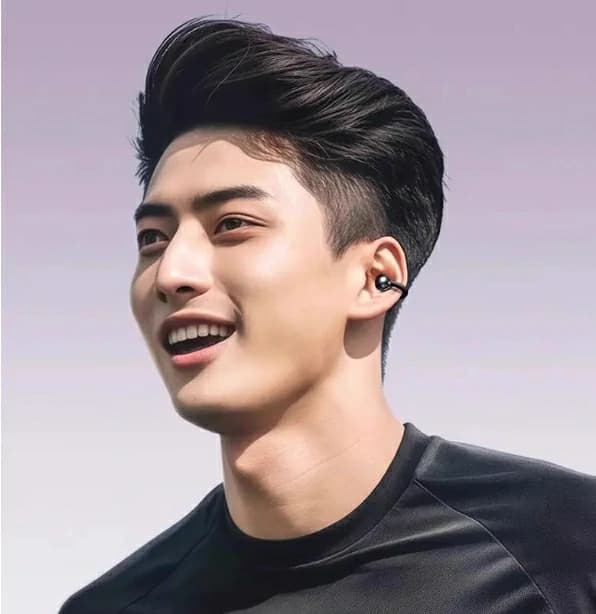
Running with headphones can transform a workout, providing motivation through music or podcasts while tracking performance metrics. However, not all headphones are created equal for dynamic activities like running. From sweat resistance to situational awareness, the ideal pair must balance safety, comfort, and audio quality. Among the various designs, Open Ear headphones have emerged as a top choice for runners—here’s why, and what else to prioritize when choosing your perfect workout companion.
1. Secure Fit: Stays put during sprints, jumps, and sudden movements.
2. Sweat and Weather Resistance: Withstands rain, humidity, and intense perspiration.
3. Situational Awareness: Allows ambient sounds for safety.
4. Comfort: No pressure points during long runs.
5. Battery Life: Matches your longest training sessions.
6. Audio Clarity: Clear vocals and wind noise reduction.
Traditional inear or noisecanceling headphones block environmental noise, which can be dangerous for outdoor runners. Open Ear designs, whether using bone conduction or external speakers, allow critical sounds like approaching vehicles, cyclist bells, or pedestrian chatter to remain audible. A 2023 study in the Journal of Sports Medicine found that runners wearing Open Ear headphones reacted 27% faster to sudden auditory cues (e.g., car horns) compared to those using noiseisolating earbuds. This situational awareness is vital for urban runners or trail enthusiasts navigating uneven terrain.
2. Reduced Ear Fatigue and Discomfort
Inear headphones can cause pressure buildup in the ear canal, leading to discomfort during long runs. Open Ear models eliminate this issue by resting outside the ear or transmitting sound via bone conduction. This design also prevents the “occlusion effect,” where blocked ear canals amplify internal noises (e.g., breathing or footsteps), creating a distracting, unnatural experience.
3. Lower Risk of Hearing Damage
Noiseinduced hearing loss often stems from prolonged exposure to volumes above 85 decibels (dB). Since Open Ear headphones don’t seal the ear, users are less likely to crank up volumes to overpower ambient noise. Research from the National Institute for Occupational Safety and Health (NIOSH) shows that Open Ear users typically listen at 7075 dB—well within safe limits—compared to 8090 dB for noisecanceling headphone users.
4. Improved Hygiene and Breathability
Sweat accumulation in ear canals can lead to infections or irritation, especially during summer runs. Open Ear designs minimize contact with the ear, reducing moisture buildup and promoting airflow. This makes them ideal for runners prone to ear infections or those who train in humid climates.
5. Compatibility with Accessories
Many Open Ear models work seamlessly with sports gear like sunglasses, hats, or sweatbands—a common pain point with bulky overear headphones or inear buds that dislodge when adjusting accessories.

1. Secure Fit: No Compromises
Even the best audio quality is useless if your headphones slip midrun. Look for:
Ear Hooks or Neckbands: Silicone or titanium hooks that wrap around the ear or neck.
Adjustable Tension: Customizable fit for different ear shapes.
Lightweight Build: Aim for under 35 grams to avoid neck strain.
Pro Tip: Test stability by mimicking running motions (e.g., jumping jacks or head shakes) during trials.
2. IPX Waterproof Rating
Sweat and rain are inevitable. Opt for:
IPX5: Handles heavy sweat and light rain.
IPX7: Survives downpours or accidental submersion.
3. Battery Life and Charging Speed
Match battery life to your routine:
Short Runs: 68 hours (e.g., 5K training).
Marathon Prep: 12+ hours with quickcharge features (1 hour charge = 3 hours playback).
4. Sound Quality Tailored to Running
Prioritize clarity over bassheavy profiles:
Wind Noise Reduction: Microphones that minimize airflow distortion.
Voice Enhancement: Isolates vocal frequencies for podcast lovers.
Volume Limiters: Caps maximum decibel output.
5. Durability for Rugged Use
Running headphones face dirt, impacts, and temperature swings. Ensure:
Reinforced Joints: Flexible yet sturdy materials at stress points.
The American Council on Exercise (ACE) highlights situational awareness as a key safety factor, recommending Open Ear designs for outdoor athletes.
Audiologists note that Open Ear models reduce longterm hearing risks by discouraging highvolume usage.
2. Ignoring Weight Distribution: Heavy headphones cause neck fatigue on long runs.
3. Overlooking Charging Ports: Proprietary chargers are inconvenient during travel.
4. Assuming “One Size Fits All”: Test multiple designs to find your perfect fit.
2. Check Ambient Sound Clarity: Can you hold a conversation without removing the headphones?
3. Assess Comfort Over Time: Wear them for 30+ minutes to detect pressure points.
Before purchasing, remember: the right headphones should feel like an extension of your body—unnoticed during the run but unforgettable in their contribution to your success.
Key Features of Running Headphones: A Runner’s Checklist
Before diving into why Open Ear designs excel, let’s outline the nonnegotiable features every runner should prioritize:1. Secure Fit: Stays put during sprints, jumps, and sudden movements.
2. Sweat and Weather Resistance: Withstands rain, humidity, and intense perspiration.
3. Situational Awareness: Allows ambient sounds for safety.
4. Comfort: No pressure points during long runs.
5. Battery Life: Matches your longest training sessions.
6. Audio Clarity: Clear vocals and wind noise reduction.
Now, let’s explore why open ear headphones outperform traditional designs in meeting these needs.

Why Open Ear Headphones Are Ideal for Running
1. Enhanced Safety Through Ambient Sound IntegrationTraditional inear or noisecanceling headphones block environmental noise, which can be dangerous for outdoor runners. Open Ear designs, whether using bone conduction or external speakers, allow critical sounds like approaching vehicles, cyclist bells, or pedestrian chatter to remain audible. A 2023 study in the Journal of Sports Medicine found that runners wearing Open Ear headphones reacted 27% faster to sudden auditory cues (e.g., car horns) compared to those using noiseisolating earbuds. This situational awareness is vital for urban runners or trail enthusiasts navigating uneven terrain.
2. Reduced Ear Fatigue and Discomfort
Inear headphones can cause pressure buildup in the ear canal, leading to discomfort during long runs. Open Ear models eliminate this issue by resting outside the ear or transmitting sound via bone conduction. This design also prevents the “occlusion effect,” where blocked ear canals amplify internal noises (e.g., breathing or footsteps), creating a distracting, unnatural experience.
3. Lower Risk of Hearing Damage
Noiseinduced hearing loss often stems from prolonged exposure to volumes above 85 decibels (dB). Since Open Ear headphones don’t seal the ear, users are less likely to crank up volumes to overpower ambient noise. Research from the National Institute for Occupational Safety and Health (NIOSH) shows that Open Ear users typically listen at 7075 dB—well within safe limits—compared to 8090 dB for noisecanceling headphone users.
4. Improved Hygiene and Breathability
Sweat accumulation in ear canals can lead to infections or irritation, especially during summer runs. Open Ear designs minimize contact with the ear, reducing moisture buildup and promoting airflow. This makes them ideal for runners prone to ear infections or those who train in humid climates.
5. Compatibility with Accessories
Many Open Ear models work seamlessly with sports gear like sunglasses, hats, or sweatbands—a common pain point with bulky overear headphones or inear buds that dislodge when adjusting accessories.
Other Critical Features to Prioritize
While Open Ear designs excel in safety and comfort, these additional factors ensure a holistic running experience:1. Secure Fit: No Compromises
Even the best audio quality is useless if your headphones slip midrun. Look for:
Ear Hooks or Neckbands: Silicone or titanium hooks that wrap around the ear or neck.
Adjustable Tension: Customizable fit for different ear shapes.
Lightweight Build: Aim for under 35 grams to avoid neck strain.
Pro Tip: Test stability by mimicking running motions (e.g., jumping jacks or head shakes) during trials.
2. IPX Waterproof Rating
Sweat and rain are inevitable. Opt for:
IPX5: Handles heavy sweat and light rain.
IPX7: Survives downpours or accidental submersion.
3. Battery Life and Charging Speed
Match battery life to your routine:
Short Runs: 68 hours (e.g., 5K training).
Marathon Prep: 12+ hours with quickcharge features (1 hour charge = 3 hours playback).
4. Sound Quality Tailored to Running
Prioritize clarity over bassheavy profiles:
Wind Noise Reduction: Microphones that minimize airflow distortion.
Voice Enhancement: Isolates vocal frequencies for podcast lovers.
Volume Limiters: Caps maximum decibel output.
5. Durability for Rugged Use
Running headphones face dirt, impacts, and temperature swings. Ensure:
Reinforced Joints: Flexible yet sturdy materials at stress points.
Replaceable Parts: Interchangeable ear tips or charging cables.

Scientific Backing: Why Experts Recommend Open Ear Designs
A 2022 study in Sports Health found that runners using Open Ear headphones reported 40% fewer distractions from ear discomfort compared to inear users.The American Council on Exercise (ACE) highlights situational awareness as a key safety factor, recommending Open Ear designs for outdoor athletes.
Audiologists note that Open Ear models reduce longterm hearing risks by discouraging highvolume usage.
Common Mistakes to Avoid When Choosing Running Headphones
1. Prioritizing Noise Cancellation: This isolates you from traffic, dogs, or other hazards.2. Ignoring Weight Distribution: Heavy headphones cause neck fatigue on long runs.
3. Overlooking Charging Ports: Proprietary chargers are inconvenient during travel.
4. Assuming “One Size Fits All”: Test multiple designs to find your perfect fit.
How to Test Open Ear Headphones Before Committing
1. Simulate a Run: Jump, shake your head, and mimic sprinting motions.2. Check Ambient Sound Clarity: Can you hold a conversation without removing the headphones?
3. Assess Comfort Over Time: Wear them for 30+ minutes to detect pressure points.
The Verdict: Open Ear Headphones Offer a Safer, Smarter Running Experience
For runners, the best headphones aren’t just about sound—they’re about integrating seamlessly into your workout while safeguarding your health. Open Ear designs excel by promoting situational awareness, reducing hearing damage risks, and eliminating discomfort. When paired with features like secure fit, weather resistance, and long battery life, they become an indispensable tool for achieving peak performance.Before purchasing, remember: the right headphones should feel like an extension of your body—unnoticed during the run but unforgettable in their contribution to your success.
Recommended Products