Open Ear Headphones Benefits

Open Ear Headphones Benefits: A Complete, Category-Based Reference Guide
People who search for open ear headphones benefits want a clear, trustworthy rundown of what this design actually does better—and why it’s getting so popular. This guide is built as a neutral, structured reference. Instead of debating whether open ear is “better,” we focus entirely on the benefits, grouped into categories you can scan: comfort, safety & awareness, health, lifestyle, technical, and market trends. By the end, you’ll have a practical map of the advantages—and how they fit real life for runners, commuters, students, professionals, and casual listeners.
Open ear headphones (including air-conduction clip/ear-hook/off-ear designs and bone-conduction models) deliver audio near the ear without sealing the ear canal. That one design choice drives most of the benefits below: more comfort over time, easier conversations, and safer outdoor awareness. Whether you’re choosing your first pair or explaining the concept to a team or client, use this guide to understand and communicate the benefits of open ear headphones clearly.

Comfort Benefits
1) No In-Ear Pressure—Comfort for Long Wear
Traditional in-ear buds form a seal inside the ear canal. While that improves bass and passive isolation, it can create pressure and heat buildup. Open ear designs rest near (not in) the canal or on the cheekbone, so there’s no occlusive seal. The result is a lighter, more “natural” feeling—ideal for people who wear audio for hours at a time (podcasts, calls, focus music).
- Less fatigue: With no tip pushing inward, you’re less likely to experience soreness after long sessions.
- Easier temperature management: Because the canal remains open, sweat and heat dissipate more easily during workouts or in hot climates.
- Forget-you’re-wearing-them feel: Many open ear models use soft contact points and lightweight frames to reduce hotspots on the outer ear.
2) Glasses-Friendly Ergonomics
Eyeglasses and sunglasses often collide with the shape of over-ears or the stems of in-ear hooks. Open ear clips and off-ear frames can be designed to sit comfortably around frames without pressure stacking. If you wear glasses all day, this is a major comfort advantage, especially during long commutes or extended study/work blocks.
3) Hair, Hats, and Accessories Play Nicely
Open ear geometries tend to be less intrusive under caps, headbands, and helmets. Off-ear headbands and bone-conduction bands are popular with runners and cyclists, while clip-on silhouettes suit hats and hair adjustments with minimal fuss.
Safety & Awareness Benefits
4) Hear Surroundings While You Move
The hallmark of open ear listening is ambient awareness. With your ear canal unsealed, you can hear approaching vehicles, bikes, pets, announcements, and course marshals while your audio plays. That matters on road runs, shared paths, and city streets—places where awareness is part of safety.
- Safer pacing: You keep auditory context—footfalls, traffic rhythm, and nearby voices—without pausing audio.
- Better group dynamics: If you train with partners, you can chat naturally while still hearing coaching cues or metronome beats.
5) Situational Control Without Toggling Modes
Many traditional earbuds rely on transparency modes to pipe in outside sound. Open ear designs build awareness into the hardware itself, so there’s no need to toggle. That simplicity is useful during dynamic situations (intersections, platform changes, road crossings) where manual switching isn’t practical.
Health Benefits
6) Reduced Risk of Moisture-Related Irritation
Keeping the canal open reduces the trapped heat and moisture that can occur with sealed in-ears—especially during cardio or hot weather. While hygiene practices matter for every device, open ear designs inherently ventilate better, which many users find more comfortable and reassuring.
7) Less Hearing Fatigue From Long Sessions
Because open ear designs don’t isolate as strongly, users often listen at more moderate volumes over time. Combined with the absence of canal pressure, many report less perceived fatigue after multi-hour listening. (As always, responsible volume and listening breaks are key to long-term ear health.)
8) Comfort for Sensitive Ears
Some people simply don’t tolerate in-ear tips well—due to sensation sensitivity, fit challenges, or skin irritation. Open ear options provide an alternative path to everyday audio without forcing the inner-ear seal.
Lifestyle Benefits
9) Multitasking Without “Headphone Etiquette” Friction
In offices, kitchens, classrooms, and retail environments, taking earbuds in and out constantly becomes tedious. Open ear lets you keep listening while responding to coworkers, timers, doorbells, or customers. You’ll spend less time fiddling and more time flowing through tasks.
10) Smooth Conversation Flow for Work and Study
If you routinely move between music, calls, and quick face-to-face chats, open ear hits a sweet spot: audio is present, but conversations aren’t blocked. That reduces social friction in shared spaces and makes hybrid work feel less isolating.
11) Better for Parents, Caregivers, and Hosts
At home or events, you’ll remain accessible while enjoying content. Hearing a child wake up, a kettle whistle, or a door knock—without yanking out earbuds—makes daily life feel smoother.
12) Style-Forward Options for Fashion-Conscious Users
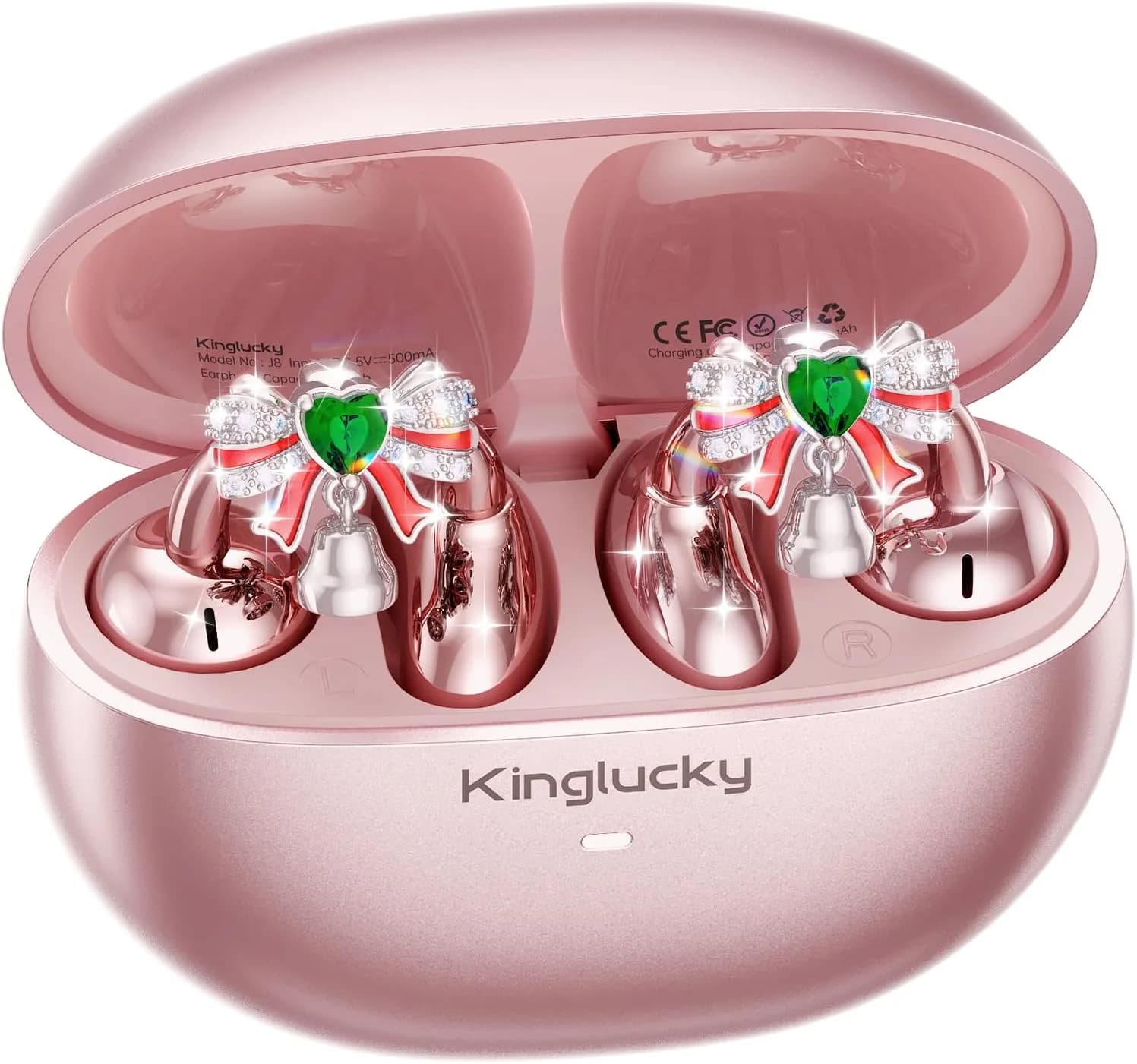
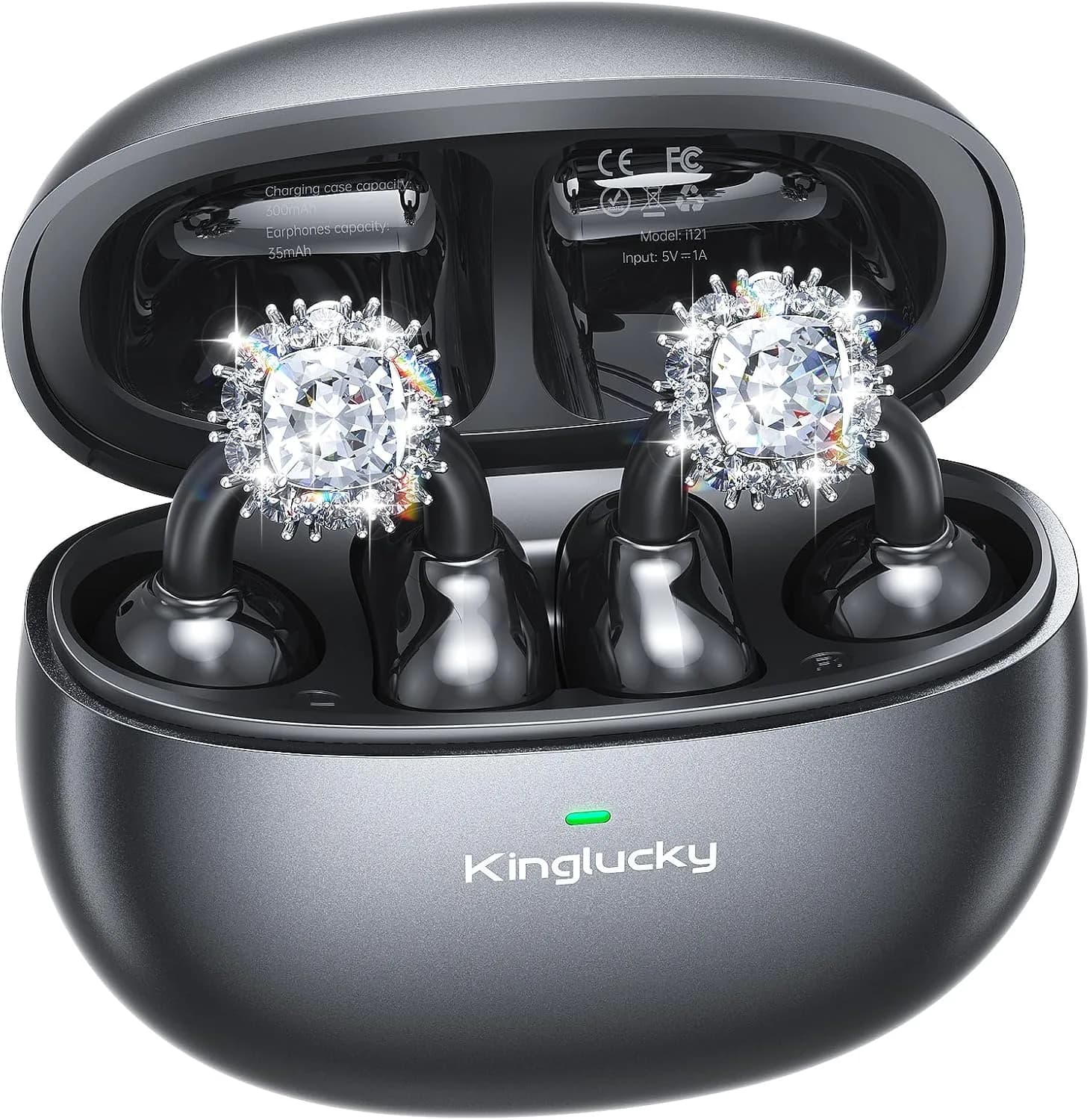
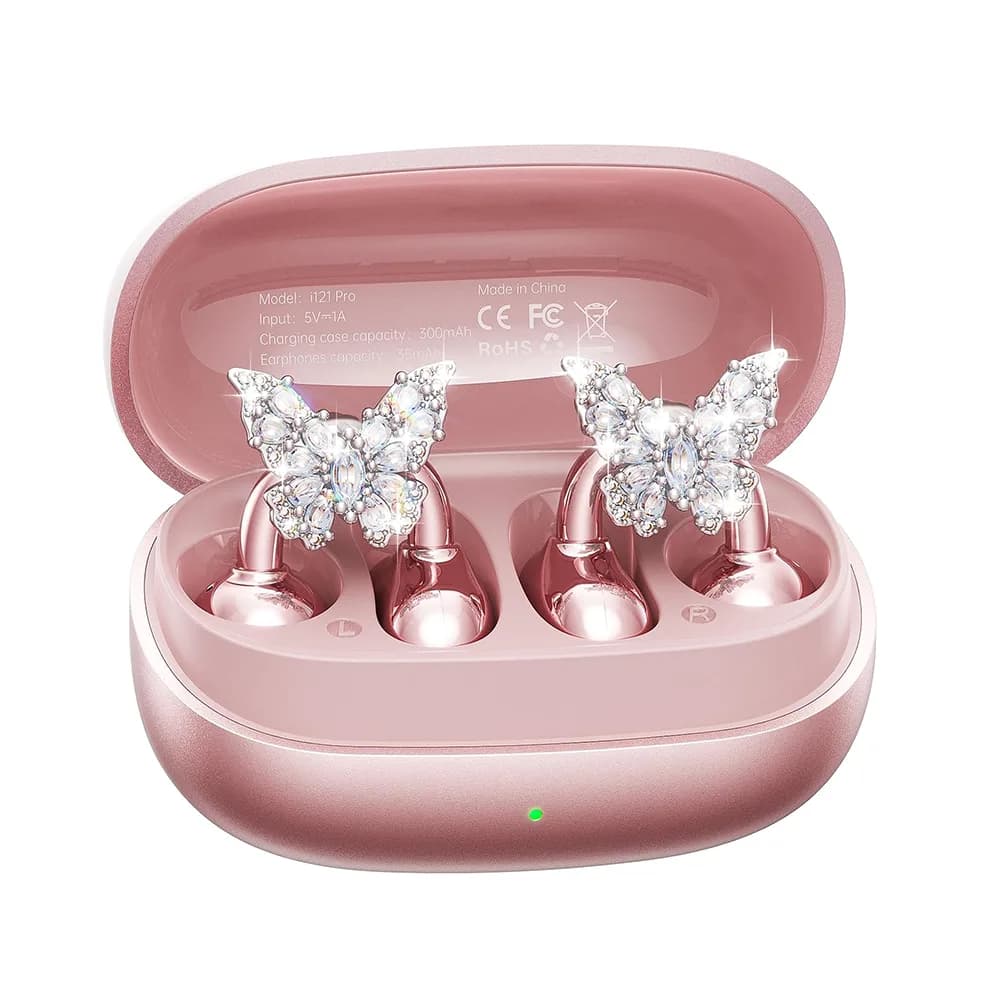
The open ear category has moved beyond “gym gear.” Clip-on silhouettes and refined finishes pair more naturally with everyday outfits than bulky sport headsets. As an example, Kinglucky A9 adopts a clip-on, open-ear approach with soft, shape-friendly earclips. The accessory-like profile complements casual or smart-casual looks while preserving awareness on city walks and light runs. If you want the open ear headphones benefits without a sporty aesthetic, this emerging style is worth a look.
Technical Benefits
13) Bluetooth Convenience—Without Canal Sealing
Open ear models increasingly support modern Bluetooth stacks (e.g., Bluetooth 5.x; in some cases LE Audio/LC3 as it proliferates). You get cable-free freedom with phones, laptops, tablets, and watches—yet still avoid the in-ear seal. For device jugglers, multipoint pairing (two devices at once) streamlines daily life.
14) Clearer Calls via Beamforming and AI Noise Filtering
Microphone arrays now focus on your voice while minimizing wind and room noise. That means less “you’re breaking up” feedback on open offices, sidewalks, and transit platforms. While open ear designs rarely prioritize ANC for listening (because awareness is the whole point), call-side noise handling has improved dramatically.
15) Lightweight Materials Improve Everyday Usability
Memory-metal frames, soft elastomers, and low-mass driver housings keep weight down and durability up. The lighter the headset, the easier it is to forget you’re wearing it—and the more likely you are to use it for the parts of your day that truly benefit from ambient awareness.
16) Fewer Accidental Touches, Easier Physical Controls
Because much of the hardware sits outside the canal, manufacturers can position larger buttons or more forgiving touch zones. For winter gloves, sweaty workouts, and hair adjustments, this often feels more reliable than tiny capacitive sensors on sealed buds.
17) Practical Battery Strategies for Real Life
Many open ear models offer 7–10+ hours per charge and include quick-charge top-ups. Off-ear headbands or compact cases add total system runtime so you can cover both training and commute hours without battery anxiety.
Market & Trend Benefits
18) Growing Adoption in Fitness and Outdoor Sports
Runners, cyclists, hikers, and fitness walkers increasingly prefer awareness by default. Open ear options—air-conduction and bone-conduction alike—enable coaching cues, tempo beats, and podcasts without isolating the environment. This demand continues to shape better stability, higher IP ratings, and longer single-charge endurance.
19) Seamless Fit with Smart Devices and Wearables
As smartwatches, fitness trackers, and AR-adjacent wearables proliferate, open ear headphones act like a “transparent audio layer” for daily life. Notifications, turn-by-turn directions, and voice prompts blend with the world instead of replacing it.
20) Design Diversity—More Ways to Match Your Routine
The category now spans clip-on open ear, ear-hook open ear, off-ear headbands, and bone conduction. That variety lets you prioritize style, stability, or minimal weight depending on your use case—office, commute, workouts, or casual social time.
Putting It Together: Who Benefits Most?
- Outdoor athletes: Awareness and comfort help you train safely without breaking stride.
- Hybrid workers & students: Keep focus audio on while staying conversation-ready—no constant remove/replace routine.
- Parents & caregivers: Maintain attentiveness to home sound cues while listening to content.
- Sensitive-ear listeners: Enjoy long sessions without pressure or heat buildup inside the canal.
- Style-minded users: Choose clip-on and minimalist silhouettes that complement daily outfits (e.g., lifestyle-oriented designs like Kinglucky A9).
Conclusion
The core open ear headphones benefits can be summed up in four buckets: comfort (no in-ear pressure for long wear), safety & awareness (hear your surroundings while listening), health (less moisture trapping and reduced perceived fatigue), and lifestyle (multitasking, natural conversations, and style-forward options). Add modern Bluetooth convenience, improved microphones, and lightweight materials, and open ear headphones emerge as a strong alternative to traditional sealed designs for many everyday scenarios. If you value awareness, comfort, and flexible wear, open ear is a compelling choice—whether you pick a sport-focused headband, a discreet clip-on, or an innovative lifestyle option such as Kinglucky A9.
FAQ
What are the main benefits of open ear headphones?
The biggest advantages are comfort (no canal seal), awareness (you can hear traffic and conversations), health (less moisture trapping and perceived fatigue), and lifestyle convenience (easier multitasking and social interaction).
Are open ear headphones good for running?
Yes. They preserve situational awareness on roads and shared paths, letting you hear vehicles, bikes, and training partners while listening to music or coaching cues. Look for stable geometries and appropriate water-resistance ratings.
Do open ear headphones help protect hearing?
Open ear designs can encourage more moderate listening because they don’t isolate as strongly, and they avoid canal pressure that some find fatiguing. Regardless of design, safe volume habits and listening breaks are essential for long-term hearing health.
Why are open ear headphones becoming more popular?
Increased outdoor activity, hybrid work, and wearable tech have raised demand for audio that blends with life. Open ear headphones meet that need with awareness by default, improved comfort, and designs that fit sport and daily outfits alike.
Are there stylish open ear options?
Yes. Beyond sport headbands, clip-on and minimalist silhouettes aim for an accessory-like look. For instance, designs like Kinglucky A9 pair open-ear comfort with a fashion-friendly profile suitable for office, errands, and casual runs.
Recommended Products