
How to Use Bone Conduction Headphones
Introduction
What are Bone Conduction Headphones Bone conduction headphones are a type of audio device that works quite differently compared to traditional headphones. Instead of delivering sound directly into your ear canals, these headphones rest against your cheekbones and transmit sound vibrations through your skull to your inner ear. This unique technology allows you to listen to music or podcasts without blocking your ear canals, which makes them perfect for staying aware of your surroundings.Unlike traditional headphones that use speakers to create sound waves, bone conduction headphones send vibrations straight to your cochlea through the bones in your skull. This design not only keeps your ears open to ambient noise, but also offers a comfortable alternative for those with sensitive ears.
Basic Usage of Bone Conduction Headphones

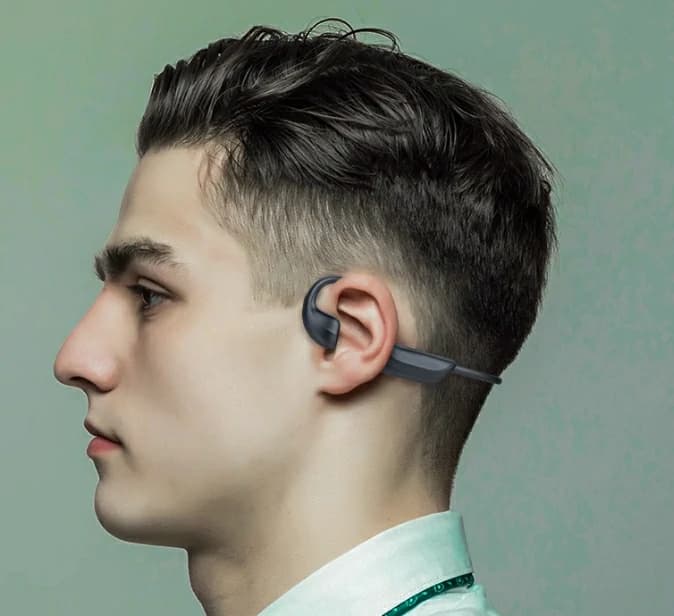
Position the headphones so that the transducers rest on your cheekbones, just in front of your ears.
Make sure the band sits comfortably around the back of your head. This ensures stability without causing discomfort.
Some bone conduction headphones come in different styles, such as head-mounted or neck-hanging. Choose a type that best fits your comfort and activity needs.
Connecting Devices Connecting bone conduction headphones to devices like smartphones, tablets, or computers is typically done via Bluetooth or, in some models, a wired connection. Here’s how to do it:
Bluetooth Connection: Put the headphones into pairing mode by pressing and holding the power button until you see a flashing LED light. Then, navigate to your device's Bluetooth settings, select the headphones from the available list, and confirm the pairing.
Wired Connection: If your model has a wired option, simply plug in the headphone jack to your device. For Bluetooth models, you might need an adapter for some wired connections.
If you encounter connection issues, try restarting both your device and the headphones, and ensure that they are within range.
Power Management Managing the power of your bone conduction headphones is important for a seamless experience:
Checking Power: Most bone conduction headphones have an indicator light or an app that shows battery status. Familiarize yourself with these indicators.
Charging: Use the provided cable to charge the headphones, and follow the manufacturer's recommendations for charging times. Avoid overcharging to extend the battery life.
Tips and Precautions for Using Bone Conduction Headphones

Adjust the fit to make sure the headphones are neither too tight nor too loose. A well-adjusted fit ensures comfort during extended use without causing pressure or slipping.
Optimize Sound Quality
Position the transducers precisely on your cheekbones to get the best sound quality.
Use the app or device settings to adjust the equalizer and enhance the audio experience to your liking.
Avoid noisy environments when possible, as bone conduction headphones do not block out background noise.
Safe Use
Always stay alert to your surroundings when using bone conduction headphones, especially when outdoors or while driving. Their open design allows you to hear environmental sounds, but caution is still necessary.
Follow the "60-60" rule: Keep the volume below 60% of the maximum and limit use to 60 minutes at a time to protect your hearing.
Maintenance and Care of Bone Conduction Headphones

To maintain hygiene, clean the surface and wearing parts of the headphones regularly with a clean, soft cloth.
Avoid using harsh or corrosive cleaners. A gentle wipe is usually sufficient to keep your headphones in good condition.
Storage Suggestions
Store the headphones in a cool, dry place. Avoid exposing them to extreme temperatures or high humidity, which could damage internal components.
Regular Inspection
Regularly check the headphone cable and connection ports (if applicable) to ensure everything is intact and functioning.
Update the firmware through the manufacturer's app when available to improve performance and security.
Advantages and Disadvantages of Bone Conduction Headphones

Open Design: Allows users to hear ambient sounds while listening to audio, which is great for outdoor activities and safety.
Comfortable for Sensitive Ears: Since they don't sit in the ear canal, they're an excellent choice for those who find traditional earbuds uncomfortable.
Waterproof and Sweat-Proof: Many models are designed to withstand sweat and rain, making them perfect for workouts and outdoor use.
Disadvantages
Sound Quality: The sound quality generally doesn’t match that of high-end traditional headphones, particularly when it comes to deep bass.
Wearing Comfort: Some users may find the pressure on their cheekbones uncomfortable during extended use.
Battery Life: Battery life may be shorter compared to traditional headphones and requires regular charging.
Comparison of Bone Conduction Headphones and Traditional Headphones

Traditional in-ear and over-ear headphones tend to deliver richer, fuller sound with deeper bass, making them a better option for audiophiles.
Bone conduction headphones prioritize situational awareness over high-fidelity audio quality, which makes them better suited for environments where safety is a concern.
Usage Scenario Comparison
Sports and Outdoor Activities: Bone conduction headphones excel in situations where environmental awareness is crucial, such as running or cycling.
Office or Travel: Traditional headphones, especially noise-canceling ones, are better suited for focusing in noisy environments like offices or during travel.
Health Impact Comparison
Bone conduction headphones are better for ear canal health since they don’t block the ear, reducing the risk of infections or discomfort.
Traditional headphones, especially in-ear models, can sometimes cause irritation or damage with prolonged use.