
How Do You Wear Bone Conduction Headphones
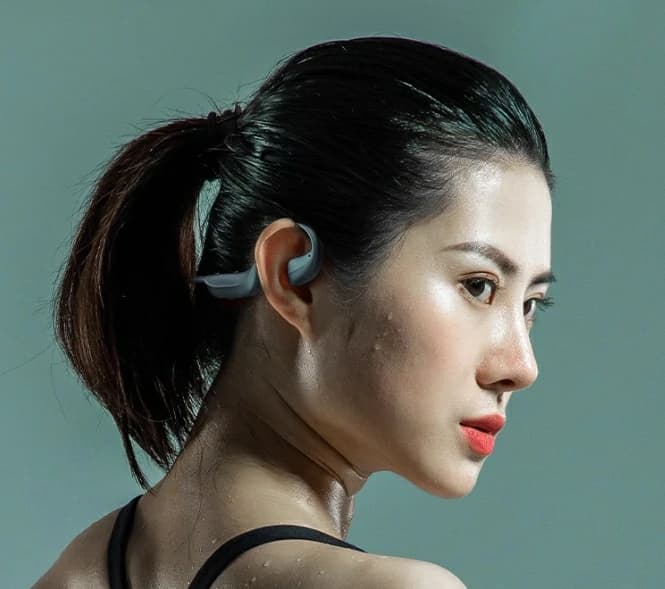
Introduction
Bone conduction headphones offer an unusual approach to audio playback: instead of passing sound via ear canals, they transmit vibrations via facial bones to the inner ear, allowing users to hear audio whilst maintaining auditory acuity. Suitable for those needing heightened situational awareness, these headphones truly excel for athletes and individuals with distinct hearing requirements.A critical advantage of bone conduction headphones is their retention of auditory capabilities. You can enjoy music or make calls without compromising environmental awareness, making them perfect for outdoor pursuits like running or cycling. Additionally, they're beneficial for those with hearing impairments due to their external/middle ear bypass feature.
How Bone Conduction Headphones Work

Working Mechanism
These headphones employ transducers to transmit sound vibrations straight into your inner ear, circumventing your outer ear and eardrum – a typical sequence with traditional headphones. Rather, these vibrations propel through your bosy to the cochlea, where your brain decodes them as sound.Beneficial User Groups
Athletes, for instance, can relish their music whilst maintaining full situational awareness, enhancing safeguard. Individuals with conductive hearing loss or related conditions similarly benefit as bone conduction averts engagement of these initial hearing structures.Steps to Correctly Wear Bone Conduction Headphones

Step 1: Adjust the Headband or Wearing Method
The fitting, texture, and alignment of the headband play a pivotal role in overall comfort and usability. Achieve a firm yet comfortable fit without tension or discomfort at the back of your hat.Step 2: Positioning
Position transducers of the headset over your temporal bones, close to your ears in temple vicinity. This ought to enhance vibration transmission and foster superior sonic experience. Ensure they're not uniformly arranged over your ears, disrupting sound delivery.Step 3: Connecting Devices
Bluetooth compatibility tends to prevail among bone conduction headphones; wired options may occasionally feature. Activate Bluetooth connectivity on your preferred device, locate the headphones within the remote control, and follow accompanying instructions if required.Wearing Tips and Precautions

Ensure Comfort
Tighten the headband to a comfortable level, avoiding either excessive pressure or slackness. A secure, non-irritating fit is paramount.Consider a headset design that suits your head shape for uninterrupted comfort throughout usage.
Sound Quality Enhancement
Ensure the headset maintains good contact with your temporal bones for optimal sound quality and minimal distortion.Minimize interference from potential obstructions such as hair or accessories.
Safe Use
Maintain situational awareness. Despite enabling ambient sound perception, exercise caution particularly in crowded settings.Preserve listening levels at safe thresholds. Although the headphones bypass the eardrums, excessive volume may negatively impact the inner ear.
Common Problems and Solutions

Unstable Wearing
Tightening the headband or utilizing attachments such as clips can assist in securing bone conduction headphones during rigorous activities.Poor Sound Quality
Ensure correct transducer placement; improper positioning could result in muffled or distorted sound. Additionally, confirm a strong Bluetooth signal.Discomfort
Altering the headband or acquiring a headphone model better tailored to your skull contour might alleviate discomfort. Some models provide added flexibility or padding for enhanced comfort.Maintenance and Care of Bone Conduction Headphones

Cleaning Method
Periodically clean with a gentle wet cloth to maintain hygiene. Refrain from using harsh agents as they could harm the components. Ensure all moisture is dried thoroughly prior to reuse.Storage Recommendations
Conserve bone conduction headphones in a shade, dry atmosphere. Limit exposure to elevated temperature or humidity conditions as this could reduce their longevity. Utilize a protective case when feasible.Regular Inspection
Perform regular checks to ascertain all parts are undamaged. Look for indications of wear and replace compromised components promptly for optimal functionality.Comparative Analysis between Bone Conduction Headphones and Traditional Headphones

Pros and Cons Analysis
Bone Conduction Headphones: Open ear design enhances situational awareness, ideal for outdoor pursuits and prolonged comfort. However, they may lack depth in low frequencies compared to traditional over-ear headphones. High volume may also pose sound leakage issues.Traditional Headphones: Superior sound isolation, bass response, and overall sound quality. However, they can obstruct environmental cues, potentially hazardous in outdoor running or cycling.
Applicable Scenarios
Bone Conduction Headphones: Ideal for sports, outdoor activities, or scenarios requiring heightened situational awareness.Traditional Headphones: More suitable for travel, office work, or settings demanding noise isolation.
Recommended Bone Conduction Headphones
Kinglucky A12 Noise Cancelling Bone Conduction Headphones

These headphones offer a comfortable fit with a lightweight 13g body, making them ideal for extended wear. They come equipped with a Bluetooth 5.1 chip for stable transmission and feature IPX5 waterproofing, making them suitable for sweat and rain. The A12 also boasts a HiFi sound quality experience with three-frequency equalization, perfect for casual listening during workouts or outdoor activities.
Kinglucky X7 Best Open Ear Bone Conduction Headphones

A flagship upgraded model, the X7 offers true bone conduction technology with a completely closed sound cavity to prevent sound leakage. It features an impressive 15 hours of continuous listening time and IPX6 waterproofing, making it a great option for intense sports or rainy weather. The X7 also includes Bluetooth 5.3 for a more stable connection and is designed to fit comfortably, even with glasses.
Conclusion
Bone conduction headphones offer a unique auditory experience that is different from traditional headphones. Their open-ear design and ability to keep you aware of your surroundings make them a fantastic choice for athletes, commuters, and anyone who values both safety and comfort.
Wearing bone conduction headphones correctly is crucial to getting the best sound quality and comfort. By following the steps in this guide, you can make sure you're getting the most out of your headphones. Give them a try and experience the freedom of staying connected to your surroundings while enjoying your favorite audio!