How Do You Charge a Portable Power Bank
Introduction
A portable power bank is indispensable in our contemporary rapid-pace lifestyle. It backs up power consumption for gadgets, guaranteeing continual functioning whilst navigation. Whether it's travel, hikes or everyday hustle, a power bank guarantees continued device operation without a phone shutdown crisis.Efficient charging of your power bank maximizes its usability and promotes longevity. Let's explore the finest methods to charge your power bank for enduring reliability.
What Is a Portable Power Bank Anyway

Types and Charging Specifications of Power Banks

Lithium-Ion Batteries: High energy density and affordability make them popular. However, improper management can result in overheating risks.
Lithium Polymer Batteries: Lightweight and flexible, they are safer and less likely to leak. Their stable charging specifications make them ideal for frequent travelers.
Each battery type necessitates distinct charging protocols. Lithium-ion batteries require a higher power input, whereas lithium polymer batteries necessitate gradual charging for longevity.
Common Charging Techniques of Portable Power Banks

The original charger is the optimal choice, designed specifically for the power bank, ensuring swift and safe charging. It strikes a balance between rapid charging and battery preservation.
Select the Correct Charging Cable
Different cables exist like USB-C, Micro-USB, and Lightning, depending on the power bank's input port.
USB-C: Rapid data transfer and high power output make it the universal standard.
Micro-USB: Common in older models, it's slower than USB-C.
Lightning: Primarily utilized for Apple products.
Ensure compatibility and quality of the charging cable to prevent damage and optimize charging efficiency.
Link to Power Source
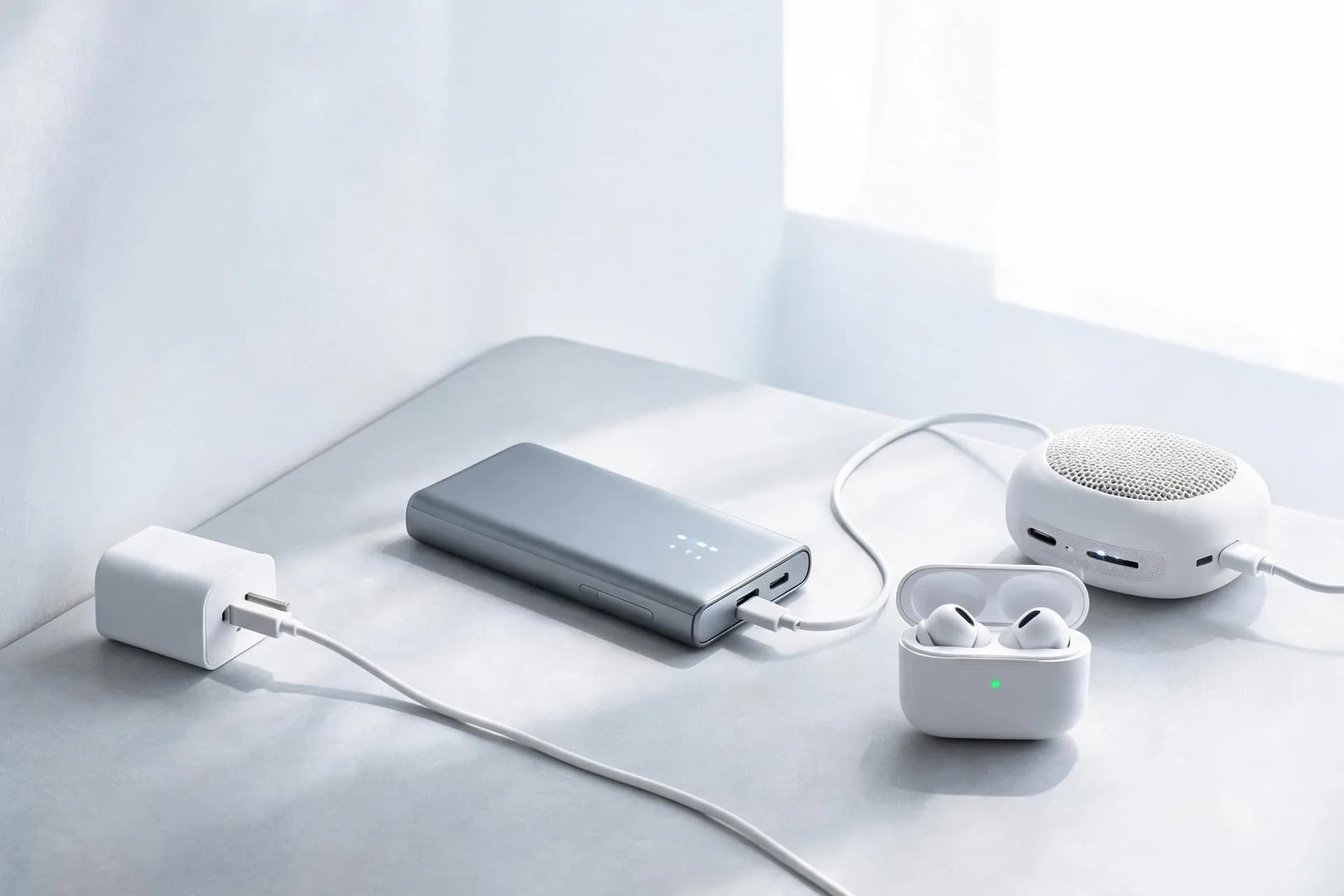
Simply link your power bank to a power source, such as a wall adapter, laptop, or car USB port.
Wall Adapter: Fastest and most dependable charging method, providing 2A or higher output.
Laptop/Computer: Convenient, albeit slower than a wall adapter.
Car USB Port: Handy for on-the-go charging, though charging speed may fluctuate.
Best Charging Environment and Conditions

Charge your power bank within a suitable temperature range (ideally 10°C to 30°C). Extremes can harm the battery, reducing its lifespan.
Avoid Overcharging
Overcharging can diminish battery life. Modern power banks often feature overcharge protection, yet it's advisable to disconnect upon full charge.
Good Ventilation
Charging in a well-ventilated area prevents overheating. Avoid placing it beneath pillows or confined spaces during charging.
Portable Power Bank Fast Charging Advices

By opting for chargers and cables compatible with fast charging technology like QC and PD, you optimize powerbank charging efficiency.
Minimizing Charging Time
1. Shutting down unnecessary electronic devices will enhance charging procedure.
2. Opt for high-wattage chargers for swift charging.
Safety Considerations
1. Procure Certified Goods only.
Ensure the safety of both your power bank and coupled devices by utilizing certified chargers and cables. Counterfeits may cause harm or pose risks like short circuits.
2. Refrain from Humid Locations
Charging in a dry atmosphere prevents electrical hazards. Avoid charging in humid environments.
3. Regular Inspection of Power Supplies and Cables
Examine your chargers and cables routinely for signs of wear or damage. Damaged cables can compromise safe charging.
Maintenance and Care of Powerbanks
1. Routine Charging and Discharging
Maintain your power bank's health through regular charge and discharge cycles.
2. Storage Recommendations
Store your power bank in a cool, dry location when not in use. Avoid exposure to direct sunlight or extreme temperatures.
3. Avoid Extreme Conditions
Extremes in temperature and humidity can impact your power bank adversely. Keep it away from hot cars or damp areas for optimal performance.
Portable Power Bank Common Issues and Solutions

- Low-quality Cable: Swap for a superior one.
- Low Power Adapter: Employ an adapter with a higher output for accelerated charging.
Unable to Charge
- Connection: Ensure the cable is securely attached.
- Adapter: The issue could lie with the adapter rather than the power bank.
- Power Bank: Examine for visible damage or defects.
Overheating
- Disconnect: Unplug it from the power source.
- Allow Cooling: Place it in a cool, well-ventilated area prior to reuse.
- Portable Power Bank Selection Guide
Portable Power Bank Selection Guide

- Capacity: Ranging from 5,000mAh to 20,000mAh or more, higher capacity equates to more device charges.
- Port Types: Confirm compatibility with your devices' port types, e.g., USB-C or Lightning.
- Size and Weight: For portability, select a lightweight model that's convenient to carry.
Portable Power Bank Recommendation
Kinglucky 183 Wireless Power Bank
Ideal for users looking for wireless charging convenience with a strong magnetic attachment. It supports charging multiple devices including phones, watches, and headphones.

This power bank is perfect for those needing multi-device charging capabilities. With a capacity of 10,000mAh, it supports Mag Safe and wired charging for up to four devices simultaneously, making it a great choice for outdoor activities.
Conclusion
Charging your portable power bank correctly is crucial for maximizing its lifespan and ensuring it’s ready when you need it. Use the original charger, maintain an optimal charging environment, and follow safe charging practices. With the right power bank and charging habits, you’ll always have the power to keep your devices running smoothly.Recommended Products