Good Open Ear Headphones
Good Open Ear Headphones: How to Decide What’s Truly “Good” for You
When people search for good open ear headphones, they’re usually not chasing a top-10 list. They’re looking for a clear, practical way to define “good” and then match that definition to real life—running at dawn, commuting across town, working in shared spaces, or wearing headphones all day without ear fatigue. This long-form guide focuses on criteria + use cases + practical examples, so you can choose with confidence rather than guessing.
What Makes an Open Ear Headphone “Good”?
Open ear headphones sit on or around the ear instead of sealing the ear canal. That design changes what “good” means compared with in-ear or over-ear models. Use the criteria below as a checklist and weigh them according to your priorities.
1) Comfort & Fit
- Weight and pressure: A good design feels barely there—no pinching, hotspots, or pressure on the ear ridge.
- Stability: Ear-clips, ear-hooks, or wrap-around bands should stay secure during head turns and light jogging.
- Glasses compatibility: If you wear glasses or sunglasses, test the contact points where frames meet the clip or hook.
- Skin contact materials: Soft-touch silicone or similarly forgiving materials reduce irritation over long sessions.
2) Sound Quality (with realistic expectations)
- Tuning for openness: Expect an airy, spacious presentation. The best “good” tuning favors clear mids for vocals and podcasts, with highs that are present but not harsh.
- Acoustic directionality: Designs that direct sound toward your ear reduce leakage so nearby people hear less of your audio.
- Call clarity: Multi-mic arrays plus intelligent noise reduction keep your voice intelligible in wind, traffic, and busy offices.
3) Battery Life & Charging Experience
- Per-charge stamina: Aim for enough hours to cover your longest daily window—workday, commute, or long run.
- Total system life: A compact charging case that delivers multiple top-ups makes everyday use smoother.
- Fast top-ups: Short charging bursts that add meaningful playback are a real quality-of-life win.
4) Connectivity & Controls
- Stable Bluetooth: Good models maintain connection in gyms, trains, and offices with lots of interference.
- Multipoint: Seamless switching between laptop and phone supports hybrid work and study.
- Controls you won’t mis-tap: Touch areas or buttons should be reliable even when you adjust hair or glasses.
5) Durability & Resistance
- Water/sweat protection: Choose an IP rating that aligns with your routine—light drizzle, sweaty workouts, or everyday spills.
- Resilient structure: Flexible alloys (e.g., memory metal) and robust hinges help maintain shape over months of use.
6) Price-to-Value
- Pay for what you’ll actually use: A good open ear headphone delivers your top priorities without making you fund features you don’t need.
Bottom line: A pair of good open ear headphones balances these pillars—weighted by your comfort, sound expectations, calling needs, and budget.
Why Choose Open Ear Headphones in the First Place?
- Situational awareness & safety: Hear traffic, cyclists, airport/metro announcements, and coworkers while your audio plays.
- Comfort & ear health: No ear-canal seal means less pressure and moisture buildup; many people find they can wear them longer.
- Natural conversation: Talk to colleagues or family without removing earbuds or pausing audio.
- Versatility: They adapt to everyday environments where full isolation isn’t practical.
If your top priority is club-level bass and deep isolation, traditional in-ear or over-ear models may be better. If you value awareness, comfort, and flexibility, open ear designs shine.
Examples of Good Open Ear Headphones (Category-Based)
Rather than ranking models, the examples below group what’s “good” by scenario. Use them as a lens to evaluate whichever brands you’re considering—then refine by fit, features, and price.
Good for Sports & Running
- Sport-secure designs: Choose ear-hooks or stable clips with sweat resistance and controls you can activate mid-stride.
- Awareness-first tuning: Prioritize clear voice cues and tempo guidance over heavy bass that could mask your surroundings.
- Practical battery: Enough per-charge stamina for your longest planned run or workout block.
Good for Commuting & Office Calls
- Call clarity: Prioritize microphone performance and noise reduction so you sound clear on trains and in open offices.
- Multipoint pairing: Move from laptop meetings to phone music without manual re-pairing.
- Leakage control: Directional acoustics help keep your audio private in shared spaces.
Good for All-Day Comfort
- Featherlight wear: Low weight, soft contact points, and minimal clamping force reduce fatigue across long sessions.
- Small, pocketable case: Recharges on the go without adding bulk to pockets or purses.
- Glasses-friendly ergonomics: Look for flexible clips and smooth edges where frames rest.
Good for Lifestyle & Fashion (Clip-On, Accessory-Style)
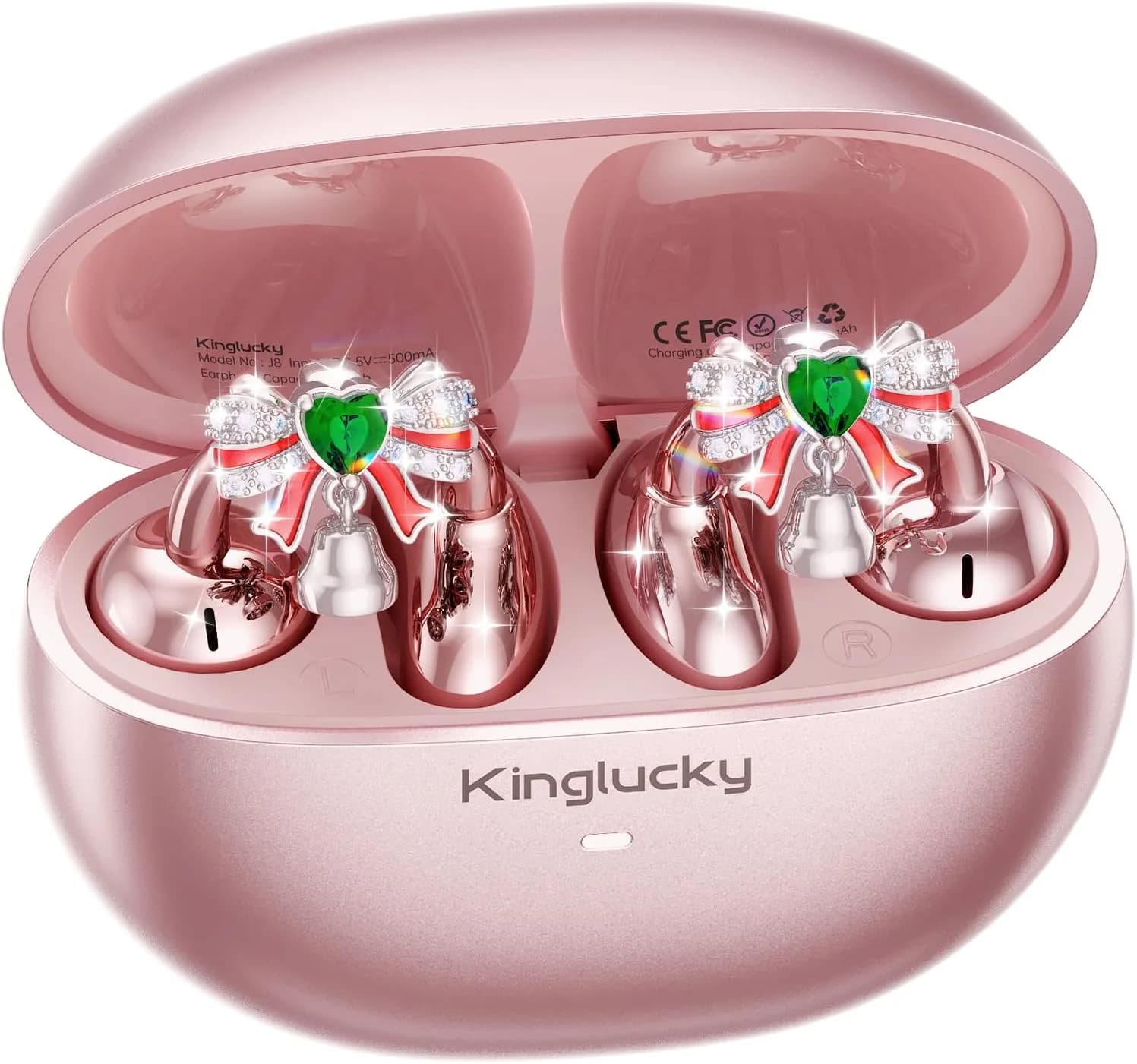
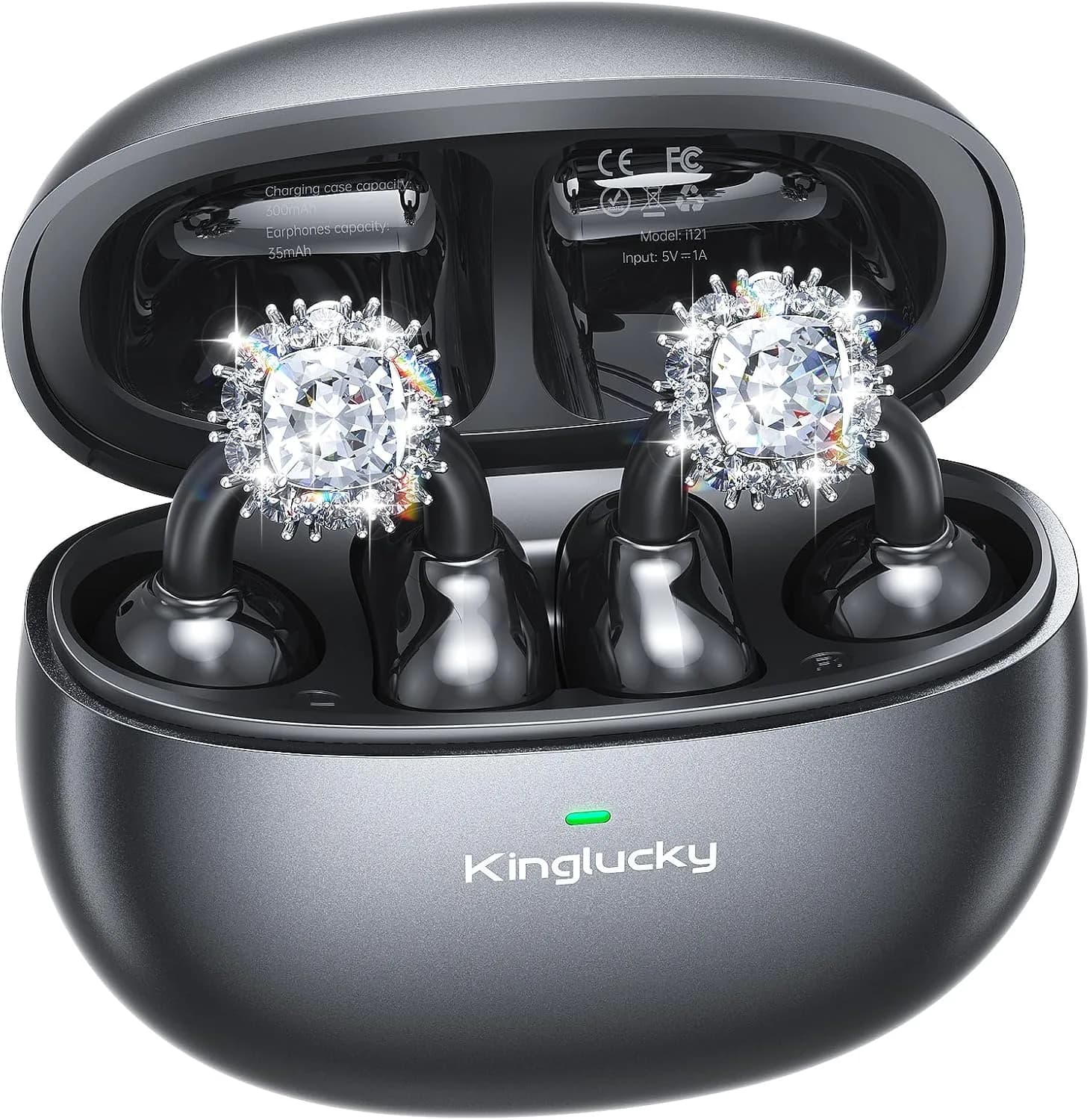
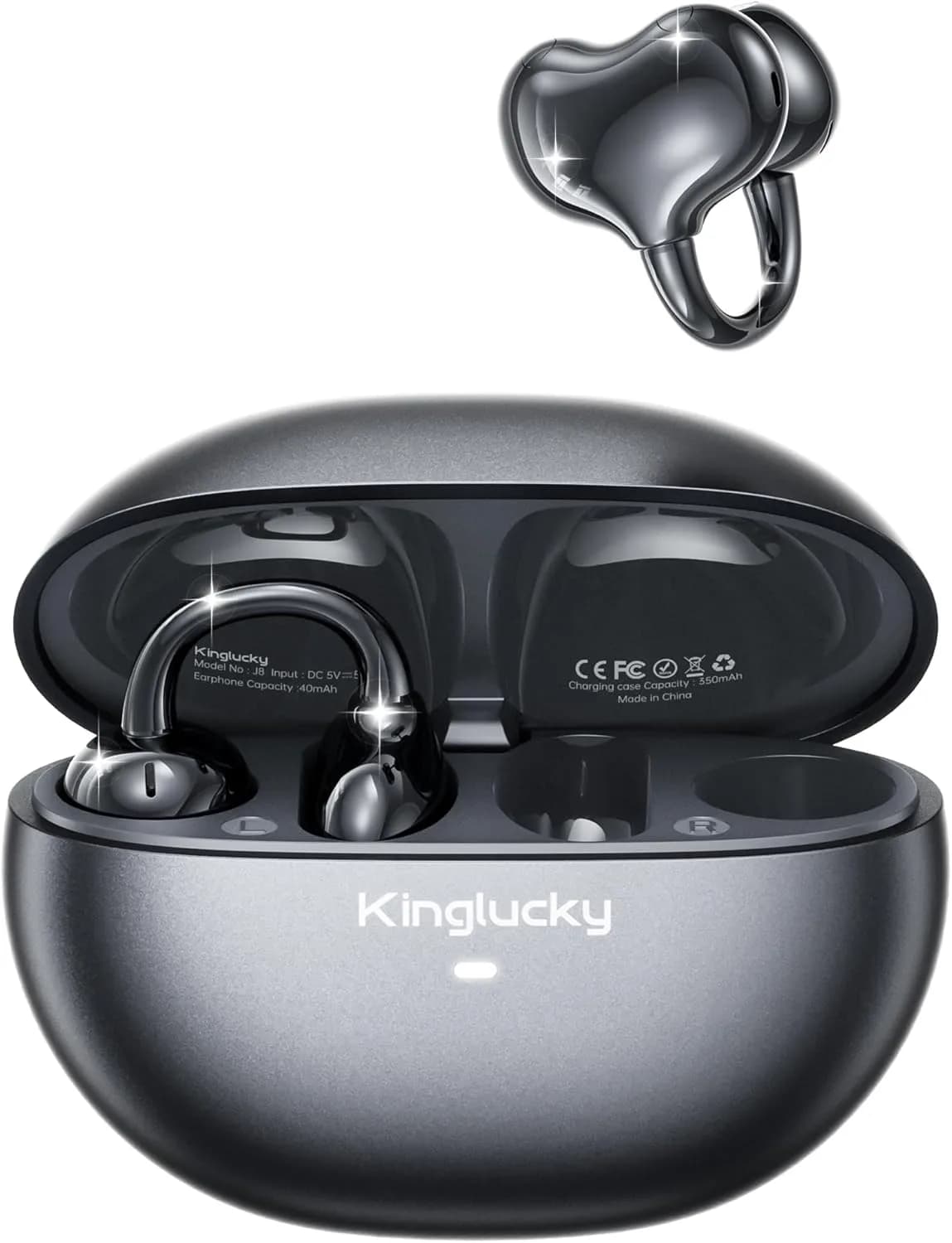
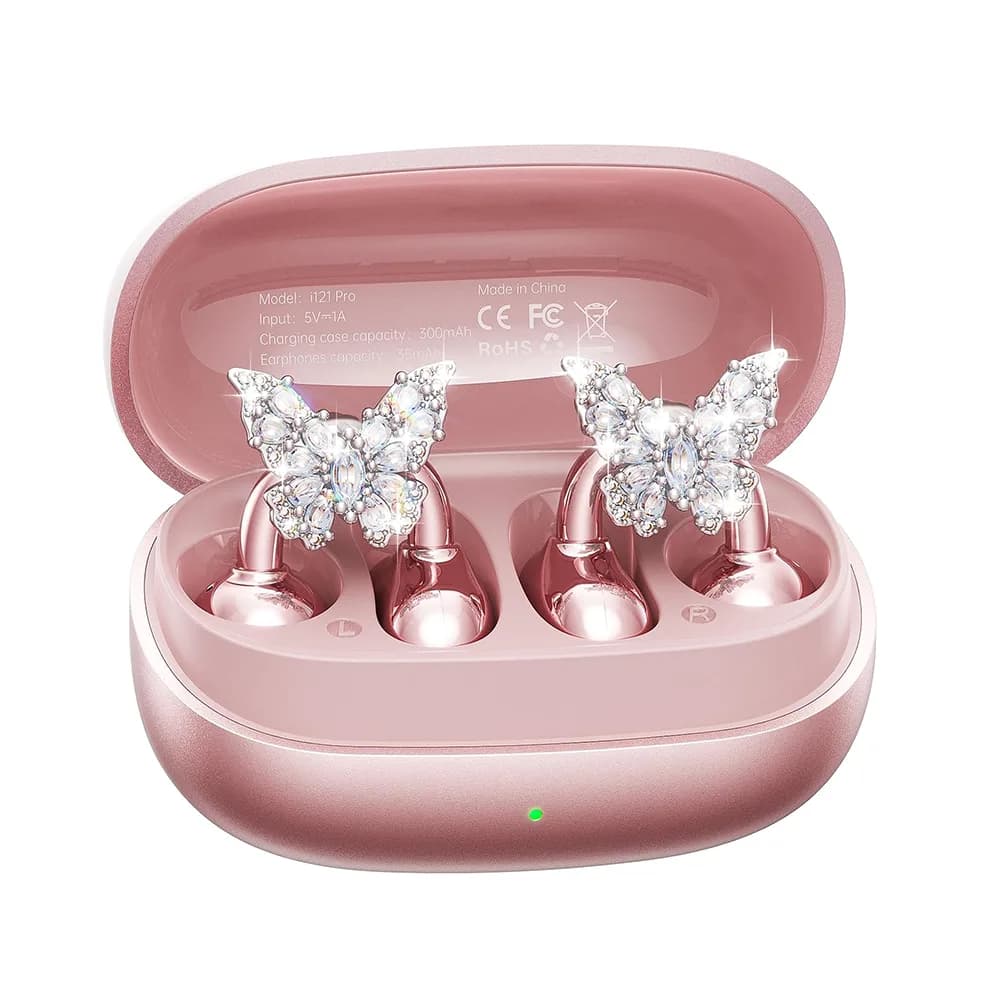
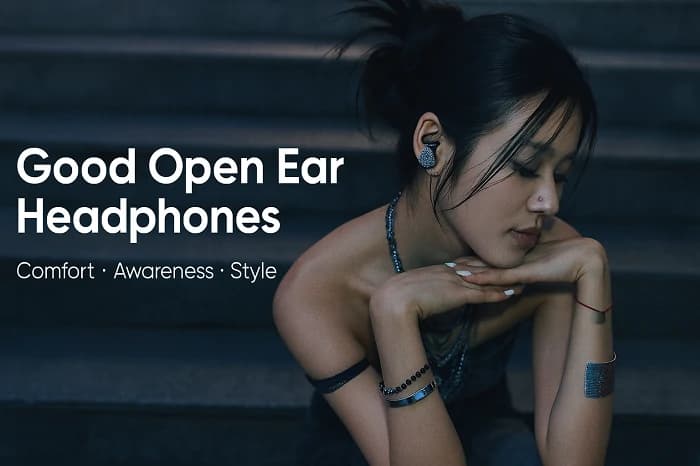
If your definition of “good” includes style + comfort + awareness, consider clip-on open designs with an accessory-friendly silhouette. As a reference in this category, Kinglucky A9 illustrates a fashion-forward approach that emphasizes lightweight comfort, soft contact points, directed acoustics to focus sound toward your ear, and clear calling for day-to-day multitasking. The look is easy to dress up or down—ideal if you want headphones that blend into everyday outfits instead of standing out as sports gear.
Good Budget Option
- Essentials first: A stable fit, dependable connection, acceptable call clarity, and practical battery life—without add-ons you won’t use.
- Value check: Compare warranty terms, after-sales support, and replacement parts availability as part of total value.
How to Decide Which Is Good for You
- Primary scenario: Running, commuting, office calls, or all-day wear? Let the main use define your top 2–3 criteria.
- Fit with glasses/hair: If you wear frames or style hair around the ears, test for hotspots and stability.
- Sound profile: Open designs trade some bass weight for spaciousness and awareness. Choose tuning that supports your content (podcasts vs. bass-heavy playlists).
- Battery plan: Match per-charge hours and case capacity to your daily routine so you aren’t forced to recharge mid-day.
- Durability: Pick an IP rating aligned with sweat, rain, and your climate.
- Controls & UX: Decide whether you prefer tactile buttons or touch gestures, and how sensitive they should be.
- Budget & value: Spend where it matters most to you; avoid paying for codecs or features you’ll never use.
Open Ear vs Traditional Earphones—What Counts as “Good”?
Traditional in-ear/over-ear “good” often means isolation, powerful bass, and active noise cancellation. Open ear “good” is different by design:
- Awareness over isolation: The goal is to blend audio with the environment, not block it.
- Comfort over clamp: Minimal ear-canal pressure enables longer wear for more people.
- Everyday practicality: Because you can keep them on while interacting with others, battery endurance, multipoint, and mic quality matter more.
- Leakage control: Open designs that aim sound toward your ear help keep listening discreet.
Judge open ear models by their own goals—awareness, comfort, and versatility—and the meaning of good open ear headphones becomes clear.
Market Trends & the Future of Good Open Ear Headphones
- Smarter voice pickup: Ongoing improvements to mic arrays and AI noise reduction make outdoor calls more reliable.
- Wireless stability gains: Newer Bluetooth standards aim to reduce dropouts in high-interference spaces.
- Acoustic shaping: Bigger dynamic drivers and guided sound channels deliver fuller body while keeping ears open.
- Battery & charging improvements: Longer total endurance and quicker top-ups are becoming common across price tiers.
- Lifestyle design: Clip-on silhouettes and refined finishes push open ear beyond “gym gear” into everyday wear.
- Health-aware listening: For people sensitive to pressure or moisture, no-seal comfort will keep growing adoption.
Conclusion
A pair of good open ear headphones balances comfort, sound, and safety for the way you live. Runners and cyclists may define “good” as a secure, sweat-ready fit with clear voice cues. Commuters and hybrid workers often want multipoint switching, reliable call clarity, and a compact case. All-day listeners prize low pressure and dependable battery. If style matters, accessory-like clip-on designs—such as the Kinglucky A9—offer awareness with lightweight comfort and a look that fits daily outfits. Use the criteria in this guide, map them to your routine, and you’ll land on open ear headphones that genuinely feel “good” for you.
FAQ
What are good open ear headphones for running?
Look for secure ear-hooks or clips, sweat resistance suitable for your climate, and controls you can operate while moving. Stable fit, balanced mids for pace cues, and enough per-charge battery for your longest sessions define “good” for runners.
How do I know if open ear headphones are good quality?
First, test comfort with glasses and check for hotspots. Then assess connection stability in crowded areas, call clarity outdoors, and a sound signature that keeps vocals natural and highs smooth. A pocketable case and practical battery round out everyday quality.
Are open ear headphones good for everyday use?
Yes—if your day mixes conversation, commuting, and light workouts, open ear designs maintain awareness and long-term comfort. You trade some isolation and deep bass for wearability and safety in real-world settings.
Which brands make good open ear headphones?
Many brands offer strong options across sport, commute, and lifestyle categories. For fashion-friendly clip-ons, consider models like Kinglucky A9. For sport-leaning wear, explore open or bone-conduction styles from established makers and choose based on your top criteria.
Recommended Products