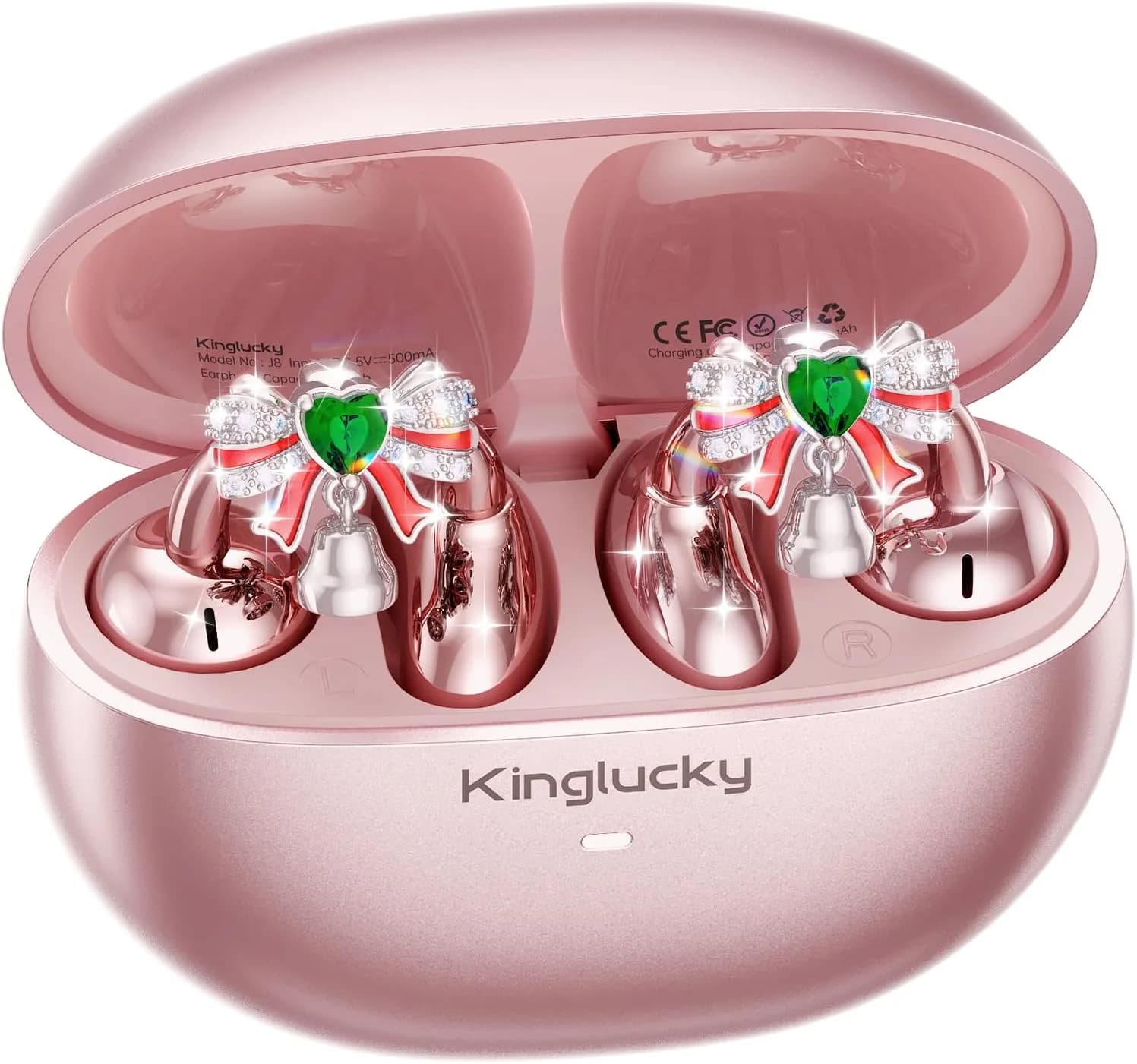
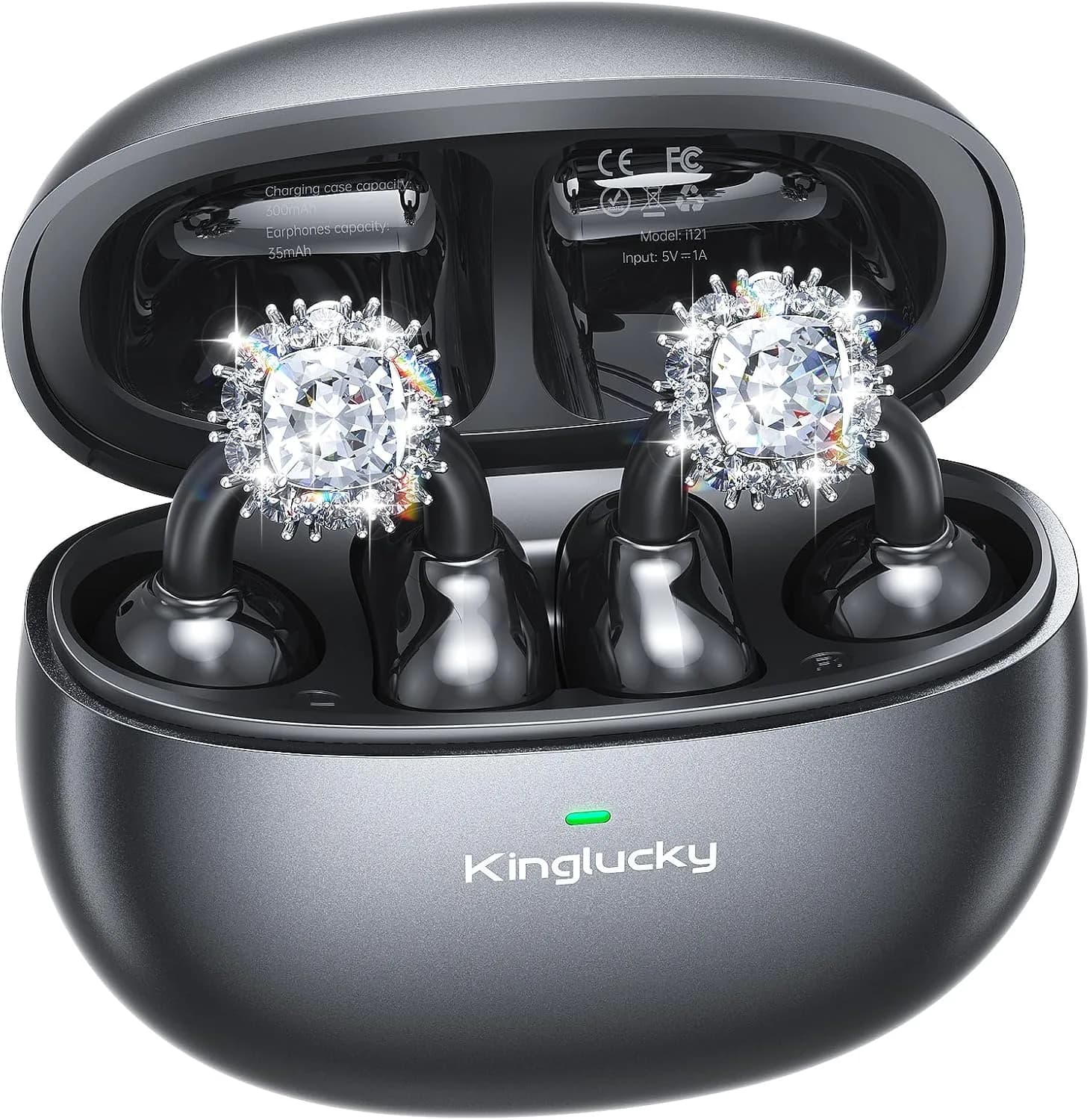
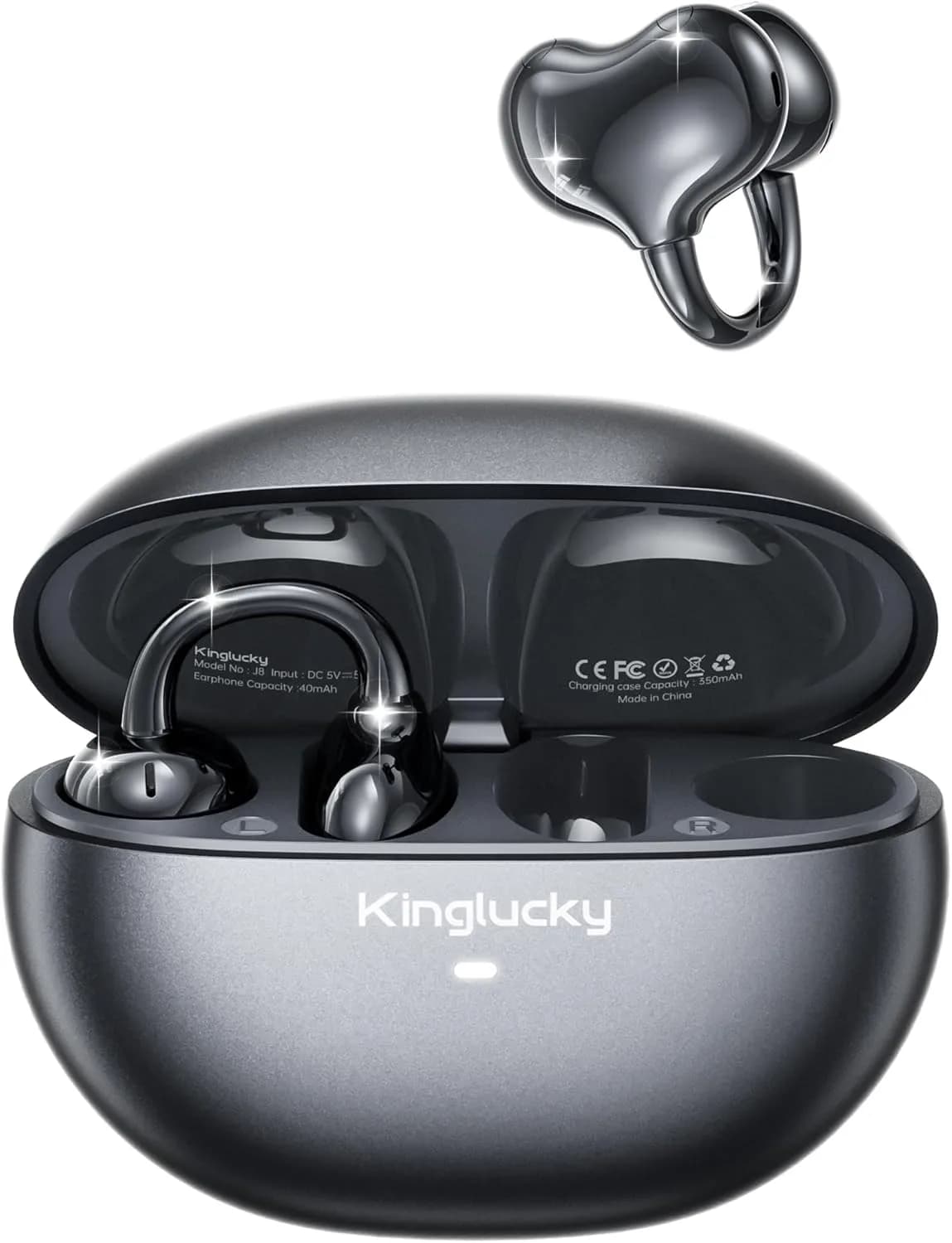
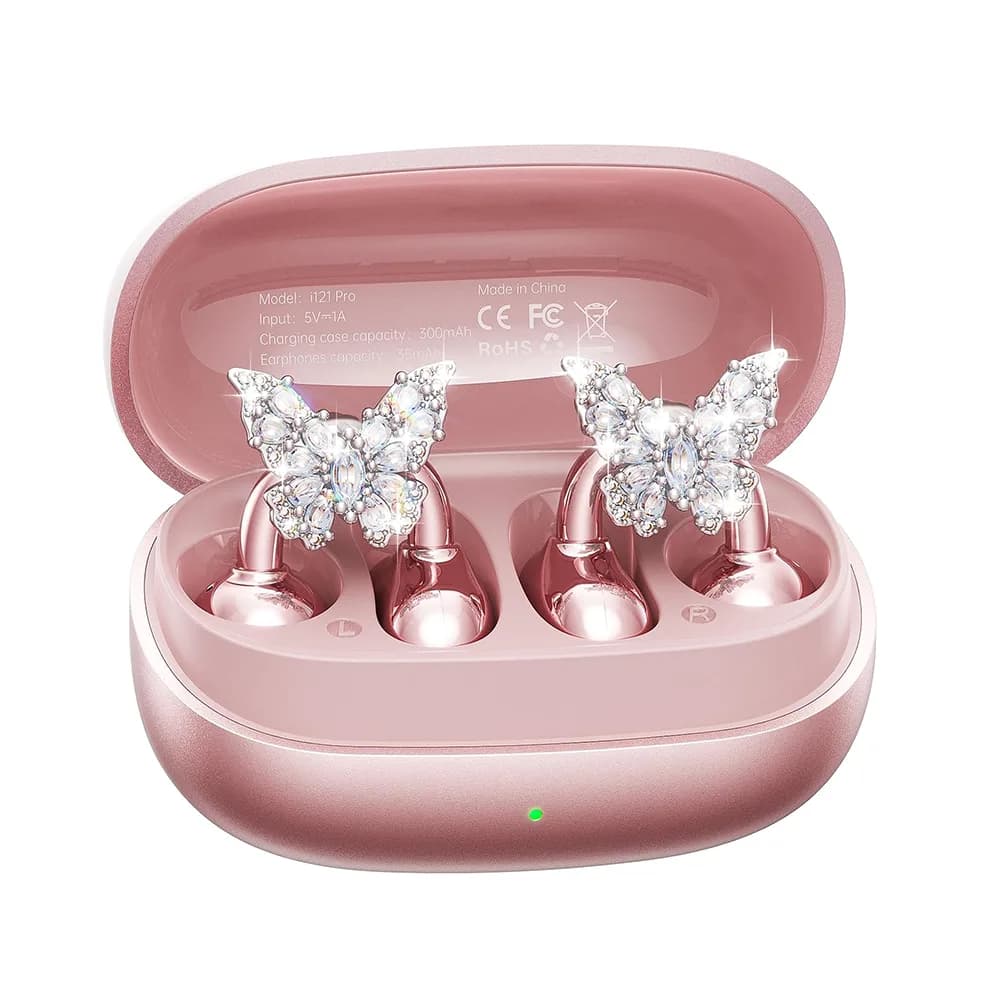
Best Clip On Earbuds
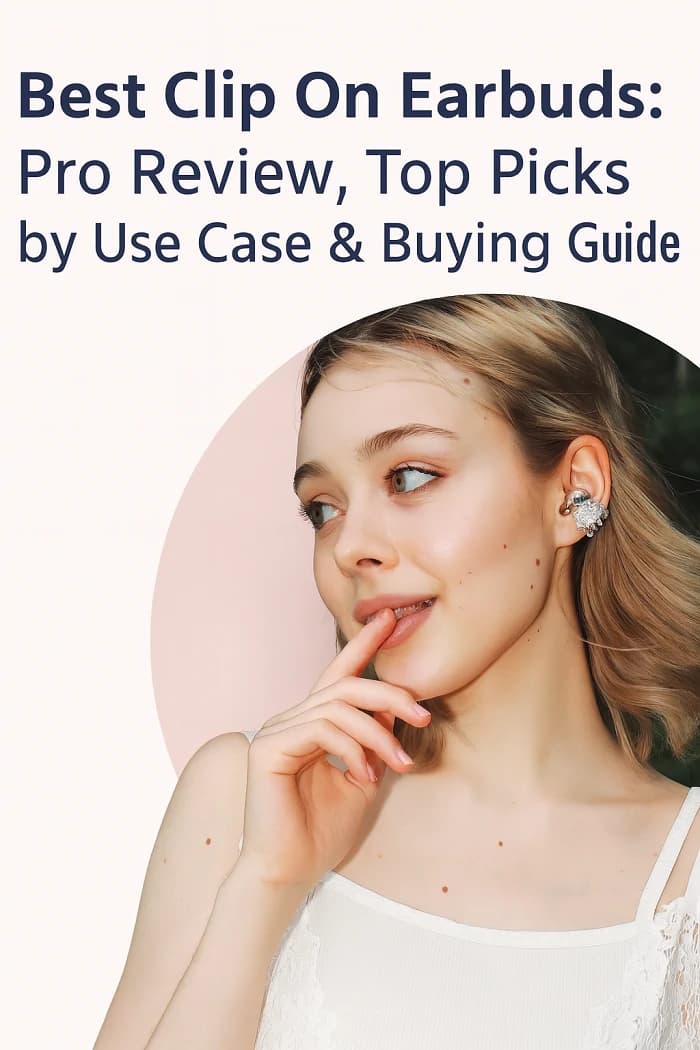
Best Clip On Earbuds: A Professional Review & Buying Guide
Clip-on earbuds are making a comeback as listeners demand comfort, light weight, and stability without the ear canal pressure of traditional in-ears. If you’ve ever had buds slip out mid-run, felt fatigue after hours of work calls, or found over-ears too hot, clip on earbud headphones deserve a serious look. This guide helps you identify the best clip on earbuds for your needs, explains how they differ from other categories of open ear headphones, and shares practical buying tips you can use today.
How We Define the “Best” Clip-On Earbuds
There’s no single winner for everyone. When we evaluate the best clip on earbuds, we score across these criteria:
- Comfort: Minimal pressure and hotspots for all-day wear.
- Secure fit: A clip that anchors firmly during running or commuting.
- Sound quality: Clear mids and highs, with bass that’s balanced (even if lighter than sealed in-ears).
- Battery life (wireless): Target 6–8 hours per charge plus a case; more is a bonus.
- Durability: Sweat resistance and flexible, resilient clips for daily use.
- Price-to-value: Features and reliability that justify the cost.
Because clip-ons are open by design, the evaluation shifts from raw bass and isolation to comfort, awareness, and stability. That’s why the “best” clip-on isn’t always the boomiest—it’s the one that fits your life.
Top Reasons to Choose Clip-On Earbuds
1) Comfort & No Ear Canal Pressure
Clip-ons rest outside the canal, avoiding the “plugged” sensation of silicone tips. This makes them ideal for marathon workdays, study sessions, or long playlists.
2) Safer Awareness Outdoors
As a style of open ear headphones, clip-ons keep you more aware of traffic, announcements, and workout partners—essential for runners, cyclists, and urban commuters.
3) Style & Versatility
Modern clip-ons are sleek and featherweight. They transition from the track to your desk to casual listening without calling attention to themselves.
Best Clip-On Earbuds for Different Needs
Different scenarios call for different strengths. Use these shortlists to match a pair to your lifestyle.
Best for Sports & Running
- What matters: Secure clip design, sweat resistance (IPX4 or higher), ultra-light build, and a stable acoustic angle that won’t drift.
- Why clip-ons shine: They stay put through sprints, HIIT, and head turns without ear-tip pressure.
- What to check: Flexible clips that grip without pinching; buttons you can operate with sweaty hands; a case you won’t mind tossing in a gym bag.
Best for Daily Commuting
- What matters: Reliable Bluetooth (5.3+), fast pairing, strong call mics with noise reduction, and enough battery for round trips.
- Why clip-ons shine: Ambient awareness for stations and crosswalks; no canal fatigue on long rides.
- What to check: Call quality in windy sidewalk conditions, pocketable case, and stable connection in RF-dense subways.
Best Budget-Friendly Choice
- What matters: Solid stability and comfort without premium pricing—great for first-time clip-on users.
- Why clip-ons shine: Even entry models deliver the comfort/awareness combo that sealed earbuds can’t.
- What to check: Reasonable battery life (4–6 hours), dependable clips, and a sound signature that isn’t harsh at higher volume.
Best Premium Sound Option
- What matters: High-resolution drivers, refined tuning, and codec support (AAC/aptX) where available.
- Why clip-ons shine: Natural mids and treble with an open, “speaker-like” presentation that feels effortless over long sessions.
- What to check: Non-fatiguing treble, a stable ear angle for imaging, and materials that balance rigidity with comfort.
Comparison with Other Open-Ear Alternatives
How do clip-ons stack up against bone conduction and traditional open-ear headphones?
| Feature | Clip-On Earbuds | Bone Conduction | Traditional Open-Ear |
|---|---|---|---|
| Comfort | High (no canal pressure) | High (rests on cheekbones) | Medium (often bulkier) |
| Sound Quality | Balanced, lighter bass than sealed in-ears | Lean bass, speech-forward | Rich but heavier on head |
| Situational Awareness | Good (ears remain open) | Excellent (ears fully open) | Moderate (varies by design) |
| Best For | Sports, commuting, all-day wear | Safety-first outdoor use | Desk or home listening |
In short, clip-ons deliver more natural musicality than bone conduction while remaining lighter and more breathable than many traditional open-ear frames.
Buying Guide: How to Choose the Right Pair
1) Match Your Lifestyle
- Runners/Cyclists: Prioritize secure clips, sweat resistance, and single-hand controls.
- Commuters: Favor strong call microphones, stable connectivity, and pocketable cases.
- Office/Study: Look for neutral tuning and long battery for marathon sessions.
2) Comfort & Fit Check
- Clips should hug the ear—not pinch. Adjustable or flexible frames fit more ears.
- Weight distribution matters: overly front-heavy designs can drift; balanced designs stay put.
- Test the “head shake”: if they move during quick nods, adjust the angle or clip tension.
3) Sound Priorities
- If you love deep bass, remember that open designs won’t match sealed in-ears. Seek models tuned for a tasteful low-end lift.
- For podcasts and calls, prioritize midrange clarity and natural treble over bass emphasis.
- Check codec support (AAC/aptX) if you value lower latency and higher fidelity on compatible devices.
4) Battery & Durability
- Daily use target: 6–8 hours per charge + case recharges. Heavy athletes may need more.
- Look for IPX ratings (IPX4–IPX5) to withstand sweat and drizzle.
- Clips should flex without permanent deformation; hinges should feel consistent after many cycles.
5) Long-Term Care
- Wipe sweat from the clip and driver mesh after workouts.
- Store in a case to prevent accidental bending in bags.
- Avoid max volume in noisy areas; open designs tempt you to turn up too high.
Conclusion
The best clip on earbuds aren’t a single model—they’re the pair that aligns with your routine. For runners and cyclists, secure clips, sweat resistance, and stable acoustics matter most. For commuters, call quality and hassle-free connectivity take the lead. For office and study, fatigue-free comfort and neutral tuning pay off all day. If you need deeper context—like fit techniques or a broader pros/cons breakdown—see our guides on how to wear clip on earbuds and are clip on earbuds good for more detail.
Choose confidently, care for them well, and your clip-ons will become the most effortless part of your everyday carry.
FAQ: Best Clip-On Earbuds
Do the best clip on earbuds offer strong bass?
They emphasize clarity and natural mids/highs, with bass that’s present but lighter than sealed in-ears. Premium models can add warmth and extension, but they won’t match deep in-ear slam.
Are clip-on earbuds good for running?
Yes. The clip stabilizes the earbud during sprints and head turns, while the open design keeps you aware of traffic and teammates.
Do premium models last longer than budget ones?
Often. Higher-end builds typically use better batteries, stronger hinges, and more resilient materials that stand up to daily use.
Are clip-on earbuds better than regular wireless earbuds?
It depends. Clip-ons win for comfort, breathability, and awareness; sealed wireless earbuds win for isolation and heavy bass. Choose based on where and how you listen most.
How to wear clip on earbuds for best results?
Hook the clip around your ear, position the driver close to the canal, and fine-tune the angle until vocals are clear and bass fills in. If you’re new to the style, a short learning curve pays off quickly.
Recommended Products