How Do Clip On Earbuds Work
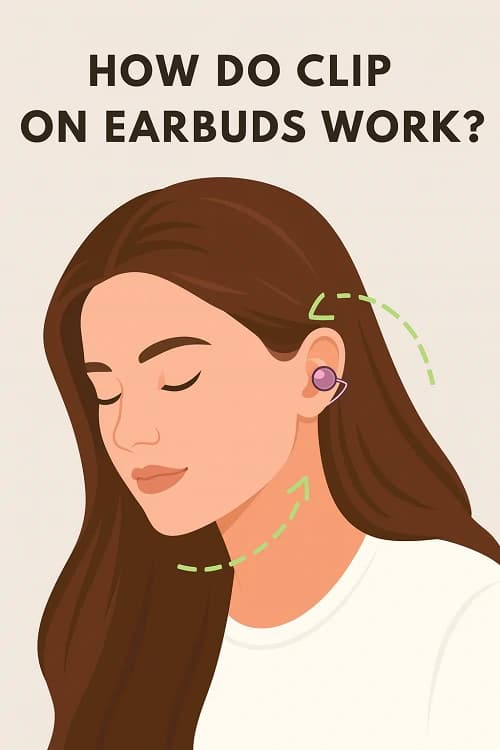
How Do Clip On Earbuds Work? A Complete Guide to Their Design, Comfort, and Use
When people search “how do clip on earbuds work”, they usually want to understand whether this alternative design truly differs from traditional earbuds and if they’re worth trying. Clip-on earbuds are becoming popular among commuters, fitness enthusiasts, and anyone who dislikes the pressure of in-ear headphones. But how exactly do they function, and what makes them unique? Let’s break it down.
What Are Clip-On Earbuds?
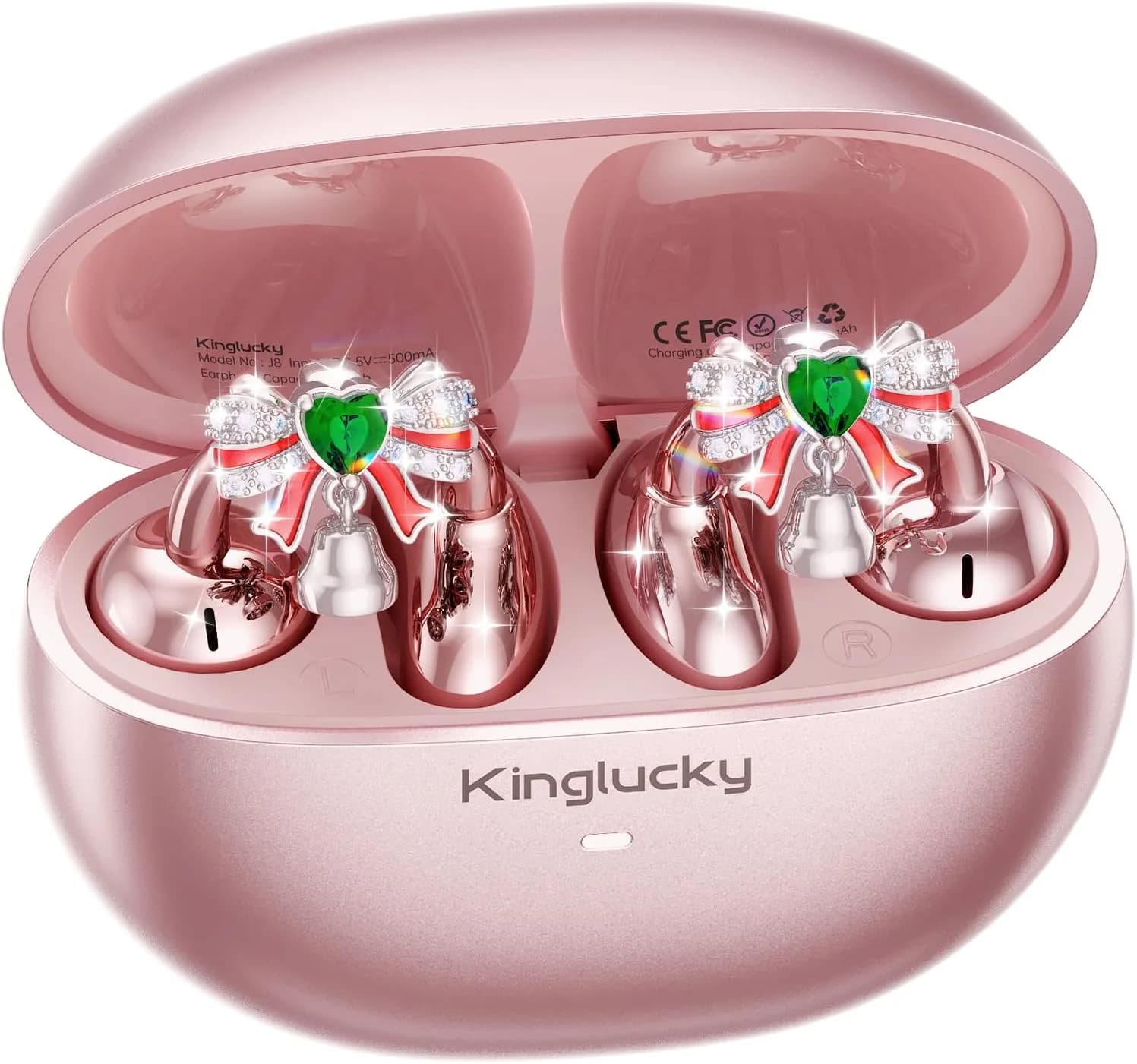
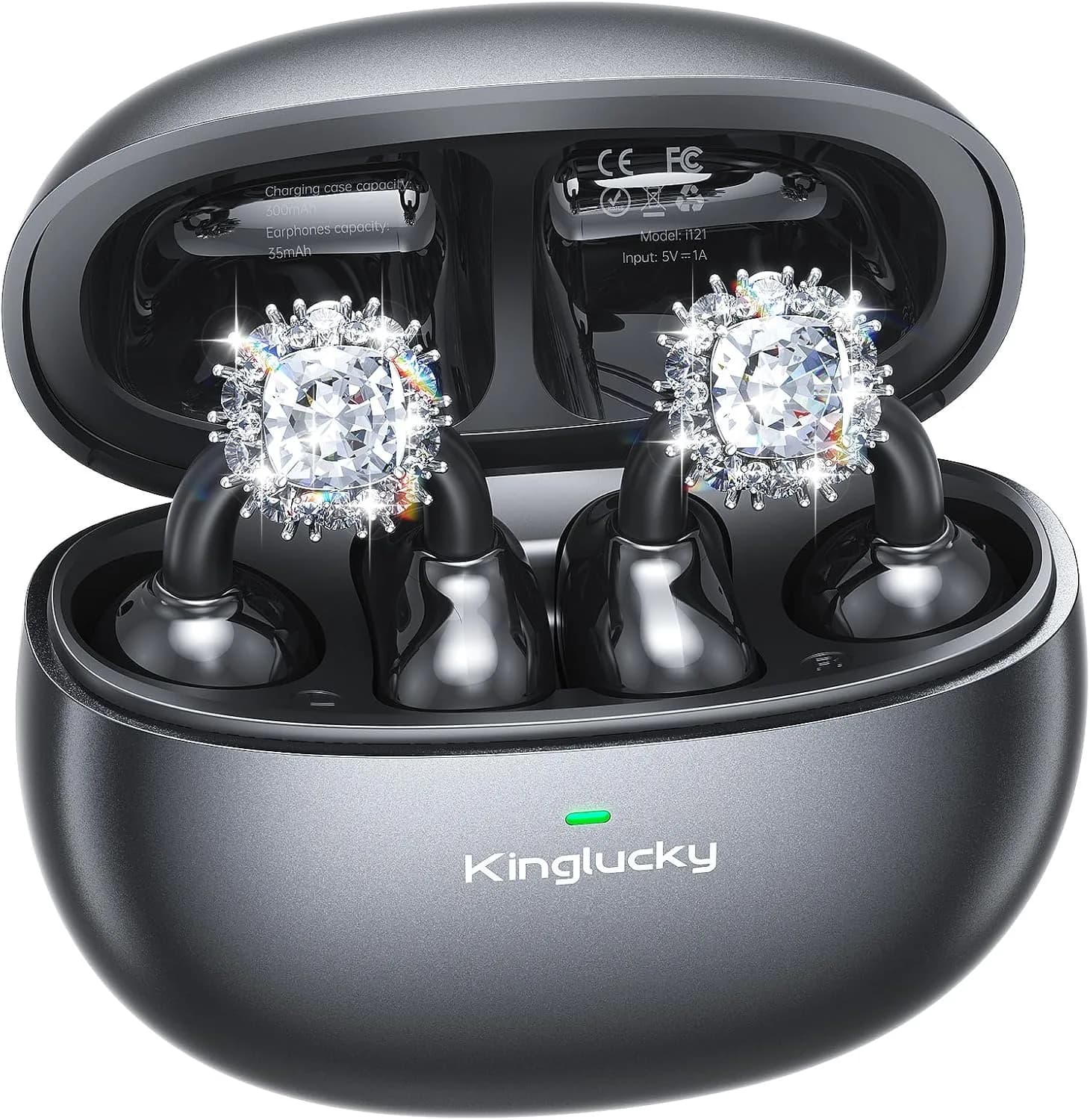
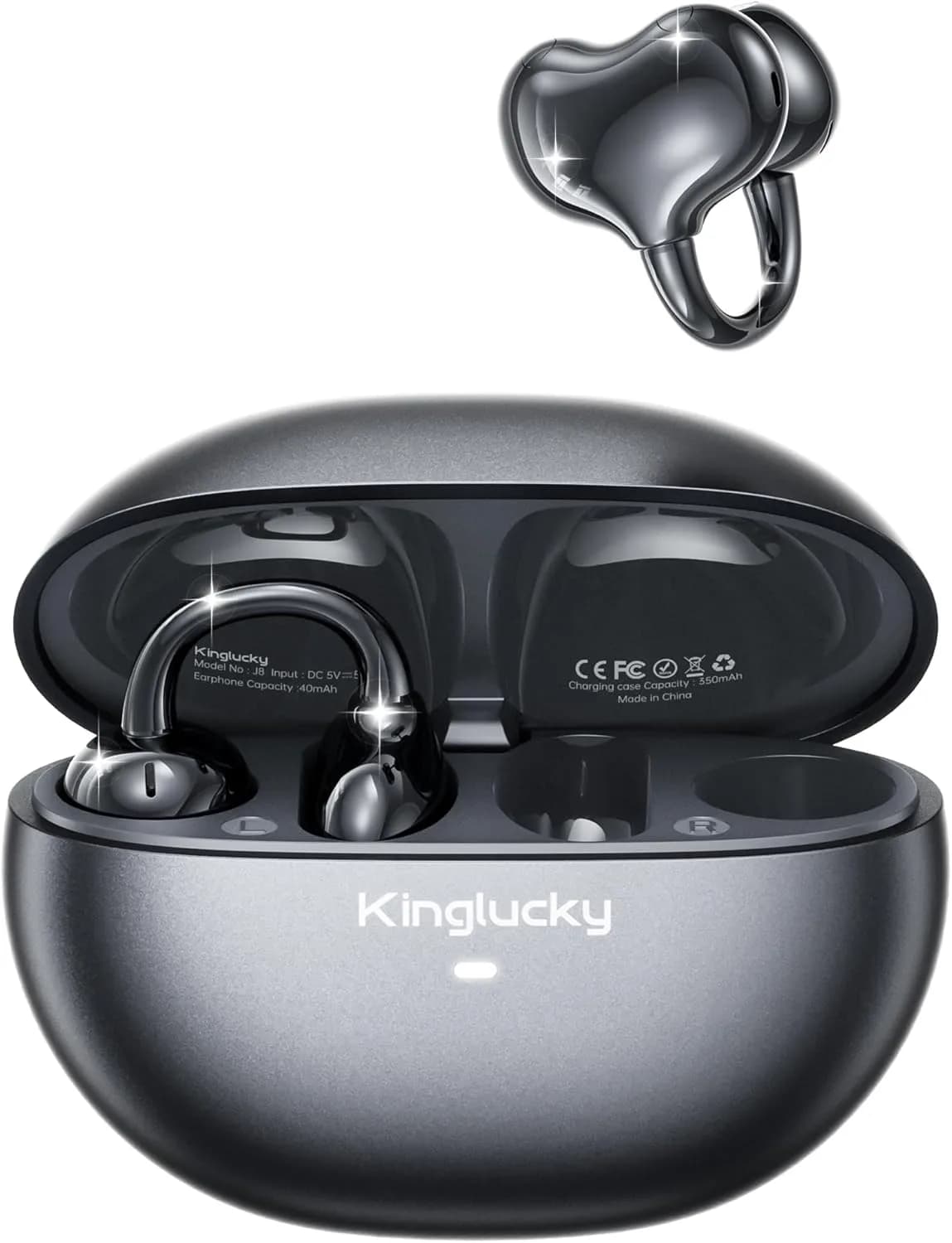
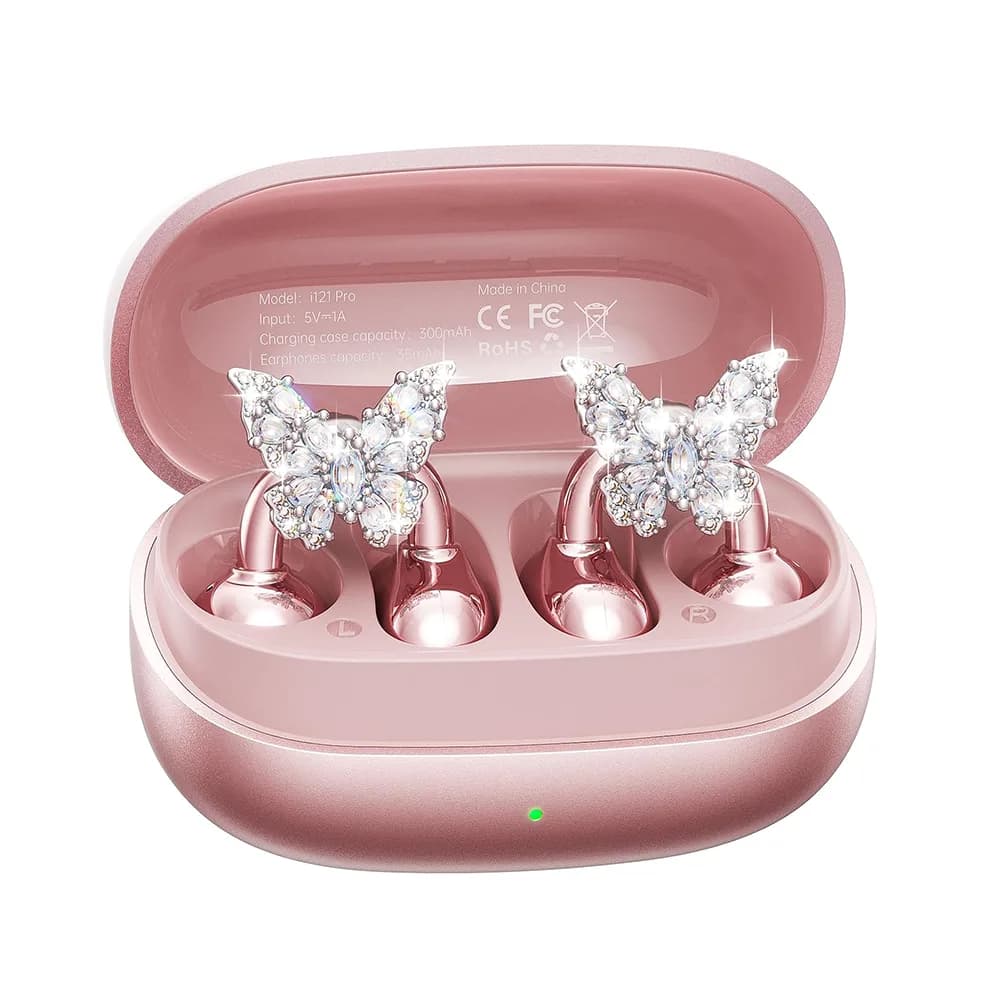
Clip-on earbuds—sometimes called ear clip headphones—are a style of open ear headphones that rest gently outside the ear canal. Instead of pushing into your ear canal like in-ear buds or covering your ears like over-ear headphones, they use a lightweight clip that hugs your outer ear to stay in place.
- Speaker unit: Sits just outside the ear canal, angled to project sound naturally.
- Ear clip mechanism: A soft, curved frame attaches around the ear, securing the device without pressure.
- Open-ear design: Leaves the ear canal partially open, allowing ambient sounds like traffic to be heard alongside your music.
How Do Clip-On Earbuds Work?
To understand how do clip on earbuds work, think about three components: the acoustic design, the clip mechanism, and the sound delivery method.
- Acoustic Design: Small drivers project sound toward the ear canal without deep insertion, creating a natural listening experience.
- Clip-On Mechanism: A lightweight hook grips the ear’s outer edge for stability without pressing into the canal.
- Sound Delivery: Balanced mids and highs, lighter bass compared to sealed earbuds, plus situational awareness.
Key Benefits of Clip-On Design
- Pressure-free comfort for long listening sessions.
- Secure fit during workouts and commuting.
- Situational awareness thanks to open-ear design.
- Lightweight build, often just a few grams.
- Breathability in hot weather or all-day use.
Common Limitations You Should Know
- Sound leakage at high volumes.
- Learning curve for new users figuring out how to wear clip on earbuds.
- Low noise isolation compared to in-ear models.
- Weaker bass response without a sealed canal.
Clip-On Earbuds vs. Traditional Earphones
| Feature | Clip-On Earbuds | In-Ear Earbuds | Over-Ear Headphones |
|---|---|---|---|
| Comfort | High, no canal pressure | Secure but can cause fatigue | Cushioned, heavier |
| Fit | Clip around ear, stable | Ear tips seal inside canal | Headband + ear cups |
| Noise Isolation | Low | High | Medium to high |
| Portability | Very light | Very light | Less portable |
| Sound Quality | Balanced, airy, moderate bass | Strong bass, immersive | Rich, powerful, wide range |
Best Situations to Use Them
- Sports and fitness training
- Commuting while staying aware of traffic
- Office work or study sessions
- Casual listening for people who dislike in-ear tips
- Hot climates where bulkier headphones feel uncomfortable
Are Clip-On Earbuds Good?
If you’re asking, are clip on earbuds good? Yes—for comfort, stability, and awareness. They may not satisfy bass lovers or those who need strong isolation, but they’re excellent for active lifestyles. Check our full guide on are clip on earbuds good for more details.
How to Wear Clip-On Earbuds Correctly
Wearing them properly ensures the best sound and fit:
- Identify left and right (L/R) markings.
- Open the clip gently.
- Place the speaker near the ear canal entrance.
- Hook the clip around your ear’s outer edge.
- Adjust the angle for clarity.
- Test stability by moving your head lightly.
See our detailed article on how to wear clip on earbuds for more tips.
Conclusion
So, how do clip on earbuds work? They combine open-ear speaker drivers with a lightweight clip mechanism that secures them comfortably on your ear. This design delivers natural sound, pressure-free comfort, and situational awareness—perfect for sports, commuting, and long listening sessions. While they’re not ideal for bass-heavy music or noisy travel, they’re a smart alternative for many users.
FAQ
Do clip on earbuds fall off easily?
No. When worn correctly, the clip design keeps them secure during running or workouts.
Are they good for running?
Yes. Their stable fit and lightweight build make them excellent for athletes.
Do clip-on earbuds hurt after long use?
Usually not. Because they don’t press into the canal, they’re more comfortable than in-ears. Adjust clip tension if needed.
Are ear clip headphones safe for ears?
Yes. They reduce canal pressure, but keep volume at safe levels to protect hearing.
How do they compare to open ear headphones like bone conduction?
Clip-ons are also open ear headphones but use traditional speakers, giving fuller sound than bone conduction while still leaving ears open.
Recommended Products