
Are Bone Conduction Headphones Safer Than Earbuds?
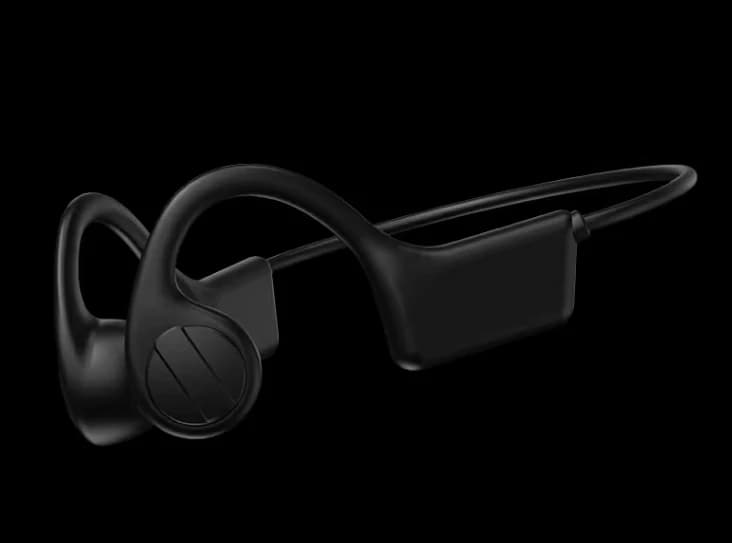
In the rapidly evolving realm of audiotechnology, we face numerous auditory devices. We've got old-school over-ear headphones, stylish wireless earbuds, and newcomers, bone conduction headphones. But with numerous options available, we pose: Are bone conduction headphones safer than earbuds? Let's delve deeper.
What Are Bone Conduction Headphones?
 Prior to discussing safety, let's understand bone conduction headphones. Unlike conventional headphones that project sound into the ear canal, bone conduction headphones employ a different method. They rest on the cheekbones, transmitting sound via skull vibration to the inner ear, bypassing the eardrum.
Key features of bone conduction headphones include:
Their design allows unobstructed ear access, enabling ambient sound perception.
Marketed as safer owing to their novel sound transmission, they are favored by athletes and outdoorsmen for practicality (such as when cycling amidst traffic).
What Are Earbuds?
 Conversely, earbuds are common knowledge. Snugly fitting in the ear canal, they transmit a direct signal to the eardrum. Wired and wireless variants exist, with the advent of Bluetooth technology leading to increased usage.
Hearing Health: Who Advances?
Hearing loss due to excessive noise exposure is a significant concern. Herein lies the bone conduction versus earbud disparity.
Earbuds: Potential Hazards
Sitting within the ear canal, earbuds amplify sound directly to the eardrum, increasing the risk of noise-induced hearing loss (NIHL). In noisy settings, individuals often increase their earbud volume excessively.
The CDC warns that sustained exposure to sounds exceeding 85 decibels can result in hearing impairment. Many earbuds surpass this threshold when amplified. Over time, this can lead to:
Tinnitus: Persistent ringing/buzzing in the ears.
Hearing loss: Gradual or abrupt, contingent upon volume and duration.
Ear fatigue: Continuous ear pressure or discomfort post-prolonged use.
Bone Conduction Headphones: A More Secure Option?
By circumventing the eardrum, bone conduction headphones are perceived as safer. Keeping the ear canal open mitigates the risk of eardrum damage. This could be advantageous for those with hearing impairments or those needing environmental awareness.
However, are they a panacea? Not entirely. Despite reducing eardrum stress, excessive volume—even through bone conduction—can still induce inner ear damage. Vibrations still reach the cochlea, making excessive volume harmful.
Conclusion: Both earbuds and bone conduction headphones can impair hearing if misused, but bone conduction may provide eardrum protection advantages.
Are bone conduction headphones better for outdoor activities?
 Bone conduction headphones are an innovative technology that transmits sound through the skull, bypassing the eardrum. This unique design makes them ideal for outdoor activities where traditional headphones may be impractical or uncomfortable.
One of the main advantages of bone conduction headphones is their ability to provide clear audio while allowing users to hear their surroundings. This is particularly beneficial for outdoor activities such as hiking, running, or cycling where safety is a priority. With traditional headphones, users may miss important sounds such as traffic or warning signals, leading to potential safety risks.
Another advantage of bone conduction headphones is their ability to stay in place during vigorous activities. Traditional headphones can easily fall off or become uncomfortable during strenuous movements, but bone conduction headphones are designed to stay securely in place. This makes them ideal for activities like rock climbing or skiing where head movements are common.
In addition to their practicality, bone conduction headphones are also designed to be more comfortable than traditional headphones. They do not rest on the ear, which can cause discomfort or pain over time. Instead, they sit directly on the skull, allowing for a more natural and comfortable listening experience.
Overall, bone conduction headphones are a great option for outdoor enthusiasts who want to enjoy their activities while staying connected to their music or podcasts. Their unique design allows for clear audio transmission, improved safety, and increased comfort, making them a top choice for outdoor activities.
• Can bone conduction headphones fully replace earbuds?
While bone conduction headphones excel in specific instances, offering superior sound quality and noise isolation, they cannot entirely substitute earbuds, particularly for quieter environments or travel.
• Are bone conduction headphones beneficial for individuals with hearing loss?
Yes, under certain circumstances. As they bypass the eardrum, bone conduction headphones can assist individuals with certain forms of hearing loss. However, their suitability for all hearing impairments should be assessed by an audiologist.
• Can bone conduction headphones be utilized for music?
Indeed! However, users should anticipate a distinct listening experience. Given their restricted frequency range, bone conduction headphones may lack the robust bass typically associated with traditional earbuds.
• Do earbuds induce more ear infections compared to bone conduction headphones?
Potentially, yes. As earbuds reside directly in the ear canal, they can trap moisture and bacteria, thereby escalating the risk of ear infections.
• Can bone conduction headphones enhance my hearing in noisy environments?
Not always. Although they enable users to perceive ambient sounds, they may not be optimal for noisy environments requiring distraction blocking.
Key Features of Kinglucky X7 Bone Conduction Headphones:

True Bone Conduction Technology: The Kinglucky X7 promises genuine bone conduction, eliminating the need for sound to enter the ear canal, reducing the risk of hearing damage.
Sound Quality: Upgraded acoustic cavity structure for high-fidelity sound quality without the common issues of poor sound or distortion seen in cheaper models.
IPX6 Waterproof Rating: These headphones are designed for intense activities and are waterproof to IPX6 standards, meaning they can handle splashes and rain, making them a good option for outdoor use or sweaty workouts.
Long Battery Life: With up to 15 hours of continuous listening and 300 hours of standby time, the Kinglucky X7 boasts a powerful battery for extended use.
Comfort: The ear-hanging design ensures that the headphones won’t fall off during physical activities, and the lightweight, skin-friendly materials are designed for all-day comfort.
Anti-Sound Leakage: Features a 360° closed sound cavity design to prevent embarrassing sound leakage, making them ideal for use in public spaces.
Bluetooth 5.3 Compatibility: Equipped with the latest Bluetooth chip for stable connections and clear calls, compatible with both Apple and Android devices.
Given its robust features and durability, the Kinglucky X7 offers great value, making it an affordable yet high-performing option for those looking for bone conduction headphones.
Are bone conduction headphones safer than earbuds? It's a matter of perspective.
From a hearing health standpoint, bone conduction headphones may provide a marginal advantage due to their non-invasive nature. However, excessive volume usage can still pose risks.
For situational awareness, bone conduction headphones emerge victorious. Their ability to maintain environmental awareness renders them safer in high-risk environments.
Regarding comfort and hygiene, bone conduction headphones exhibit superior attributes, particularly for individuals susceptible to ear infections or discomfort with earbuds.
Ultimately, both types of headphones possess advantages and disadvantages. Usage and context dictate the ultimate decision. Concerned about hearing health? Regardless of your selection, ensure appropriate volume levels. Focused on maintaining situational awareness? Bone conduction headphones may be the solution.
What Are Bone Conduction Headphones?
Key features of bone conduction headphones include:
Their design allows unobstructed ear access, enabling ambient sound perception.
Marketed as safer owing to their novel sound transmission, they are favored by athletes and outdoorsmen for practicality (such as when cycling amidst traffic).
What Are Earbuds?
Are bone conduction headphones safer than earbuds?
Hearing Health: Who Advances?
Hearing loss due to excessive noise exposure is a significant concern. Herein lies the bone conduction versus earbud disparity.
Earbuds: Potential Hazards
Sitting within the ear canal, earbuds amplify sound directly to the eardrum, increasing the risk of noise-induced hearing loss (NIHL). In noisy settings, individuals often increase their earbud volume excessively.
The CDC warns that sustained exposure to sounds exceeding 85 decibels can result in hearing impairment. Many earbuds surpass this threshold when amplified. Over time, this can lead to:
Tinnitus: Persistent ringing/buzzing in the ears.
Hearing loss: Gradual or abrupt, contingent upon volume and duration.
Ear fatigue: Continuous ear pressure or discomfort post-prolonged use.
Bone Conduction Headphones: A More Secure Option?
By circumventing the eardrum, bone conduction headphones are perceived as safer. Keeping the ear canal open mitigates the risk of eardrum damage. This could be advantageous for those with hearing impairments or those needing environmental awareness.
However, are they a panacea? Not entirely. Despite reducing eardrum stress, excessive volume—even through bone conduction—can still induce inner ear damage. Vibrations still reach the cochlea, making excessive volume harmful.
Conclusion: Both earbuds and bone conduction headphones can impair hearing if misused, but bone conduction may provide eardrum protection advantages.
Are bone conduction headphones better for outdoor activities?
One of the main advantages of bone conduction headphones is their ability to provide clear audio while allowing users to hear their surroundings. This is particularly beneficial for outdoor activities such as hiking, running, or cycling where safety is a priority. With traditional headphones, users may miss important sounds such as traffic or warning signals, leading to potential safety risks.
Another advantage of bone conduction headphones is their ability to stay in place during vigorous activities. Traditional headphones can easily fall off or become uncomfortable during strenuous movements, but bone conduction headphones are designed to stay securely in place. This makes them ideal for activities like rock climbing or skiing where head movements are common.
In addition to their practicality, bone conduction headphones are also designed to be more comfortable than traditional headphones. They do not rest on the ear, which can cause discomfort or pain over time. Instead, they sit directly on the skull, allowing for a more natural and comfortable listening experience.
Overall, bone conduction headphones are a great option for outdoor enthusiasts who want to enjoy their activities while staying connected to their music or podcasts. Their unique design allows for clear audio transmission, improved safety, and increased comfort, making them a top choice for outdoor activities.
Frequently Asked Questions
• Can bone conduction headphones fully replace earbuds?
While bone conduction headphones excel in specific instances, offering superior sound quality and noise isolation, they cannot entirely substitute earbuds, particularly for quieter environments or travel.
• Are bone conduction headphones beneficial for individuals with hearing loss?
Yes, under certain circumstances. As they bypass the eardrum, bone conduction headphones can assist individuals with certain forms of hearing loss. However, their suitability for all hearing impairments should be assessed by an audiologist.
• Can bone conduction headphones be utilized for music?
Indeed! However, users should anticipate a distinct listening experience. Given their restricted frequency range, bone conduction headphones may lack the robust bass typically associated with traditional earbuds.
• Do earbuds induce more ear infections compared to bone conduction headphones?
Potentially, yes. As earbuds reside directly in the ear canal, they can trap moisture and bacteria, thereby escalating the risk of ear infections.
• Can bone conduction headphones enhance my hearing in noisy environments?
Not always. Although they enable users to perceive ambient sounds, they may not be optimal for noisy environments requiring distraction blocking.
Key Features of Kinglucky X7 Bone Conduction Headphones:
True Bone Conduction Technology: The Kinglucky X7 promises genuine bone conduction, eliminating the need for sound to enter the ear canal, reducing the risk of hearing damage.
Sound Quality: Upgraded acoustic cavity structure for high-fidelity sound quality without the common issues of poor sound or distortion seen in cheaper models.
IPX6 Waterproof Rating: These headphones are designed for intense activities and are waterproof to IPX6 standards, meaning they can handle splashes and rain, making them a good option for outdoor use or sweaty workouts.
Long Battery Life: With up to 15 hours of continuous listening and 300 hours of standby time, the Kinglucky X7 boasts a powerful battery for extended use.
Comfort: The ear-hanging design ensures that the headphones won’t fall off during physical activities, and the lightweight, skin-friendly materials are designed for all-day comfort.
Anti-Sound Leakage: Features a 360° closed sound cavity design to prevent embarrassing sound leakage, making them ideal for use in public spaces.
Bluetooth 5.3 Compatibility: Equipped with the latest Bluetooth chip for stable connections and clear calls, compatible with both Apple and Android devices.
Given its robust features and durability, the Kinglucky X7 offers great value, making it an affordable yet high-performing option for those looking for bone conduction headphones.
Wrap Up!
Are bone conduction headphones safer than earbuds? It's a matter of perspective.
From a hearing health standpoint, bone conduction headphones may provide a marginal advantage due to their non-invasive nature. However, excessive volume usage can still pose risks.
For situational awareness, bone conduction headphones emerge victorious. Their ability to maintain environmental awareness renders them safer in high-risk environments.
Regarding comfort and hygiene, bone conduction headphones exhibit superior attributes, particularly for individuals susceptible to ear infections or discomfort with earbuds.
Ultimately, both types of headphones possess advantages and disadvantages. Usage and context dictate the ultimate decision. Concerned about hearing health? Regardless of your selection, ensure appropriate volume levels. Focused on maintaining situational awareness? Bone conduction headphones may be the solution.