
Are Open Ear Headphones Better for Your Ears? What Are the Advantages and Disadvantages?
Have you ever found yourself caught in the tangle of wires or feeling like you’re wearing earmuffs on a hot summer day because of your headphones? Welcome to the wonderful world of open-ear headphones, a game-changing invention that promises to be the solution to these woes. But here’s the big question: Are open-ear headphones better for your ears? What are the advantages and disadvantages? In a world buzzing with countless options, knowing the ins and outs of your gear is essential.
Open-ear headphones, sometimes referred to as bone conduction headphones, have been making waves in the tech world for their unique design and purported health benefits. Unlike traditional headphones that sit over your ears or earbuds that nestle inside them, open-ear headphones rest just outside the ear, allowing you to hear the world around you while still jamming out to your favorite tunes. Sounds ideal, right? But, before you throw your old headphones out the window, let’s dive into the details of whether these trendy gadgets are truly a cut above the rest.
 What Exactly Are Open-Ear Headphones?
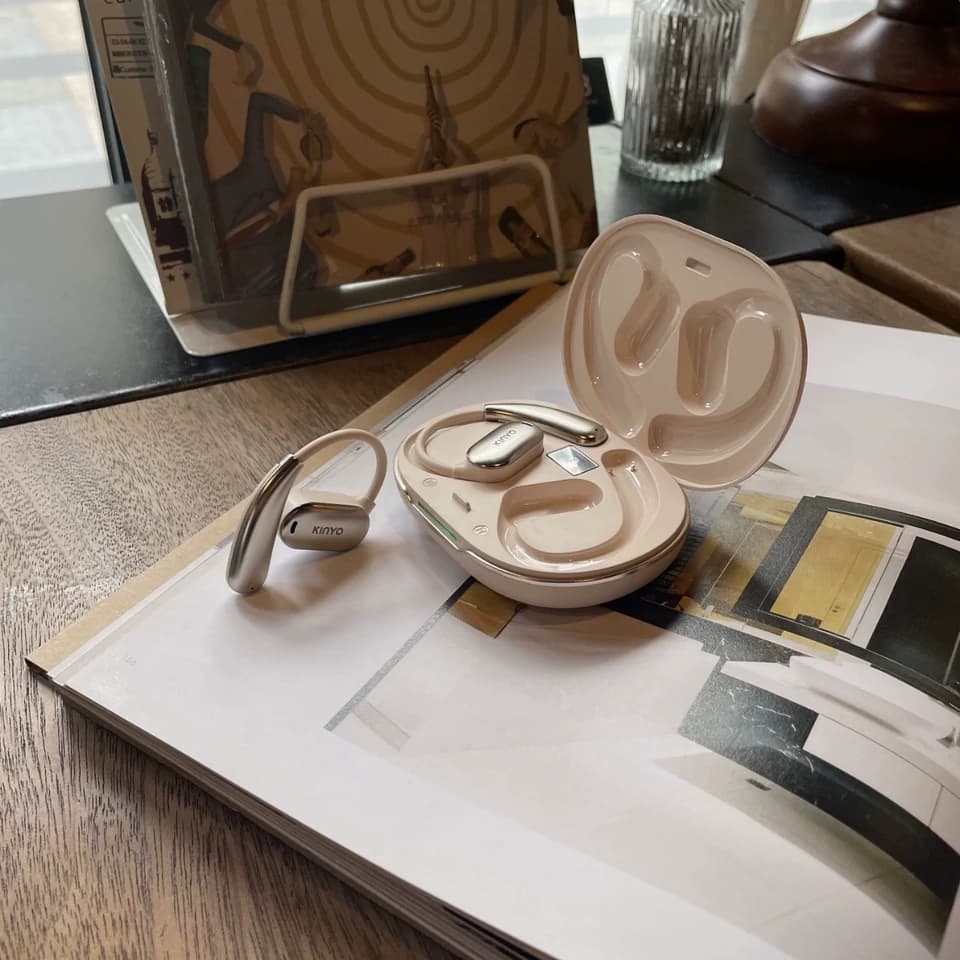
Before we get to the heart of the matter, let’s clear up what we’re talking about here. Open-ear headphones, as the name suggests, do not cover your ears completely. Instead, they use a clever design that sits on the cheekbones or just outside the ear canal, leaving your ears open to the environment. This type of headphone usually works through bone conduction technology, which transmits sound through vibrations on your bones straight to your inner ear.
Key Characteristics of Open-Ear Headphones:
Bone Conduction: Sound is transmitted via vibrations, bypassing the eardrum.
Situational Awareness: You can hear ambient noises like traffic or conversations.
Lightweight and Comfortable: Generally designed for prolonged wear without ear fatigue.
Sweat and Water Resistance: Often built for active lifestyles, making them a go-to for athletes.
Advantages of Open-Ear Headphones
So, why all the hype about open-ear headphones? Let’s break down some of their most touted advantages.
1. Improved Awareness of Your Surroundings
One of the standout features of open-ear headphones is their ability to keep you connected to your environment. Whether you’re jogging through a busy park, cycling in city traffic, or just taking a stroll down a bustling street, you’ll be able to enjoy your audio without tuning out the world around you. This situational awareness can be a lifesaver—literally—by helping you avoid accidents and stay alert to potential dangers.
2. Healthier for Your Ears
Here’s a million-dollar question: Are open-ear headphones better for your ears? Traditional headphones can sometimes cause issues like ear fatigue, discomfort, and even hearing loss if cranked up too loud. Because open-ear headphones don’t plug up your ears, they reduce the risk of ear infections and lessen ear canal irritation. They also encourage you to keep the volume at a reasonable level, reducing the chance of blasting your eardrums into oblivion.
3. Comfort and Fit
Have you ever struggled with earbuds that just won’t stay in place? Or felt your ears getting sore from prolonged use of over-ear headphones? Open-ear headphones can be a game-changer. They’re lightweight, and because they don’t sit inside your ear canal or press against your ears, they can be worn for extended periods with minimal discomfort. This makes them a popular choice among athletes and anyone who spends a lot of time wearing headphones.
4. Reduced Ear Fatigue
Ear fatigue is real, and it can be a pain—literally. When you listen to music or podcasts for hours on end, traditional headphones can strain your ears. Open-ear headphones, by allowing your ears to “breathe,” can help alleviate this issue, making them a great option for long listening sessions.
5. Sweat and Water Resistance
If you’re into fitness, you’ll know that finding the right pair of headphones can be tricky. Many open-ear headphones are designed with active users in mind, featuring sweat and water resistance. This makes them perfect for everything from intense workouts to casual jogging, without worrying about them slipping off or shorting out from moisture.
 Disadvantages of Open-Ear Headphones
Alright, so open-ear headphones have a lot going for them. But, as with all things in life, they’re not without their downsides. Let’s look at some of the potential drawbacks.
1. Sound Quality May Be Compromised
If you’re an audiophile, this might be a deal-breaker. Open-ear headphones typically don’t provide the same level of sound quality as over-ear or in-ear models. The open design means less bass and overall sound isolation, which can lead to a less immersive listening experience. For those who crave crisp highs and deep lows, this might be a sticking point.
2. Less Effective in Noisy Environments
Here’s the thing about being able to hear everything around you: sometimes you just don’t want to. In a noisy environment, open-ear headphones might struggle to compete with the surrounding sounds. If you’re in a crowded gym or a bustling office, the background noise could overpower what you’re trying to listen to, making it hard to focus on your music or podcasts.
3. Privacy Concerns
Remember that open design we talked about? Well, it’s a double-edged sword. Because the sound isn’t sealed off, there’s a greater chance that those around you might catch a snippet of your conversation or music. If you’re listening to something personal or having a private call, open-ear headphones might not be the best choice.
4. Potential for Hearing Damage at High Volumes
Although open-ear headphones are generally better for ear health, there’s still a caveat. If you crank up the volume to drown out ambient noise, you could still cause hearing damage. Just because your ears aren’t covered doesn’t mean they’re invincible. Users need to be mindful of volume levels to avoid any long-term issues.
 Common Questions About Open-Ear Headphones
People have a lot of questions about these innovative gadgets. Let’s tackle some of the most frequently asked questions to clear up any confusion.
1. Can open-ear headphones cause hearing loss?
While they’re designed to be safer for your ears, open-ear headphones aren’t completely risk-free. Listening at high volumes for prolonged periods can still cause hearing damage. The key is to keep the volume at a moderate level and take regular breaks.
2. Are open-ear headphones good for working out?
Yes! Many open-ear headphones are sweat and water-resistant, making them ideal for workouts. Their design ensures that you stay aware of your surroundings, which is particularly useful for outdoor activities like running or cycling.
3. Do they work well with glasses?
Absolutely. One of the perks of open-ear headphones is their compatibility with glasses. Since they don’t press against your ears, you can wear them comfortably with glasses without feeling squeezed or uncomfortable.
4. Can others hear what I'm listening to?
To some extent, yes. Because open-ear headphones don’t seal off sound, there’s a possibility that people nearby might hear your audio. However, this depends on the volume and the environment. In a quiet room, they might hear more than in a noisy area.
5. Are open-ear headphones suitable for people with hearing aids?
Open-ear headphones can be a good option for people with certain types of hearing aids, especially bone conduction models. However, it’s best to consult with an audiologist to ensure they’re compatible with your specific hearing aid.
So, Are Open-Ear Headphones Better for Your Ears?
After diving into the ins and outs of open-ear headphones, you might still be wondering: Are open-ear headphones better for your ears? The answer, like many things in life, isn’t cut and dried. It depends on your lifestyle, listening habits, and personal preferences.
If you value situational awareness, comfort, and convenience, open-ear headphones are a fantastic option. They’re particularly suited for active individuals who need to stay alert while enjoying their favorite audio content. Plus, their design is generally better for ear health, making them a safer alternative to traditional earbuds that can cause ear canal irritation.
However, if you’re a stickler for high-fidelity sound quality or need something that can block out the world around you, open-ear headphones might not fully meet your needs. Their open design, while great for awareness, doesn’t lend itself to the same sound immersion as other types.
 Conclusion
To sum it all up, open-ear headphones offer a unique blend of benefits and a few drawbacks. They excel in providing comfort, safety, and situational awareness, making them an excellent choice for many people, particularly those with an active lifestyle. But if you’re someone who craves superior sound quality and noise isolation, you might want to explore other options.
In the end, the choice boils down to what matters most to you. Whether you're a commuter, a fitness enthusiast, or just someone looking for a more comfortable listening experience, understanding the pros and cons can help you make an informed decision. So next time you’re pondering the question, Are open-ear headphones better for your ears? What are the advantages and disadvantages?—you’ll have a well-rounded answer ready.
Open-ear headphones, sometimes referred to as bone conduction headphones, have been making waves in the tech world for their unique design and purported health benefits. Unlike traditional headphones that sit over your ears or earbuds that nestle inside them, open-ear headphones rest just outside the ear, allowing you to hear the world around you while still jamming out to your favorite tunes. Sounds ideal, right? But, before you throw your old headphones out the window, let’s dive into the details of whether these trendy gadgets are truly a cut above the rest.
Before we get to the heart of the matter, let’s clear up what we’re talking about here. Open-ear headphones, as the name suggests, do not cover your ears completely. Instead, they use a clever design that sits on the cheekbones or just outside the ear canal, leaving your ears open to the environment. This type of headphone usually works through bone conduction technology, which transmits sound through vibrations on your bones straight to your inner ear.
Key Characteristics of Open-Ear Headphones:
Bone Conduction: Sound is transmitted via vibrations, bypassing the eardrum.
Situational Awareness: You can hear ambient noises like traffic or conversations.
Lightweight and Comfortable: Generally designed for prolonged wear without ear fatigue.
Sweat and Water Resistance: Often built for active lifestyles, making them a go-to for athletes.
Advantages of Open-Ear Headphones
So, why all the hype about open-ear headphones? Let’s break down some of their most touted advantages.
1. Improved Awareness of Your Surroundings
One of the standout features of open-ear headphones is their ability to keep you connected to your environment. Whether you’re jogging through a busy park, cycling in city traffic, or just taking a stroll down a bustling street, you’ll be able to enjoy your audio without tuning out the world around you. This situational awareness can be a lifesaver—literally—by helping you avoid accidents and stay alert to potential dangers.
2. Healthier for Your Ears
Here’s a million-dollar question: Are open-ear headphones better for your ears? Traditional headphones can sometimes cause issues like ear fatigue, discomfort, and even hearing loss if cranked up too loud. Because open-ear headphones don’t plug up your ears, they reduce the risk of ear infections and lessen ear canal irritation. They also encourage you to keep the volume at a reasonable level, reducing the chance of blasting your eardrums into oblivion.
3. Comfort and Fit
Have you ever struggled with earbuds that just won’t stay in place? Or felt your ears getting sore from prolonged use of over-ear headphones? Open-ear headphones can be a game-changer. They’re lightweight, and because they don’t sit inside your ear canal or press against your ears, they can be worn for extended periods with minimal discomfort. This makes them a popular choice among athletes and anyone who spends a lot of time wearing headphones.
4. Reduced Ear Fatigue
Ear fatigue is real, and it can be a pain—literally. When you listen to music or podcasts for hours on end, traditional headphones can strain your ears. Open-ear headphones, by allowing your ears to “breathe,” can help alleviate this issue, making them a great option for long listening sessions.
5. Sweat and Water Resistance
If you’re into fitness, you’ll know that finding the right pair of headphones can be tricky. Many open-ear headphones are designed with active users in mind, featuring sweat and water resistance. This makes them perfect for everything from intense workouts to casual jogging, without worrying about them slipping off or shorting out from moisture.
Alright, so open-ear headphones have a lot going for them. But, as with all things in life, they’re not without their downsides. Let’s look at some of the potential drawbacks.
1. Sound Quality May Be Compromised
If you’re an audiophile, this might be a deal-breaker. Open-ear headphones typically don’t provide the same level of sound quality as over-ear or in-ear models. The open design means less bass and overall sound isolation, which can lead to a less immersive listening experience. For those who crave crisp highs and deep lows, this might be a sticking point.
2. Less Effective in Noisy Environments
Here’s the thing about being able to hear everything around you: sometimes you just don’t want to. In a noisy environment, open-ear headphones might struggle to compete with the surrounding sounds. If you’re in a crowded gym or a bustling office, the background noise could overpower what you’re trying to listen to, making it hard to focus on your music or podcasts.
3. Privacy Concerns
Remember that open design we talked about? Well, it’s a double-edged sword. Because the sound isn’t sealed off, there’s a greater chance that those around you might catch a snippet of your conversation or music. If you’re listening to something personal or having a private call, open-ear headphones might not be the best choice.
4. Potential for Hearing Damage at High Volumes
Although open-ear headphones are generally better for ear health, there’s still a caveat. If you crank up the volume to drown out ambient noise, you could still cause hearing damage. Just because your ears aren’t covered doesn’t mean they’re invincible. Users need to be mindful of volume levels to avoid any long-term issues.
People have a lot of questions about these innovative gadgets. Let’s tackle some of the most frequently asked questions to clear up any confusion.
1. Can open-ear headphones cause hearing loss?
While they’re designed to be safer for your ears, open-ear headphones aren’t completely risk-free. Listening at high volumes for prolonged periods can still cause hearing damage. The key is to keep the volume at a moderate level and take regular breaks.
2. Are open-ear headphones good for working out?
Yes! Many open-ear headphones are sweat and water-resistant, making them ideal for workouts. Their design ensures that you stay aware of your surroundings, which is particularly useful for outdoor activities like running or cycling.
3. Do they work well with glasses?
Absolutely. One of the perks of open-ear headphones is their compatibility with glasses. Since they don’t press against your ears, you can wear them comfortably with glasses without feeling squeezed or uncomfortable.
4. Can others hear what I'm listening to?
To some extent, yes. Because open-ear headphones don’t seal off sound, there’s a possibility that people nearby might hear your audio. However, this depends on the volume and the environment. In a quiet room, they might hear more than in a noisy area.
5. Are open-ear headphones suitable for people with hearing aids?
Open-ear headphones can be a good option for people with certain types of hearing aids, especially bone conduction models. However, it’s best to consult with an audiologist to ensure they’re compatible with your specific hearing aid.
So, Are Open-Ear Headphones Better for Your Ears?
After diving into the ins and outs of open-ear headphones, you might still be wondering: Are open-ear headphones better for your ears? The answer, like many things in life, isn’t cut and dried. It depends on your lifestyle, listening habits, and personal preferences.
If you value situational awareness, comfort, and convenience, open-ear headphones are a fantastic option. They’re particularly suited for active individuals who need to stay alert while enjoying their favorite audio content. Plus, their design is generally better for ear health, making them a safer alternative to traditional earbuds that can cause ear canal irritation.
However, if you’re a stickler for high-fidelity sound quality or need something that can block out the world around you, open-ear headphones might not fully meet your needs. Their open design, while great for awareness, doesn’t lend itself to the same sound immersion as other types.
To sum it all up, open-ear headphones offer a unique blend of benefits and a few drawbacks. They excel in providing comfort, safety, and situational awareness, making them an excellent choice for many people, particularly those with an active lifestyle. But if you’re someone who craves superior sound quality and noise isolation, you might want to explore other options.
In the end, the choice boils down to what matters most to you. Whether you're a commuter, a fitness enthusiast, or just someone looking for a more comfortable listening experience, understanding the pros and cons can help you make an informed decision. So next time you’re pondering the question, Are open-ear headphones better for your ears? What are the advantages and disadvantages?—you’ll have a well-rounded answer ready.