How Long Do Power Banks Last?
We've all experienced this - amidst critical conversations or traveling, our phones reach 1% battery, causing immediate concern. We rely on those trusty power banks. But, how long can we truly depend on them? Do they possess expiration dates? Do they lose potency over time? This article delves into the overlooked question: "How long do power banks endure?"
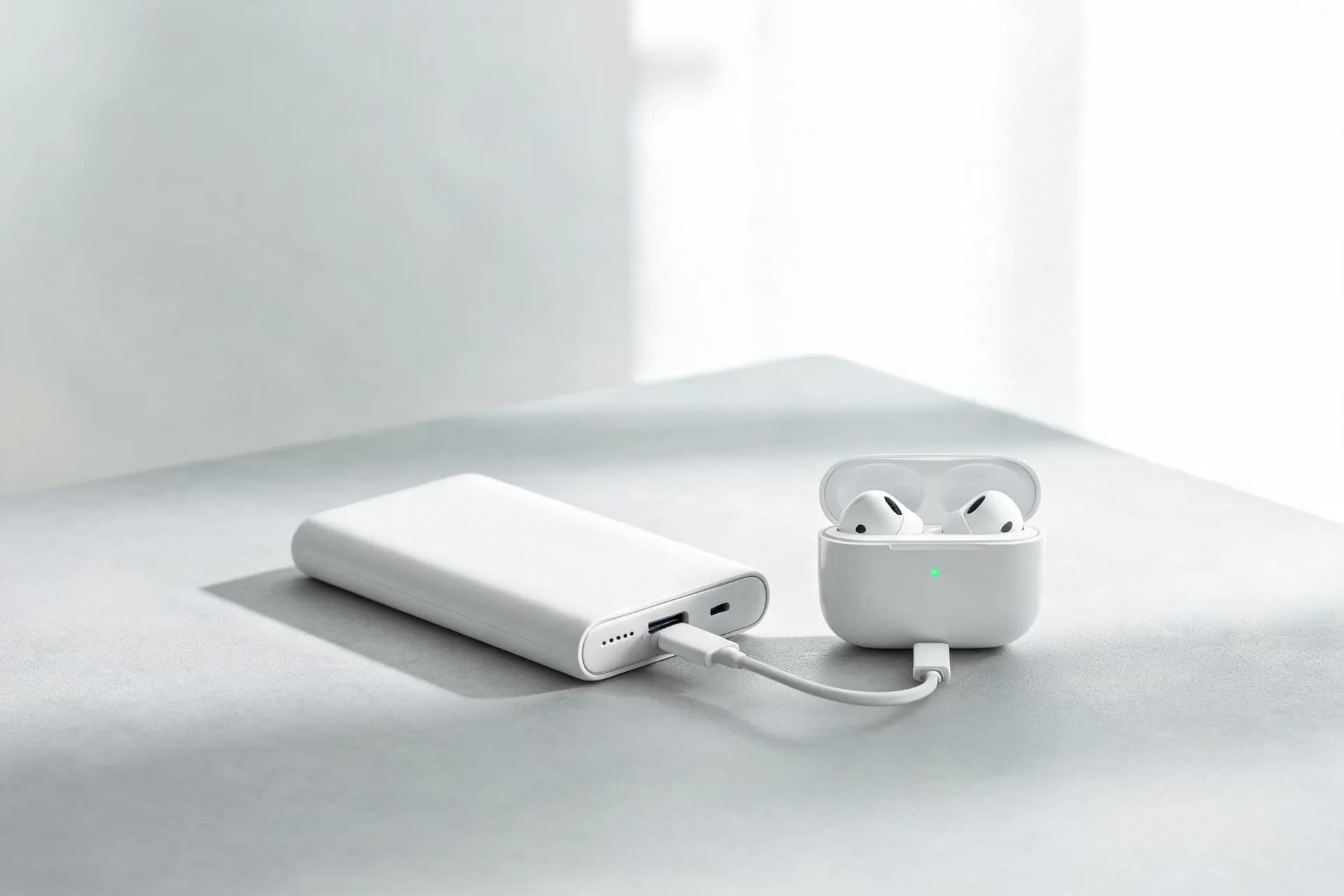
Prior to discussing durability, let's ensure we're aligned. A power bank, essentially, is a mobile battery designed to rejuvenate electronic devices such as smartphones, tablets, and laptops. It serves as an emergency back-up when conventional power sources are unavailable.
Yet, like most battery-powered items, power banks aren’t eternal. Why? Let's scrutinize further.
Factors affecting power bank lifespan
 Not all power banks are identical; various factors influence their lifespan. Before assuming your power bank should outlast the Energizer bunny, consider these aspects.
1. Capacity (measured in mAh)
A power bank's capacity, expressed in milliamp-hours (mAh), determines its energy storage potential. Larger batteries tend to be bulkier, which may be inconvenient for portability.
Capacity and lifespan correlation? A power bank with a higher capacity can sustain a single charge for a prolonged period. However, its overall lifespan hinges on its capacity retention rate. More on this later!
2. Battery Type
Power banks commonly utilize Lithium-Ion (Li-ion) or Lithium-Polymer (Li-Po) batteries. Each has unique advantages and disadvantages, but in terms of lifespan:
Li-ion batteries are prevalent, reliable, and economical but can deteriorate rapidly with inadequate care.
Li-Po batteries are lighter, more pliable, and marginally more resilient.
Selecting the appropriate battery type can affect the number of recharging cycles prior to capacity loss.
3. Charging Cycles
The notorious charging cycle - where the plot thickens. A charging cycle denotes a full charge and discharge of the power bank. With each cycle, the battery's overall capacity diminishes. Most power banks are estimated to withstand 300 to 500 charging cycles.
If used daily, a power bank's performance may diminish within a year or two. Conversely, infrequent usage extends the degradation process.
4. Usage Habits
Your power bank's usage and maintenance significantly impact its lifespan. Follow these guidelines to extend its life:
Avoid overcharging. Disconnect once fully charged. Continuous charging can stress the battery.
Minimize complete discharges. Opt to recharge at approximately 20-30%, instead of allowing it to deplete completely.
Maintain proper storage conditions. Batteries hate heat, hence store your power bank in a cool, dry location when idle.
5. Build Quality
Quality pays off, especially with power banks. Budget models may compromise on quality components, resulting in reduced lifespan. Established brands investing in robust circuit protection, thermal sensors, and premium cells offer extended product life.
What's the service life of a power bank?
 After a period of patience, here's the central inquiry: “What's the service life of a power bank?”
Basic Answer: A power bank typically lasts between 18 months to 3 years, contingent upon usage and maintenance.
With a superior quality power bank, appropriate storage, and avoidance of overcharging/overheating, its lifespan can reach 2-3 years. Conversely, frequent usage without proper charging could lead to performance degradation within a year.
Typically, a power bank deteriorates gradually rather than abruptly. Noticeable signs suggesting replacement include:
Reduced Capacity - The power bank can't sustain as many device charges as previously.
Physical Damage - Cracks, bulges, or noticeable wear indicate potential issues.
Overheating - If the power bank becomes excessively warm while charging, consider replacing it.
Can we extend a power bank's life?
Indeed, regular care such as avoiding overcharging, maintaining moderate temperatures, and utilizing appropriately can enhance its longevity.
Do power banks lose charge when idle?
Yes, they do. High-quality power banks generally lose approximately 5-10% of their charge monthly when idle.
What happens when a power bank fails?
A failed power bank can still be utilized for minor charging tasks, but a replacement would provide optimal efficiency.
Is it possible to replace the battery in a power bank?
In most instances, no. Power banks are sealed units, and internal batteries aren't replaceable. Once exhausted, it's time for a new purchase.
Tips to Extend Your Power Bank's Service Life
 Maintaining the lifespan of your power banks is crucial for their durability and performance. Here are some tips for maximizing their lifespan:
1. Store them in a cool dry place: Avoid storing them in hot, humid environments as this can reduce battery life. Store them in a cool, dry place such as a drawer or cabinet where they are unlikely to be exposed to extreme temperatures or moisture.
2. Avoid extreme temperatures: Power banks should not be exposed to extreme temperatures as this can reduce battery life. Avoid leaving them in direct sunlight or freezing temperatures.
3. Avoid overcharging: Overcharging your power banks can cause damage to the battery and reduce its lifespan. Always follow the manufacturer's instructions and only charge your power banks when they are fully depleted.
4. Avoid overuse: Overusing your power banks can also reduce their lifespan. Avoid using them constantly for long periods of time as this can cause the battery to overheat.
5. Clean them regularly: Regularly clean your power banks to prevent dust and dirt from accumulating. Use a soft cloth and gently wipe the exterior and interior of the device.
By following these tips, you can maximize the lifespan of your power banks and ensure they continue to provide reliable power for your devices.
Here are two cost-effective power bank recommendations based on the details from your documents:
1. Kinglucky i83
 This power bank offers seamless wireless charging with MagSafe compatibility, making it ideal for iPhones. It boasts strong magnetic adsorption, ensuring a secure connection even with a case. Additionally, it features intelligent temperature control to prevent overheating. Its combination of wireless and wired charging makes it versatile for everyday use.
2. Kinglucky i86
 With a 10,000mAh capacity, this power bank is perfect for outdoor use, offering both wireless (5W) and fast wired (20W) charging modes. It supports multiple devices simultaneously, including Apple and Android, and includes built-in cables for ultimate convenience.
The service life of a power bank varies. With diligent maintenance, a premium power bank can serve up to three years, or around 500 charge cycles, before performance diminishes. Neglect, however, can result in replacement within a year due to overcharging, excessive heat exposure, or inferior quality models.
Like all rechargeable devices, power banks possess a limited lifespan. Nonetheless, with adequate care, these precious charge cycles can be extended. Monitor its performance, and when required, consider investing in a new one. After all, when your phone's at 1%, a dependable power bank is invaluable!
What exactly is a power bank?
Prior to discussing durability, let's ensure we're aligned. A power bank, essentially, is a mobile battery designed to rejuvenate electronic devices such as smartphones, tablets, and laptops. It serves as an emergency back-up when conventional power sources are unavailable.
Yet, like most battery-powered items, power banks aren’t eternal. Why? Let's scrutinize further.
Factors affecting power bank lifespan
1. Capacity (measured in mAh)
A power bank's capacity, expressed in milliamp-hours (mAh), determines its energy storage potential. Larger batteries tend to be bulkier, which may be inconvenient for portability.
Capacity and lifespan correlation? A power bank with a higher capacity can sustain a single charge for a prolonged period. However, its overall lifespan hinges on its capacity retention rate. More on this later!
2. Battery Type
Power banks commonly utilize Lithium-Ion (Li-ion) or Lithium-Polymer (Li-Po) batteries. Each has unique advantages and disadvantages, but in terms of lifespan:
Li-ion batteries are prevalent, reliable, and economical but can deteriorate rapidly with inadequate care.
Li-Po batteries are lighter, more pliable, and marginally more resilient.
Selecting the appropriate battery type can affect the number of recharging cycles prior to capacity loss.
3. Charging Cycles
The notorious charging cycle - where the plot thickens. A charging cycle denotes a full charge and discharge of the power bank. With each cycle, the battery's overall capacity diminishes. Most power banks are estimated to withstand 300 to 500 charging cycles.
If used daily, a power bank's performance may diminish within a year or two. Conversely, infrequent usage extends the degradation process.
4. Usage Habits
Your power bank's usage and maintenance significantly impact its lifespan. Follow these guidelines to extend its life:
Avoid overcharging. Disconnect once fully charged. Continuous charging can stress the battery.
Minimize complete discharges. Opt to recharge at approximately 20-30%, instead of allowing it to deplete completely.
Maintain proper storage conditions. Batteries hate heat, hence store your power bank in a cool, dry location when idle.
5. Build Quality
Quality pays off, especially with power banks. Budget models may compromise on quality components, resulting in reduced lifespan. Established brands investing in robust circuit protection, thermal sensors, and premium cells offer extended product life.
What's the service life of a power bank?
Basic Answer: A power bank typically lasts between 18 months to 3 years, contingent upon usage and maintenance.
With a superior quality power bank, appropriate storage, and avoidance of overcharging/overheating, its lifespan can reach 2-3 years. Conversely, frequent usage without proper charging could lead to performance degradation within a year.
When to replace the mobile power supply?
Typically, a power bank deteriorates gradually rather than abruptly. Noticeable signs suggesting replacement include:
Reduced Capacity - The power bank can't sustain as many device charges as previously.
Physical Damage - Cracks, bulges, or noticeable wear indicate potential issues.
Overheating - If the power bank becomes excessively warm while charging, consider replacing it.
Frequently Asked Questions Regarding Power Bank Service Life
Can we extend a power bank's life?
Indeed, regular care such as avoiding overcharging, maintaining moderate temperatures, and utilizing appropriately can enhance its longevity.
Do power banks lose charge when idle?
Yes, they do. High-quality power banks generally lose approximately 5-10% of their charge monthly when idle.
What happens when a power bank fails?
A failed power bank can still be utilized for minor charging tasks, but a replacement would provide optimal efficiency.
Is it possible to replace the battery in a power bank?
In most instances, no. Power banks are sealed units, and internal batteries aren't replaceable. Once exhausted, it's time for a new purchase.
Tips to Extend Your Power Bank's Service Life
1. Store them in a cool dry place: Avoid storing them in hot, humid environments as this can reduce battery life. Store them in a cool, dry place such as a drawer or cabinet where they are unlikely to be exposed to extreme temperatures or moisture.
2. Avoid extreme temperatures: Power banks should not be exposed to extreme temperatures as this can reduce battery life. Avoid leaving them in direct sunlight or freezing temperatures.
3. Avoid overcharging: Overcharging your power banks can cause damage to the battery and reduce its lifespan. Always follow the manufacturer's instructions and only charge your power banks when they are fully depleted.
4. Avoid overuse: Overusing your power banks can also reduce their lifespan. Avoid using them constantly for long periods of time as this can cause the battery to overheat.
5. Clean them regularly: Regularly clean your power banks to prevent dust and dirt from accumulating. Use a soft cloth and gently wipe the exterior and interior of the device.
By following these tips, you can maximize the lifespan of your power banks and ensure they continue to provide reliable power for your devices.
Recommended 2 most cost-effective power banks
Here are two cost-effective power bank recommendations based on the details from your documents:
1. Kinglucky i83
2. Kinglucky i86
Wrap Up!
The service life of a power bank varies. With diligent maintenance, a premium power bank can serve up to three years, or around 500 charge cycles, before performance diminishes. Neglect, however, can result in replacement within a year due to overcharging, excessive heat exposure, or inferior quality models.
Like all rechargeable devices, power banks possess a limited lifespan. Nonetheless, with adequate care, these precious charge cycles can be extended. Monitor its performance, and when required, consider investing in a new one. After all, when your phone's at 1%, a dependable power bank is invaluable!
Recommended Products