
Are Bone Conduction Headphones Safe? Can Bone Conduction Headphones Cause Hearing Loss?
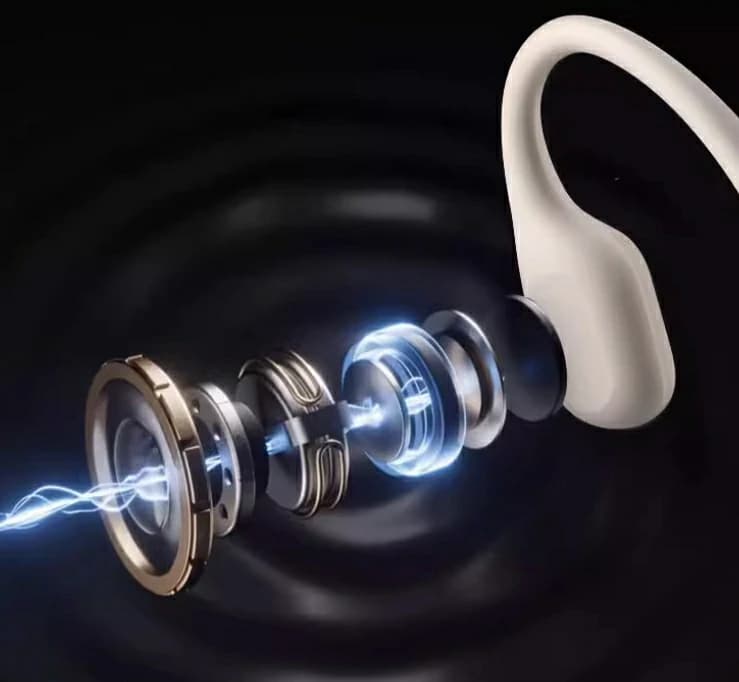
Have observed sleek, futuristic, non-earbud headphones on the move? They sit atop your cheekbones, keeping your ears unobscured from ambient noise. Known as bone conduction headphones, their growing popularity sparks queries about their safety and potential for hearing loss.
Bone conduction technology, though not novel, has been utilized in hearing aids and military communication devices. Their surge in the consumer market prompts scrutiny regarding their safety and efficacy. Given our single pair of ears, preserving hearing is paramount.
This article delves into the mechanism of bone conduction headphones, examines their safety profile, weighs the advantages and disadvantages, and addresses the critical question: are bone conduction headphones safe? Can they lead to hearing loss?
How Do Bone Conduction Headphones Function?
Understanding the working principle of bone conduction headphones is vital to assess their safety. Unlike conventional headphones that project sound into the ear canal, bone conduction headphones bypass the eardrum. Here's the rundown:
Sound Transmission: The headphones, resting on the cheekbones, transmit sound via vibration. These vibrations traverse the skull bones to the inner ear (cochlea) bypassing the outer and middle ear. Essentially, sound travels through the bone!
No Ear Canal Involvement: As they don't obstruct the ear canal, ambient sounds remain audible, making them ideal for runners or cyclists needing environmental awareness.
Inner Ear Reception: The vibrations reaching the cochlea are converted into nerve impulses recognized by the brain as sound, replicating natural voice perception.
Are Bone Conduction Headphones Safe?

With the understanding of how these innovative gadgets function, we turn to the pivotal question: are bone conduction headphones safe?
A key advantage of bone conduction headphones is their avoidance of the eardrum, potentially reducing eardrum damage. Traditional headphones, particularly at high volumes, pose a risk of eardrum rupture or chronic damage. Bone conduction headphones, transmitting sound waves directly to the inner ear, may mitigate these risks.
The open ear canal design allows for environmental awareness, enhancing safety in diverse situations including:
Outdoor Activities: Runners, cyclists, and pedestrians can detect traffic noises, horns, or approaching vehicles, potentially preventing accidents.
Work Environments: Jobs necessitating situational awareness, such as construction sites or crowded streets, benefit from open ear canals.
Like traditional headphones, misuse of bone conduction headphones can result in cochlear damage due to excessively loud music. Most models, however, incorporate volume limitations for hearing protection.
Surprisingly, bone conduction technology has been employed in the medical field for treating certain hearing impairments. For individuals with outer or middle ear damage, bone conduction devices offer clear hearing. This application highlights the safety and efficacy of bone conduction methods when used appropriately.
Can Bone Conduction Headphones Result in Hearing Decline?

Moving swiftly on to the final piece of the puzzle: can bone conduction headphones harm one's hearing? A candid evaluation.
Despite bone conduction bypassing the eardrum, the cochlea still receives sound waves. Excessive vibration at high volumes can potentially harm the inner ear, akin to conventional headphones.
Prolonged Sound Exposure: Uninterrupted exposure to intense noises, regardless of the type of headphones, can result in noise-induced hearing loss. Moderation and conscious listening are paramount.
No Magic Wand: It's crucial to recognize that bone conduction headphones mitigate certain risks, but they do not eliminate them entirely. Safe usage practices, including maintaining low volume and frequent pauses, remain vital.
Presently, there exists scant research examining the enduring effects of bone conduction headphones on hearing. Nevertheless, user experiences suggest a sense of security due to enhanced situational awareness and reduced eardrum exposure.
While research lags behind, experts recommend exercising caution - utilizing bone conduction headphones at moderate volumes and incorporating regular breaks to prevent potential overexposure.
Critics express concern regarding the potential harm caused by repetitive bone conduction headphone vibrations. Although theoretical concerns exist regarding discomfort or bone damage, empirical evidence is lacking. Until further study, it's prudent to use these headphones judiciously and heed any discomfort.
Frequently Asked Questions Regarding Bone Conduction Headphones

Users often harbor numerous queries concerning bone conduction headphones. Here are some frequently asked questions:
Typically, no. Users report comfort during extended use. However, prolonged wear can induce discomfort. If pain persists, consider a pause.
Possibly, especially for those wary of eardrum damage or require heightened situational awareness. Yet, misuse or excessive volume can nullify this advantage.
Some models are swim-friendly and water-resistant; consult the manufacturer's guidelines for regular models.
Individuals with certain forms of hearing loss, notably those affecting the cochlea or inner ear, may not derive full benefit from bone conduction headphones. Nonetheless, they serve as a viable substitute for outer or middle ear impairments.
Bone conduction headphones may leak sound due to their open design. Loud volumes could inadvertently expose others to your music or conversations.
Advantages of bone conduction headphones:

1. Comfortable fit: Bone conduction headphones are designed to rest on top of the ear, rather than inside or on the ear canal. This eliminates the discomfort and pressure associated with traditional headphones, making them a preferred choice for extended wear.
2. Safer for use during physical activities: Since the headphones do not rest directly on the ear canal, they are less likely to fall off during strenuous activities like running or cycling. This makes them a safer option for those who enjoy outdoor activities.
3. Better sound quality: Bone conduction headphones use sound waves to transmit sound directly to the inner ear, bypassing the outer ear. This results in clearer and more natural sound quality, making them a preferred choice for audiophiles.
4. No external noise interference: Traditional headphones can block out external noise, but they also create a seal that can make it difficult to hear ambient sounds. Bone conduction headphones allow users to hear their surroundings while still enjoying their music or podcasts.
1. Limited sound range: Bone conduction headphones are not as effective at transmitting sound as traditional headphones, which can result in a limited sound range. This can be a problem for those who enjoy listening to music at high volumes.
2. Less noise isolation: Since bone conduction headphones do not create a seal around the ear, they do not provide as much noise isolation as traditional headphones. This can be a problem for those who need to focus on their work or study in noisy environments.
3. Limited compatibility: Bone conduction headphones are not compatible with all devices, and may require additional accessories or adapters. This can be a problem for those who use multiple devices or travel frequently.
4. Higher price point: Bone conduction headphones are typically more expensive than traditional headphones due to their unique technology and design. This can be a barrier for those on a budget.
Are bone conduction headphones safe? Can they cause hearing decline? The answer isn't straightforward. These headphones provide a unique, potentially safer auditory experience by circumventing the eardrum. Their advantages include improved situational awareness and reduced ear canal exposure. However, misuse or extended use can pose risks.
Bone conduction technology, though not novel, has been utilized in hearing aids and military communication devices. Their surge in the consumer market prompts scrutiny regarding their safety and efficacy. Given our single pair of ears, preserving hearing is paramount.
This article delves into the mechanism of bone conduction headphones, examines their safety profile, weighs the advantages and disadvantages, and addresses the critical question: are bone conduction headphones safe? Can they lead to hearing loss?
How Do Bone Conduction Headphones Function?

Understanding the working principle of bone conduction headphones is vital to assess their safety. Unlike conventional headphones that project sound into the ear canal, bone conduction headphones bypass the eardrum. Here's the rundown:Sound Transmission: The headphones, resting on the cheekbones, transmit sound via vibration. These vibrations traverse the skull bones to the inner ear (cochlea) bypassing the outer and middle ear. Essentially, sound travels through the bone!
No Ear Canal Involvement: As they don't obstruct the ear canal, ambient sounds remain audible, making them ideal for runners or cyclists needing environmental awareness.
Inner Ear Reception: The vibrations reaching the cochlea are converted into nerve impulses recognized by the brain as sound, replicating natural voice perception.
Are Bone Conduction Headphones Safe?
With the understanding of how these innovative gadgets function, we turn to the pivotal question: are bone conduction headphones safe?
1. Reduced Eardrum Damage Risk
A key advantage of bone conduction headphones is their avoidance of the eardrum, potentially reducing eardrum damage. Traditional headphones, particularly at high volumes, pose a risk of eardrum rupture or chronic damage. Bone conduction headphones, transmitting sound waves directly to the inner ear, may mitigate these risks.
2. Environmental Awareness
The open ear canal design allows for environmental awareness, enhancing safety in diverse situations including:
Outdoor Activities: Runners, cyclists, and pedestrians can detect traffic noises, horns, or approaching vehicles, potentially preventing accidents.
Work Environments: Jobs necessitating situational awareness, such as construction sites or crowded streets, benefit from open ear canals.
3. Volume Control and Hearing Protection
Like traditional headphones, misuse of bone conduction headphones can result in cochlear damage due to excessively loud music. Most models, however, incorporate volume limitations for hearing protection.
4. Medical Uses and Hearing Impairments
Surprisingly, bone conduction technology has been employed in the medical field for treating certain hearing impairments. For individuals with outer or middle ear damage, bone conduction devices offer clear hearing. This application highlights the safety and efficacy of bone conduction methods when used appropriately.
Can Bone Conduction Headphones Result in Hearing Decline?
Moving swiftly on to the final piece of the puzzle: can bone conduction headphones harm one's hearing? A candid evaluation.
1. Risks Associated with Elevated Volume
Despite bone conduction bypassing the eardrum, the cochlea still receives sound waves. Excessive vibration at high volumes can potentially harm the inner ear, akin to conventional headphones.
Prolonged Sound Exposure: Uninterrupted exposure to intense noises, regardless of the type of headphones, can result in noise-induced hearing loss. Moderation and conscious listening are paramount.
No Magic Wand: It's crucial to recognize that bone conduction headphones mitigate certain risks, but they do not eliminate them entirely. Safe usage practices, including maintaining low volume and frequent pauses, remain vital.
2. User Feedback and Research
Presently, there exists scant research examining the enduring effects of bone conduction headphones on hearing. Nevertheless, user experiences suggest a sense of security due to enhanced situational awareness and reduced eardrum exposure.
While research lags behind, experts recommend exercising caution - utilizing bone conduction headphones at moderate volumes and incorporating regular breaks to prevent potential overexposure.
3. Vibration Concerns
Critics express concern regarding the potential harm caused by repetitive bone conduction headphone vibrations. Although theoretical concerns exist regarding discomfort or bone damage, empirical evidence is lacking. Until further study, it's prudent to use these headphones judiciously and heed any discomfort.
Frequently Asked Questions Regarding Bone Conduction Headphones
Users often harbor numerous queries concerning bone conduction headphones. Here are some frequently asked questions:
1. Are bone conduction headphones painful?
Typically, no. Users report comfort during extended use. However, prolonged wear can induce discomfort. If pain persists, consider a pause.
2. Are bone conduction headphones safer for the ears?
Possibly, especially for those wary of eardrum damage or require heightened situational awareness. Yet, misuse or excessive volume can nullify this advantage.
3. Can bone conduction headphones be used underwater?
Some models are swim-friendly and water-resistant; consult the manufacturer's guidelines for regular models.
4. Are bone conduction headphones suitable for all?
Individuals with certain forms of hearing loss, notably those affecting the cochlea or inner ear, may not derive full benefit from bone conduction headphones. Nonetheless, they serve as a viable substitute for outer or middle ear impairments.
5. Can others hear what I'm listening to?
Bone conduction headphones may leak sound due to their open design. Loud volumes could inadvertently expose others to your music or conversations.
Advantages of bone conduction headphones:
1. Comfortable fit: Bone conduction headphones are designed to rest on top of the ear, rather than inside or on the ear canal. This eliminates the discomfort and pressure associated with traditional headphones, making them a preferred choice for extended wear.
2. Safer for use during physical activities: Since the headphones do not rest directly on the ear canal, they are less likely to fall off during strenuous activities like running or cycling. This makes them a safer option for those who enjoy outdoor activities.
3. Better sound quality: Bone conduction headphones use sound waves to transmit sound directly to the inner ear, bypassing the outer ear. This results in clearer and more natural sound quality, making them a preferred choice for audiophiles.
4. No external noise interference: Traditional headphones can block out external noise, but they also create a seal that can make it difficult to hear ambient sounds. Bone conduction headphones allow users to hear their surroundings while still enjoying their music or podcasts.
Disadvantages of bone conduction headphones:
1. Limited sound range: Bone conduction headphones are not as effective at transmitting sound as traditional headphones, which can result in a limited sound range. This can be a problem for those who enjoy listening to music at high volumes.
2. Less noise isolation: Since bone conduction headphones do not create a seal around the ear, they do not provide as much noise isolation as traditional headphones. This can be a problem for those who need to focus on their work or study in noisy environments.
3. Limited compatibility: Bone conduction headphones are not compatible with all devices, and may require additional accessories or adapters. This can be a problem for those who use multiple devices or travel frequently.
4. Higher price point: Bone conduction headphones are typically more expensive than traditional headphones due to their unique technology and design. This can be a barrier for those on a budget.
Conclusion
Are bone conduction headphones safe? Can they cause hearing decline? The answer isn't straightforward. These headphones provide a unique, potentially safer auditory experience by circumventing the eardrum. Their advantages include improved situational awareness and reduced ear canal exposure. However, misuse or extended use can pose risks.