
Are Bone Conduction Headphones Safe? This Article Tells You Everything You Need to Know
Introductory Remarks
In this era of technological enhancement, it's hardly surprising that we witness increasingly sophisticated, multifunctional gadgets. Introducing bone conduction headphones - an innovation that has sparked curiosity among various demographics. However, safety concerns often shadow such remarkable discoveries. This guide unravels the mysteries surrounding bone conduction headphones.
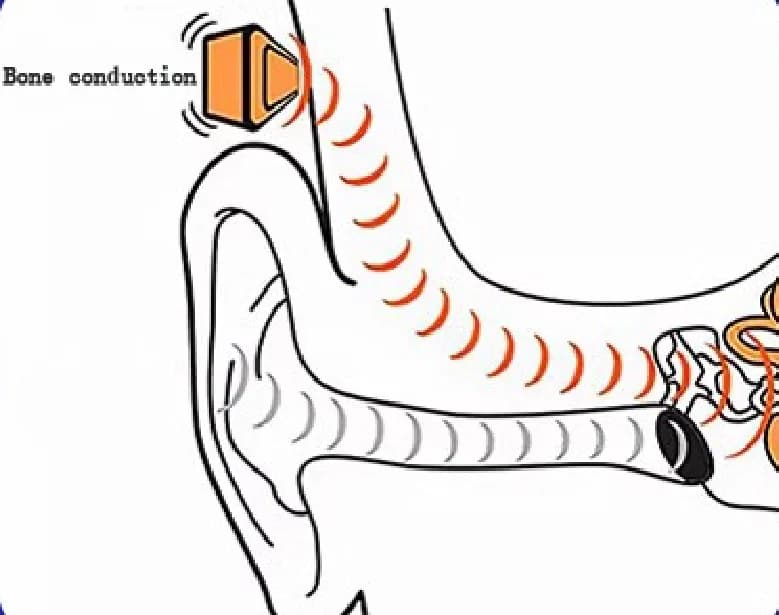
Traditional headphones typically transmit sounds directly into our ears via airborne waves. However, bone conduction headphones circumvent the eardrum; they deliver tones via skullbones, thus stimulating the inner ear. This concept may seem alien, yet it's rooted in our natural ability to hear our voices. Bone conduction headphones exploit this mechanism for external audio.
Bone conduction headphones sit on cheekbones, generating vibrations that travel through the skullbone. These vibrations bypass the eardrum and reach the cochlea, the auditory organ responsible for transmitting sound signals to the brain. The cochlea interprets these vibrations akin to regular sound, enabling clear audibility.
Understanding how they operate paves the way for understanding why they've become the talk of the town.
1. Enhanced situational awareness: The open ear design enables users to remain alert to their environment. Athletes and outdoor enthusiasts value this attribute due to its safety implications.
2. Superior comfort: Unlike earbuds, bone conduction headphones do not cause discomfort due to their non-invasive nature.
3. Increased accessibility: Individuals with specific hearing impairments find bone conduction beneficial since it bypasses the eardrum, thereby accommodating damaged eardrums.
4. Elimination of ear wax issues: Traditional earbuds can exacerbate ear wax problems, whereas bone conduction headphones largely prevent this issue.
5. Unique aesthetic appeal: The futuristic appearance and novel bone conduction experience add to their allure.
The question remains: Are bone conduction headphones safe? This section delves into the safety aspects of this innovative technology.
(Note: Some of the following content may contain minor factual errors) 1. Hearing Damage Risk: The fear regarding bone conduction headphones inflicting hearing damage is common. Since these headphones bypass eardrums, they ostensibly pose lesser risk than conventional ones. Nonetheless, excessive volume usage can still harm the cochlea over time.
2. Long-Term Effects: The question remains concerning the long-term implications of using bone conduction headphones. Are there any risks of skull bone damage or other complications? Current studies indicate no such risks. Nevertheless, further research is needed to confirm its safety.
3. Vibration Sensation: Some users experience a tingling sensation on their cheekbones while wearing bone conduction headphones. Although harmless, it can be discomforting. Individuals susceptible to vibration might wish to trial a pair first.
4. Physical Safety: A major advantage of bone conduction headphones is their potential to enhance situational awareness. However, it also means increased exposure to environmental noise. Users must remain alert and avoid becoming overly engrossed in their music.
Bone conduction headphones are becoming increasingly popular among adults and children alike. However, is it suitable for children to use these headphones? Well, let's take a closer look.
One of the main advantages of bone conduction headphones is that they allow users to listen to their music or audiobooks while still being able to hear their surroundings. Children often love being able to listen to their favorite tunes or stories while still playing with their friends or doing their homework.
Moreover, bone conduction headphones are designed to be comfortable to wear, which is essential for children who may not have the patience to wear traditional headphones for long periods of time. The headphones are lightweight and fit snugly around the head, ensuring that they stay in place even during vigorous activities.
However, it is important to note that bone conduction headphones may not be suitable for all children. For example, children with hearing loss or other ear-related issues may not be able to benefit from these headphones as much as others. Additionally, children who are prone to accidents or have a history of head injuries may need to use traditional headphones instead.
Can bone conduction headphones induce headaches?
Some users report headaches post prolonged use. This could be attributed to either the vibration or pressure caused by the headphones. Those prone to headaches should exercise caution.
Bone conduction headphones can be a viable option for children given their lack of direct impact on the ear canal. However, regular monitoring of volume and usage duration is essential to prevent potential hearing damage.
Typically, bone conduction headphones do not interfere with medical devices like pacemakers or hearing aids. However, individuals with implanted devices should consult their doctors prior to using any new technology.
This article concludes that bone conduction headphones are generally safe provided they are used responsibly. They offer unique benefits including improved situational awareness and comfort for hearing impaired individuals. However, excessive volume usage can still harm hearing. Consultation with a healthcare professional is advised for specific health concerns.
In this era of technological enhancement, it's hardly surprising that we witness increasingly sophisticated, multifunctional gadgets. Introducing bone conduction headphones - an innovation that has sparked curiosity among various demographics. However, safety concerns often shadow such remarkable discoveries. This guide unravels the mysteries surrounding bone conduction headphones.
Understanding Bone Conduction Headphones
Traditional headphones typically transmit sounds directly into our ears via airborne waves. However, bone conduction headphones circumvent the eardrum; they deliver tones via skullbones, thus stimulating the inner ear. This concept may seem alien, yet it's rooted in our natural ability to hear our voices. Bone conduction headphones exploit this mechanism for external audio.
The Mechanism Behind Their Operation
Bone conduction headphones sit on cheekbones, generating vibrations that travel through the skullbone. These vibrations bypass the eardrum and reach the cochlea, the auditory organ responsible for transmitting sound signals to the brain. The cochlea interprets these vibrations akin to regular sound, enabling clear audibility.
Reasons for Their Popularity
Understanding how they operate paves the way for understanding why they've become the talk of the town.
1. Enhanced situational awareness: The open ear design enables users to remain alert to their environment. Athletes and outdoor enthusiasts value this attribute due to its safety implications.
2. Superior comfort: Unlike earbuds, bone conduction headphones do not cause discomfort due to their non-invasive nature.
3. Increased accessibility: Individuals with specific hearing impairments find bone conduction beneficial since it bypasses the eardrum, thereby accommodating damaged eardrums.
4. Elimination of ear wax issues: Traditional earbuds can exacerbate ear wax problems, whereas bone conduction headphones largely prevent this issue.
5. Unique aesthetic appeal: The futuristic appearance and novel bone conduction experience add to their allure.
Safety Concerns Regarding Bone Conduction Headphones
The question remains: Are bone conduction headphones safe? This section delves into the safety aspects of this innovative technology.
Hearing Health & Considerations
(Note: Some of the following content may contain minor factual errors)
2. Long-Term Effects: The question remains concerning the long-term implications of using bone conduction headphones. Are there any risks of skull bone damage or other complications? Current studies indicate no such risks. Nevertheless, further research is needed to confirm its safety.
3. Vibration Sensation: Some users experience a tingling sensation on their cheekbones while wearing bone conduction headphones. Although harmless, it can be discomforting. Individuals susceptible to vibration might wish to trial a pair first.
4. Physical Safety: A major advantage of bone conduction headphones is their potential to enhance situational awareness. However, it also means increased exposure to environmental noise. Users must remain alert and avoid becoming overly engrossed in their music.
Bone conduction headphones are becoming increasingly popular among adults and children alike. However, is it suitable for children to use these headphones? Well, let's take a closer look.
One of the main advantages of bone conduction headphones is that they allow users to listen to their music or audiobooks while still being able to hear their surroundings. Children often love being able to listen to their favorite tunes or stories while still playing with their friends or doing their homework.
Moreover, bone conduction headphones are designed to be comfortable to wear, which is essential for children who may not have the patience to wear traditional headphones for long periods of time. The headphones are lightweight and fit snugly around the head, ensuring that they stay in place even during vigorous activities.
However, it is important to note that bone conduction headphones may not be suitable for all children. For example, children with hearing loss or other ear-related issues may not be able to benefit from these headphones as much as others. Additionally, children who are prone to accidents or have a history of head injuries may need to use traditional headphones instead.
Frequently Asked Safety Questions
Can bone conduction headphones induce headaches?
Some users report headaches post prolonged use. This could be attributed to either the vibration or pressure caused by the headphones. Those prone to headaches should exercise caution.
Are they suitable for children?
Bone conduction headphones can be a viable option for children given their lack of direct impact on the ear canal. However, regular monitoring of volume and usage duration is essential to prevent potential hearing damage.
Do they interfere with medical devices?
Typically, bone conduction headphones do not interfere with medical devices like pacemakers or hearing aids. However, individuals with implanted devices should consult their doctors prior to using any new technology.
Conclusion: Are Bone Conduction Headphones Safe?
This article concludes that bone conduction headphones are generally safe provided they are used responsibly. They offer unique benefits including improved situational awareness and comfort for hearing impaired individuals. However, excessive volume usage can still harm hearing. Consultation with a healthcare professional is advised for specific health concerns.