Are Open Ear Headphones Better for Your Ears
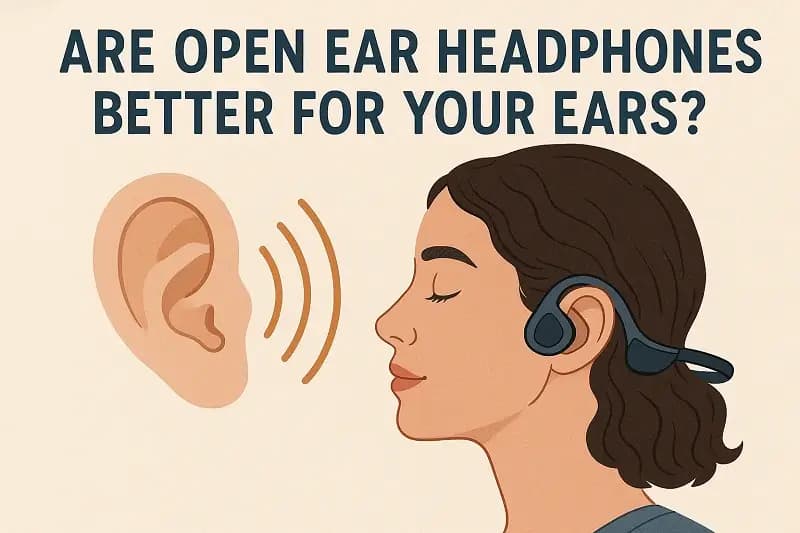
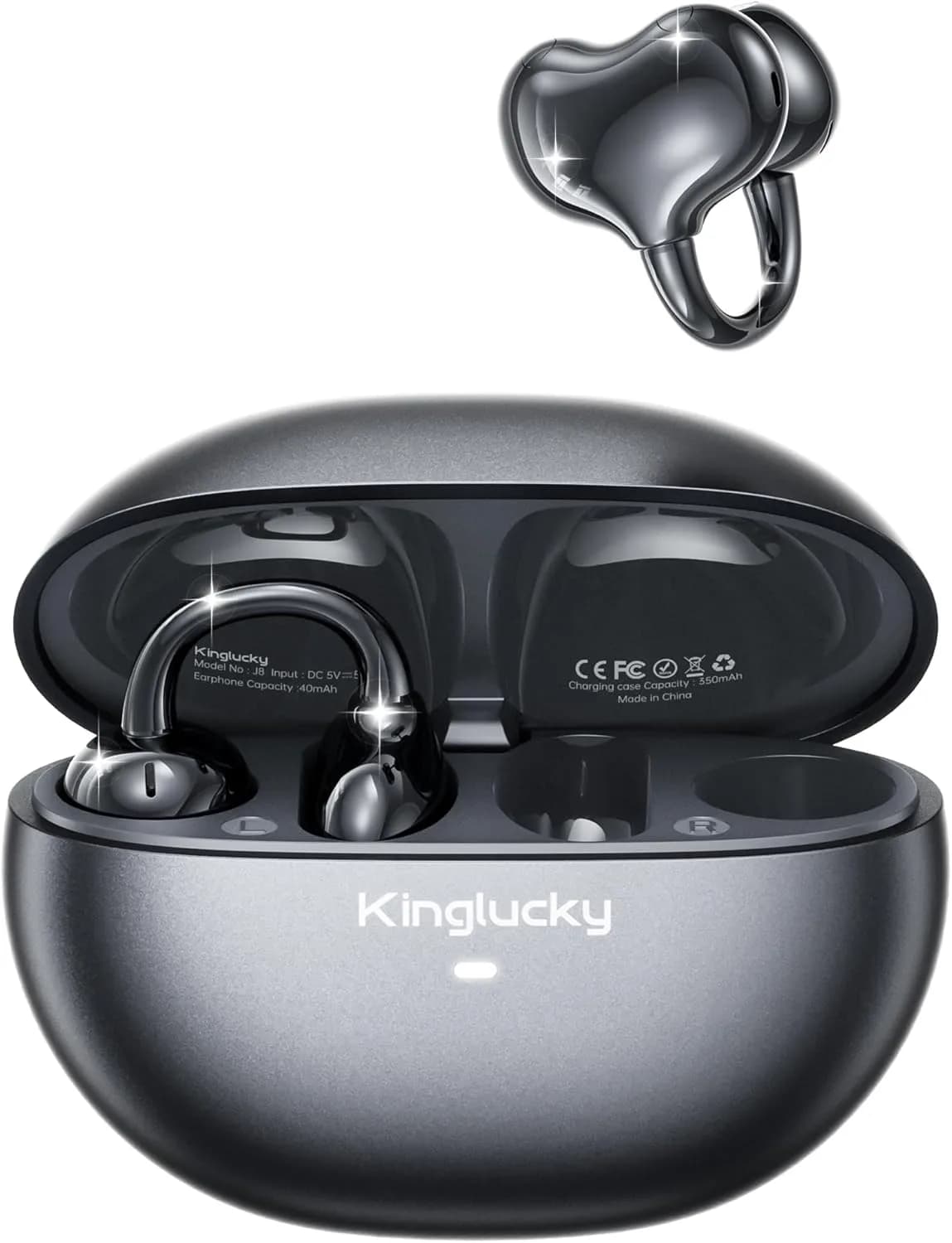
As more users shift toward safer, more ergonomic listening experiences, open ear headphones have emerged as a compelling alternative to traditional in-ear and over-ear models. But are open ear headphones genuinely better for your ears, or is the trend driven more by lifestyle than health? In this article, we explore their anatomical benefits, risk-reduction potential, use-case suitability, and compare them to more conventional audio options. If you're evaluating headphone choices not just for sound, but for long-term ear health, read on.

Want to learn more about the differences in headphone architecture? Read our in-depth guide: Are Open-Ear Headphones Less Damaging
While open ear styles don’t always offer the immersive sound isolation some users want, they excel in low-risk, prolonged listening scenarios like office work, home use, or outdoor activities.
Learn more in our guide: Are Open-Ear Headphones Less Damaging
This tradeoff must be weighed against your privacy needs. If you're using open ear headphones in quiet libraries or shared offices, adjust your volume accordingly.
They can be, especially for users with:
The Anatomy of Listening: Why Ear Design Matters
Traditional in-ear earbuds create a seal in the ear canal, which can increase ear pressure, trap heat and moisture, and potentially exacerbate issues such as:- Otitis externa (inflammation from bacteria trapped in moist environments)
- Tinnitus (prolonged high-volume exposure near the eardrum)
- Ear fatigue from long-term compression and blocked airflow
- Better air circulation
- Reduced internal pressure
- More natural sound exposure
Want to learn more about the differences in headphone architecture? Read our in-depth guide: Are Open-Ear Headphones Less Damaging
Open Ear Headphones vs Traditional Designs: A Health Perspective
| Feature | Open Ear Headphones | In-Ear Earbuds | Over-Ear Headphones |
|---|---|---|---|
| Ear Canal Pressure | None | Moderate to High | Low to Moderate |
| Moisture Accumulation | Minimal | High | Medium |
| Risk of Hearing Fatigue | Low | High (at high volume) | Medium |
| Ventilation & Breathability | Excellent | Poor | Average |
| Recommended for Long Use | ✅ Yes | ⚠️ With caution | ✅ With breaks |
While open ear styles don’t always offer the immersive sound isolation some users want, they excel in low-risk, prolonged listening scenarios like office work, home use, or outdoor activities.
Addressing Deep-Rooted Concerns
Q: Do open ear headphones reduce the risk of hearing loss?
Not by default—volume remains the key factor. However, because open headphones encourage lower volume usage (thanks to their ambient-aware design), they may help reduce the temptation to blast music, especially in quiet environments.Learn more in our guide: Are Open-Ear Headphones Less Damaging
Q: Can they prevent ear infections?
Yes, in many cases. Without blocking the canal, airflow helps reduce bacterial growth, especially for users prone to irritation, allergies, or recurring infections.But Can People Around Me Hear My Music?
One common concern with open ear designs is sound leakage. Because they do not form a physical barrier, they may emit more ambient noise. However, this varies by design.- In quiet environments, leakage can be noticeable at high volumes.
- In busy outdoor spaces, it's rarely an issue.
This tradeoff must be weighed against your privacy needs. If you're using open ear headphones in quiet libraries or shared offices, adjust your volume accordingly.
Use Cases That Align with Ear Health
Open ear headphones are not just about comfort—they’re about sustainability of hearing and ear wellness. Ideal scenarios include:- Remote work/Zoom meetings: Keeps your ears comfortable and avoids heat buildup over hours.
- Long runs or biking: Keeps your ears open to important ambient sounds while reducing sweat build-up.
- Elderly users or children: Reduces risk of improper use or injury from over-insertion.
The Real-World Feedback Loop
Users across forums, fitness communities, and remote work platforms have shared:- "My ears don’t get sore after 5-hour meetings anymore."
- "No more itchiness after jogging in summer."
- "Finally something my daughter can wear without fussing."
Expert Takeaways & Final Verdict
So, are open ear headphones better for your ears?They can be, especially for users with:
- Sensitive skin or ear canals
- Long listening durations
- A history of ear infections or fatigue
- A need for ambient awareness
おすすめ製品