What Are Open Ear Headphones
What Are Open Ear Headphones? A Complete Guide to This Game-Changing Design
Introduction: The Rise of Open Ear Headphones
Ever wished you could listen to music while running, but still hear cars approaching? Or wear headphones all day without sore ears? That’s where open ear headphones come in. These innovative devices are transforming how we listen to audio by combining comfort, safety, and sound quality. In this guide, we’ll answer the question what are open ear headphones, explain their design, compare them to traditional models, and highlight their key benefits for fitness enthusiasts, commuters, and health-conscious users.

What Are Open Ear Headphones? Definition & Core Design
The Basics: How Open Ear Headphones Differ from Traditional Headphones
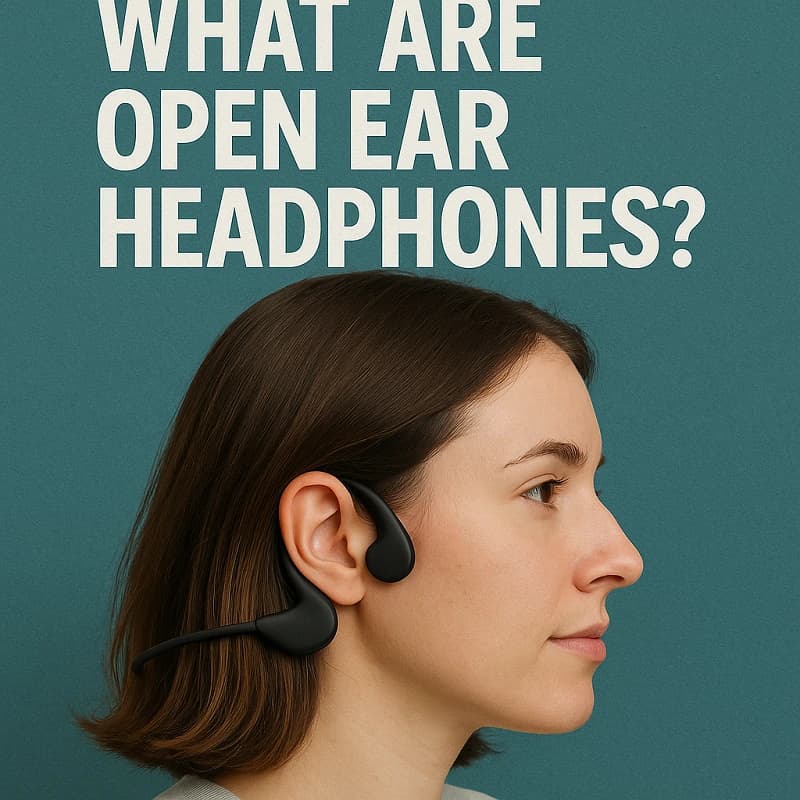
Open ear headphones—sometimes called "open earbuds" or "ear canal-free headphones"—are designed to sit outside or around the ear canal, not inside or over it. Unlike in-ear headphones (which plug into the ear) or over-ear headphones (which cover the ear entirely), open ear headphones leave the ear canal free. This design dramatically changes comfort, sound delivery, and safety.
Visualizing the Design: What Do Open Ear Headphones Look Like?
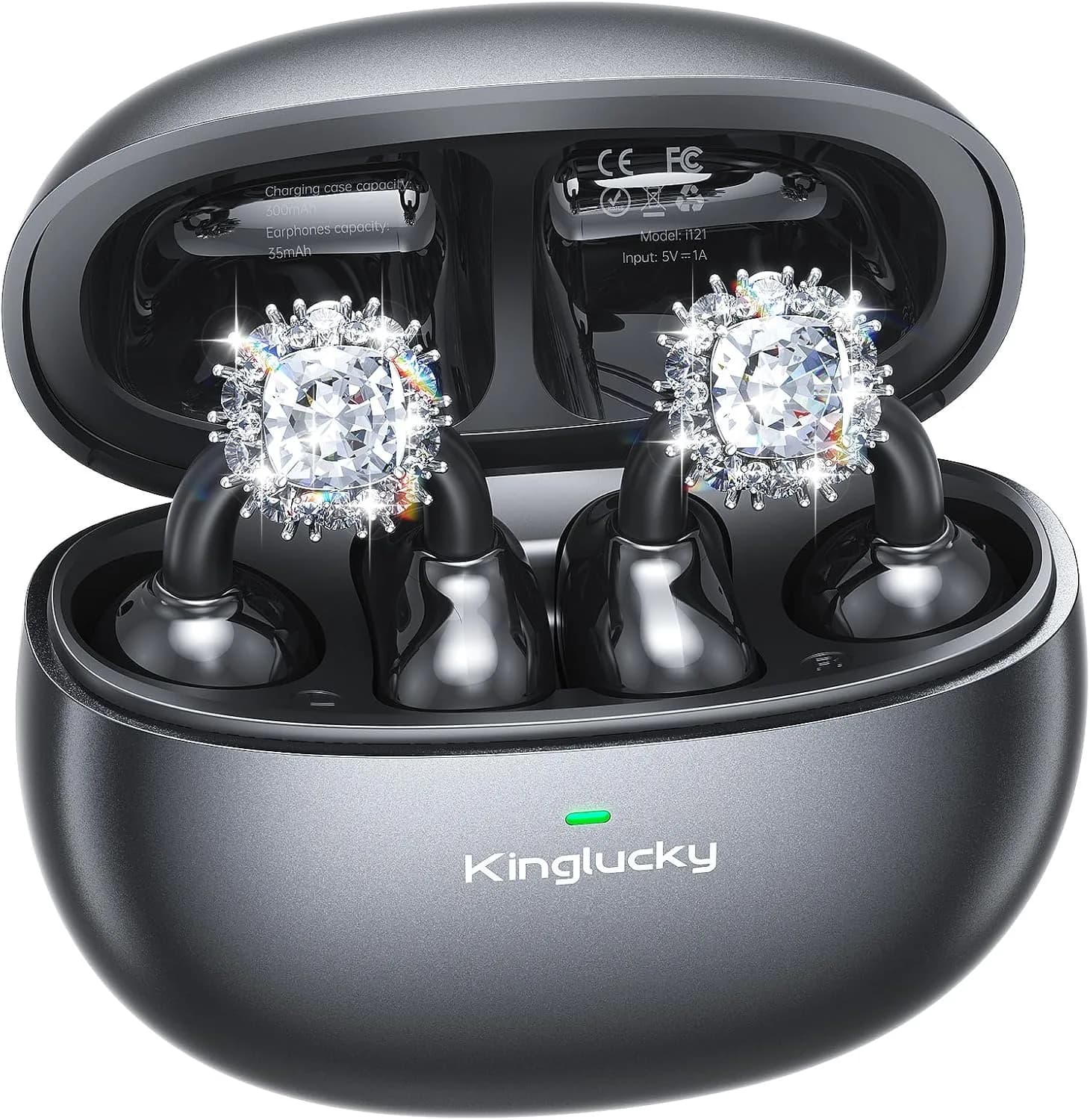
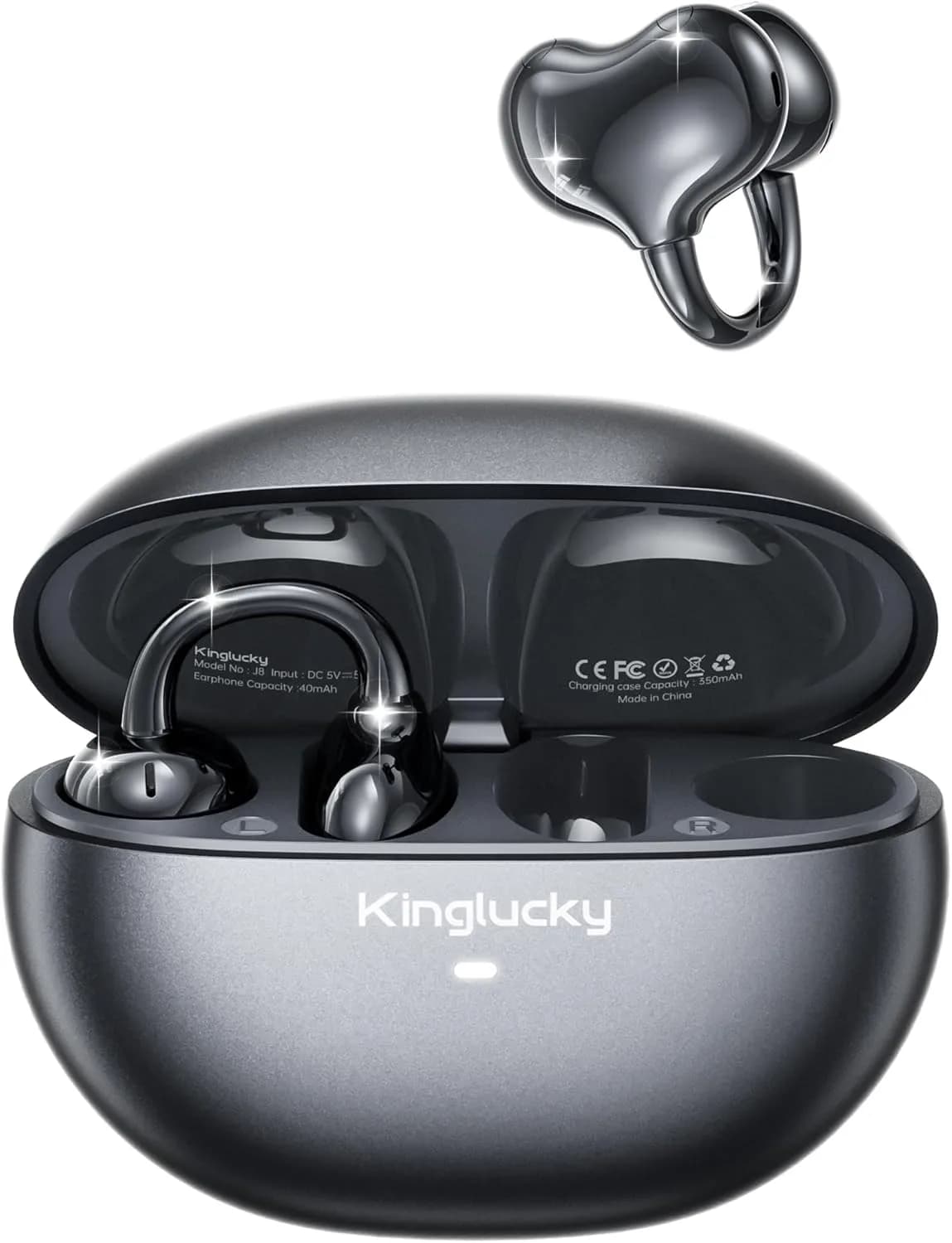
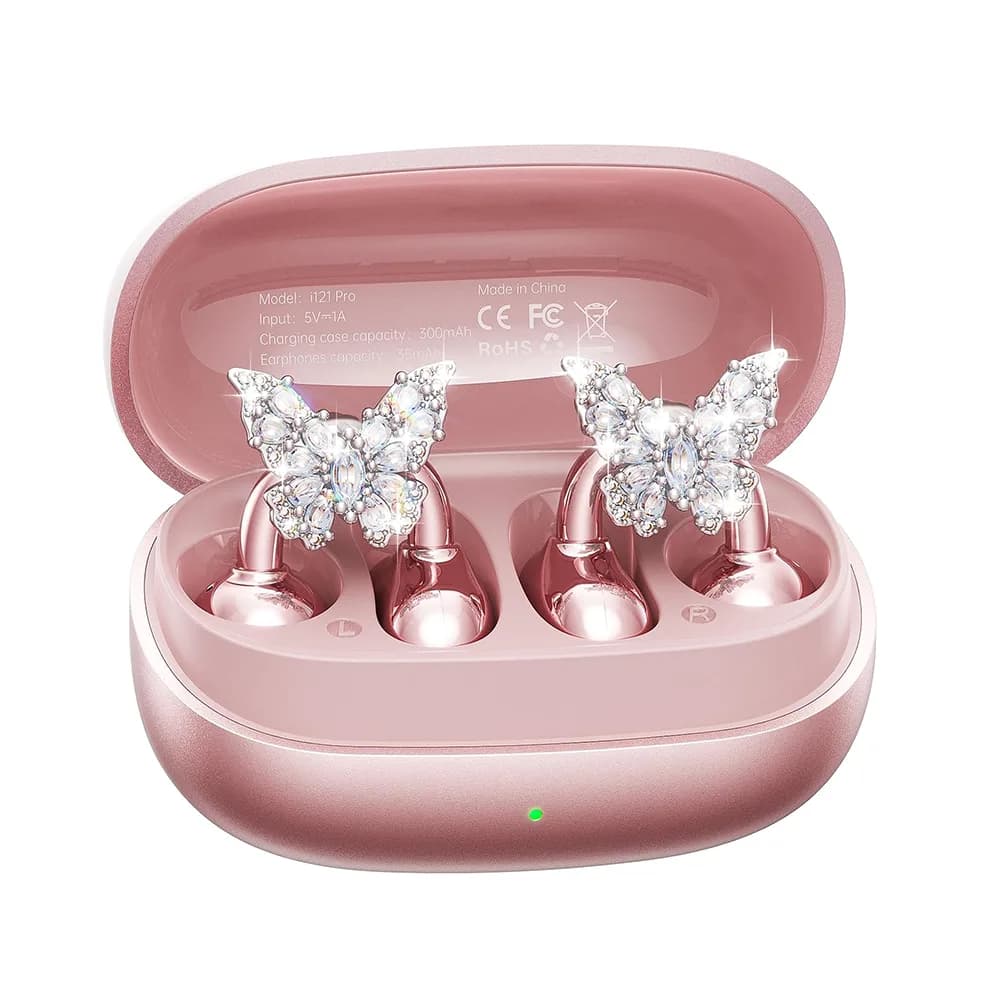
Most open ear headphones use lightweight, ergonomic frames that rest on the outer ear or wrap around it. Two common types are:
- Bone conduction headphones: Transmit sound through vibrations along the cheekbones to the inner ear, bypassing the eardrum.
- Air conduction headphones: Use small directional speakers to send sound toward the ear canal without blocking it.
Both styles prioritize "ear canal freedom," making them unique in the headphone market.
Open Ear Headphones vs. In-Ear/Over-Ear Headphones: Key Differences
Ear Canal Access: Open vs. Blocked
The most obvious difference is open ear headphones don’t block the ear canal. In-ear models create a tight seal with silicone tips, while over-ear headphones use padded cups to block outside noise. Open ear headphones leave the canal open, allowing external sounds in for greater awareness.
Sound Delivery: Bone Conduction vs. Air Conduction vs. Sealed
Traditional headphones use sealed air conduction—sound waves travel directly into the ear canal. Open ear headphones use bone conduction (vibrations through the skull) or air conduction (unsealed directional audio). Both methods minimize ear pressure and reduce the risks of extended wear.
3 Core Benefits of Open Ear Headphones
1. Situational Awareness (Stay Safe & Connected)
Because they don’t block the ear canal, open ear headphones allow ambient noise in. Runners can hear approaching cars, office workers can hear colleagues, and parents can stay tuned to children while listening to podcasts. This makes them safer and more practical than fully sealed headphones.
2. All-Day Comfort (No Ear Fatigue)
Without silicone tips or heavy ear cups pressing against the ear, open ear headphones eliminate common discomfort. Many weigh under 30 grams and can be worn for 4–8 hours without fatigue, making them a favorite for long commutes, gaming, and all-day use.
3. Ear Health (Reduce Risk of Ear Infections & Hearing Damage)
Traditional in-ear designs can trap heat, moisture, and bacteria—risk factors for ear infections. By letting the ear canal breathe, open ear headphones lower this risk. They also reduce the temptation to raise volume excessively, which audiologists note is a leading cause of noise-induced hearing loss.
How Do Open Ear Headphones Work? A Quick Overview
To fully understand what are open ear headphones, it helps to look at their unique mechanics. Instead of sealing the ear canal, they transmit audio through bone conduction (vibrations) or air conduction (directional sound). This allows users to enjoy music and calls while keeping ears open to the environment.
For a deeper dive into their mechanics—including how bone conduction bypasses the eardrum and how air conduction minimizes sound leakage—check out our guide on how do open ear headphones work on our official website.
Who Should Use Open Ear Headphones? Ideal Scenarios
- Fitness enthusiasts: Runners and cyclists benefit from hearing traffic while enjoying music.
- Office workers: Stay focused on calls without isolating from colleagues.
- Parents and caregivers: Listen while staying alert to kids or pets.
- People with sensitive ears: Avoid irritation from in-ear tips or over-ear pressure.
- Long-session listeners: Gamers, drivers, and students who wear headphones for 6+ hours daily.
What to Look for When Buying Open Ear Headphones
1. Sound Quality (Clarity Over Bass)
Since open ear headphones don’t seal the ear, they naturally emphasize clarity over booming bass. Look for models with directional audio or leakage reduction technology to ensure sound is focused on your ears, not those around you.
2. Comfort & Fit (Ergonomics Matter)
Fit is essential. Some designs sit on the tragus, others wrap behind the ear. Choose lightweight frames (often made from titanium or flexible polymers) for all-day comfort.
3. Battery Life (At Least 6 Hours)
Most quality models offer 6–10 hours of playback. Fast charging—such as 10 minutes for 2 hours of use—is also useful for athletes or commuters who need quick top-ups.
Conclusion: Are Open Ear Headphones Right for You?
So, what are open ear headphones? They’re a revolutionary approach to personal audio—keeping the ear canal free for comfort, health, and safety. With benefits like situational awareness, long-wear comfort, and reduced ear health risks, they’re an excellent choice for fitness enthusiasts, commuters, parents, and anyone tired of ear fatigue from traditional designs.
Want to go further? Start with the basics of their design, then explore the science in detail through our dedicated article: how do open ear headphones work. Once you understand their mechanics, you’ll see why open ear headphones are more than a passing trend—they’re a smarter, healthier way to listen in 2025 and beyond.
Recommended Products