Open Earbuds vs In-Ear Earbuds: What's the Difference?
Introduction
If you've ever felt discomfort from traditional earbuds that seal inside your ear canal, you're not alone. Millions of listeners are discovering there's a fundamentally different kind of earbud designed for all-day comfort — and understanding the open earbuds vs in-ear earbuds distinction could change the way you listen forever.
The core difference comes down to this: in-ear earbuds plug into your ear canal to create a sealed listening environment, while open ear earbuds rest outside the canal, letting you hear your music and your surroundings simultaneously.
In this guide, we'll break down every meaningful difference between these two categories — from sound quality and comfort to use-case fit and health implications — so you can decide which style is right for you.
What Are In-Ear Earbuds?
In-ear earbuds (also called in-canal or sealed earbuds) are the most common type of wireless earbuds on the market. They feature silicone or foam tips that insert directly into your ear canal, creating an acoustic seal.
Key characteristics:
-
Sealed design — Tips insert into the ear canal for noise isolation
-
Passive noise cancellation — The seal blocks external sound
-
Stronger bass response — Sealed chambers amplify low frequencies
-
Wide variety — Available at every price point from $$15 to$$500+
Popular examples: Apple AirPods Pro, Sony WF-1000XM5, Samsung Galaxy Buds2 Pro
What Are Open Ear Earbuds?
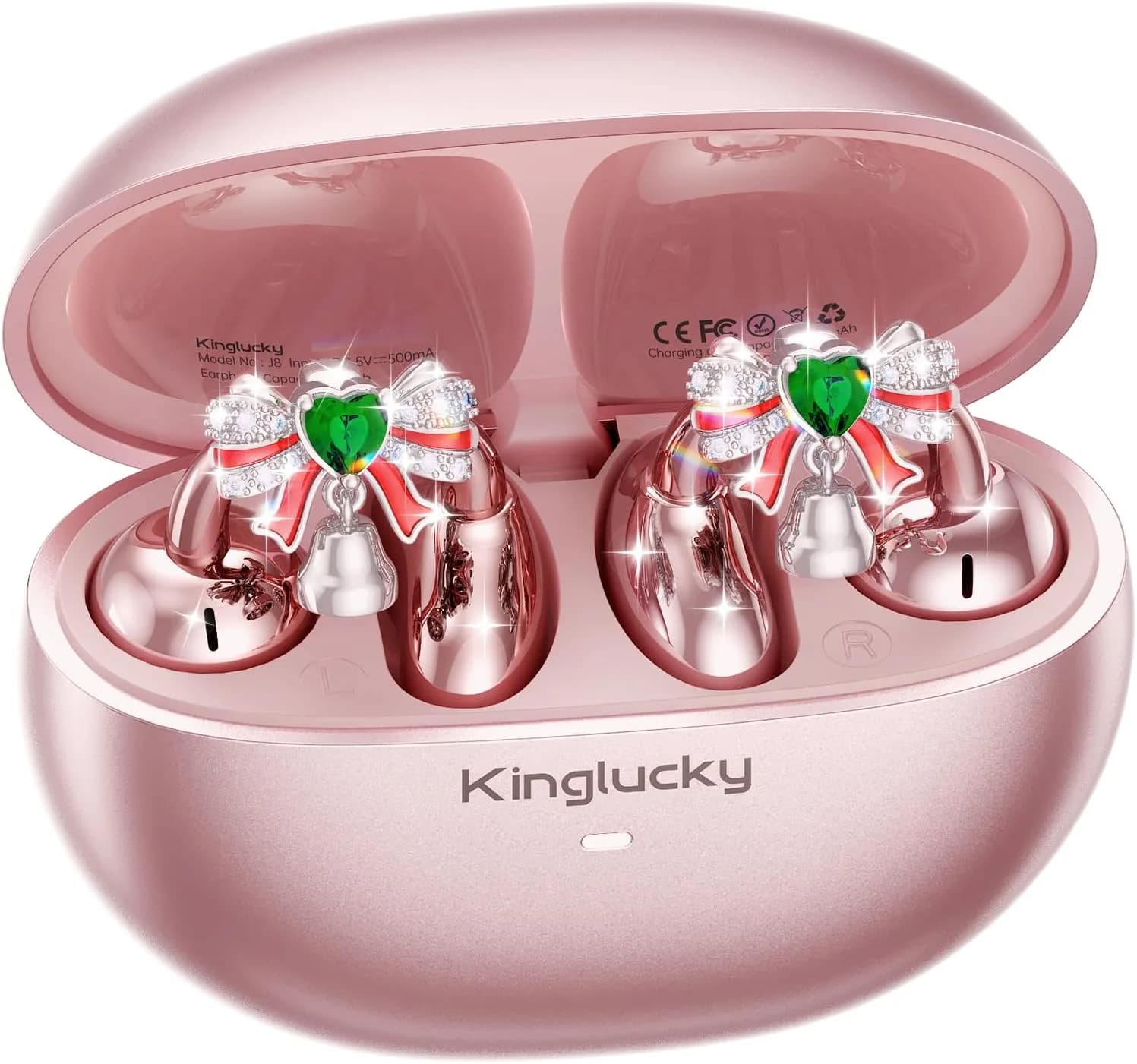
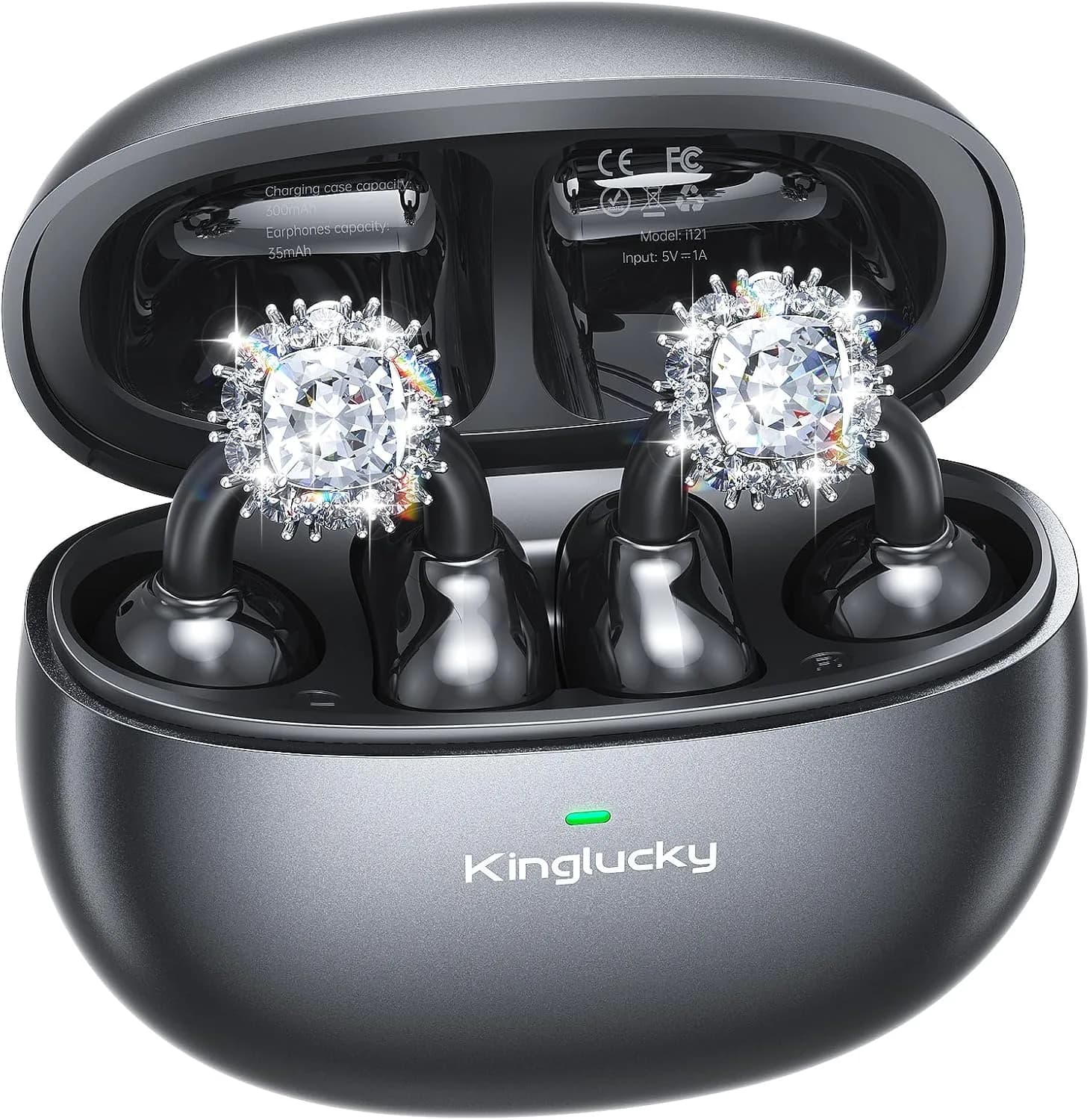
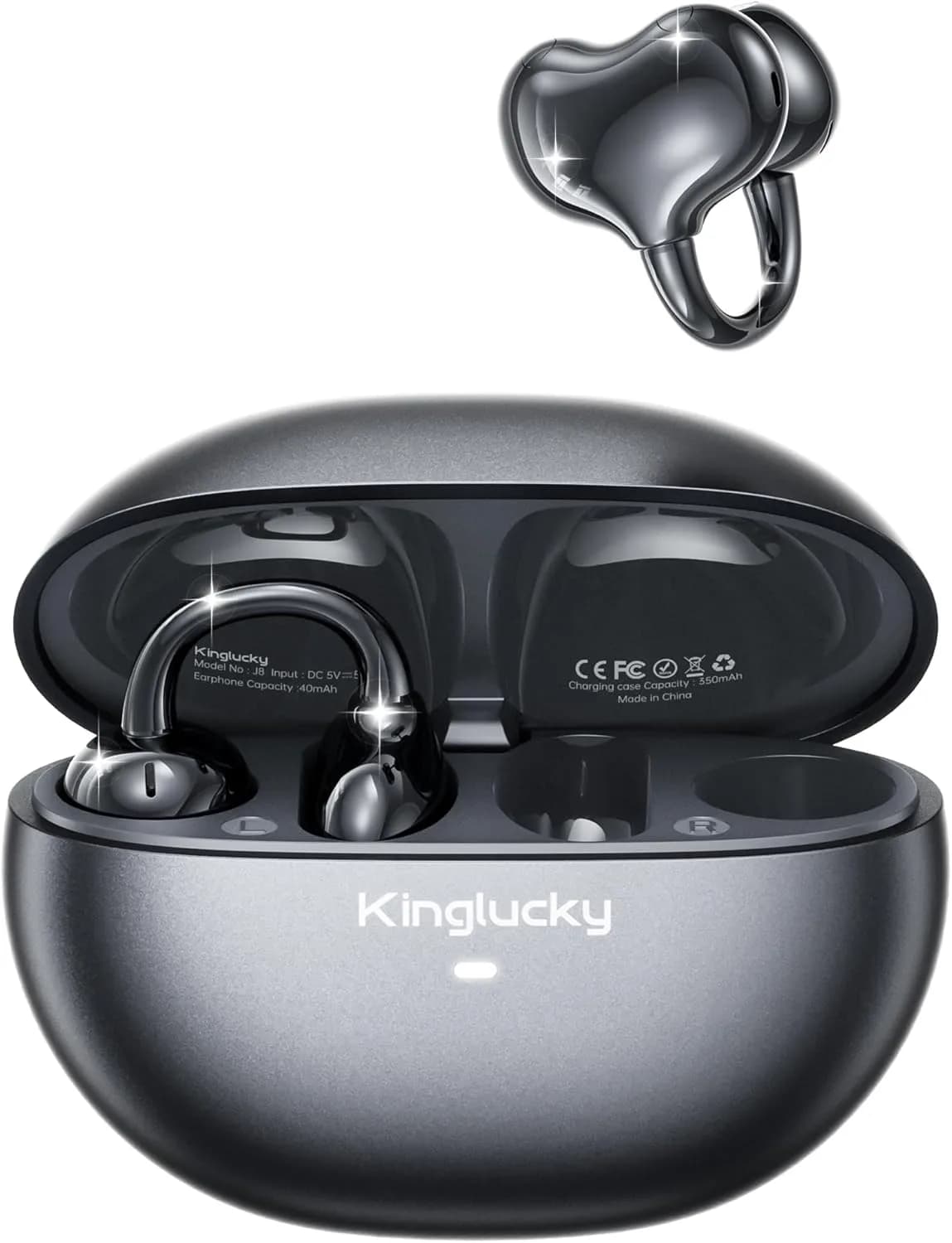
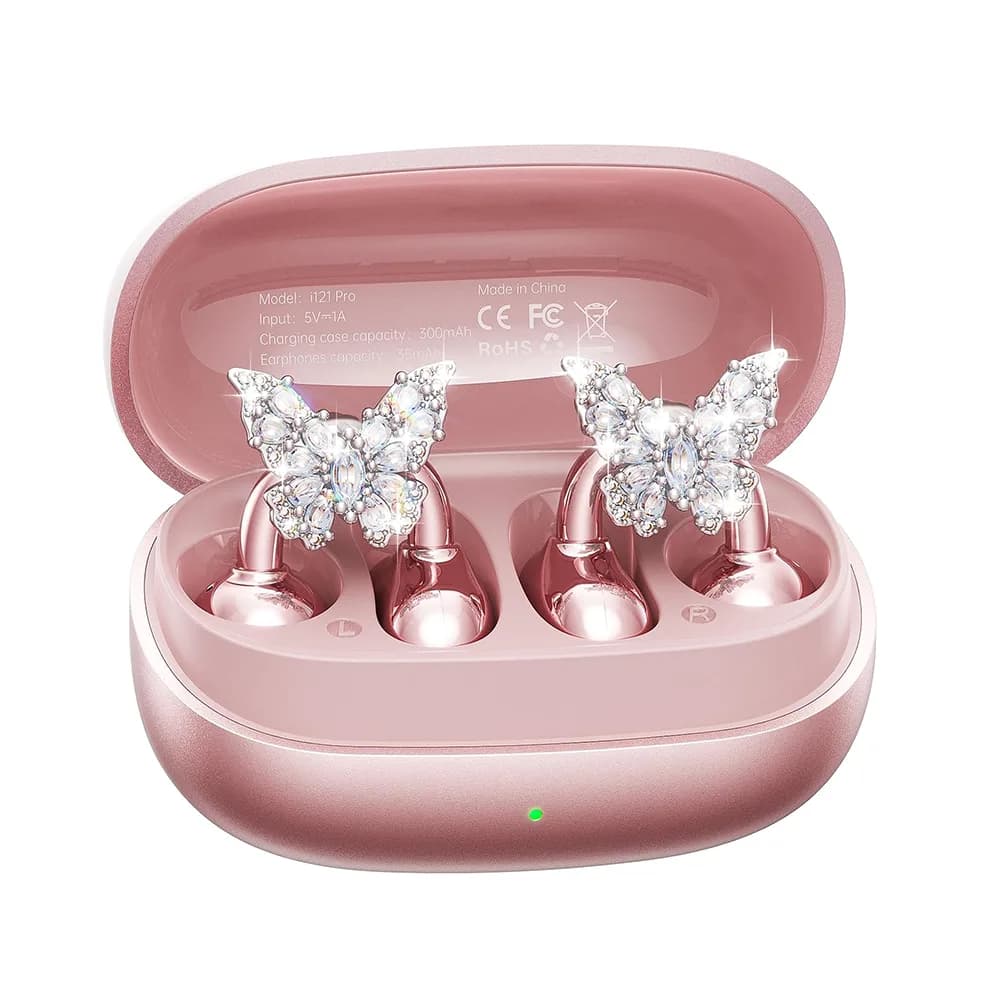
Open ear earbuds (also called open-ear earbuds, clip-free earbuds, or earbuds without ear canal) sit outside your ear canal rather than inside it. Sound is delivered through directional speakers that project audio toward your ear without sealing the canal.
Key characteristics:
-
Open design — No insertion into the ear canal
-
Environmental awareness — You hear your music and surroundings at the same time
-
Pressure-free fit — No discomfort or "plugged ear" sensation
-
Lightweight — Many models weigh under 5g per earbud
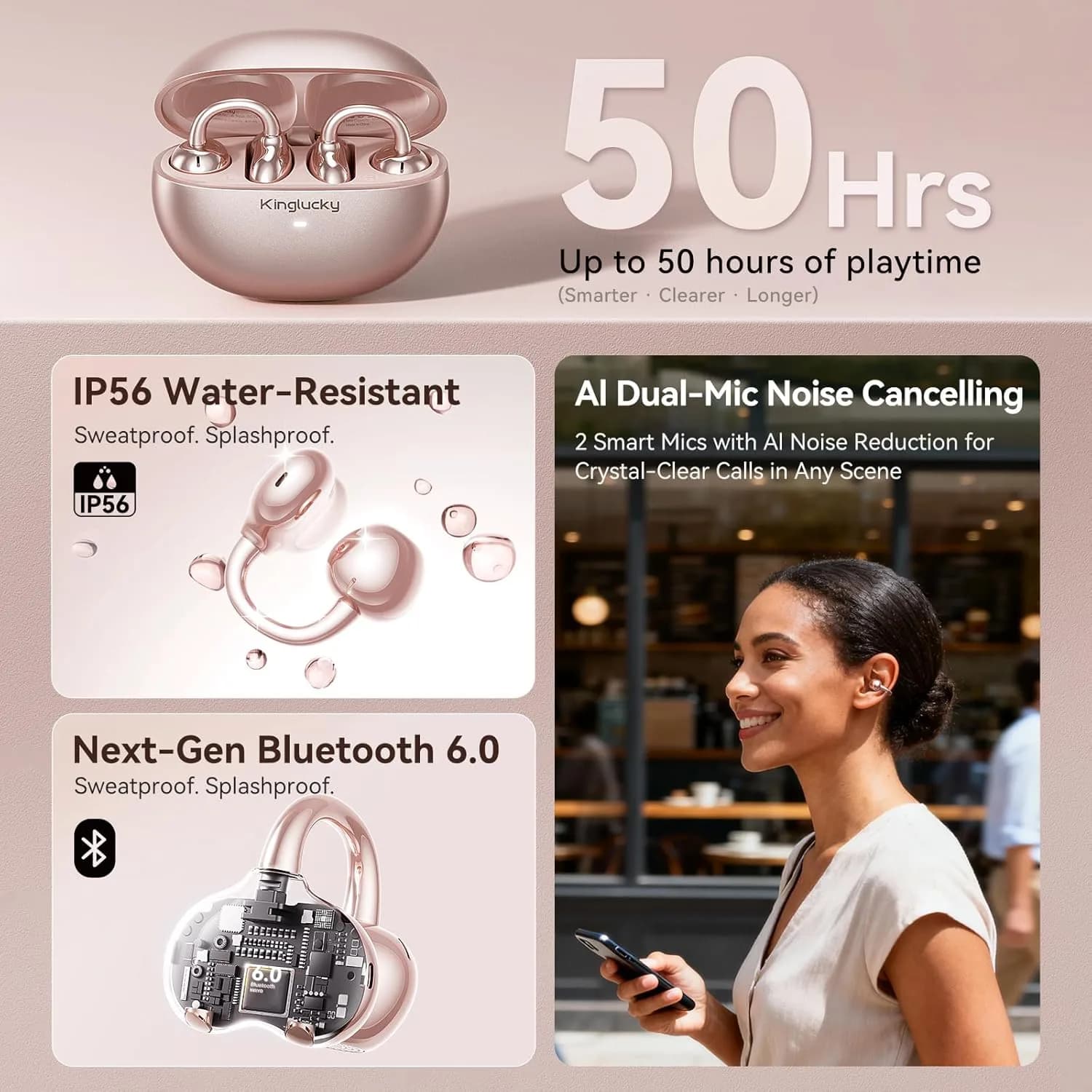
Popular examples: Kinglucky A8, Sony LinkBuds Open, Shokz OpenFit Air, Huawei FreeClip
To understand the full range of benefits open ear earbuds offer, read our complete guide: What Are Open Ear Earbuds?
Sound Quality Comparison: Open Earbuds vs In-Ear Earbuds
Sound quality is where the two designs diverge most noticeably.
Bass Response
In-ear earbuds excel at bass. The sealed canal creates a pressure environment that amplifies low frequencies, producing deep, punchy bass that audiophiles appreciate.
Open ear earbuds sacrifice some bass presence. Without a sealed canal, low frequencies don't get the same acoustic boost. However, premium models like the Kinglucky A8 use 12mm dynamic drivers with enhanced acoustic chambers to deliver surprisingly full bass for everyday listening.
Winner: In-ear earbuds (for bass-heavy genres)
Midrange and Vocal Clarity
Here's where open ear earbuds often surprise listeners. Because sound reaches your eardrum more naturally — without the resonances created by sealed chambers — open-ear earbuds often produce clearer, more natural midrange and vocal frequencies.
Winner: Open ear earbuds (for vocals, podcasts, audiobooks)
Noise Isolation
In-ear earbuds create a physical barrier against external noise. This makes them ideal for noisy commutes, airplanes, and loud environments.
Open ear earbuds cannot block ambient noise by design. You're always hearing your environment alongside your audio.
Winner: In-ear earbuds (for noisy environments)
Sound Leakage
In-ear earbuds don't leak much sound outward because the sealed canal contains the audio.
Open ear earbuds can leak sound to people nearby at higher volumes. Premium models like the Kinglucky A8 address this with dual-directional near-ear sound guides and reverse noise cancellation technology.
Winner: In-ear earbuds (for quiet environments)
Comfort Comparison
Comfort is the single biggest reason people switch from in-ear to open ear earbuds.
All-Day Wear
In-ear earbuds can cause discomfort after 1–2 hours of continuous use. The pressure of tips lodged in the ear canal creates the familiar "plugged ear" sensation, and for some users, outright pain.
Open ear earbuds — like the Kinglucky A8 at just 4.0g per earbud — eliminate canal pressure entirely. Many users report forgetting they're even wearing them after hours of use.
Ear Health
Prolonged use of in-ear earbuds has been linked to:
-
Earwax buildup from the seal
-
Moisture and bacteria accumulation in the warm, dark canal
-
Potential ear canal irritation or infection
Open ear earbuds allow ears to breathe, significantly reducing these risks.
Fit Security During Activity
In-ear earbuds can loosen or fall out during vigorous exercise, especially without ear fins or wings.
Open ear earbuds with adaptive designs — like the C-Bridge Ni-Ti alloy in the Kinglucky A8 — adjust to your unique ear shape and stay secure during runs, rides, and gym sessions.
Use Case Comparison
Daily Commutes
In-ear earbuds: Best for loud transit environments where you need noise isolation.
Open ear earbuds: Best for cyclists and pedestrians who need to stay aware of traffic and announcements.
Our pick for commuting: Kinglucky A8 — 50-hour total battery means weeks of commutes without charging, and IP56 water resistance handles any weather.

Office Environments
In-ear earbuds: Great for focus, but colleagues may need to repeat themselves when you pull out one earbud.
Open ear earbuds: You can listen to music while still hearing coworker conversations naturally. No need to constantly remove an earbud to interact.
Our pick for office: open-ear earbuds — the Kinglucky A8 is light enough (4.0g) to wear through entire workdays without fatigue.
Exercise and Outdoor Activities
In-ear earbuds: Provide immersive focus, but sweat buildup and fit loosening are common complaints.
Open ear earbuds: Deliver situational awareness for outdoor safety, plus secure fit designs for movement.
Our pick for athletes: Kinglucky A8 — its C-Bridge Ni-Ti alloy design stays secure during any movement, and IP56 rating handles heavy sweat.
Glasses Wearers
In-ear earbuds: Ear tips and glasses temples can compete for the same ear real estate, causing pressure points.
Open ear earbuds: C-Bridge designs sit above the ear canal with minimal temple interference — the Kinglucky A8 is specifically engineered for glasses compatibility.
Health and Safety Comparison
Hearing Safety
Both designs carry hearing damage risk at high volumes. However, open ear earbuds may encourage lower volume levels because you're not trying to "drown out" ambient noise — you can hear the environment naturally alongside your audio.
Environmental Awareness
This is where open ear earbuds have a decisive safety advantage. Whether you're cycling through traffic, running on city streets, or walking through crosswalks, you remain fully aware of your surroundings. In-ear earbuds with active noise cancellation can make you effectively deaf to honking horns, sirens, and approaching people.
Ear Hygiene
Earbuds without ear canal insertion don't push earwax deeper or create the warm, moist canal environment that promotes bacterial growth. For users concerned about ear health, this is a meaningful long-term benefit.
Comparison Table
|
Feature
|
Open Ear Earbuds
|
In-Ear Earbuds
|
|
Comfort
|
Excellent, pressure-free; no ear canal insertion
|
Can cause fatigue after 1–2 hours of use
|
|
Bass Response
|
Good but limited by open design
|
Excellent, deep bass with sealed chambers
|
|
Noise Isolation
|
Minimal — stay aware of surroundings
|
Strong — sealed design blocks external noise
|
|
Environmental Awareness
|
High — hear traffic, conversations, alerts
|
Low — isolated from surroundings
|
|
Fit Security
|
Stable with C-Bridge Ni-Ti designs
|
Can loosen during vigorous exercise
|
|
Ear Health
|
Good — ears stay ventilated
|
Risk of wax buildup and canal issues
|
|
Best For
|
Commutes, office, exercise, glasses wearers
|
Noisy environments, bass-focused audiophiles
|
Who Should Choose In-Ear Earbuds?
In-ear earbuds are the right choice if:
-
You primarily listen in noisy environments (airplanes, gyms, loud offices)
-
Deep bass and noise isolation are your top priorities
-
You're an audiophile who prioritizes sound quality above all else
-
You prefer complete audio immersion during work or travel
Recommended in-ear models: Sony WF-1000XM5, Apple AirPods Pro 2, Samsung Galaxy Buds2 Pro
Who Should Choose Open Ear Earbuds?
Open ear earbuds are the right choice if:
-
You wear earbuds for 3+ hours daily
-
You wear glasses and find ear tips uncomfortable
-
You cycle, run, or walk in traffic and need environmental awareness
-
You exercise and need a secure, sweat-resistant fit
-
You work in an office and need to stay socially aware
-
You want something stylish that doubles as an accessory (like the Kinglucky A8 Butterfly Series)
Recommended open ear models: Kinglucky A8, Sony LinkBuds Open, Shokz OpenFit Air
Can You Have Both?
Absolutely. Many listeners keep both:
-
In-ear earbuds for flights, focused work, and bass-heavy music sessions
-
Open ear earbuds for daily commutes, office work, exercise, and extended listening
The Kinglucky A8 at $30以下 (ClipFree version) makes having both an affordable option rather than a luxury.
Conclusion
The open earbuds vs in-ear earbuds debate doesn't have a single winner — it depends entirely on your priorities and lifestyle.
If you value noise isolation and immersive sound above all else, premium in-ear earbuds remain the gold standard.
If you value all-day comfort, environmental awareness, and ear health, open ear earbuds like the Kinglucky A8 represent one of the most significant audio wearable innovations of recent years — and they're now competitive on sound quality too.
For a full breakdown of the best open ear earbuds 2026 options across every category and budget, see our comprehensive guide: best open earbuds 2026
Ready to explore the world of open ear earbuds? Discover the Kinglucky A8 →
Recommended Products