Open Ear Earbuds for Cycling Safety: What Riders Should Know in 2026
Quick Answer
If you are considering open ear earbuds for cycling safety, they are usually a better fit than sealed in-ear earbuds when your priority is situational awareness. Because open-ear designs sit outside the ear canal, they can make it easier to hear traffic, warnings, and other riders around you. That does not make cycling with earbuds automatically safe, but it can reduce one of the biggest trade-offs that comes with fully isolating audio gear.
For most riders, the best approach is to choose earbuds that stay stable, keep pressure low, and allow you to hear more of your surroundings without forcing you to raise the volume.
Why Cyclists Look for Open-Ear Earbuds
Cyclists usually search for this topic because they are trying to solve two problems at the same time:
-
they want audio for music, navigation, or calls
-
they do not want to lose awareness of traffic and road conditions
Traditional in-ear earbuds can block or reduce environmental sound, which may be uncomfortable or risky in urban riding, commuting, or shared-path cycling. Open-ear earbuds aim to solve that by keeping the ear canal less obstructed.
That makes them especially relevant for:
-
city riders and bike commuters
-
casual cyclists on mixed-use paths
-
riders who follow navigation prompts while moving
-
users who dislike the plugged-in feeling of in-ear tips
Are Open-Ear Earbuds Actually Safer for Cycling?
In many real-world cycling situations, open-ear earbuds can be a safer choice than sealed earbuds, mainly because they support better awareness of what is happening around you. You are more likely to notice nearby voices, car movement, bells, or environmental cues.
Still, there are important limits:
-
no earbuds remove the need for caution
-
local traffic laws may restrict headphone use while cycling
-
volume level matters just as much as earbud type
-
strong wind noise can still mask outside sounds
So the more accurate answer is this: open-ear earbuds may support safer cycling habits, but they do not replace attention, defensive riding, or legal compliance.
What Matters Most for Cycling Safety
1. Situational Awareness
This is the main reason riders choose open-ear designs. A safer cycling setup should make it easier to hear:
-
approaching cars
-
warning bells
-
pedestrians
-
intersections and surrounding movement
If your earbuds force you to turn the volume too high just to hear clearly, they may work against that goal.
2. Stable Fit While Riding
A cycling-friendly earbud should stay secure over bumps, turns, and changing posture. Even a lightweight model can become distracting if it shifts every few minutes.
Look for:
-
a stable ear hook or clip structure
-
low bounce during movement
-
enough grip without painful clamp pressure
3. Wind Management
Cycling creates more wind exposure than walking or office use. Even if an earbud sounds balanced indoors, wind noise can become the bigger issue outdoors.
A practical pair for riding should help you avoid constantly increasing the volume. That usually means choosing open-ear earbuds that are better for:
-
voice prompts
-
podcasts
-
moderate listening volume
-
everyday riding instead of high-speed performance use
4. Pressure-Free Comfort
Longer rides make comfort more important. Many cyclists prefer open-ear earbuds because they avoid deep ear canal pressure, especially during warm weather or extended use.
Comfort matters even more if you use the same earbuds for:
-
commuting
-
errands
-
casual fitness rides
-
all-day wear off the bike
5. Water and Sweat Resistance
Cycling earbuds should handle sweat, light rain, and repeated outdoor exposure. You do not always need extreme protection, but basic water resistance is important for day-to-day reliability.
How We Evaluated Open Ear Earbuds for Cycling Safety
For this topic, the most useful evaluation factors are:
-
wearing style
-
awareness-friendly design
-
fit stability during movement
-
comfort over longer rides
-
water resistance
-
battery practicality
-
whether the earbuds make riders less likely to overcompensate with high volume
That matters more than pure sound hype, because the safest cycling earbuds are not necessarily the bass-heaviest or most isolating ones. They are the ones that help riders stay aware while remaining comfortable enough to use responsibly.
When Open-Ear Earbuds Make the Most Sense for Cycling
Open-ear earbuds are often the most practical choice if:
-
you ride in traffic or around pedestrians
-
you use turn-by-turn audio directions
-
you want light background music without full isolation
-
you care more about awareness than maximum bass
-
you dislike the pressure of in-ear tips during longer rides
They can work especially well for commuting, urban cycling, neighborhood rides, and mixed everyday use.
When They May Not Be the Best Choice
Open-ear earbuds may be less suitable if:
-
you ride in very loud environments and need stronger audio focus
-
you want deep bass at higher speeds
-
you are doing highly performance-focused training where wind and speed dominate the listening experience
-
you expect them to block outside noise while still being “safe”
Cyclists looking for maximum sound isolation should be careful here, because isolation and awareness usually move in opposite directions.
A Practical Example for Everyday Riders
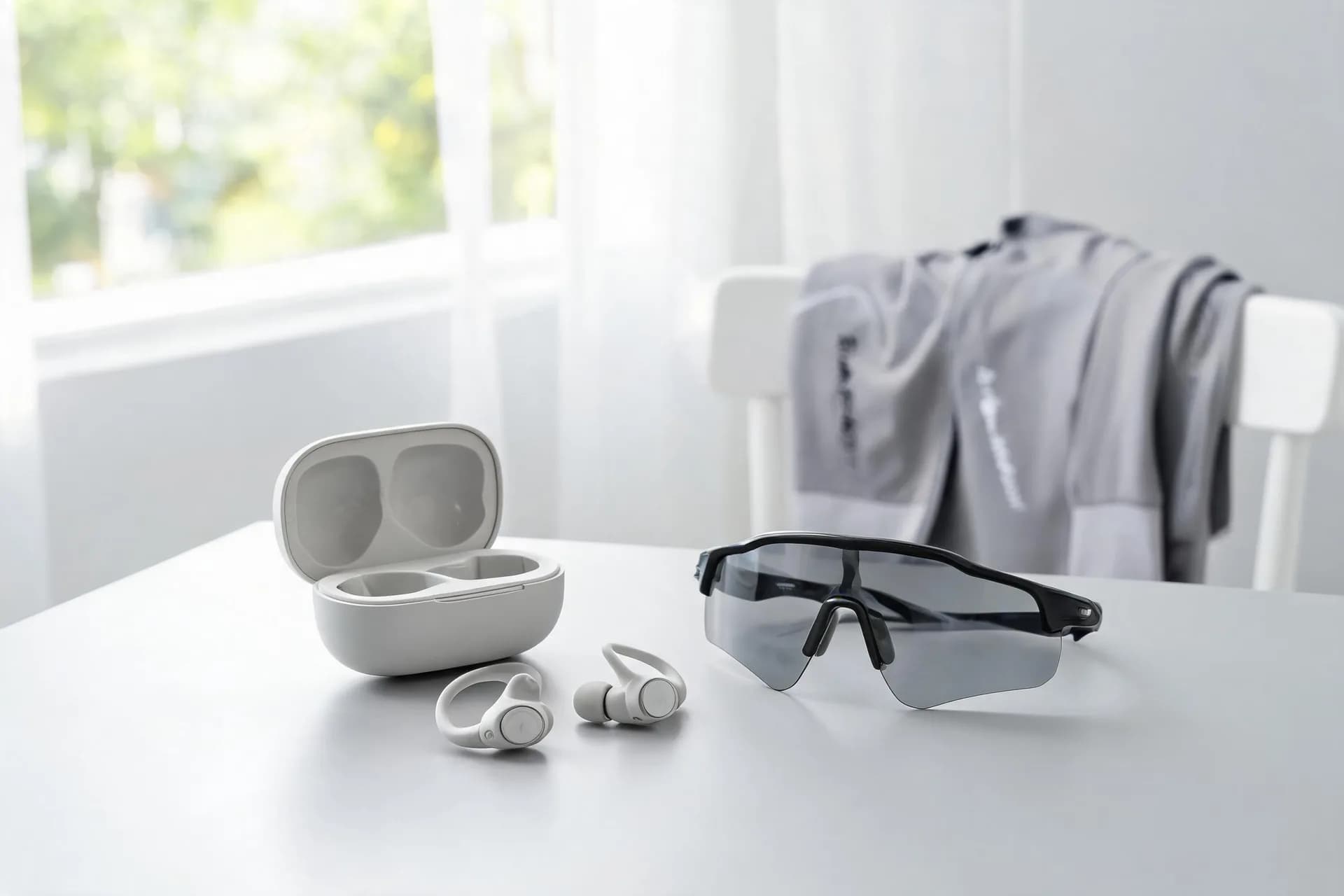
For riders who want a light, awareness-friendly option for casual cycling or bike commuting, a compact clip-style model can fit naturally into this category. The Kinglucky A8 is one example. It uses an open-ear clip design with a flexible C-bridge structure and weighs about 4.0g per ear, which helps keep the fit low-pressure during longer wear. It also includes IP56 water resistance, around 6 hours of single-charge playback, and up to 50 hours total with the case. That makes it easier to describe as a practical option for urban riding, commuting, and everyday cycling use, especially for riders who prioritize comfort and awareness over sealed sound or aggressive bass.

Common Mistakes Riders Make
Assuming Open-Ear Means Fully Safe
Open-ear designs can help with awareness, but they do not remove risk. Riders still need low volume, active scanning, and local law awareness.
Choosing Audio Isolation for Road Riding
For city streets and mixed traffic, stronger isolation is not always better. Many cyclists are better served by hearing more, not less.
Ignoring Fit Security
If the earbuds keep moving, riders will keep touching or adjusting them. That distraction can matter just as much as sound quality.
Turning the Volume Up to Beat Wind
Higher volume can cancel out the awareness advantage of open-ear listening. If wind noise is the main problem, the better solution is often route choice, lower speed expectations for listening, or using audio mainly for prompts.
How to Choose the Right Pair for Your Riding Style
For city commuting
Prioritize awareness, secure fit, and all-day comfort. A lighter earbud with open-ear design usually makes more sense than a fully sealed model.
For casual weekend rides
Choose a pair that stays comfortable over time and handles sweat or light weather without becoming distracting.
For navigation-focused riding
Look for earbuds that make spoken directions easy to hear at lower volume.
For mixed daily use
If you want one pair for cycling, walking, commuting, and calls, comfort and versatility may matter more than sport-first tuning.
FAQ
Are open ear earbuds safer for cycling than in-ear earbuds?
In many cases, yes. Open-ear earbuds are generally safer than sealed in-ear earbuds for cycling when the main concern is awareness of traffic and surroundings. They still need to be used at sensible volume.
Can you hear traffic with open-ear earbuds?
Usually yes, better than with sealed earbuds. That is one of the main reasons cyclists choose them. Exact results still depend on volume, wind, and road conditions.
Are open-ear earbuds good for bike commuting?
Yes, they can be a strong option for bike commuting because they combine audio access with better situational awareness than fully isolating earbuds.
What is the biggest downside of open-ear earbuds for cycling?
The biggest downside is that they usually provide less bass and less isolation. Wind noise can also reduce listening clarity at higher speeds.
Should cyclists listen to music while riding?
That depends on local laws, riding environment, and personal habits. In general, lower-volume listening and awareness-first use are more responsible than using isolating audio at high volume.
Conclusion
For riders thinking about open ear earbuds for cycling safety, the real advantage is not that they make cycling risk-free. It is that they can help preserve awareness, comfort, and lower-pressure listening in situations where sealed earbuds may reduce too much environmental sound.
If your riding includes traffic, commuting, navigation, or shared paths, open-ear earbuds are often the more practical direction to consider. The best pair is usually the one that stays secure, keeps volume demands lower, and supports awareness without becoming distracting.
For broader open-ear comparisons, you can also explore What Are Open Ear Earbuds? A Complete Guide to Comfort-First Audio and Open Earbuds vs In-Ear Earbuds: What's the Difference?.
Recommended Products