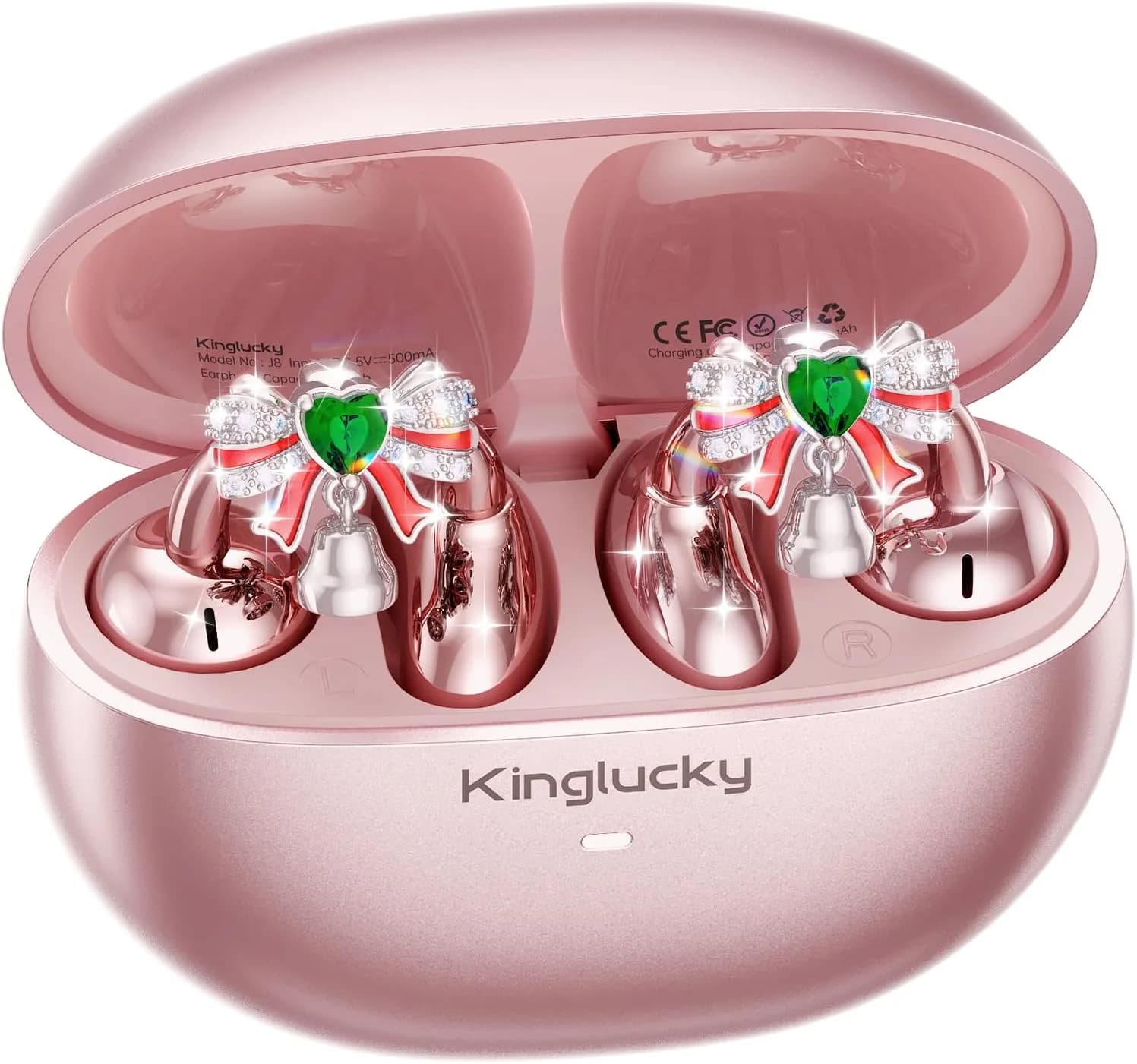
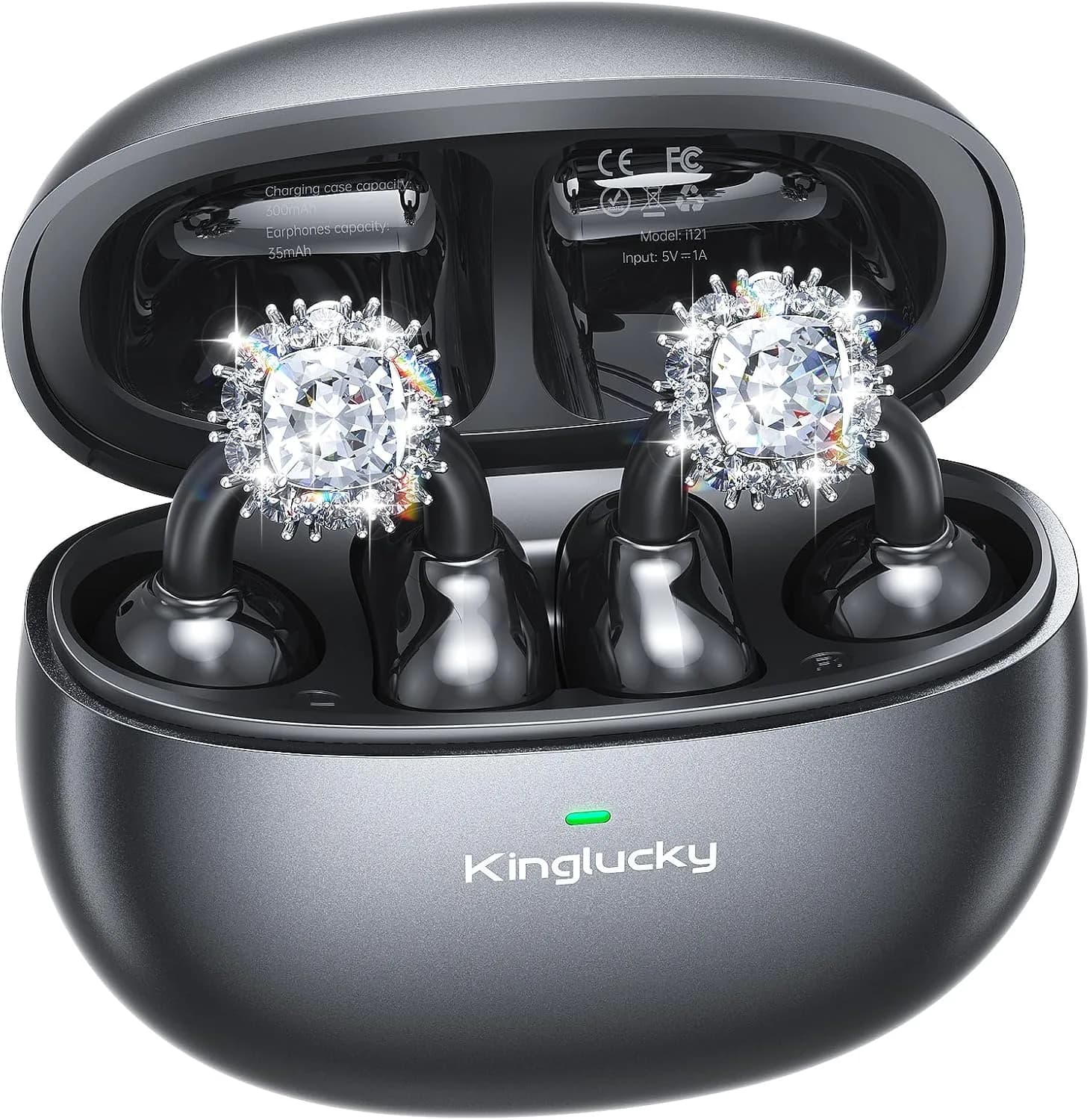
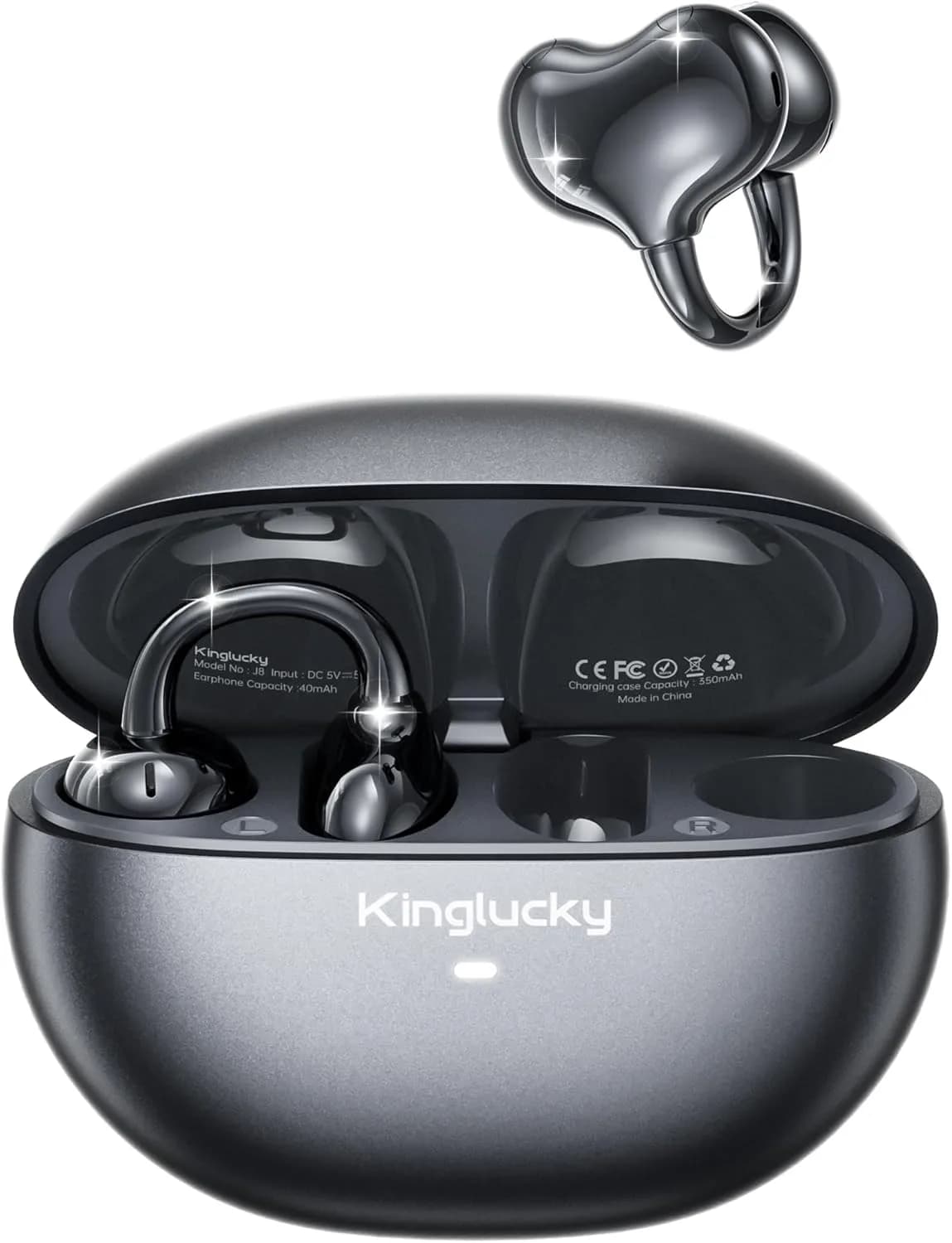
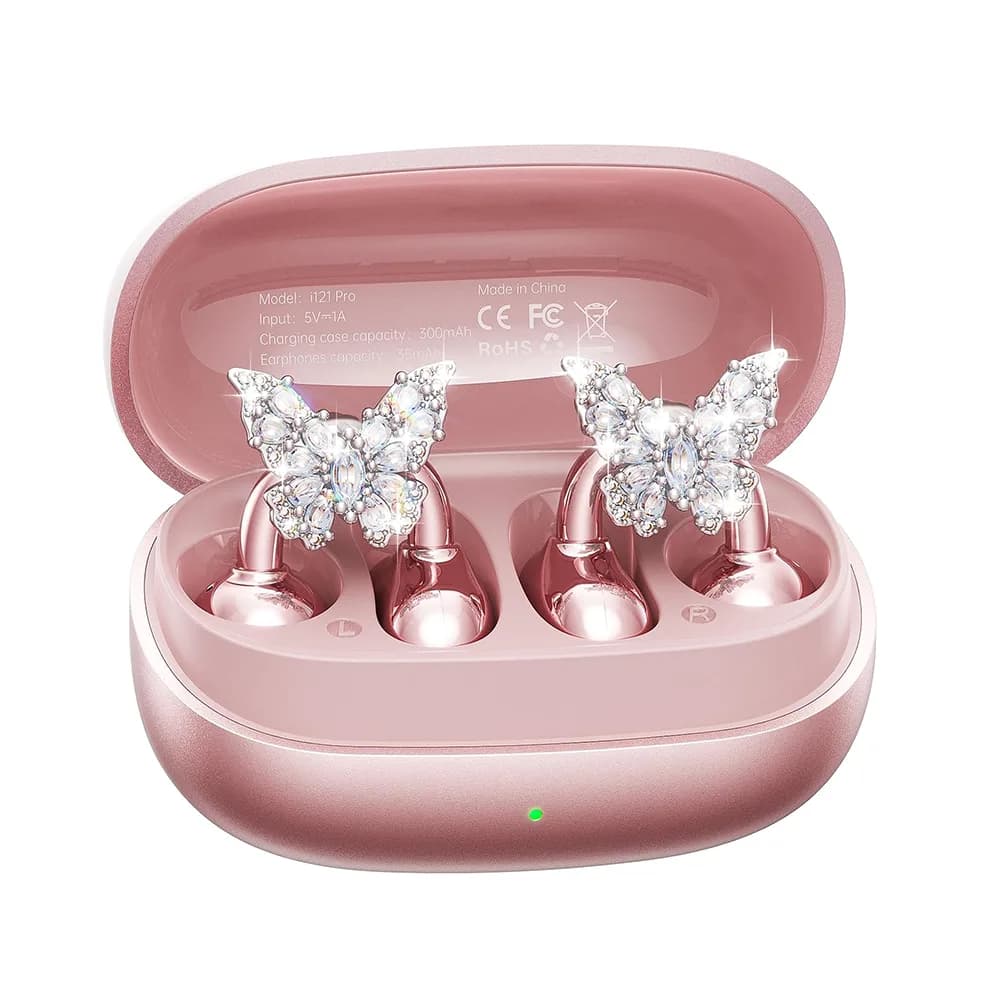
Kinglucky Clip-On Earbuds

Kinglucky Clip-On Earbuds — Everything You Need to Know
Model focus: Kinglucky i121 (open-ear, clip-on, air-conduction design)
kinglucky clip on earbuds use a gentle ear-clip to place a small driver near (not in) the ear canal. The core value is open-ear comfort with everyday awareness—useful for commuting, study, office work, and light exercise. Users who wear glasses or feel fatigue with sealed in-ear tips often prefer this design. This page explains what they are, how they work, how to wear the i121, realistic day-to-day expectations, and a quick testing checklist before you buy.
What Are Kinglucky Clip-On Earbuds?
They are open-ear earbuds: the canal remains unsealed and sound reaches the eardrum through air conduction. That differs from bone conduction, which sends vibrations through the cheekbones. Kinglucky i121 belongs to the open-ear air-conduction category, prioritizing comfort and situational awareness over full isolation.
Key Features & Specs (i121 Overview)
- 16 mm dynamic driver for clear treble and solid everyday bass→ fuller sound at open-ear volumes.
- SRS 3D surround algorithm for panoramic immersion without sealing the ear→ wider perceived stage.
- Bluetooth Flash Connect 8.0→ faster pairing and lower latency for video/games.
- Quad-mic ENC / beamforming for calls → clearer voice pickup in typical environments.
- Anti-leakage air-guided transmission (reduced call leakage vs previous gen)→ helps keep speech more private.
- Battery: ~8 h single charge; ~50 h with case; 10-min charge ≈ 2 h listening → practical day-to-day endurance.
- IP54 dust/splash resistance → fine for sweat and light rain (not submersion).
- 0.3 mm high-resilience titanium wire; U-shaped, even pressure; 20,000+ stability tests → secure during light sports.
- Design & weight: affects long-session fatigue.
- Bluetooth codec support: impacts audio quality across devices.
- Water/sweat rating detail: match to activity level.
- Materials / interfaces: comfort and skin contact considerations.
How to Wear the i121 (Step-by-Step)
- Identify L/R and open the clip gently (avoid overstretching the titanium frame).
- Hook around the ear; the driver should face the ear canal, not press into it.
- Micro-adjust height/angle so sound balances and the clip feels neutral.
- With glasses: route clip under/over the temple; avoid pressure overlap.
- Stability check: shake head / jog-in-place; readjust if movement is felt.
How to Use Them Day to Day
Pairing & Device Handoff
Pair via Bluetooth; if multipoint is supported, switch phone↔laptop for work calls and streaming. Keep only the devices you truly need connected.
Calls & Meetings
Quad-mic ENC helps, but turn slightly away from wind and noisy fans for the cleanest capture. Indoor, face the talker or screen.
Music & Podcasts
Expect moderate bass and open staging. For quiet libraries, lower volume to limit leakage; for traffic, keep volume safe while maintaining awareness.
Sports & Commuting
Great for light runs, walks, bike commutes where awareness matters. Use the stability check before heading out.
Comfort & Fit — What to Expect
- No ear-canal pressure; reduced moisture buildup versus sealed tips.
- Glasses-friendly: flexible clip reduces hotspots; adjust temple overlap.
- For long sessions: take brief breaks or shift clip position to relieve any warm spots.
Pros & Limitations
Pros
- High awareness of surroundings.
- Comfortable, hygienic (no canal insertion).
- Glasses-friendly; quick on/off.
Limitations
- Less isolation and bass depth than sealed in-ear buds.
- Some sound leakage at higher volumes in quiet rooms.
- Wind sensitivity on calls—use good mic etiquette.
Comparison Table — Clip-On vs In-Ear vs Bone Conduction
| Aspect | Kinglucky Clip-On (Open-Ear Air) | Traditional In-Ear | Bone Conduction |
|---|---|---|---|
| Ear-canal pressure | Low | High | None |
| Awareness | High | Low | High |
| Bass depth | Moderate | Strong | Light–Moderate |
| Wind sensitivity | Moderate | Low–Moderate | Moderate |
| Leakage risk | Moderate | Low | Low–Moderate |
| Comfort w/ glasses | High | Varies | High |
| Typical use | Daily commute, office, light sports | Immersive listening, travel | Outdoor sports, niche needs |
At-Home Tests Before You Decide (5-Minute Checks)
Checklist: Stability & Sound
- Walk 10–15 m with phone in pocket; note any shifting.
- Light jog / head shake; confirm secure fit.
- Leakage check: partner at ~60–70 cm rates audibility at medium volume.
Checklist: Calls & Comfort
- Near a fan at ~45°; record a voice memo to judge wind intelligibility.
- Wear 45–60 min with glasses; note hotspots and adjust.
- If multipoint is supported, swap laptop↔phone mid-track; time the handoff.
Care, Hygiene & Battery Practices
- Wipe sweat/salt after workouts; clean silicone contact points.
- Store in the charging case to avoid clip deformation and dust.
- Avoid heat; partial charges are fine. Occasionally run a full cycle to calibrate the gauge.
Who Should Choose the i121
Best for commuters, office/study, casual fitness, glasses wearers, and users with ear-canal sensitivity. Not ideal for bass-centric listeners or consistently noisy factory floors where isolation is essential.
Safety & Standards (What to Check)
- Keep safe listening volumes outdoors; awareness ≠ immunity to hazards.
- Match IP rating to activity: IP54 suits sweat/light rain; avoid water submersion.
Frequently Asked Questions
Are they comfortable with glasses?
Yes. The flexible titanium clip helps avoid pressure points; adjust around temple arms.
Do they have ANC for music?
No. Open-ear designs prioritize awareness over active noise cancelling.
Will they fall off while running?
Unlikely in light runs; the i121’s clip passed 20,000+ stability tests.
How long does the battery last?
About 8 hours per charge and up to ~50 hours with the case; a 10-minute top-up yields ~2 hours.
Do they leak sound?
Moderate at higher volumes; i121’s guided air transmission is designed to reduce call leakage vs prior gen.
How are they different from bone conduction?
Air conduction = small speakers near the ear; bone conduction = vibrations via cheekbones.
Conclusion
kinglucky clip on earbuds—specifically the i121—deliver open-ear comfort and everyday awareness using air-conduction drivers, a resilient titanium clip, and practical battery life. If you want clear audio without sealing your ears, work or study for long periods, or wear glasses, they’re a sensible fit. Bass isolation is lighter than in-ear models, but the comfort and awareness trade-off suits daily commuting and office use.
Specs and feature highlights for i121 referenced from the user-provided document.
Recommended Products