How Open-Ear Headphones Work
Introduction
Headphones come in several types: the commonly known earbuds, on-ear and over-ear headsets. Known for their distinct audio characteristics and noise isolation capabilities, each model presents an alternative solution for different scenarios. Yet, there remains a lesser explored category—open-ear headphones, which provide an unconventional audio experience.
Definition and Design Features of Open-Ear Headphones

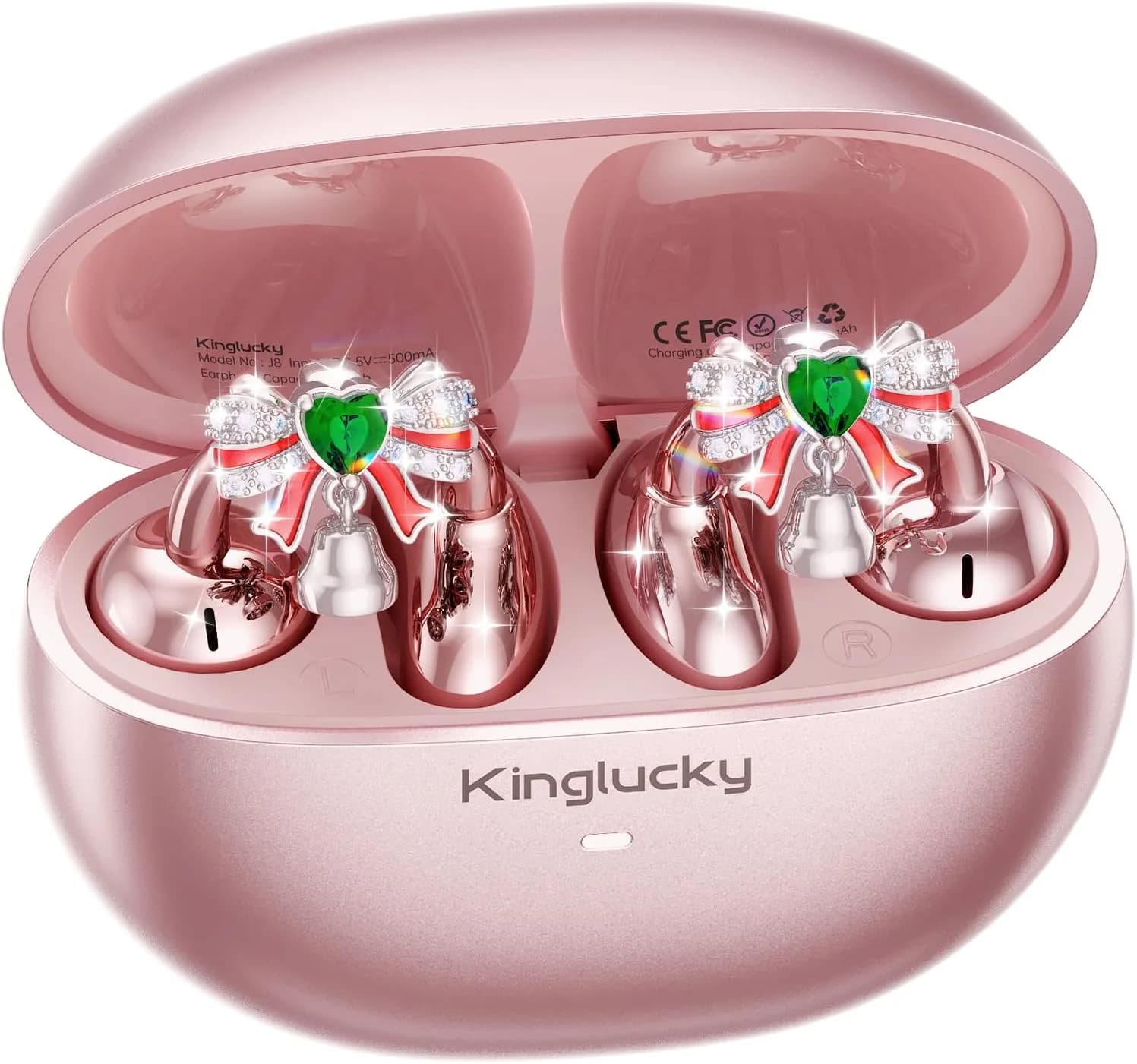
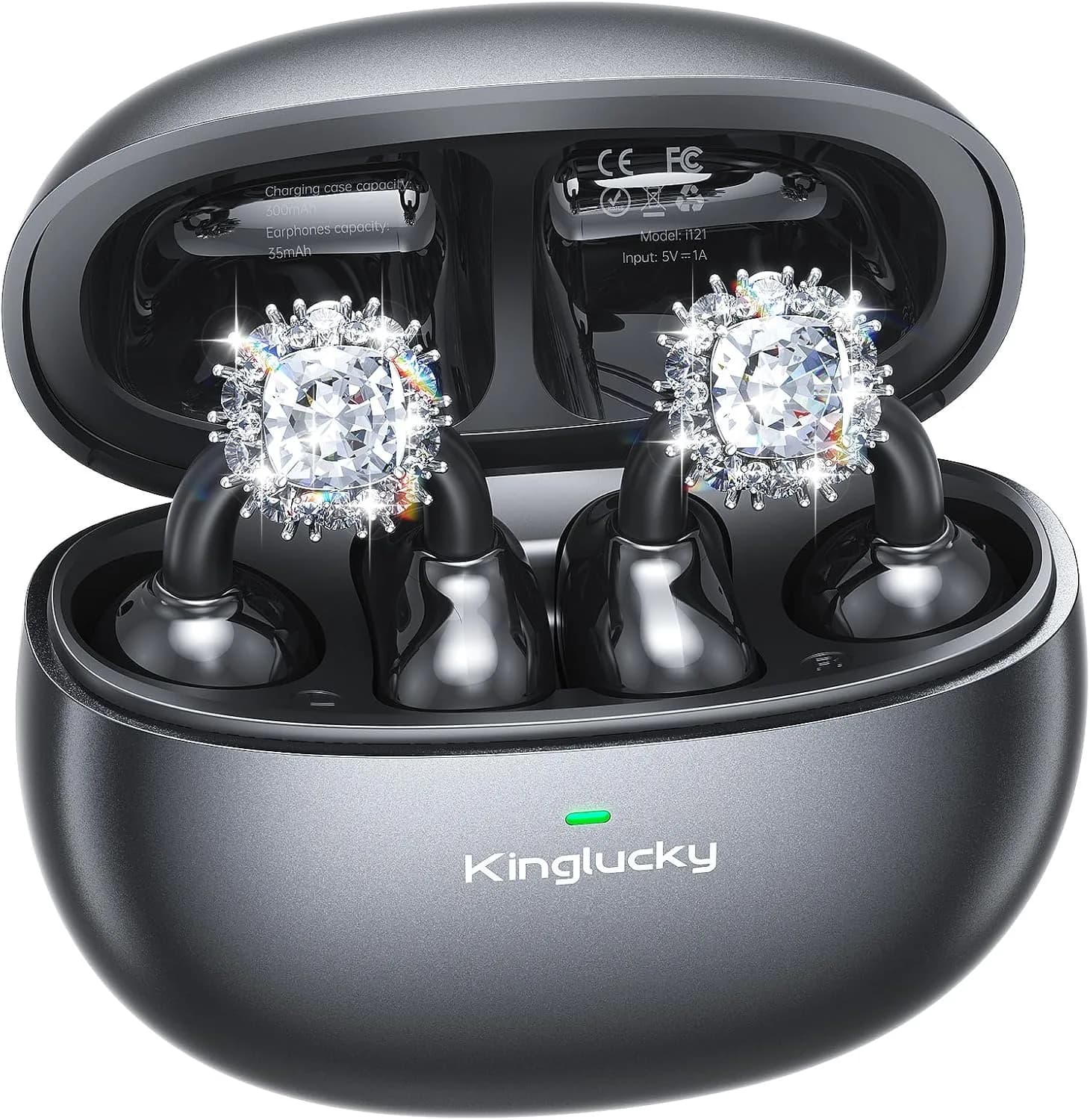
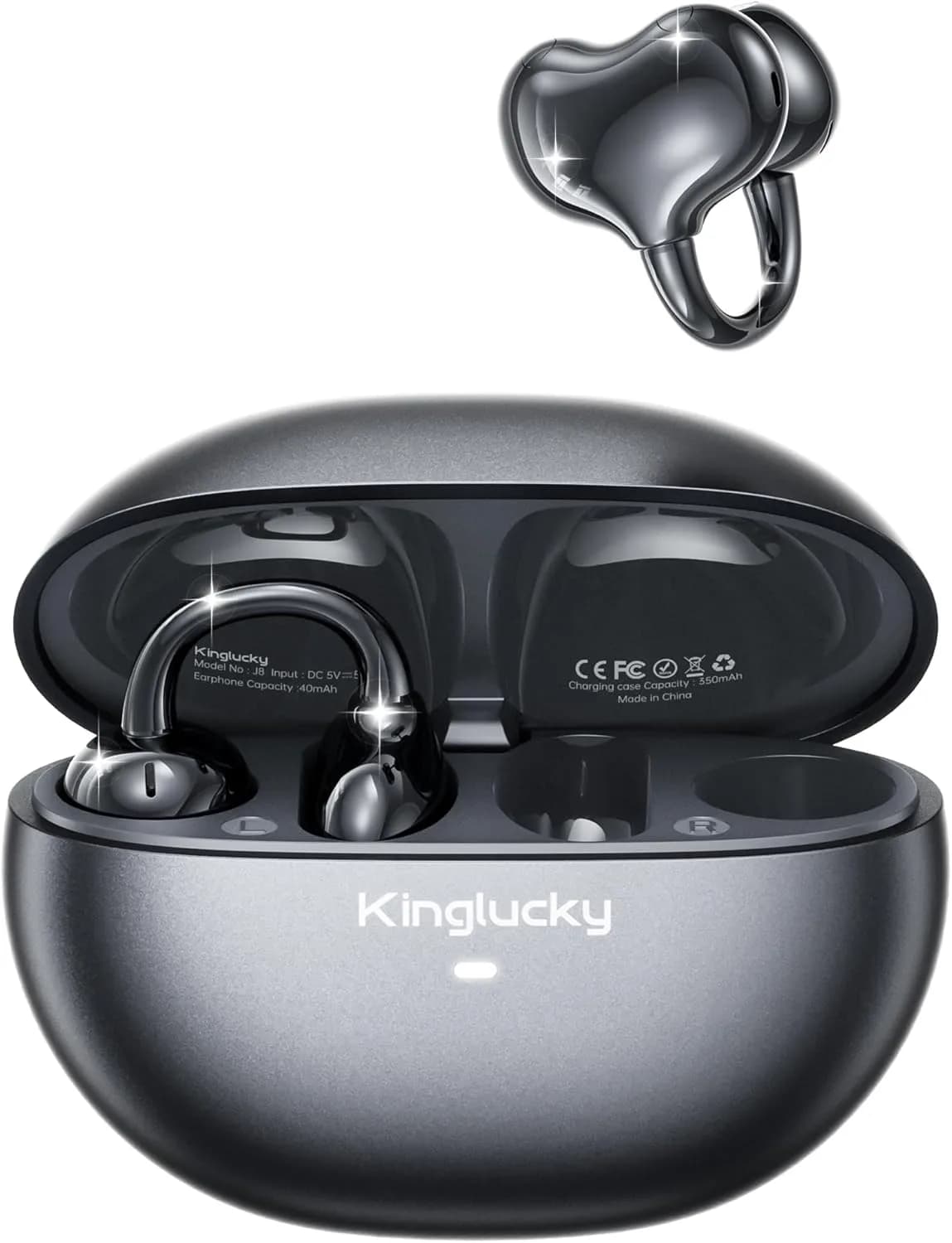
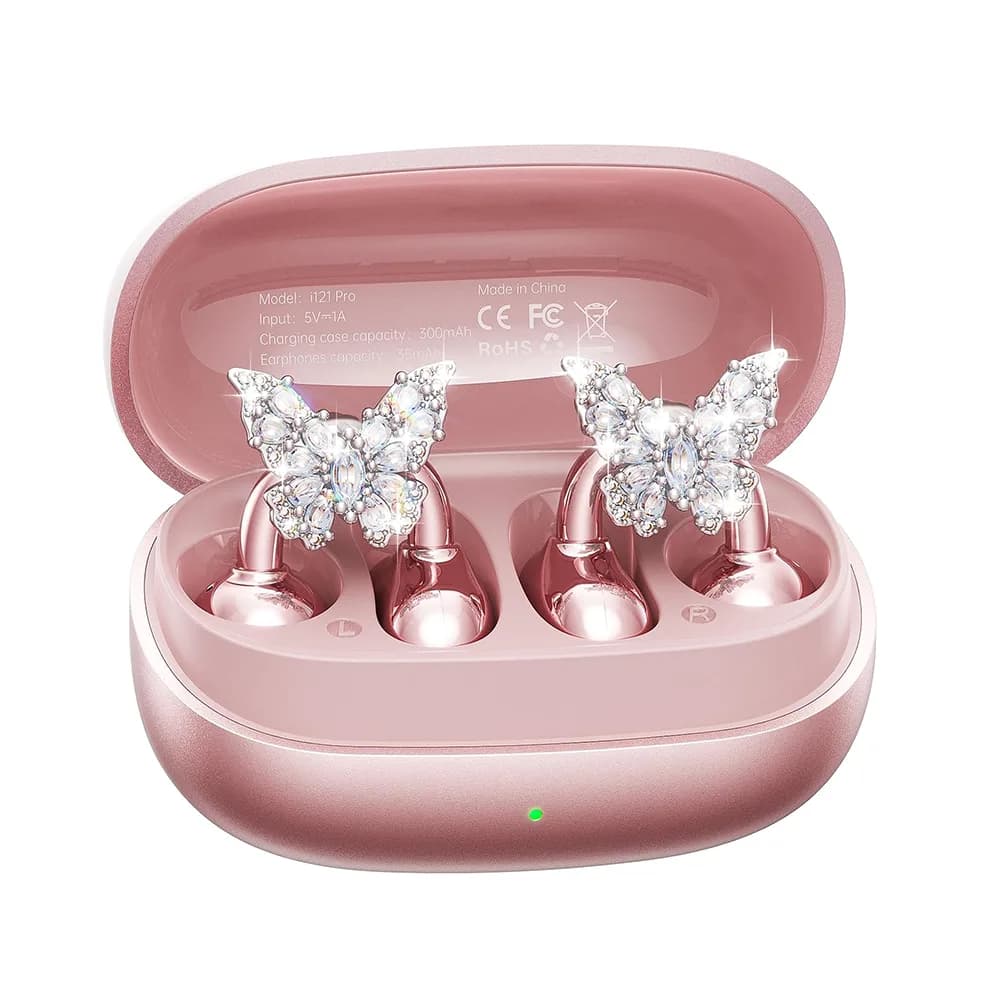
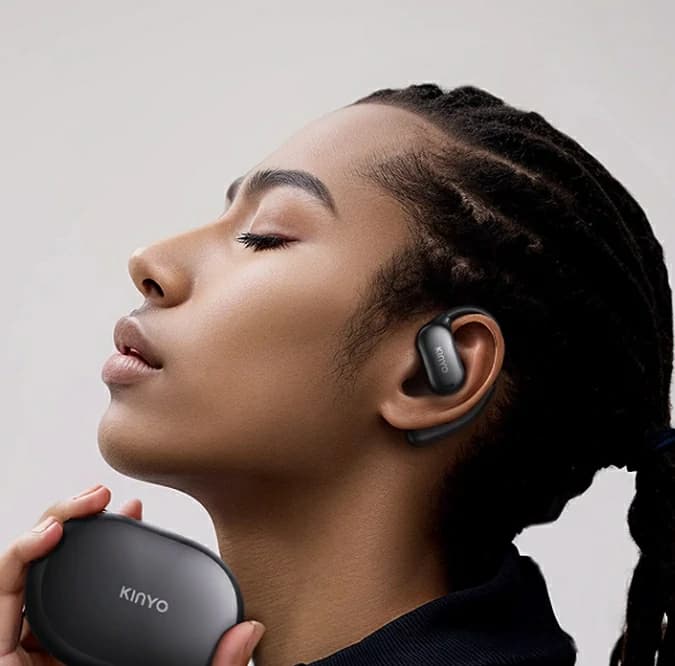
Characterized by their unique design, open-ear headphones differ from mainstream models. Unlike traditional headphones, they do not fully enclose the ears; instead, they feature an open-back structure with vented or perforated ear cup covers. This design enables free airflow and sound exchange between the headset and the surrounding environment.
Key Features:
Open-back ear cups: The ear cups are not sealed, promoting a natural sound environment.
Wider soundstage: The open structure delivers a spacious sound quality.
Enhanced transparency: Users can perceive ambient noise, facilitating situational awareness.
This design makes open-ear headphones suitable for critical listening tasks, replicating a more authentic listening environment. The open-back structure improves sound quality by enabling sound wave interaction with the external environment, resulting in a more natural and transparent auditory experience.
How Open-Ear Headphones Work

The key to open-ear headphones' functioning is their sound transmission method. Unlike closed-back headphones, which confine sound within the ear cups, open-ear models enable sound wave interaction with the surrounding air, yielding a broader, more realistic soundscape.
Drive Unit and Sound Propagation
A drive unit at the core of the headset transforms electrical signals into sound waves. In open-ear headphones:
Sound waves traverse the open ear cups and radiate outward.
These waves merge with external sounds, creating a more immersive soundstage.
Sound Isolation vs. Sound Leakage
Open-ear headphones distinguish themselves from closed-back models in terms of:
Sound isolation: Minimal isolation from external noise ensures situational awareness, but may not be optimal in noisy environments.
Sound leakage: As sound is not confined, some leakage occurs, potentially exposing others to loud volumes. Conversely, closed-back headphones aim to prevent such leakage.
Advantages of Open-Ear Headphones

Open-ear headphones hold appeal for various reasons, particularly among audiophiles and professionals.
Main Benefits:
Wider Sound Field: The open-back design creates a spacious soundstage, enhancing immersion for music enthusiasts.
Improved High-Frequency Response: Open-ear models typically deliver sharper highs, providing enhanced treble detail.
Better for Long Listening Sessions: Wearing comfort tends to improve with no enclosure, reducing heat build-up and ear pressure.
Ideal for Specific Audio Activities:
Music appreciation: Open-ear headphones excel at reproducing complex music genres like classical or jazz.
Mixing and mastering: Audio engineers frequently utilize open-back models for precise sound adjustments during mixing sessions.
Adoptable Uses of Open-Ear Headsets

Applicable Scenarios:
At Home: Ideal for silent, untroubled environments, including the privacy of one's abode.
Recording Studios: Their natural soundstage makes them essential for critical listening.
Office Settings: Quieter workplaces permit users to stay alert yet still enjoy music or engage in video chats.
Non-Recommendable Environments:
Public Spaces: Excellent at muffling sounds, open-ear headphones are not suitable for noisy areas such as public transport or busy streets.
Privacy-Conscious Situations: The sound leakage from these models may compromise privacy.
Key Factors When Selecting and Utilizing Open-Back Headphones

While purchasing open-back headphones, consider these crucial elements to guarantee satisfaction:
Purchase Considerations:
Comfort: Opt for ergonomically designed models with plush ear pads and adjustable headbands for prolonged comfort.
Compatibility: Confirm compatibility with all your devices, be it smartphones, laptops, or professional audio equipments.
Price Range: High-grade open-ear headphones can cost extensively, varying from budget-friendly to premium units. Determine your budget and choose wisely.
Preservation Techniques:
Extend the lifespan of your headphones by:
Cleaning regularly: Wipe off sweat and dust regularly with a soft cloth.
Storage: Store in a case when not used to prevent damage.
Avoid extreme conditions: Keep away from excessive heat/cold, as this affects their components.
Based on the product information provided, here are three open-back headphones worth considering, each with unique features tailored to different needs:
Kinglucky i39 Open Ear Headphone

This model is designed with comfort and long-lasting wear in mind, making it an excellent choice for users who need headphones for extended use without discomfort.
Comfort: Featuring non-invasive ear hooks and a three-point support structure, the Kinglucky i39 Slim Circle ensures stability and comfort, even during physical activities.
Sound Quality: The AURA Vocal Enhancement algorithm enhances mid-range and high-frequency performance, providing a clear and soulful musical atmosphere. It offers panoramic bass enhancement with a high-diaphragm surround sound unit.
Technology: Equipped with Bluetooth Flash 6.0, it delivers lightning-fast connectivity and seamless sound transmission, ideal for those on the move.
Battery Life: With up to 78 hours of continuous use, the Kinglucky i39 provides a worry-free experience for long trips or busy workdays.
This model is best for individuals who prioritize both comfort and battery life, especially for sports or all-day wear.
Kinglucky i20 Open Ear Headphone
The Kinglucky i20 offers a unique clip-on design that ensures a secure fit, making it a great option for those who need a stable yet lightweight headphone for active use.
Comfort and Fit: The adjustable clamping force and memory titanium wire design allow for flexible wear that doesn’t deform over time. It’s lightweight and comfortable for long sessions.
Sound Quality: The Pulse DT3.0 directional sound transmission technology ensures high-quality sound without sound leakage, while the panoramic stereo sound delivers clear audio across all frequencies.
Battery Life: This model offers an impressive 60-hour battery life, making it perfect for users who want extended listening sessions without frequent charging.
Ergonomics: The painless, non-in-ear design avoids discomfort even during long use, ideal for users looking for all-day comfort.
The Kinglucky i20 is particularly suited for those seeking a durable, comfortable headphone for sports, outdoor activities, or extended listening without ear fatigue.
Kinglucky i31 Open Ear Headphone
 The Kinglucky i31 stands out for its focus on advanced sound technology and long-lasting performance, making it a strong contender for those who value high-quality audio.
Sound Quality: Utilizing Dolby Spatial Sound and a 16.2mm polymerized diaphragm, the Kinglucky i31 delivers immersive audio with enhanced clarity and depth, even in noisy environments.
Durability and Comfort: The liquid silicone earhooks provide a comfortable fit that stays stable during physical activities. The open-back design allows for situational awareness, perfect for outdoor sports.
Battery Life: With 75 hours of battery life, this model is designed for users who need long-lasting performance without frequent recharging.
Noise Cancellation: The ENC noise-canceling technology filters out background noise during calls, ensuring ultra-clear communication.
The Kinglucky i31 is ideal for users who need both high-fidelity sound and durability, making it great for audiophiles, professionals, and athletes alike.
The Prospective Future of Open-Back Headphones

Looking ahead to the future, open-back headphones are poised to gain popularity due to their ear-friendly design. Unlike conventional headphones, they don't exert direct pressure on the eardrum, thereby reducing the risk of long-term hearing damage.
Advancements expected in sound transmission technologies promise to augment sound quality, minimize leakage further, thereby making them more adaptable across diverse settings. Open-back headphones may soon become the preferred alternative among those favoring ear health.
Conclusion
Open-ear headphones blend natural sound quality and situational awareness, proving to be excellent choices for audiophiles, professionals, and day-to-day listeners. When selecting your ideal open-ear headphones, prioritize comfort, sound quality, and price. With appropriate care and utilization, these headphones can deliver a long-lasting, immersive auditory experience.
Headphones come in several types: the commonly known earbuds, on-ear and over-ear headsets. Known for their distinct audio characteristics and noise isolation capabilities, each model presents an alternative solution for different scenarios. Yet, there remains a lesser explored category—open-ear headphones, which provide an unconventional audio experience.
Definition and Design Features of Open-Ear Headphones
Key Features:
Open-back ear cups: The ear cups are not sealed, promoting a natural sound environment.
Wider soundstage: The open structure delivers a spacious sound quality.
Enhanced transparency: Users can perceive ambient noise, facilitating situational awareness.
This design makes open-ear headphones suitable for critical listening tasks, replicating a more authentic listening environment. The open-back structure improves sound quality by enabling sound wave interaction with the external environment, resulting in a more natural and transparent auditory experience.
How Open-Ear Headphones Work
Drive Unit and Sound Propagation
A drive unit at the core of the headset transforms electrical signals into sound waves. In open-ear headphones:
Sound waves traverse the open ear cups and radiate outward.
These waves merge with external sounds, creating a more immersive soundstage.
Sound Isolation vs. Sound Leakage
Open-ear headphones distinguish themselves from closed-back models in terms of:
Sound isolation: Minimal isolation from external noise ensures situational awareness, but may not be optimal in noisy environments.
Sound leakage: As sound is not confined, some leakage occurs, potentially exposing others to loud volumes. Conversely, closed-back headphones aim to prevent such leakage.
Advantages of Open-Ear Headphones
Main Benefits:
Wider Sound Field: The open-back design creates a spacious soundstage, enhancing immersion for music enthusiasts.
Improved High-Frequency Response: Open-ear models typically deliver sharper highs, providing enhanced treble detail.
Better for Long Listening Sessions: Wearing comfort tends to improve with no enclosure, reducing heat build-up and ear pressure.
Ideal for Specific Audio Activities:
Music appreciation: Open-ear headphones excel at reproducing complex music genres like classical or jazz.
Mixing and mastering: Audio engineers frequently utilize open-back models for precise sound adjustments during mixing sessions.
Adoptable Uses of Open-Ear Headsets
At Home: Ideal for silent, untroubled environments, including the privacy of one's abode.
Recording Studios: Their natural soundstage makes them essential for critical listening.
Office Settings: Quieter workplaces permit users to stay alert yet still enjoy music or engage in video chats.
Non-Recommendable Environments:
Public Spaces: Excellent at muffling sounds, open-ear headphones are not suitable for noisy areas such as public transport or busy streets.
Privacy-Conscious Situations: The sound leakage from these models may compromise privacy.
Key Factors When Selecting and Utilizing Open-Back Headphones
Purchase Considerations:
Comfort: Opt for ergonomically designed models with plush ear pads and adjustable headbands for prolonged comfort.
Compatibility: Confirm compatibility with all your devices, be it smartphones, laptops, or professional audio equipments.
Price Range: High-grade open-ear headphones can cost extensively, varying from budget-friendly to premium units. Determine your budget and choose wisely.
Preservation Techniques:
Extend the lifespan of your headphones by:
Cleaning regularly: Wipe off sweat and dust regularly with a soft cloth.
Storage: Store in a case when not used to prevent damage.
Avoid extreme conditions: Keep away from excessive heat/cold, as this affects their components.
Open-Back Headphone Recommendations
Based on the product information provided, here are three open-back headphones worth considering, each with unique features tailored to different needs:
Kinglucky i39 Open Ear Headphone
Comfort: Featuring non-invasive ear hooks and a three-point support structure, the Kinglucky i39 Slim Circle ensures stability and comfort, even during physical activities.
Sound Quality: The AURA Vocal Enhancement algorithm enhances mid-range and high-frequency performance, providing a clear and soulful musical atmosphere. It offers panoramic bass enhancement with a high-diaphragm surround sound unit.
Technology: Equipped with Bluetooth Flash 6.0, it delivers lightning-fast connectivity and seamless sound transmission, ideal for those on the move.
Battery Life: With up to 78 hours of continuous use, the Kinglucky i39 provides a worry-free experience for long trips or busy workdays.
This model is best for individuals who prioritize both comfort and battery life, especially for sports or all-day wear.
Kinglucky i20 Open Ear Headphone

The Kinglucky i20 offers a unique clip-on design that ensures a secure fit, making it a great option for those who need a stable yet lightweight headphone for active use.Comfort and Fit: The adjustable clamping force and memory titanium wire design allow for flexible wear that doesn’t deform over time. It’s lightweight and comfortable for long sessions.
Sound Quality: The Pulse DT3.0 directional sound transmission technology ensures high-quality sound without sound leakage, while the panoramic stereo sound delivers clear audio across all frequencies.
Battery Life: This model offers an impressive 60-hour battery life, making it perfect for users who want extended listening sessions without frequent charging.
Ergonomics: The painless, non-in-ear design avoids discomfort even during long use, ideal for users looking for all-day comfort.
The Kinglucky i20 is particularly suited for those seeking a durable, comfortable headphone for sports, outdoor activities, or extended listening without ear fatigue.
Kinglucky i31 Open Ear Headphone
Sound Quality: Utilizing Dolby Spatial Sound and a 16.2mm polymerized diaphragm, the Kinglucky i31 delivers immersive audio with enhanced clarity and depth, even in noisy environments.
Durability and Comfort: The liquid silicone earhooks provide a comfortable fit that stays stable during physical activities. The open-back design allows for situational awareness, perfect for outdoor sports.
Battery Life: With 75 hours of battery life, this model is designed for users who need long-lasting performance without frequent recharging.
Noise Cancellation: The ENC noise-canceling technology filters out background noise during calls, ensuring ultra-clear communication.
The Kinglucky i31 is ideal for users who need both high-fidelity sound and durability, making it great for audiophiles, professionals, and athletes alike.
The Prospective Future of Open-Back Headphones
Advancements expected in sound transmission technologies promise to augment sound quality, minimize leakage further, thereby making them more adaptable across diverse settings. Open-back headphones may soon become the preferred alternative among those favoring ear health.
Conclusion
Open-ear headphones blend natural sound quality and situational awareness, proving to be excellent choices for audiophiles, professionals, and day-to-day listeners. When selecting your ideal open-ear headphones, prioritize comfort, sound quality, and price. With appropriate care and utilization, these headphones can deliver a long-lasting, immersive auditory experience.
Recommended Products