Are Open-Ear Headphones Good?
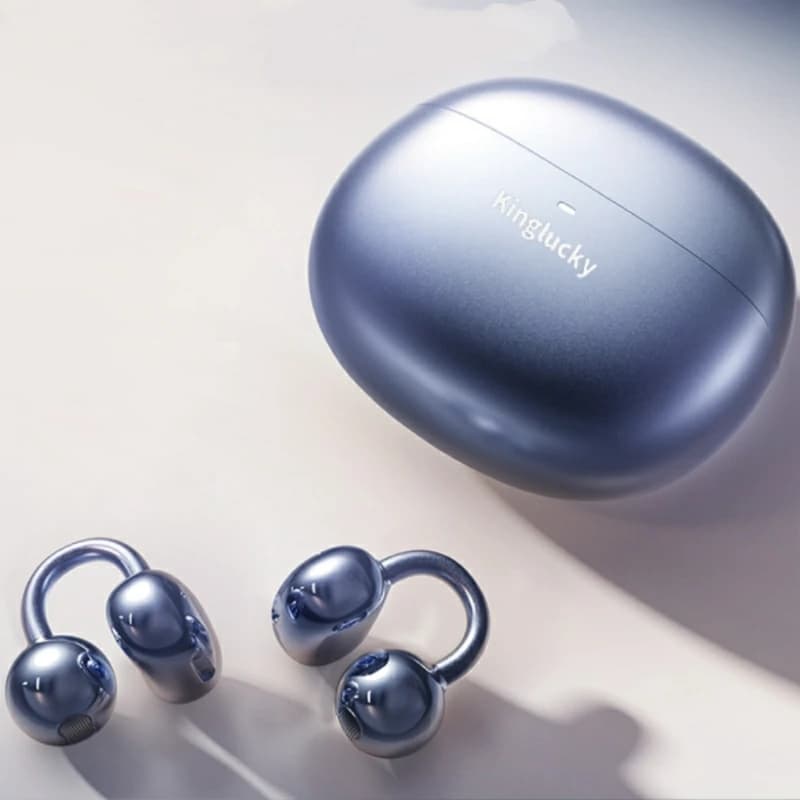
The question "Are open-ear headphones good?" has become increasingly relevant as more people prioritize situational awareness, ear comfort, and versatile audio solutions. Unlike traditional earbuds that seal the ear canal, open-ear designs allow ambient sounds to coexist with your music—but does this compromise audio quality or practicality? Let’s explore the science, scenarios, and innovations that make open-ear headphones a game-changer for modern lifestyles.

Boost frequencies above 100Hz to counter environmental noise interference.
2. Opt for Weather-Resistant Models
Look for IP54+ ratings and hydrophobic meshes (like those in the Kinglucky i3) for reliable outdoor use.
3. Prioritize Ergonomic Design
Features like 0.3mm titanium alloy frames and 270° force distribution prevent slippage during intense movement.
4. Use Multipoint Connectivity
Seamlessly switch between your phone and laptop without removing the headphones.
2. Health: No ear canal moisture buildup or pressure sores
3. Versatility: Transition from gym to office without switching gear
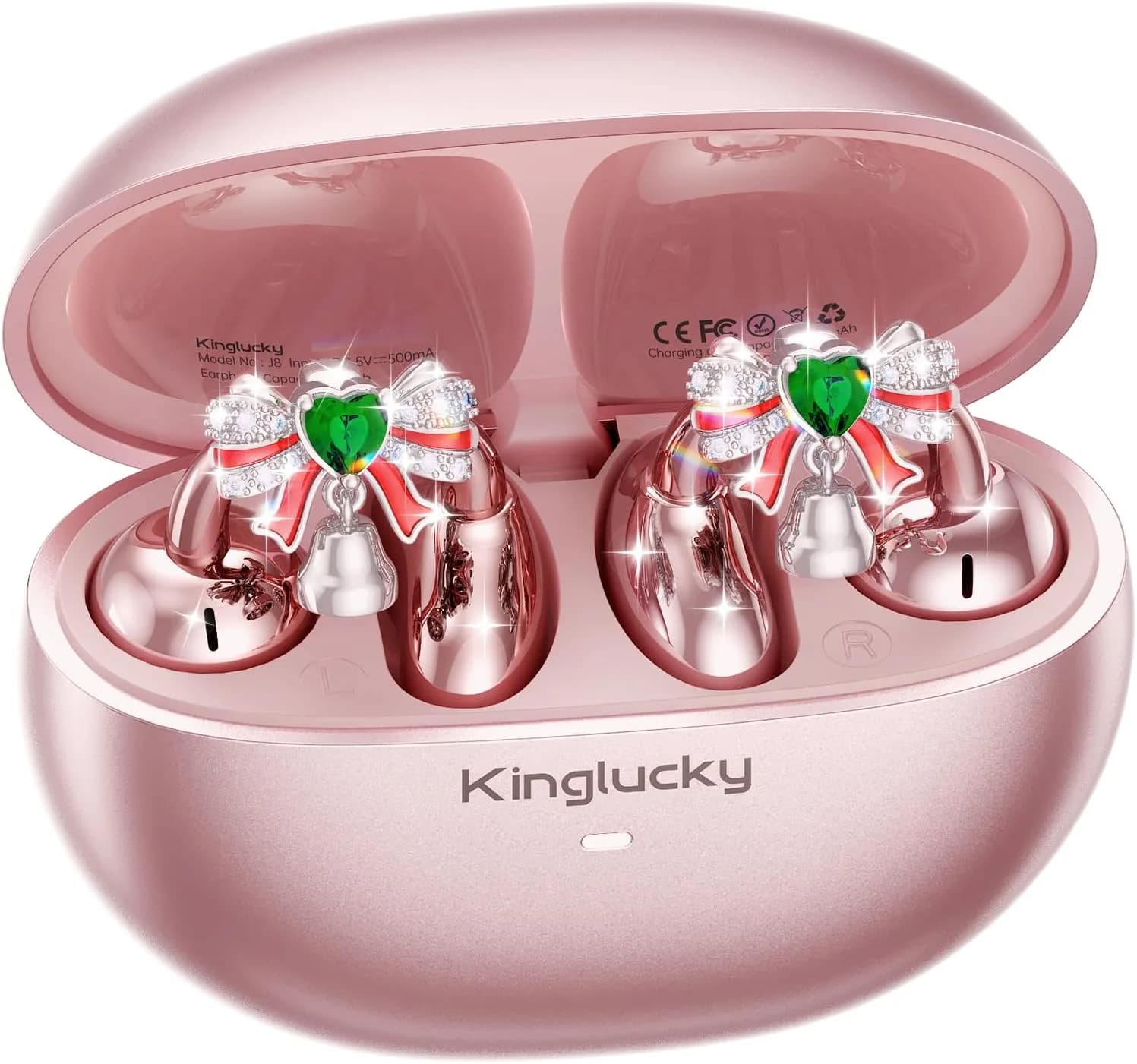
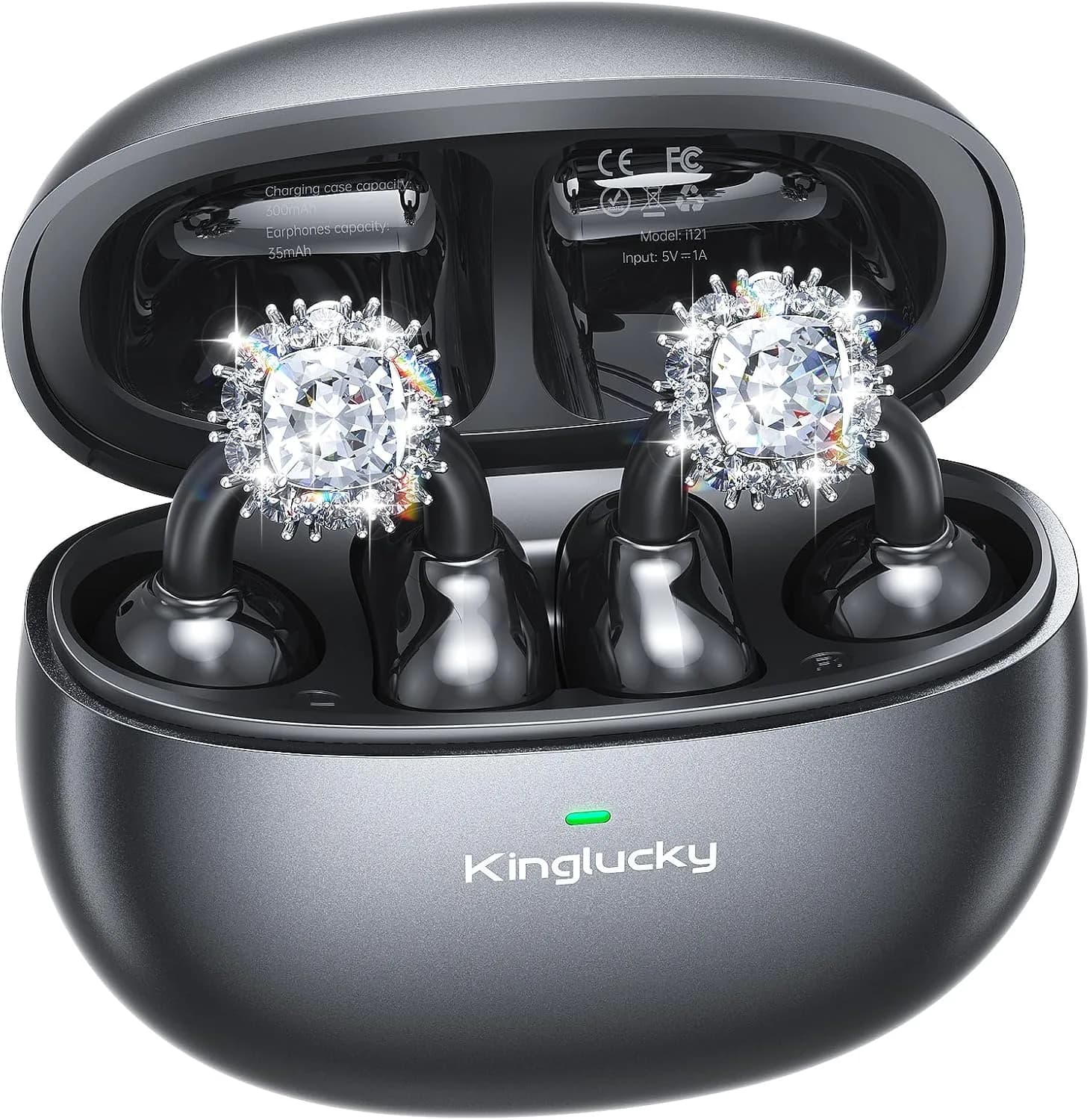
While no product is perfect, innovations like directional air conduction and adaptive bass algorithms have closed the gap between open-ear and traditional headphones. For instance, the Kinglucky i3 Ear-Clip Earphones demonstrates how premium models now deliver:
Whether you’re a trail runner needing situational alerts or a professional juggling calls and childcare, open-ear designs offer a scientifically-backed balance between immersion and reality. The answer to "Are open-ear headphones good?" isn’t just yes—it’s "They’re becoming essential."
Explore how cutting-edge open-ear technology can enhance your daily routine [here], with solutions tailored for safety, comfort, and premium sound.
What Are Open-Ear Headphones?
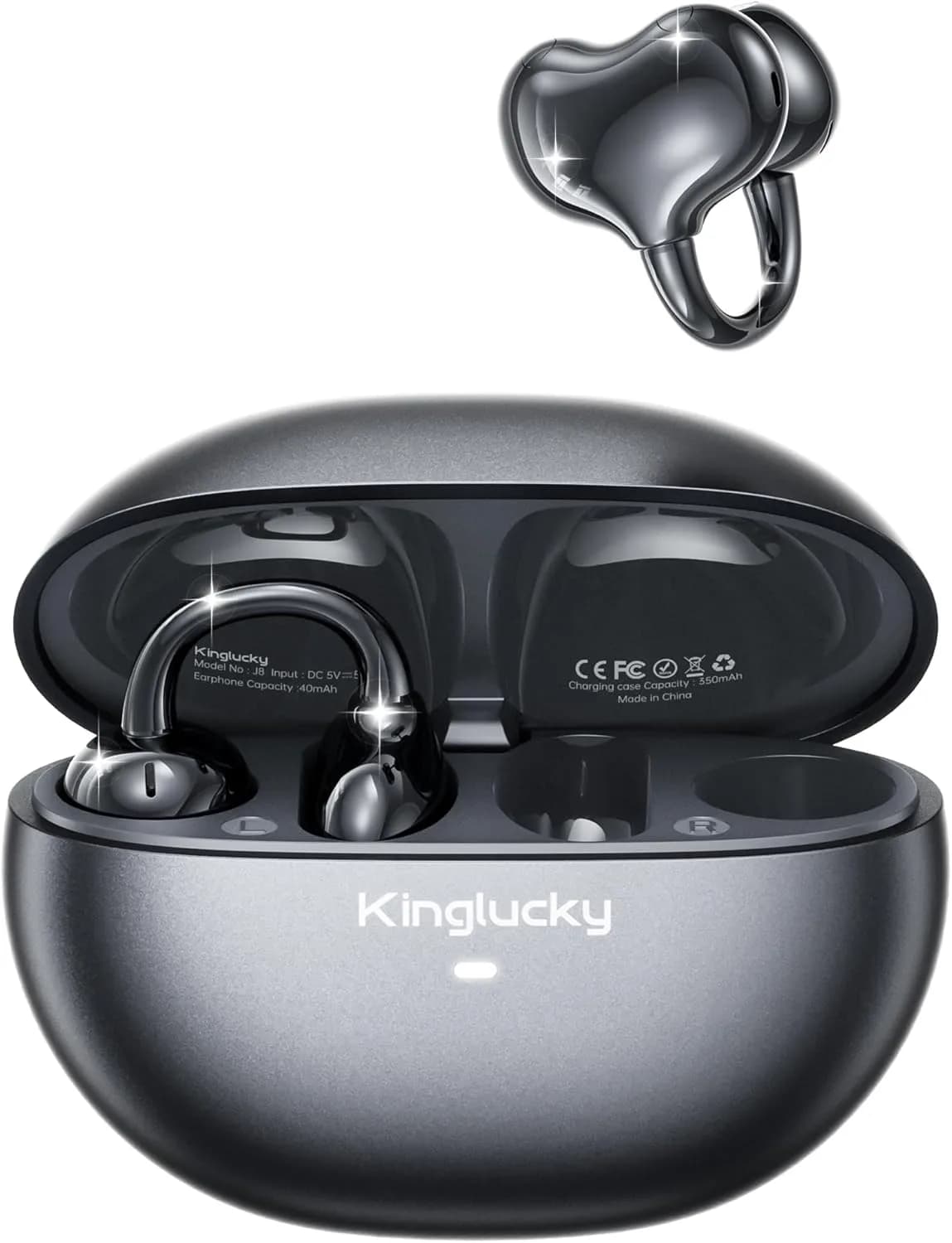
Open-ear headphones rest outside the ear canal, using bone conduction or air conduction technology to transmit sound waves. This design eliminates the "plugged ear" feeling and reduces long-term hearing fatigue. Key characteristics include:- Environmental sound passthrough: Hear traffic, conversations, or alerts while streaming audio
- Non-invasive fit: No pressure on ear cartilage or ear canal
- Hybrid usability: Ideal for sports, commuting, and multitasking
Are Open-Ear Headphones Good for?
1. Sound Quality: Can Open-Ear Designs Compete?
Critics often claim open-ear models lack bass depth and clarity. However, advancements like 16mm dynamic drivers (found in premium models like the Kinglucky i3) now deliver:- Balanced frequency response: 20Hz-20KHz coverage for crisp highs and mids
- Bass enhancement algorithms: Proprietary tech (e.g., SRS 3D Surround) compensates for low-frequency limitations
- Zero sound leakage: Directional audio pumping via air transmission
2. Comfort & Safety: The Unbeatable Edge
For runners, cyclists, or warehouse workers, open-ear headphones solve critical issues:- IP54-rated durability: Resists sweat, rain, and dust during outdoor activities
- Zero-pressure wearing: Titanium alloy frames (as seen in ergonomic models) distribute weight evenly
- 8D spatial awareness: Maintain 360° environmental perception—vital for urban commutes
3. Battery Life & Connectivity
With optimized energy-efficient chipsets, top-tier open-ear models offer:- 8-10 hours continuous playtime
- 50+ hours via charging cases
- Bluetooth 8.0 stability: <60ms latency for gaming, 98% fewer dropouts in crowded areas
Who Should (and Shouldn’t) Use Open-Ear Headphones?
✅ Ideal For:- Fitness enthusiasts: Secure, sweat-proof fit during marathons or HIIT
- Office multitaskers: Join Zoom calls while monitoring surroundings
- Parents/Caregivers: Listen to podcasts while keeping an ear on children
- Hearing-sensitive users: Avoid ear canal irritation from prolonged in-ear use
- Bass-heavy music purists: Despite improvements, sub-bass may feel less visceral
- Noise-seeking travelers: No passive isolation on planes/buses
- Deep focus workers: Ambient noise integration might distract in silent environments
How to Maximize Open-Ear Headphone Performance
1. Pair with EQ AppsBoost frequencies above 100Hz to counter environmental noise interference.
2. Opt for Weather-Resistant Models
Look for IP54+ ratings and hydrophobic meshes (like those in the Kinglucky i3) for reliable outdoor use.
3. Prioritize Ergonomic Design
Features like 0.3mm titanium alloy frames and 270° force distribution prevent slippage during intense movement.
4. Use Multipoint Connectivity
Seamlessly switch between your phone and laptop without removing the headphones.
Are Open-Ear Headphones Good?
Yes—if you value these non-negotiable benefits:
1. Safety: Uncompromised environmental awareness2. Health: No ear canal moisture buildup or pressure sores
3. Versatility: Transition from gym to office without switching gear
While no product is perfect, innovations like directional air conduction and adaptive bass algorithms have closed the gap between open-ear and traditional headphones. For instance, the Kinglucky i3 Ear-Clip Earphones demonstrates how premium models now deliver:
- Zero sound leakage even at 80% volume
- 8D cinema-grade spatial audio for immersive gaming/movies
- 50-hour endurance with rapid charging
Final Thoughts
As workplaces embrace "awareness-first" policies and cities grow noisier, open-ear headphones are transitioning from niche to necessity. Brands investing in biometric sensors, AI-driven noise filtering, and eco-conscious materials (like recyclable titanium alloys) will lead this audio revolution.Whether you’re a trail runner needing situational alerts or a professional juggling calls and childcare, open-ear designs offer a scientifically-backed balance between immersion and reality. The answer to "Are open-ear headphones good?" isn’t just yes—it’s "They’re becoming essential."
Explore how cutting-edge open-ear technology can enhance your daily routine [here], with solutions tailored for safety, comfort, and premium sound.
Recommended Products