Can I Charge a Power Bank While Using It? What Should I Pay Attention to When Using a Mobile Power Bank?
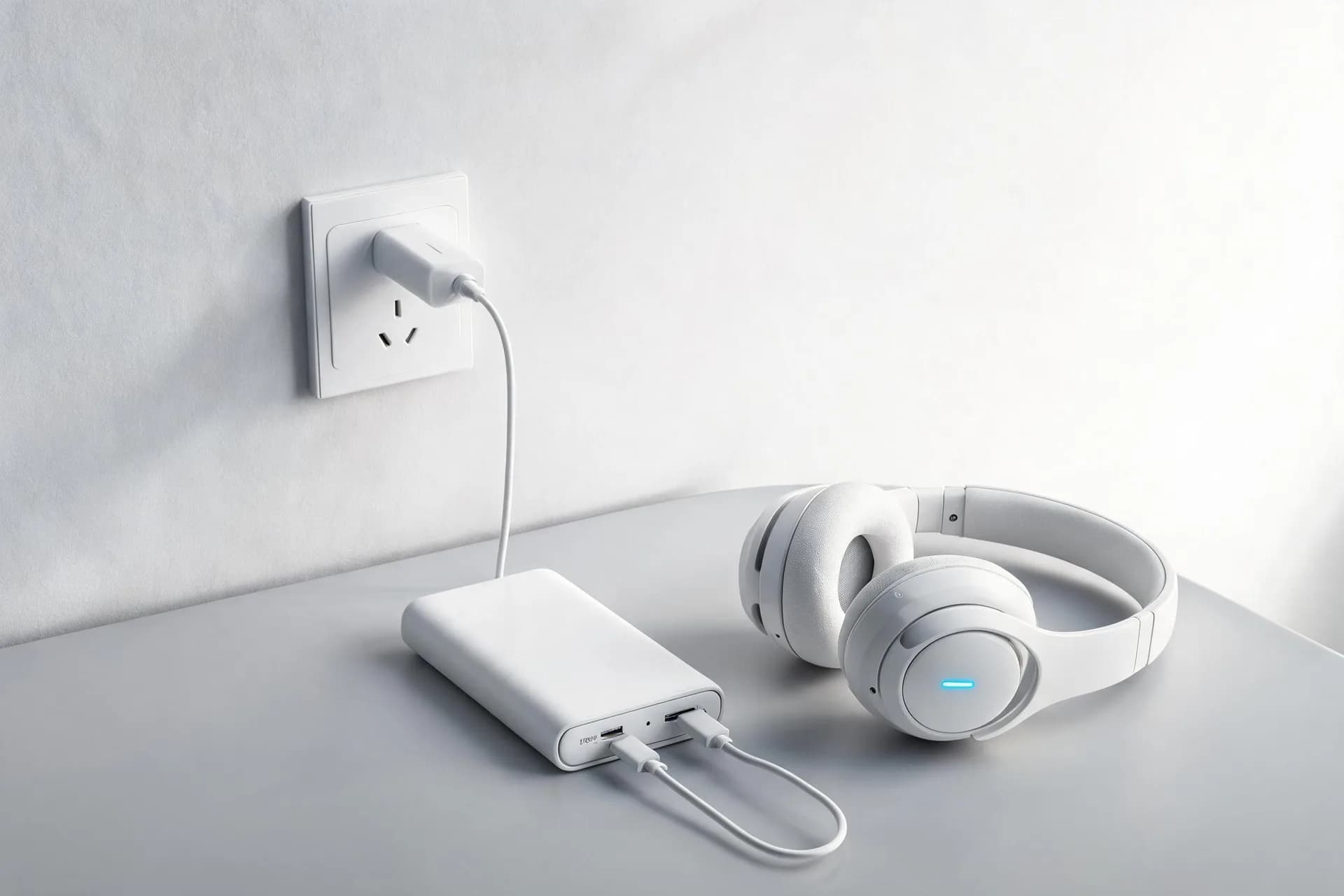
In our digital age, dependency on mobile devices is paramount. From commuting to conferences, an exhausted smartphone battery is undesirable. The power bank, a portable energy source, addresses this issue. However, its application raises questions. Can a power bank be charged whilst in use? What factors should be considered during such operation?
These inquiries are significant. Correct power bank utilization extends its life, safeguards devices, and ensures uninterrupted device functionality. Let us delve into the intricacies of power bank operation, providing a comprehensive guide.

A power bank, essentially, is a portable battery that recharges electronic devices. They vary in size, accommodating devices ranging from smartphones to laptops. Most contain lithium-ion or lithium-polymer batteries, storing power from a wall socket, which is subsequently transferred to the device through a USB cable.
Power Bank Operation
Input/Output Ports: Power banks feature one or more input ports for self-charging and one or more output ports for device charging. Input ports accommodate micro-USB or USB-C connections, while output ports typically support standard USB.
Battery Capacity: A power bank's capacity, measured in milliampere-hours (mAh), determines its rechargeability and the number of device charges possible. For example, a 10,000 mAh power bank can recharge a 2,500 mAh smartphone around four times.
Circuit Protection: Contemporary power banks incorporate safety measures such as overcharge protection, short-circuit protection, and temperature control to prevent overheating and potential damage.
The pivotal question remains: Can a power bank be charged whilst in use? Technically, yes, but it isn't universally advisable. This practice, known as pass-through charging, involves charging a device and the power bank concurrently. Despite its convenience, particularly in single outlet scenarios, several considerations arise.

It is important to consider the safety concerns when using powerbanks for older or damaged devices. While power banks canprovide a much-needed boost of power to these devices, theymay not be compatible with all models. Additionally, usingpower banks on damaged devices may cause further damage oreven cause a fire. lt is crucial to check the compatibility of thepower bank with the device and ensure that the device is in goodworking condition before using it. Additionally, it is important tofollow the manufacturer's instructions and guidelines for usingpower banks to ensure safety.
Advantages:
1. Convenience: Pass-through charging is beneficial when both the phone and power bank require charging simultaneously, particularly when travel power sources are scarce.
2. Time-saving: Simultaneous charging expedites the process, particularly when time is of essence.
Disadvantages:
1. Heat Generation: Dual charging generates excess heat, potentially causing overheating. Overheating is detrimental to battery longevity.
2. Efficiency Loss: Pass-through charging can result in reduced efficiency compared to separate charging. Power banks prioritize self-charging over device charging, resulting in slower device charging.
3. Potential Safety Risks: Unsuitable power banks may encounter internal circuit issues, posing risks such as fire. Prioritize power banks supporting pass-through charging for safer operation.

With a new mobile power bank acquired or on your future shopping list, there are certain critical factors to consider for safe, optimal operation.
Note:
1. Ensure Compatibility
Different power banks perform differently. Prior to connection, verify compatibility between your device and power bank. The power bank's amp rating should align with your device's needs. Excessive overcharging may harm your device's battery.
2. Don't Neglect Cable Quality
Proper cable selection is vital. Poor or damaged cables can hinder efficient charging, elevate heat emission, or potentially compromise safety. Adhere to manufacturer-provided cables or opt for certified third-party alternatives meeting quality standards.
3. Avoid Extreme Conditions
Battery performance deteriorates rapidly under extreme heat or cold conditions. Refrain from leaving your power bank in a heated vehicle or exposed to freezing temperatures.
4. Limit Overcharging
Though many contemporary power banks incorporate overcharge protection, it's advisable to disconnect when fully charged. Prolonged constant charging can generate excess heat, reducing lifespan.
5. Track Charge Cycles
Power banks typically offer around 300-500 charge cycles. A charge cycle signifies exhausting the battery's power, not necessarily in one session. Monitor your power bank's usage and avoid draining it entirely.
6. Maintain Cleanliness and Dryness
Dust, moisture, and debris can obstruct your power bank's charging ports. Regularly clean and maintain it using a soft cloth without water or cleaning solutions.
7. Optimal Storage Practices
For extended periods of non-use, store your power bank in a cool, dry location. Prior to storage, charge it to approximately 50%, as frequent full or complete discharge can diminish battery lifespan.

1. Can I leave my power bank connected overnight?
Yes, but it's not always advisable due to potential heat generation, which can impact battery lifespan.
2. Is it safe to use a power bank with a device during charging?
Typically, yes, but refer to your power bank’s specifications. Some models accommodate pass-through charging, while others don't. Incorrect usage could result in overheating or diminished charging efficiency.
3. How long do power banks generally last?
Their lifespan varies based on usage and maintenance, typically ranging from 1.5 to 3 years. Frequent full charge cycles accelerate their demise compared to infrequent use.
4. Are power banks prone to explosion?
Rarely, but poorly constructed, damaged, or mishandled power banks (such as using non-certified chargers/cables or exposure to extreme heat) can present a fire hazard. Always purchase from reputable manufacturers offering built-in safety measures.
In conclusion, the utility of a power bank cannot be overemphasized. It serves as a dependable companion for maintaining device functionality throughout the day. However, like any technological tool, proper utilization is essential for optimizing its benefits and ensuring safety. You can indeed charge a power bank simultaneously, but exercise caution. Review your power bank’s specifications, avoid extreme temperatures, utilize high-quality cables, and monitor its charge cycles.
Remember, armed with these guidelines, you'll be prepared to maintain your gadgets and power bank in peak condition. Regardless of whether you're globetrotting or commuting locally, these handy tools are at your disposal, providing coverage as long as utilized judiciously. Happy charging!
These inquiries are significant. Correct power bank utilization extends its life, safeguards devices, and ensures uninterrupted device functionality. Let us delve into the intricacies of power bank operation, providing a comprehensive guide.
Understanding Power Banks
A power bank, essentially, is a portable battery that recharges electronic devices. They vary in size, accommodating devices ranging from smartphones to laptops. Most contain lithium-ion or lithium-polymer batteries, storing power from a wall socket, which is subsequently transferred to the device through a USB cable.
Power Bank Operation
Input/Output Ports: Power banks feature one or more input ports for self-charging and one or more output ports for device charging. Input ports accommodate micro-USB or USB-C connections, while output ports typically support standard USB.
Battery Capacity: A power bank's capacity, measured in milliampere-hours (mAh), determines its rechargeability and the number of device charges possible. For example, a 10,000 mAh power bank can recharge a 2,500 mAh smartphone around four times.
Circuit Protection: Contemporary power banks incorporate safety measures such as overcharge protection, short-circuit protection, and temperature control to prevent overheating and potential damage.
Can a Power Bank Be Charged Whilst in Use?
The pivotal question remains: Can a power bank be charged whilst in use? Technically, yes, but it isn't universally advisable. This practice, known as pass-through charging, involves charging a device and the power bank concurrently. Despite its convenience, particularly in single outlet scenarios, several considerations arise.
Is it safe to use power banks on older or damaged devices?
It is important to consider the safety concerns when using powerbanks for older or damaged devices. While power banks canprovide a much-needed boost of power to these devices, theymay not be compatible with all models. Additionally, usingpower banks on damaged devices may cause further damage oreven cause a fire. lt is crucial to check the compatibility of thepower bank with the device and ensure that the device is in goodworking condition before using it. Additionally, it is important tofollow the manufacturer's instructions and guidelines for usingpower banks to ensure safety.
Advantages and Disadvantages of Pass-Through Charging
Advantages:
1. Convenience: Pass-through charging is beneficial when both the phone and power bank require charging simultaneously, particularly when travel power sources are scarce.
2. Time-saving: Simultaneous charging expedites the process, particularly when time is of essence.
Disadvantages:
1. Heat Generation: Dual charging generates excess heat, potentially causing overheating. Overheating is detrimental to battery longevity.
2. Efficiency Loss: Pass-through charging can result in reduced efficiency compared to separate charging. Power banks prioritize self-charging over device charging, resulting in slower device charging.
3. Potential Safety Risks: Unsuitable power banks may encounter internal circuit issues, posing risks such as fire. Prioritize power banks supporting pass-through charging for safer operation.
Considerations for Safe, Effective Mobile Power Bank Usage
With a new mobile power bank acquired or on your future shopping list, there are certain critical factors to consider for safe, optimal operation.
Note:
1. Ensure Compatibility
Different power banks perform differently. Prior to connection, verify compatibility between your device and power bank. The power bank's amp rating should align with your device's needs. Excessive overcharging may harm your device's battery.
2. Don't Neglect Cable Quality
Proper cable selection is vital. Poor or damaged cables can hinder efficient charging, elevate heat emission, or potentially compromise safety. Adhere to manufacturer-provided cables or opt for certified third-party alternatives meeting quality standards.
3. Avoid Extreme Conditions
Battery performance deteriorates rapidly under extreme heat or cold conditions. Refrain from leaving your power bank in a heated vehicle or exposed to freezing temperatures.
4. Limit Overcharging
Though many contemporary power banks incorporate overcharge protection, it's advisable to disconnect when fully charged. Prolonged constant charging can generate excess heat, reducing lifespan.
5. Track Charge Cycles
Power banks typically offer around 300-500 charge cycles. A charge cycle signifies exhausting the battery's power, not necessarily in one session. Monitor your power bank's usage and avoid draining it entirely.
6. Maintain Cleanliness and Dryness
Dust, moisture, and debris can obstruct your power bank's charging ports. Regularly clean and maintain it using a soft cloth without water or cleaning solutions.
7. Optimal Storage Practices
For extended periods of non-use, store your power bank in a cool, dry location. Prior to storage, charge it to approximately 50%, as frequent full or complete discharge can diminish battery lifespan.
Frequently Asked Questions Regarding Power Bank Operation
1. Can I leave my power bank connected overnight?
Yes, but it's not always advisable due to potential heat generation, which can impact battery lifespan.
2. Is it safe to use a power bank with a device during charging?
Typically, yes, but refer to your power bank’s specifications. Some models accommodate pass-through charging, while others don't. Incorrect usage could result in overheating or diminished charging efficiency.
3. How long do power banks generally last?
Their lifespan varies based on usage and maintenance, typically ranging from 1.5 to 3 years. Frequent full charge cycles accelerate their demise compared to infrequent use.
4. Are power banks prone to explosion?
Rarely, but poorly constructed, damaged, or mishandled power banks (such as using non-certified chargers/cables or exposure to extreme heat) can present a fire hazard. Always purchase from reputable manufacturers offering built-in safety measures.
In conclusion, the utility of a power bank cannot be overemphasized. It serves as a dependable companion for maintaining device functionality throughout the day. However, like any technological tool, proper utilization is essential for optimizing its benefits and ensuring safety. You can indeed charge a power bank simultaneously, but exercise caution. Review your power bank’s specifications, avoid extreme temperatures, utilize high-quality cables, and monitor its charge cycles.
Remember, armed with these guidelines, you'll be prepared to maintain your gadgets and power bank in peak condition. Regardless of whether you're globetrotting or commuting locally, these handy tools are at your disposal, providing coverage as long as utilized judiciously. Happy charging!
Recommended Products