
Do You Need a Sound Card for a PC? This Article Tells You Everything You Need to Know
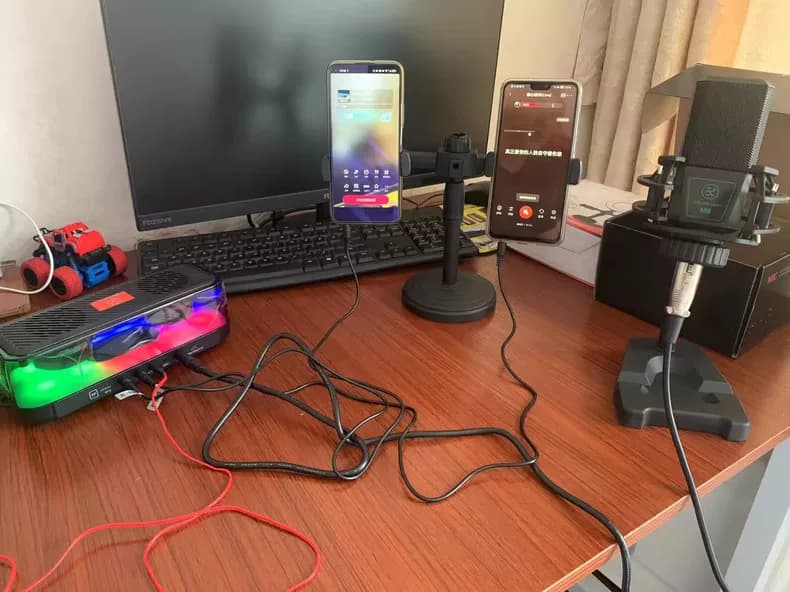
PC aces you've just incorporated? All systems go? Pumped to engage in your beloved game or relish some top-tier music? A fellow forum dweller alerted you to sound cards; now, you're intrigued. Adequate is your on-board audio, or are you forfeiting a dedicated sound card's immersive prowess? You're in the right spot! This piece elucidates the crucial query: "A sound card for a PC?" and sheds light on their utility.
In this tech-centric era, sound cards, often overshadowed by vital hardware like GPUs and CPUs, warrant attention. Let's delve into their essence, functionality, and potential investment value.

Prior to addressing the necessity debate, we must comprehend what a sound card entails. Simply put, it's an internal expansion device that enables audio processing and output in a computer. Once indispensable, their relevance has evolved.
• Analog-to-Digital Conversion (ADC): Transforms analog signals (such as speech) into digital data for processing.
• Digital-to-Analog Conversion (DAC): Converts digital audio data into an analog signal for playback via speakers or headphones.
• Signal Enhancement: Supplies diverse audio enhancements, including 3D audio effects, surround sound, and enhanced gaming/music quality.
• Multiple Input and Output Options: Facilitates connection of audio devices, including microphones, speakers, and instruments.
Sound cards broadly fall into two categories: integrated (motherboard-embedded) and dedicated (standalone hardware). Many perceive dedicated sound cards unnecessary due to modern motherboards' integrated sound cards.
The need for a sound card often hinges on integrated audio quality. Advances in technology have significantly boosted the quality of these cards. Contemporary motherboards typically incorporate high-definition audio chips suitable for varied tasks.
Despite integrated audio's progress, it may not be optimal for all. Here are instances when a dedicated sound card could enhance your experience: 1. Audiophiles and Music Aficionados:
High-fidelity audio enthusiasts may appreciate a dedicated sound card featuring superior DACs and amplifiers, offering cleaner, more precise audio devoid of noise and distortion.
2. Gamers:
Gamers, particularly those engrossed in first-person shooters or competitive games, can gain significant advantage from a dedicated sound card's immersive 3D audio and precise positional sound, enabling detection of stealthy enemies or subtle audio cues.
3. Content Creators:
Podcasting, streaming, or audio production aficionados may benefit from a dedicated sound card's superior microphone input quality and advanced audio processing features, yielding clearer voice recordings and more polished content.
4. High-Quality Speaker or Headphone Users:
Investment in high-end headphones or speakers necessitates adequate amplification. Integrated audio may lack power to drive high-impedance headphones, compromising sound quality or volume. A dedicated sound card can fulfill this requirement, maximizing your audio equipment's potential.
Here are some commonly held misperceptions about sound cards:
1. "Integrated Sound is Subpar": This assertion is no longer accurate. Contemporary integrated audio provides satisfactory quality, suitable for most user needs. While it may fall short compared to dedicated cards, it fulfills general requirements.
2. "Sound Cards Only Serve Audiophiles": Although audiophiles gain considerable benefits, gaming enthusiasts, content generators, and others seeking superior audio quality also stand to gain from dedicated sound cards.
3. "High-End Speakers are Necessary": While top-tier speakers or headphones enhance the sound card's capabilities, mid-range audio equipment can still benefit from a dedicated card. Enhanced signal-to-noise ratio, superior DAC, and advanced audio processing can yield discernible improvements.

Superior Audio Quality: Dedicated sound cards generally offer superior audio quality compared to integrated audio, featuring cleaner highs, profound lows, and intricate midrange.
Sophisticated Features: Numerous sound cards incorporate software providing diverse enhancements such as virtual surround sound, adjustable equalizers, and activity-specific sound profiles.
Enhanced Input/Output Options: More ports and connectivity options for varied audio devices can be advantageous for users with multiple audio sources or needs.
CPU Efficiency: Sound cards manage audio processing independently, freeing up the CPU for other tasks, potentially enhancing overall system performance.
Price: High-quality sound cards can be costly, typically ranging from $50 to $300 or higher, contingent upon features and brand. This price tag may not be feasible for all.
Space and Installation: A sound card necessitates an accessible PCIe slot and some fundamental understanding of PC components. Not everyone is comfortable with internal PC modifications.
Diminished Returns: If your audio setup is rudimentary (e.g., standard desktop speakers or budget headphones), the enhancement from a sound card may not be significant.
Here are instances when a sound card should be considered:
1. Professional Audio Work: If engaged in audio production, editing, or similar professional audio tasks, a dedicated sound card's quality and fidelity are indispensable.
2. Competitive Gaming: For committed gamers, a dedicated sound card's enhanced spatial awareness can enhance gameplay. Precise sound cues can be the difference between triumph and defeat.
3. HTPC Configuration: In a home theater setup, a sound card can provide superior audio quality, heightening the entertainment value of film viewing or music listening.
4. Noisey Environments: A sound card with a robust DAC can mitigate noise and distortion, especially beneficial in noisy environments or with substantial electrical interference.
In conclusion, does a sound card warrant inclusion in a PC? This article suggests it hinges on individual needs and expectations. For the average user, contemporary integrated sound suffices, offering adequate quality and functionality.
However, for competitive gamers, audiophiles, or content creators seeking superior audio quality, a dedicated sound card could be a worthy investment. It's crucial to evaluate the pros and cons, consider specific use cases, and ascertain whether the potential audio quality enhancement outweighs the associated costs and efforts.
Ultimately, a sound card isn't essential for everyone, but for those appreciating its impact, it's a valuable component of any PC setup. As you contemplate purchasing one, bear in mind: your ears are the ultimate deciders. If you yearn for superior sound and believe your current setup falls short, perhaps it's time to explore a dedicated sound card. After all, when it comes to relishing your preferred games, films, or music, why compromise?
In this tech-centric era, sound cards, often overshadowed by vital hardware like GPUs and CPUs, warrant attention. Let's delve into their essence, functionality, and potential investment value.
What exactly is a sound card?
Prior to addressing the necessity debate, we must comprehend what a sound card entails. Simply put, it's an internal expansion device that enables audio processing and output in a computer. Once indispensable, their relevance has evolved.
A sound card's functions include:
• Analog-to-Digital Conversion (ADC): Transforms analog signals (such as speech) into digital data for processing.
• Digital-to-Analog Conversion (DAC): Converts digital audio data into an analog signal for playback via speakers or headphones.
• Signal Enhancement: Supplies diverse audio enhancements, including 3D audio effects, surround sound, and enhanced gaming/music quality.
• Multiple Input and Output Options: Facilitates connection of audio devices, including microphones, speakers, and instruments.
Sound cards broadly fall into two categories: integrated (motherboard-embedded) and dedicated (standalone hardware). Many perceive dedicated sound cards unnecessary due to modern motherboards' integrated sound cards.
The evolution of integrated audio: sufficient?
The need for a sound card often hinges on integrated audio quality. Advances in technology have significantly boosted the quality of these cards. Contemporary motherboards typically incorporate high-definition audio chips suitable for varied tasks.
Why opt for a dedicated sound card?
Despite integrated audio's progress, it may not be optimal for all. Here are instances when a dedicated sound card could enhance your experience:
High-fidelity audio enthusiasts may appreciate a dedicated sound card featuring superior DACs and amplifiers, offering cleaner, more precise audio devoid of noise and distortion.
2. Gamers:
Gamers, particularly those engrossed in first-person shooters or competitive games, can gain significant advantage from a dedicated sound card's immersive 3D audio and precise positional sound, enabling detection of stealthy enemies or subtle audio cues.
3. Content Creators:
Podcasting, streaming, or audio production aficionados may benefit from a dedicated sound card's superior microphone input quality and advanced audio processing features, yielding clearer voice recordings and more polished content.
4. High-Quality Speaker or Headphone Users:
Investment in high-end headphones or speakers necessitates adequate amplification. Integrated audio may lack power to drive high-impedance headphones, compromising sound quality or volume. A dedicated sound card can fulfill this requirement, maximizing your audio equipment's potential.
Dispelling Common Myths Surrounding Sound Cards
Here are some commonly held misperceptions about sound cards:
1. "Integrated Sound is Subpar": This assertion is no longer accurate. Contemporary integrated audio provides satisfactory quality, suitable for most user needs. While it may fall short compared to dedicated cards, it fulfills general requirements.
2. "Sound Cards Only Serve Audiophiles": Although audiophiles gain considerable benefits, gaming enthusiasts, content generators, and others seeking superior audio quality also stand to gain from dedicated sound cards.
3. "High-End Speakers are Necessary": While top-tier speakers or headphones enhance the sound card's capabilities, mid-range audio equipment can still benefit from a dedicated card. Enhanced signal-to-noise ratio, superior DAC, and advanced audio processing can yield discernible improvements.
Evaluating the Pros and Cons of Adding a Sound Card
Having established these fundamentals, let us examine the advantages and disadvantages of incorporating a sound card into your PC:Advantages
Superior Audio Quality: Dedicated sound cards generally offer superior audio quality compared to integrated audio, featuring cleaner highs, profound lows, and intricate midrange.
Sophisticated Features: Numerous sound cards incorporate software providing diverse enhancements such as virtual surround sound, adjustable equalizers, and activity-specific sound profiles.
Enhanced Input/Output Options: More ports and connectivity options for varied audio devices can be advantageous for users with multiple audio sources or needs.
CPU Efficiency: Sound cards manage audio processing independently, freeing up the CPU for other tasks, potentially enhancing overall system performance.
Disadvantages
Price: High-quality sound cards can be costly, typically ranging from $50 to $300 or higher, contingent upon features and brand. This price tag may not be feasible for all.
Space and Installation: A sound card necessitates an accessible PCIe slot and some fundamental understanding of PC components. Not everyone is comfortable with internal PC modifications.
Diminished Returns: If your audio setup is rudimentary (e.g., standard desktop speakers or budget headphones), the enhancement from a sound card may not be significant.
Circumstances Indicating a Sound Card is Essential
Here are instances when a sound card should be considered:
1. Professional Audio Work: If engaged in audio production, editing, or similar professional audio tasks, a dedicated sound card's quality and fidelity are indispensable.
2. Competitive Gaming: For committed gamers, a dedicated sound card's enhanced spatial awareness can enhance gameplay. Precise sound cues can be the difference between triumph and defeat.
3. HTPC Configuration: In a home theater setup, a sound card can provide superior audio quality, heightening the entertainment value of film viewing or music listening.
4. Noisey Environments: A sound card with a robust DAC can mitigate noise and distortion, especially beneficial in noisy environments or with substantial electrical interference.
In conclusion, does a sound card warrant inclusion in a PC? This article suggests it hinges on individual needs and expectations. For the average user, contemporary integrated sound suffices, offering adequate quality and functionality.
However, for competitive gamers, audiophiles, or content creators seeking superior audio quality, a dedicated sound card could be a worthy investment. It's crucial to evaluate the pros and cons, consider specific use cases, and ascertain whether the potential audio quality enhancement outweighs the associated costs and efforts.
Ultimately, a sound card isn't essential for everyone, but for those appreciating its impact, it's a valuable component of any PC setup. As you contemplate purchasing one, bear in mind: your ears are the ultimate deciders. If you yearn for superior sound and believe your current setup falls short, perhaps it's time to explore a dedicated sound card. After all, when it comes to relishing your preferred games, films, or music, why compromise?