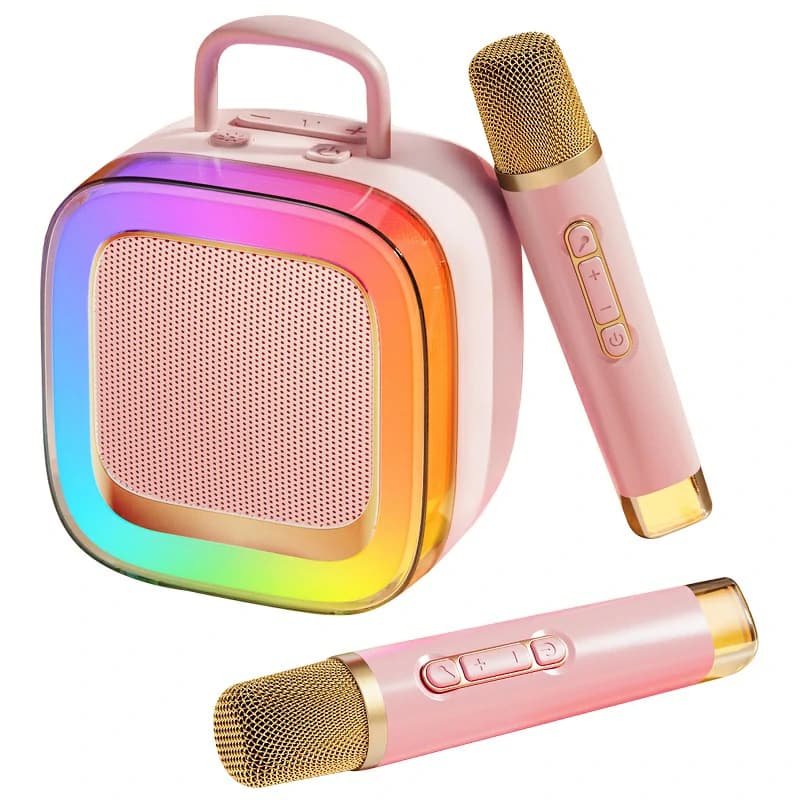
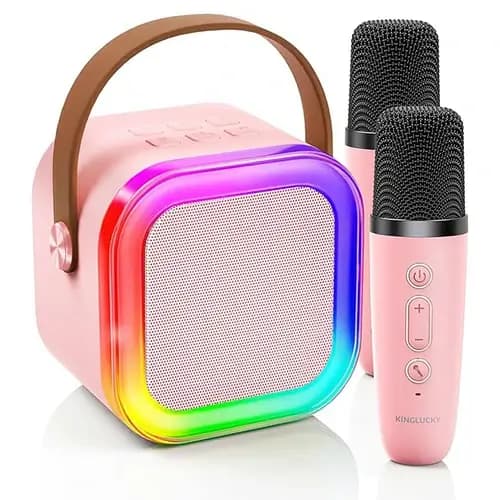
What Is a Karaoke Machine?
Let’s cut through the clichés of cheesy ’80s neon lights and off-key birthday parties. A karaoke machine isn’t just a box that amplifies your shower-singing fantasies—it’s a cultural phenomenon, a stress-relief tool, and even a gateway to global music discovery. Whether you’re a shower crooner or a future Grammy nominee, here’s the untold story of what karaoke machines really are and why they’ve become a must-have in living rooms, bars, and even therapy sessions.
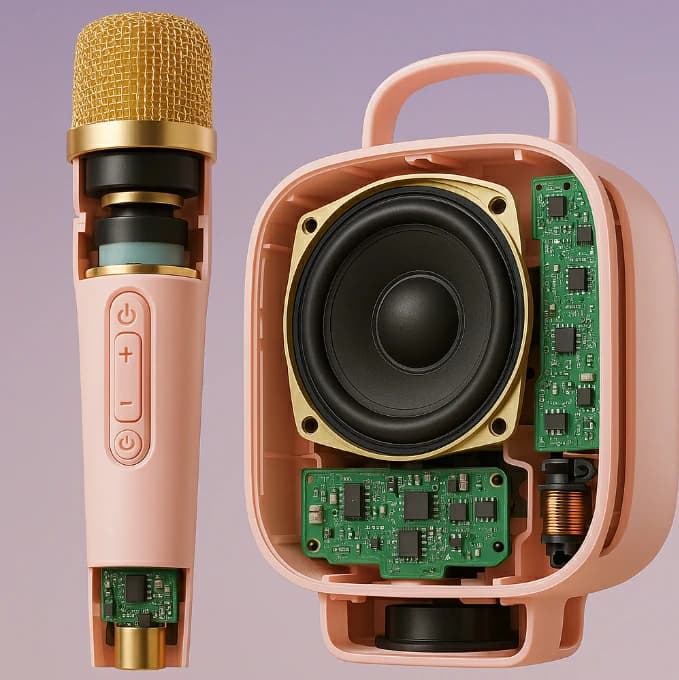
Breaking It Down: The Anatomy of a Karaoke Machine
Forget “microphone + speakers.” Modern karaoke systems are stealthy tech hybrids. Here’s what’s really under the hood:
Key Control: Lets you adjust song pitch to match your vocal range (no more squeaking through Adele!).
Voice Effects: Reverb, echo, and auto-tune modes to make you sound like a pro (or a robot—your call).
Lower the lead vocals (so you’re not competing with Beyoncé).
Isolate instrumentals (for true solo performances).
Add harmonies (because why sing alone when you can duet with yourself?).
Multi-Mic Ports: For family duets or chaotic group sing-offs.
Recording Features: Save performances to roast yourself later (or go viral on TikTok).
But here’s the kicker: Inoue never patented his invention. He’s now considered the “Forrest Gump of music tech”—a man who revolutionized entertainment but didn’t profit from it.
VHS-style visualizers (think floating disco balls).
8-bit video game soundtracks (Mario Kart karaoke, anyone?).
“Live audience” noise buttons (applause, heckling, canned laughter).
“Hey, you’re flat on the chorus—try standing straighter!”
“That riff was fire. Quit your day job.”
Truth: The best karaoke moments are gloriously bad. Machines now have “Novice Mode” that auto-corrects pitch and slows tempos.
❌ Myth: “It’s Just for Parties.”
Truth: 34% of karaoke machine owners use them solo—for shower singing, grief processing, or practicing speeches.
❌ Myth: “All Machines Are the Same.”
Lyric databases (limited to 100 songs vs. 10,000+).
Noise filters (feedback that could shatter wine glasses).
XLR ports (for pro mics).
USB-C (to upload custom tracks).
RCA jacks (for vintage amps).
Breaking It Down: The Anatomy of a Karaoke Machine

Forget “microphone + speakers.” Modern karaoke systems are stealthy tech hybrids. Here’s what’s really under the hood:1. The Brain: Music Playback System
Lyric Synchronization: Uses timestamped files (like .KAR or .CDG) to display words in rhythm.Key Control: Lets you adjust song pitch to match your vocal range (no more squeaking through Adele!).
Voice Effects: Reverb, echo, and auto-tune modes to make you sound like a pro (or a robot—your call).
2. The Voice Box: Audio Mixer
Blends your voice with background tracks. Advanced models let you:Lower the lead vocals (so you’re not competing with Beyoncé).
Isolate instrumentals (for true solo performances).
Add harmonies (because why sing alone when you can duet with yourself?).
3. The Stage: Output Options
HDMI/Bluetooth: Stream lyrics to TVs, projectors, or even VR headsets.Multi-Mic Ports: For family duets or chaotic group sing-offs.
Recording Features: Save performances to roast yourself later (or go viral on TikTok).
The Secret History You Never Knew
Karaoke (“empty orchestra” in Japanese) wasn’t born in a Tokyo bar—it started as a corporate accident. In 1971, Japanese drummer Daisuke Inoue created the first machine for businessmen who wanted to practice speeches. They hijacked it for singing Enka ballads instead. By 1975, karaoke boxes (soundproof rooms) outsold movie tickets in Japan.But here’s the kicker: Inoue never patented his invention. He’s now considered the “Forrest Gump of music tech”—a man who revolutionized entertainment but didn’t profit from it.
Why Karaoke Machines Are the Ultimate Social Glue
1. The Science of Singing Together
Studies show group singing releases oxytocin (the “trust hormone”) and lowers cortisol (the stress chemical). Translation: Karaoke isn’t just fun—it’s therapy.2. Language Hack
Want to learn Spanish? Sing Shakira. Korean? BTS it up. Karaoke machines turn language practice into a game—complete with scoring systems and lyric prompts.3. Nostalgia Time Machine
Modern systems include retro features like:VHS-style visualizers (think floating disco balls).
8-bit video game soundtracks (Mario Kart karaoke, anyone?).
“Live audience” noise buttons (applause, heckling, canned laughter).
Karaoke Tech You Won’t Believe Exists
1. AI Vocal Coaches
Some machines analyze your pitch, breathing, and tone, then give real-time feedback like:“Hey, you’re flat on the chorus—try standing straighter!”
“That riff was fire. Quit your day job.”
2. Holographic Performances
Sing “Bohemian Rhapsody” alongside a 3D Freddie Mercury hologram. Creepy? Maybe. Epic? Absolutely.3. Mood-Sensing Playlists
Cameras scan your face to suggest songs matching your vibe. Grumpy after work? It queues up “I Will Survive.” Over-caffeinated? “Livin’ on a Prayer” it is.Karaoke Myths—Busted
❌ Myth: “You Need Talent.”Truth: The best karaoke moments are gloriously bad. Machines now have “Novice Mode” that auto-corrects pitch and slows tempos.
❌ Myth: “It’s Just for Parties.”
Truth: 34% of karaoke machine owners use them solo—for shower singing, grief processing, or practicing speeches.
❌ Myth: “All Machines Are the Same.”
Truth: Bargain-bin models often lack:
Key control (so you’re stuck singing in the original artist’s range).Lyric databases (limited to 100 songs vs. 10,000+).
Noise filters (feedback that could shatter wine glasses).
How to Choose a Karaoke Machine Without Losing Your Mind
1. The “Pizza Box” Test
If it’s smaller than a large pizza, it’s probably a toy. Real machines need space for mixing boards and cooling fans.2. Check the Inputs
Need to plug in a guitar, wireless mic, and a tambourine? Look for:XLR ports (for pro mics).
USB-C (to upload custom tracks).
RCA jacks (for vintage amps).
3. Wi-Fi ≠ Essential
Many “smart” models require subscriptions for lyrics. Offline machines with SD card slots save you from buffering mid-chorus.The Dark Side of Karaoke (Yes, Really)
1. Karaoke Rage
A 2022 study found 1 in 5 bar fights start over skipped songs or stolen mic time.2. Vocal Damage
Belting “Lovin’ You” (with Mariah Carey-level whistles) can strain vocal cords. Machines with volume limiters prevent this.3. Privacy Nightmares
Internet-connected models have leaked embarrassing recordings. Always check data policies!The Future: Where Karaoke Is Headed
1. Metaverse Concerts
Sing in VR arenas with fans worldwide—complete with virtual lighters and merch stands.2. Biofeedback Mics
Sensors track heart rate and hydration, pausing songs if you’re about to pass out from “Don’t Stop Believin’” intensity.3. Karaoke NFTs
Own exclusive rights to rare tracks or virtual stages.Final Answer: What Is a Karaoke Machine?
It’s a time machine, therapist, language tutor, and chaotic social experiment—all packed into one device. Whether you’re screaming “Sweet Caroline” at a dive bar or whisper-singing Taylor Swift in your pajamas, karaoke machines turn everyday moments into performances. And in a world obsessed with screens and silence, that’s something worth amplifying.おすすめ製品