
Can Other People Hear Bone Conduction Headphones?
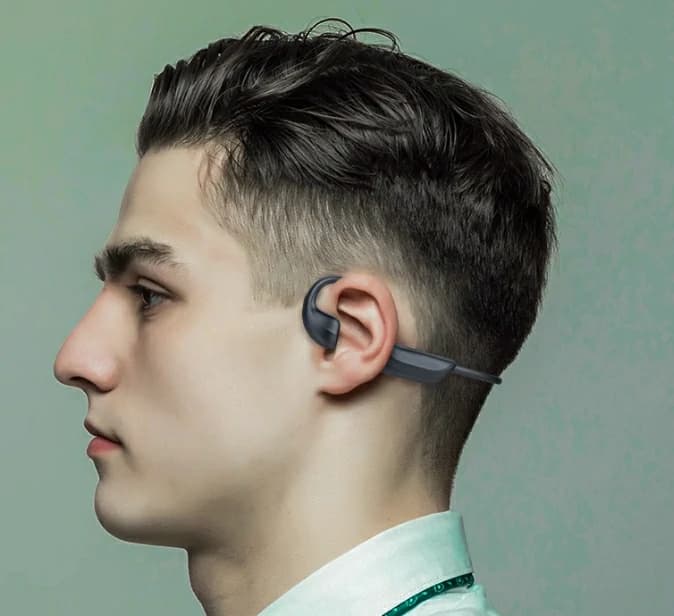
What Are Bone Conduction Headphones?
Bone conduction headphones have become a popular alternative to traditional audio devices due to their innovative technology. Unlike standard headphones, which rely on sound waves traveling through the air to your eardrum, bone conduction headphones transmit sound vibrations directly through your bones, bypassing the ear canal altogether. This makes them an excellent option for people who want to listen to music or take calls without blocking out the sounds of their surroundings, which is particularly useful for outdoor activities like cycling, running, or walking in busy environments.
However, many people have a burning question when they first encounter bone conduction technology: Can other people hear bone conduction headphones? Is this technology as private as it seems, or does it cause the same sound leakage issues that can make traditional headphones disruptive to those nearby? In this article, we will answer this question in detail, explore the privacy features of bone conduction headphones, and discuss their sound quality and ideal use cases.
How Bone Conduction Headphones Work

How Sound Is Transmitted
Bone conduction headphones work by converting sound into vibrations that travel through your bones directly to your inner ear. This is a departure from traditional headphones, which rely on air to carry sound to the eardrum. These vibrations bypass the eardrum entirely and reach the cochlea, where they are interpreted as sound. Essentially, your bones act as the conduit for sound, which allows you to hear audio without blocking your ears or blocking out environmental sounds.The technology works thanks to small transducers placed on your temples or cheekbones. When you put the headphones on, these transducers vibrate, creating sound waves that are sent through the skull. The sound you hear comes from the bones rather than the air. This unique method of sound delivery makes bone conduction headphones particularly useful for those who need to remain aware of their surroundings while listening to audio, such as cyclists, runners, or even people with hearing impairments.
Differences from Traditional Headphones
Bone conduction headphones are very different from traditional in-ear or over-ear headphones. In standard headphones, the speakers create sound waves that travel through the air and enter your ear canal. This can block out ambient noise and provide a more immersive listening experience. Bone conduction headphones, however, don’t seal your ears, so you can still hear external sounds while listening to music or taking calls.This makes bone conduction headphones ideal for environments where awareness of your surroundings is essential. Whether you’re jogging along a busy street or cycling through a park, bone conduction headphones allow you to stay alert to the world around you while still enjoying your audio. On the flip side, they tend to offer a less immersive experience when compared to traditional headphones, as they don’t isolate you from external noise.
Sound Leakage from Bone Conduction Headphones

Can Others Hear the Sound?
One of the most frequently asked questions about bone conduction headphones is whether other people can hear bone conduction headphones. Since these headphones don’t cover your ears, many users wonder if the sound will leak and disturb those nearby. Fortunately, the answer is generally no—bone conduction headphones are designed to be private, and the majority of sound stays within the headphones and is not easily heard by others. The technology directs the sound vibrations to your bones, making it difficult for people around you to hear what you’re listening to.However, while the sound leakage from bone conduction headphones is minimal, certain factors can influence whether or not others can hear the audio. Let’s explore these factors.
Factors That Affect Sound Leakage
There are several factors that can impact whether or not the sound from your bone conduction headphones leaks into the surrounding environment:
Volume Level:
Just like traditional headphones, if you turn the volume up too high, there’s a higher chance of sound leakage. Bone conduction headphones are generally quieter than regular headphones, but they can still produce noise that people nearby might hear if the volume is cranked up too much. Keeping the volume at a moderate level will reduce this risk.Environment:
The environment in which you use bone conduction headphones plays a big role in sound leakage. In noisy environments like a crowded gym, a subway, or a busy street, the background noise will likely drown out any sound leakage. However, in quieter settings like an office, library, or classroom, the sound from the headphones may become more noticeable, especially at higher volumes.Wearing Method:
Proper fit is key to both sound quality and sound privacy. If the headphones aren’t positioned correctly on your temples or cheekbones, they may not transmit the sound as effectively through your bones, resulting in sound leakage or poor sound quality. Ensuring a snug and proper fit helps improve the audio experience and reduces the chances of disturbing others.Privacy Features of Bone Conduction Headphones
Privacy Advantages
One of the standout features of bone conduction headphones is their privacy benefits. Since they don’t cover your ears, they don’t block out ambient sounds, allowing you to remain aware of your surroundings. This makes them an excellent choice for people who need to stay alert to potential dangers while listening to music, taking calls, or using a voice assistant. For instance, cyclists and pedestrians can continue to hear traffic, sirens, or people around them, which is essential for safety.In terms of privacy, bone conduction headphones generally leak less sound compared to traditional open-ear or over-ear models. This makes them suitable for environments like libraries, offices, or quiet cafes, where you don’t want to disturb others with your music. As long as you keep the volume at a reasonable level, the sound leakage is minimal, and your audio experience remains private.
Privacy Risks
However, there are privacy risks if the volume is too high. In very quiet settings, or when the headphones are of high sound quality, there’s still a chance that people nearby may hear the audio if the volume is turned up. In these cases, it’s important to adjust the volume and be mindful of your surroundings. While bone conduction headphones are designed to minimize sound leakage, they are not completely immune to it, especially in quiet environments.Tips for Using Bone Conduction Headphones

How to Avoid Sound Leakage
If you’re concerned about sound leakage while using bone conduction headphones, here are a few tips to help you maintain privacy and avoid disturbing those around you:Keep the volume at a reasonable level:
The most effective way to avoid sound leakage is to keep the volume at a moderate level. High volumes increase the chance that sound will escape, especially in quiet environments. By keeping the volume lower, you can enjoy your audio while maintaining privacy.Ensure a proper fit:
Bone conduction headphones need to be worn properly to ensure optimal sound quality and privacy. Make sure the transducers are securely placed on your temples or cheekbones to ensure the sound is transmitted effectively through the bones.Choose the right environment:
Bone conduction headphones are ideal for noisy environments where sound leakage won’t be an issue. However, in quiet settings, it’s a good idea to lower the volume or switch to a different type of headphone if privacy is important.Ideal Use Cases
Bone conduction headphones are best for the following situations:
- Outdoor activities: Perfect for running, cycling, or hiking, where you need to stay aware of your surroundings.
- Commuting: Whether you’re walking in a crowded street or riding a subway, bone conduction headphones allow you to enjoy your audio without blocking out the world around you.
- Exercise: For workouts, bone conduction headphones let you listen to music without blocking out the sounds of a gym or outdoor environment.
