Clip Earbuds with Long Battery Life and Waterproof Protection: A Complete Buyer's Guide
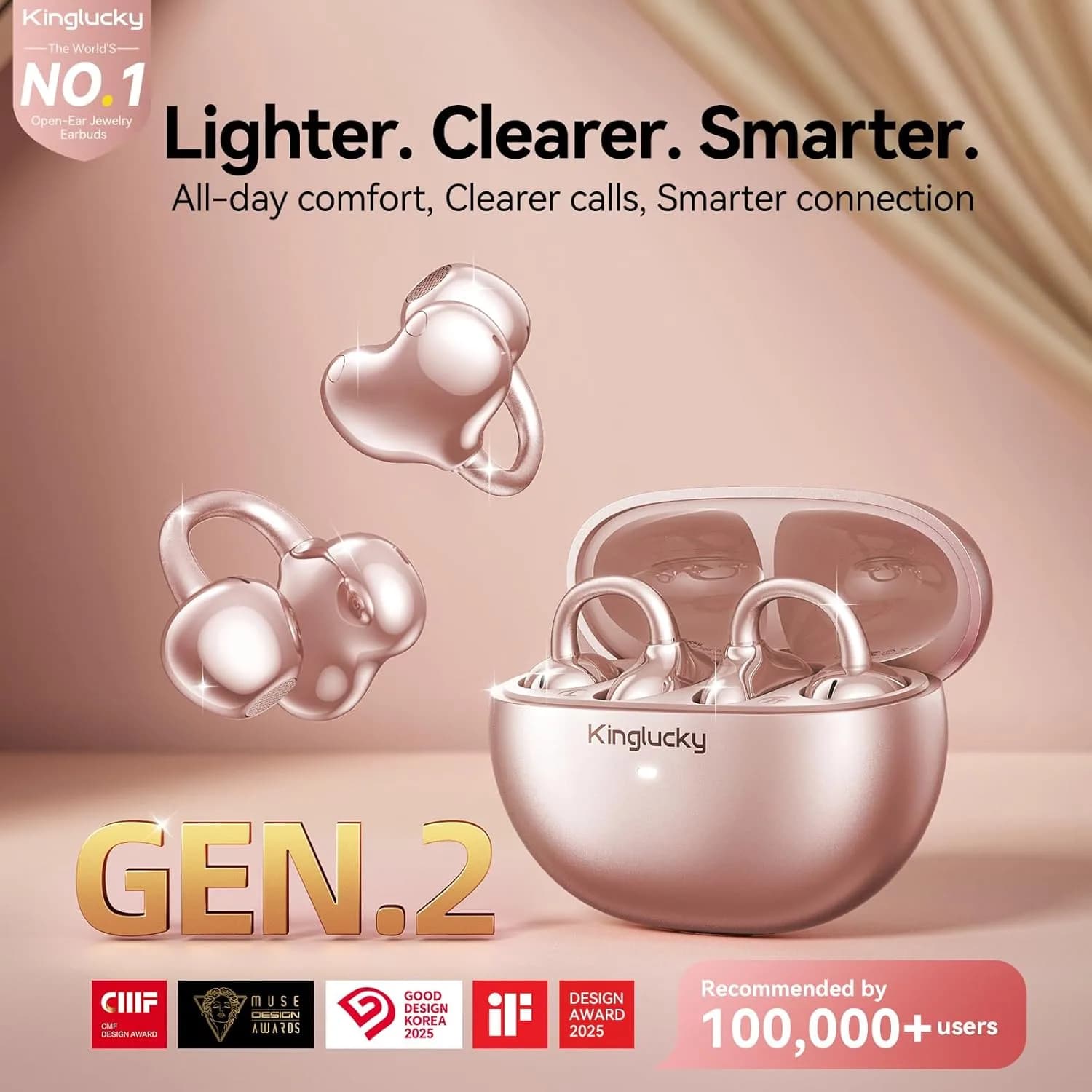
Whether you are running in light rain, commuting in unpredictable weather, or wearing earbuds through a full workday, two features matter more than most people expect: battery life and water resistance. For buyers considering clip earbuds, these are often the specifications that determine whether a product becomes part of your daily routine or ends up back in its case most of the time.
Clip earbuds have become more popular in the U.S. because they offer a different listening experience from traditional in-ear models. They sit outside the ear canal, reduce pressure in the ear, and allow you to stay more aware of your surroundings. That makes them especially appealing for commuting, exercise, outdoor use, and long periods of wear.
In this guide, we break down what clip earbuds are, how to compare battery and waterproof ratings, which features are actually worth paying attention to, and what kind of user benefits most from this style. If your goal is to find clip earbuds with long battery life and waterproof protection, this is where to start.
Quick Take: What to Look For
For most buyers in 2026, a strong pair of clip earbuds should offer:
- At least 6 hours of playback per charge
- Around 40 hours or more of total battery life with the charging case
- A minimum of IP55 water resistance for workouts, sweat, and everyday outdoor use
- A lightweight and secure clip design for comfort over long listening sessions
If you want more flexibility for all-day wear, then 8 hours per charge is ideal, but 6 hours is still a solid real-world baseline for this category.
What Are Clip Earbuds?
Clip earbuds are a type of open-ear earbud designed to attach to the outer ear using a flexible clip, C-bridge, or ear-hook structure rather than sealing inside the ear canal. You may also see them described as open-ear clip earbuds, ear-clip earbuds, or clip-on earbuds.
This design changes the listening experience in two major ways.
First, there are no silicone ear tips inserted into the ear canal, which can make clip earbuds more comfortable for people who dislike the pressure of traditional earbuds.
Second, the ear canal stays open, which allows you to remain more aware of traffic, voices, announcements, or activity around you. That is one reason clip earbuds are often preferred for commuting, office use, and outdoor exercise.
How Clip Earbuds Differ from Other Open-Ear Designs
Not all open-ear audio products are built the same way. Some rely on bone conduction, while others use air conduction from a speaker positioned near the ear. Clip earbuds usually combine an open-ear sound approach with a flexible attachment point that grips the ear more securely than a headband-style design.
Compared with other open-ear categories, clip earbuds often appeal to users who want:
- a lighter, more discreet look
- a more secure fit during movement
- less pressure than over-ear frame designs
- better styling flexibility for everyday wear
For many users, they sit in a practical middle ground between comfort, stability, and portability.
Why Battery Life Matters More in Clip Earbuds
Battery life is important in any wireless audio product, but it matters even more in clip earbuds for one simple reason: people often wear them longer.
Traditional in-ear earbuds can become uncomfortable after several hours because of pressure, heat, or irritation inside the ear canal. Clip earbuds avoid that issue for many listeners, so they are more likely to be used continuously throughout the day.
That changes what counts as “good enough” battery life.
A pair of earbuds that lasts 5 hours may be fine for a short commute or gym session, but it starts to feel limiting when you wear them from morning calls through an afternoon walk and into the evening. That is why buyers shopping in this category should pay attention to both single-charge playback and total battery life with the case.
Battery Benchmarks That Make Sense in 2026
Here is a simple way to think about battery performance:
| Metric | What it means |
|---|---|
| Single-charge battery life | How long the earbuds play before they need to go back in the case |
| Total battery life | Combined runtime from the earbuds plus recharges from the case |
| Fast charging | Useful if you often forget to charge and need a quick top-up |
| Case portability | Important because clip earbud cases are sometimes larger than standard earbud cases |
For most buyers, the current category benchmarks look like this:
- 6 hours per charge: acceptable for everyday use
- 7 to 8 hours per charge: stronger and more flexible for longer days
- 40 to 50 hours total: a good range for multi-day or workweek use
So if you are comparing products, a useful rule is this:
6 hours is practical, but 8 hours is better if you want more all-day flexibility.
Waterproof Ratings Explained
Many shoppers use the word “waterproof” loosely, but earbuds are usually rated for water resistance, not unlimited water exposure. That is where IP ratings come in.
An IP rating tells you how well a product resists dust and water under controlled testing conditions. For earbuds, this is one of the most important pieces of information if you plan to wear them during workouts, in the rain, or outdoors on a regular basis.
Common Ratings You Will See
| Rating | Protection Level | Best For |
|---|---|---|
| IPX4 | Splash resistance | Light sweat, basic daily use |
| IPX5 | Water jets | Heavy sweat, light rain, gym sessions |
| IP55 | Dust + water jets | Outdoor workouts, commuting, regular all-weather use |
| IP56 | Dust + stronger water jets | Rain, intense exercise, more demanding outdoor use |
| IPX7 | Temporary immersion | Accidental drops in water, specialized water-related use |
For most U.S. buyers, IP55 or IP56 is the sweet spot. It gives enough protection for sweat, rain, and general outdoor use without implying that the earbuds are designed for swimming.
That matters because many people buy “waterproof” earbuds expecting too much from an IPX4 product. In reality, IPX4 is fine for light sweat, but IP55 or higher is a safer target if you want something more dependable for real-world daily use.
One more note: even with a strong IP rating, you should not charge earbuds immediately after heavy moisture exposure. Let them dry first.
How We Evaluate Clip Earbuds
When comparing clip earbuds in this category, the most useful factors are not always the most heavily marketed ones. We typically look at five practical points:
- Single-charge battery life
- Total battery life with the case
- Water-resistance rating for everyday outdoor use
- Fit stability during movement
- Comfort during extended wear
Sound quality still matters, of course, but for clip earbuds, comfort, battery, and durability often have a bigger impact on daily satisfaction than spec-sheet claims alone.
Features That Matter Beyond Battery and Waterproofing
Once battery life and water resistance meet your basic needs, the next step is to compare the features that affect everyday use.
1. Fit and Clip Design
The clip is the foundation of the product. If it pinches too hard, feels stiff, or slips during movement, the rest of the specs do not matter much.
Flexible alloy clip designs generally perform better than rigid plastic structures because they can adapt to a wider range of ear shapes. A well-designed C-bridge or clip mechanism should feel secure without creating pressure points.
2. Weight
Weight matters more in clip earbuds than many buyers expect because the earbuds sit on the outer ear rather than being supported inside the ear canal.
In general:
- Under 5g per earbud feels especially light
- 5g to 7g is still reasonable for most users
- Heavier designs may feel more noticeable over long sessions
If you plan to wear clip earbuds for calls, walks, or workdays, lower weight is a meaningful advantage.
3. Sound Quality in an Open-Ear Design
Open-ear audio products do not create the same seal as in-ear earbuds, so the sound profile is naturally different. Bass usually feels less concentrated, but comfort and environmental awareness improve.
That means a good clip earbud should focus on:
- clear vocals
- balanced mids
- stable treble without sounding thin
- sound direction that keeps audio focused near the ear
Larger drivers and better acoustic chamber tuning can help narrow the gap between open-ear and traditional earbuds.
4. Sound Leakage Control
Because clip earbuds sit outside the ear canal, sound leakage is always part of the conversation. Better designs reduce this through directional sound structures or acoustic leakage-control technology.
No open-ear earbud eliminates leakage entirely in every setting, but some manage it more effectively than others, especially at moderate listening volumes.
5. Bluetooth Stability and Multi-Device Use
For many buyers, earbuds are no longer used with only one phone. They are used across a phone, laptop, and sometimes a tablet. That makes Bluetooth stability and multi-device support more important than before.
Bluetooth 5.3 and 5.4 remain common, while newer models may offer Bluetooth 6.0. In day-to-day use, what matters most is stable pairing, smooth switching, and fewer interruptions in crowded environments.
Who Benefits Most from Clip Earbuds with Long Battery Life?
This category works particularly well for certain types of users.
Active commuters
If you walk, bike, or take public transit, clip earbuds can be useful because they keep you more aware of what is happening around you. Water resistance also matters more if your route includes unpredictable weather.
Remote workers and office users
People who wear earbuds for calls or background audio throughout the day often prefer open-ear designs because they reduce ear fatigue. In that case, battery life becomes a priority, since shorter runtime quickly becomes inconvenient.
Gym users
A secure clip fit and a stronger IP rating make more sense in a workout setting than standard earbuds that may shift or feel unstable with movement and sweat.
People with sensitive ear canals
If in-ear tips often feel uncomfortable, create irritation, or become tiring after long wear, clip earbuds can be a better alternative simply because they avoid direct in-ear pressure.
Frequently Asked Questions
Are clip earbuds good for working out?
Yes, many clip earbuds work well for exercise, especially if they have a stable clip design and an IP55 or IP56 rating. They are particularly useful for outdoor workouts where environmental awareness matters.
Do clip earbuds fall out easily?
Not necessarily. Fit depends heavily on the clip design and materials used. Flexible clip structures usually provide a more secure fit than rigid designs, especially during walking, light running, or gym use.
Can clip earbuds be used in the rain?
Yes, but the rating matters. IP55 or IP56 earbuds are better suited for rainy commutes or outdoor exercise. IPX4 is better thought of as basic splash resistance rather than strong weather protection.
Is 6 hours of battery life enough?
For many people, yes. Six hours is a solid starting point for clip earbuds in 2026. However, if you regularly wear earbuds through a full workday, 7 to 8 hours per charge will feel more convenient.
Are clip earbuds better than in-ear earbuds?
They are not better for every situation, but they solve different problems. In-ear earbuds usually offer stronger isolation and deeper bass, while clip earbuds prioritize comfort, awareness, and easier long-term wear.
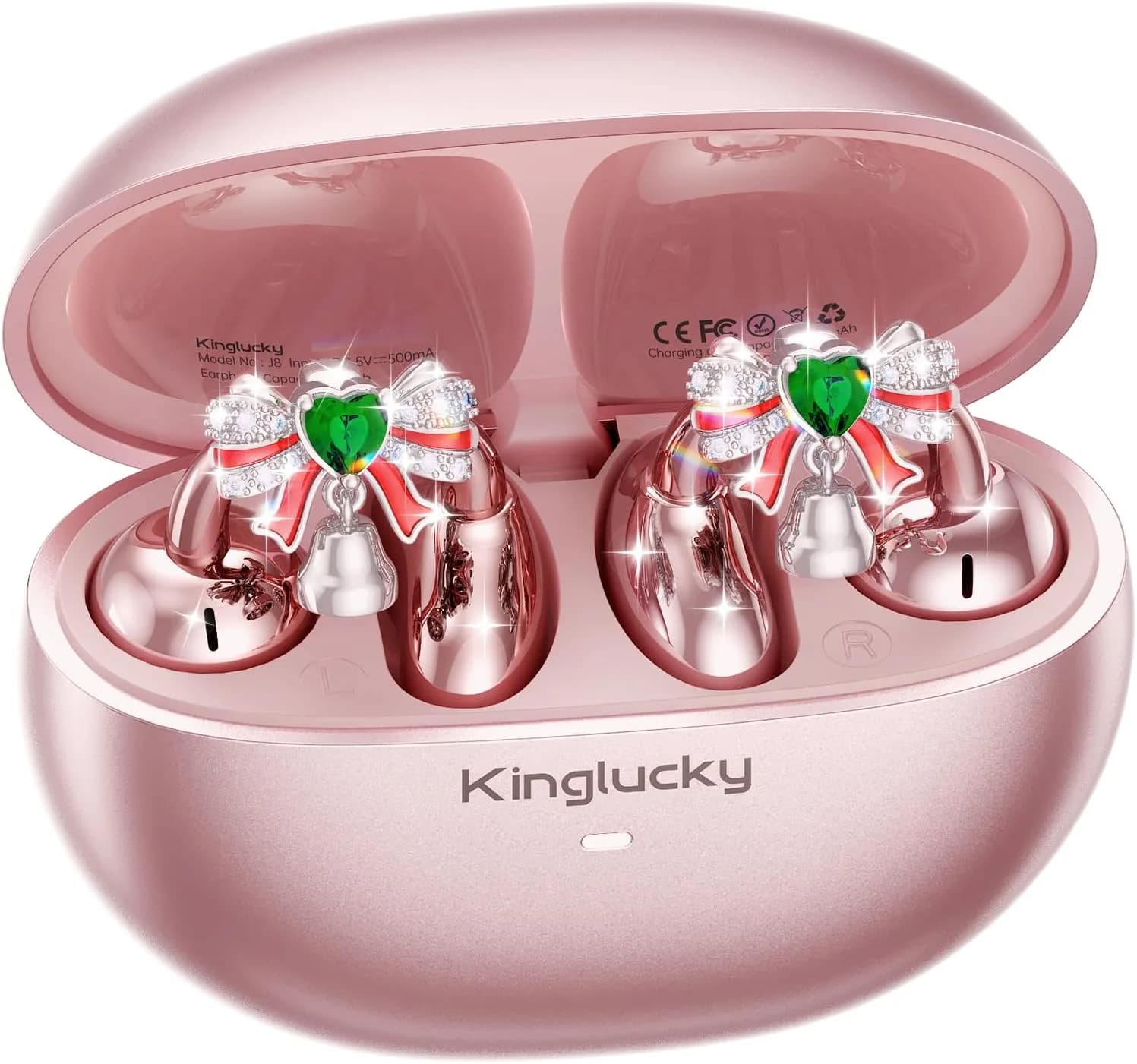
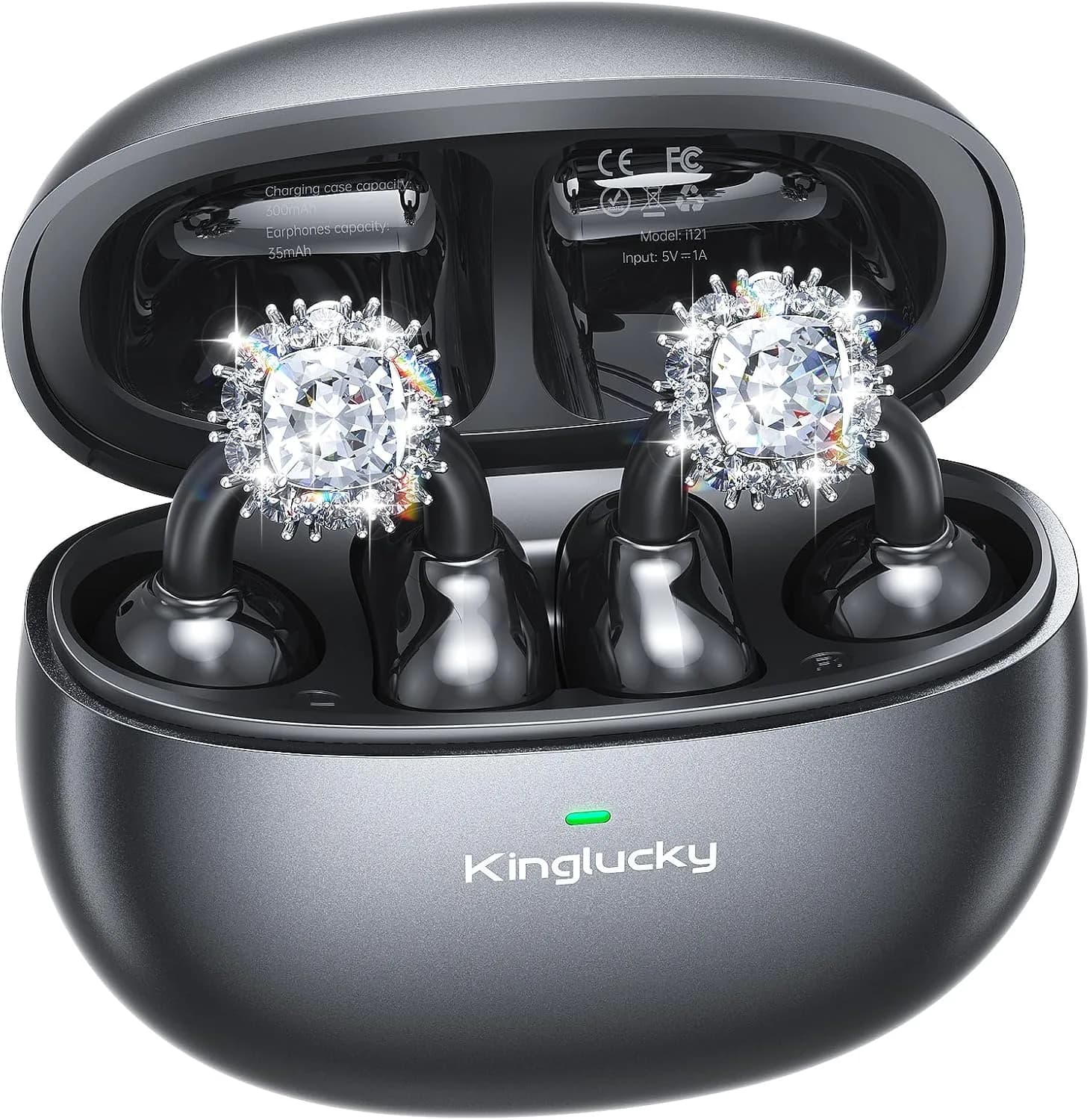
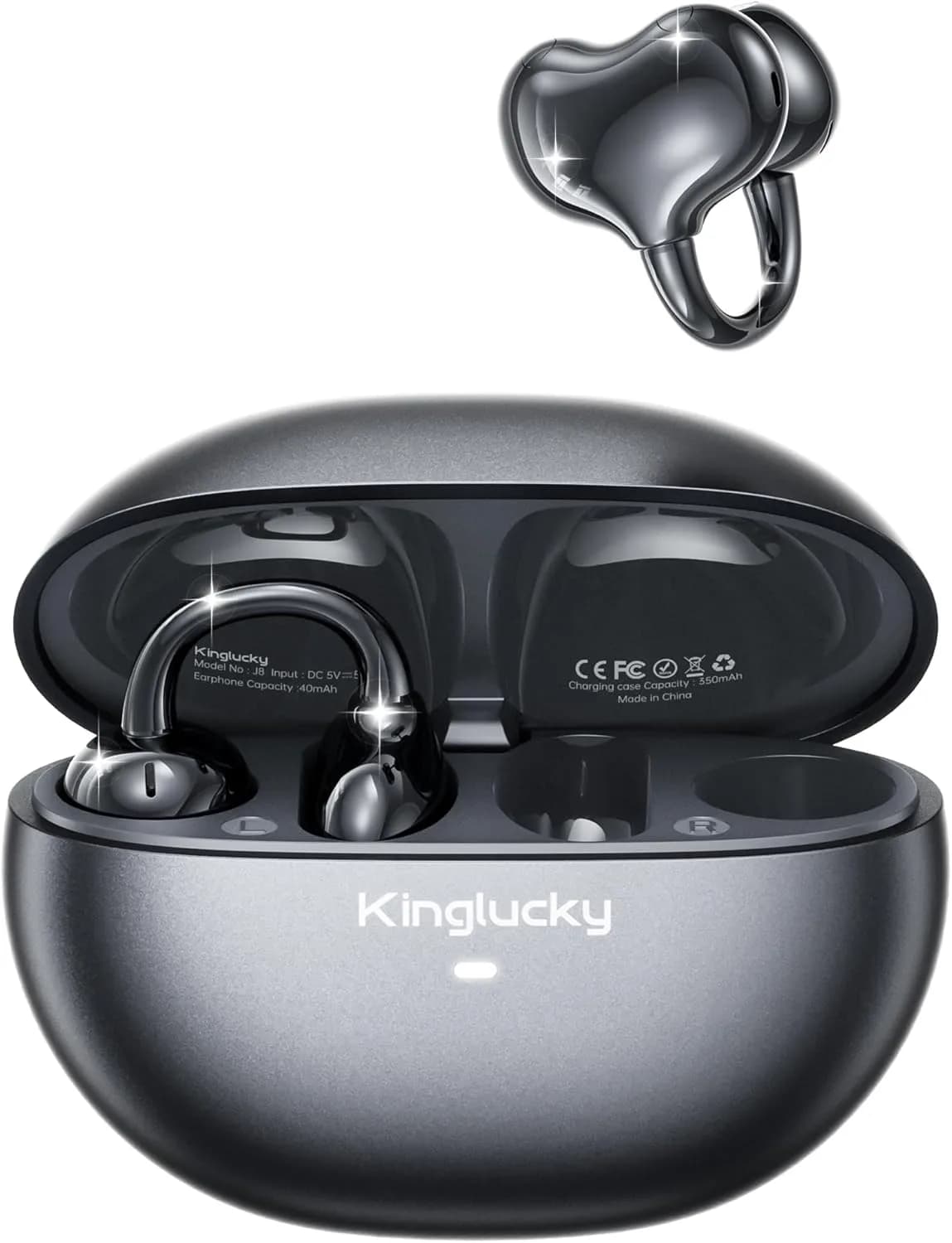
Recommendation: Kinglucky A8
For buyers looking for a clip earbud that balances lightweight comfort, practical water resistance, and strong total battery life, the Kinglucky A8 is a competitive option to consider in 2026.
Based on its listed specifications, the A8 offers:
| What to look for | What Kinglucky A8 offers |
|---|---|
| Single-charge battery life | Up to 6 hours |
| Total battery life | Up to 50 hours with the charging case |
| Water resistance | IP56 |
| Weight | 4.0g per earbud |
| Fit structure | Flexible Ni-Ti alloy C-bridge design |
| Audio hardware | 12mm dynamic driver |
| Connectivity | Bluetooth 6.0 with multi-device pairing |
What stands out most is not that the A8 leads every category on paper, but that it puts together a balanced combination of features that matter for this style of earbud.
Its 6-hour single-charge battery life is solid for daily use, while the 50-hour total battery life is particularly useful for users who do not want to recharge the case constantly. The IP56 rating also puts it in a stronger position than basic splash-resistant models, especially for people who plan to use clip earbuds in the gym, outdoors, or during wet-weather commutes.
The 4.0g weight per earbud is another practical strength. In a category where comfort is one of the biggest reasons to buy, low weight makes a real difference.
If your top priority is the longest possible single-charge playback, there may be models in the market that go beyond 6 hours. But if your goal is to find a pair of clip earbuds with long battery life and waterproof protection that also stays lightweight and wearable, the Kinglucky A8 makes sense as a well-rounded choice.
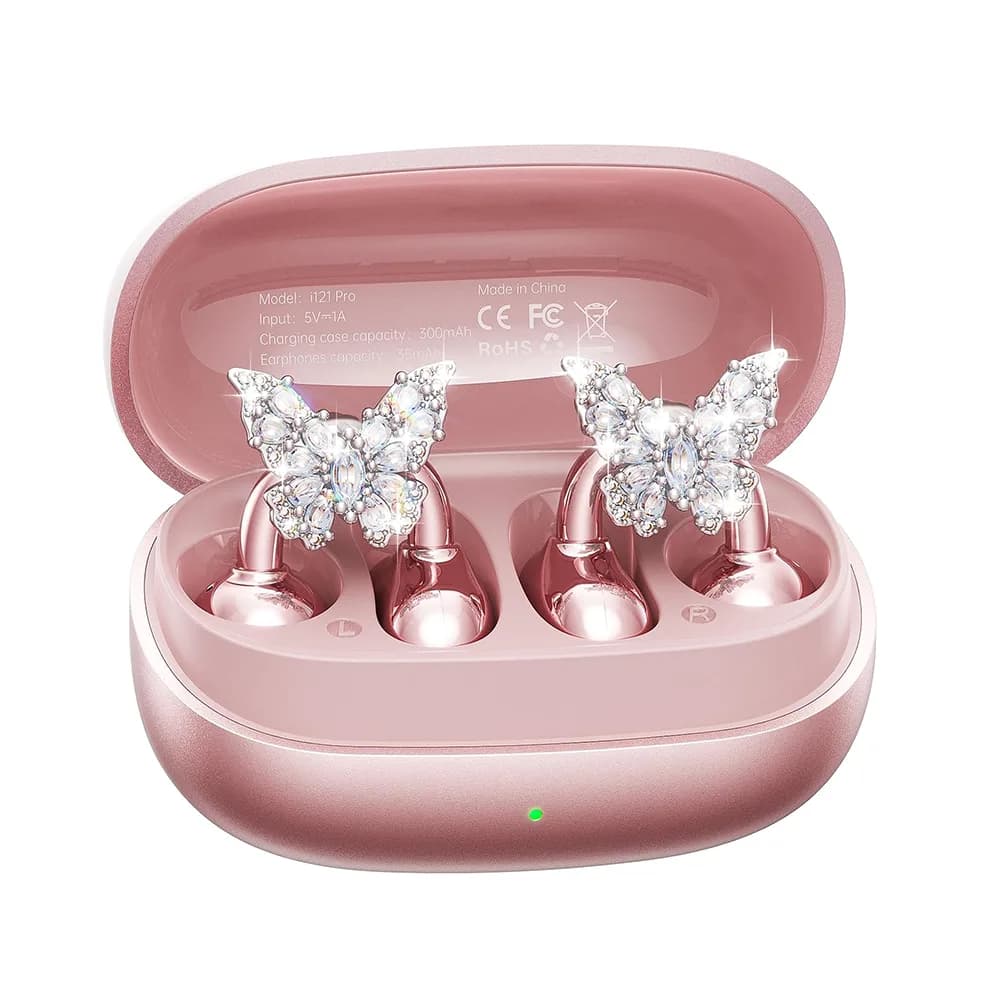
Kinglucky also offers an A8 Butterfly Series, which keeps the same core performance while adding a more decorative, jewelry-inspired design approach for users who care about styling as much as function.
Final Thoughts
Clip earbuds are not just another variation of wireless earbuds. They are designed for people who want a more comfortable, more breathable, and more flexible listening experience.
If you are shopping in this category, do not focus on marketing language alone. Pay attention to the numbers and the real-life use case. In 2026, the most practical models are the ones that combine:
- enough battery for your daily routine
- water resistance that matches how you actually use them
- a fit you can wear for hours without irritation
That is what turns a clip earbud from a novelty into something you actually use every day.
FAQ 1
Are clip earbuds good for working out?
Yes. Many clip earbuds are well suited for exercise because they stay more secure on the ear and keep you aware of your surroundings. For workouts, look for a stable clip design and at least an IP55 rating.
FAQ 2
Do clip earbuds fall out easily?
Not always. Fit depends on the clip structure and materials. Flexible clip designs usually feel more secure than rigid plastic ones, especially during walking, gym sessions, or light running.
FAQ 3
Can clip earbuds be used in the rain?
Yes, but the water-resistance rating matters. IP55 or IP56 earbuds are better for rainy commutes and outdoor activity, while IPX4 is better suited to light sweat or minor splashes.
FAQ 4
Is 6 hours of battery life enough for clip earbuds?
For many users, yes. Six hours is a practical baseline in 2026. If you wear earbuds through a full workday, 7 to 8 hours per charge will feel more convenient.
FAQ 5
Are clip earbuds better than in-ear earbuds?
They are better for some users, especially those who want more comfort, less ear pressure, and more awareness of their surroundings. In-ear earbuds may still offer stronger bass and more isolation.
FAQ 6
What should I look for in waterproof clip earbuds?
A good target is IP55 or above, along with a lightweight fit, stable clip design, and enough battery life for your normal daily use.
Recommended Products