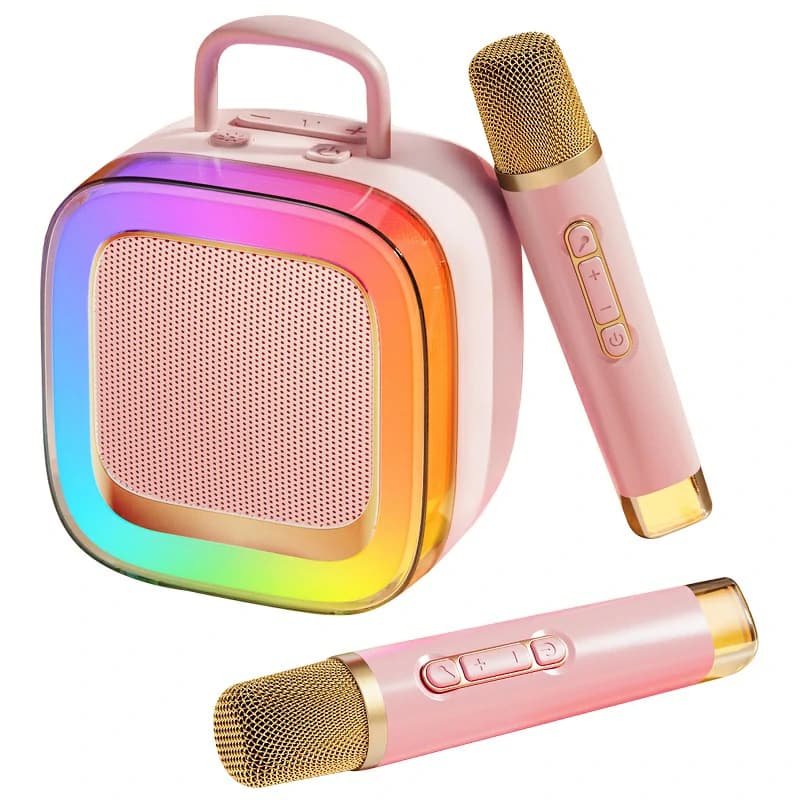
Best Karaoke Machine in 2025
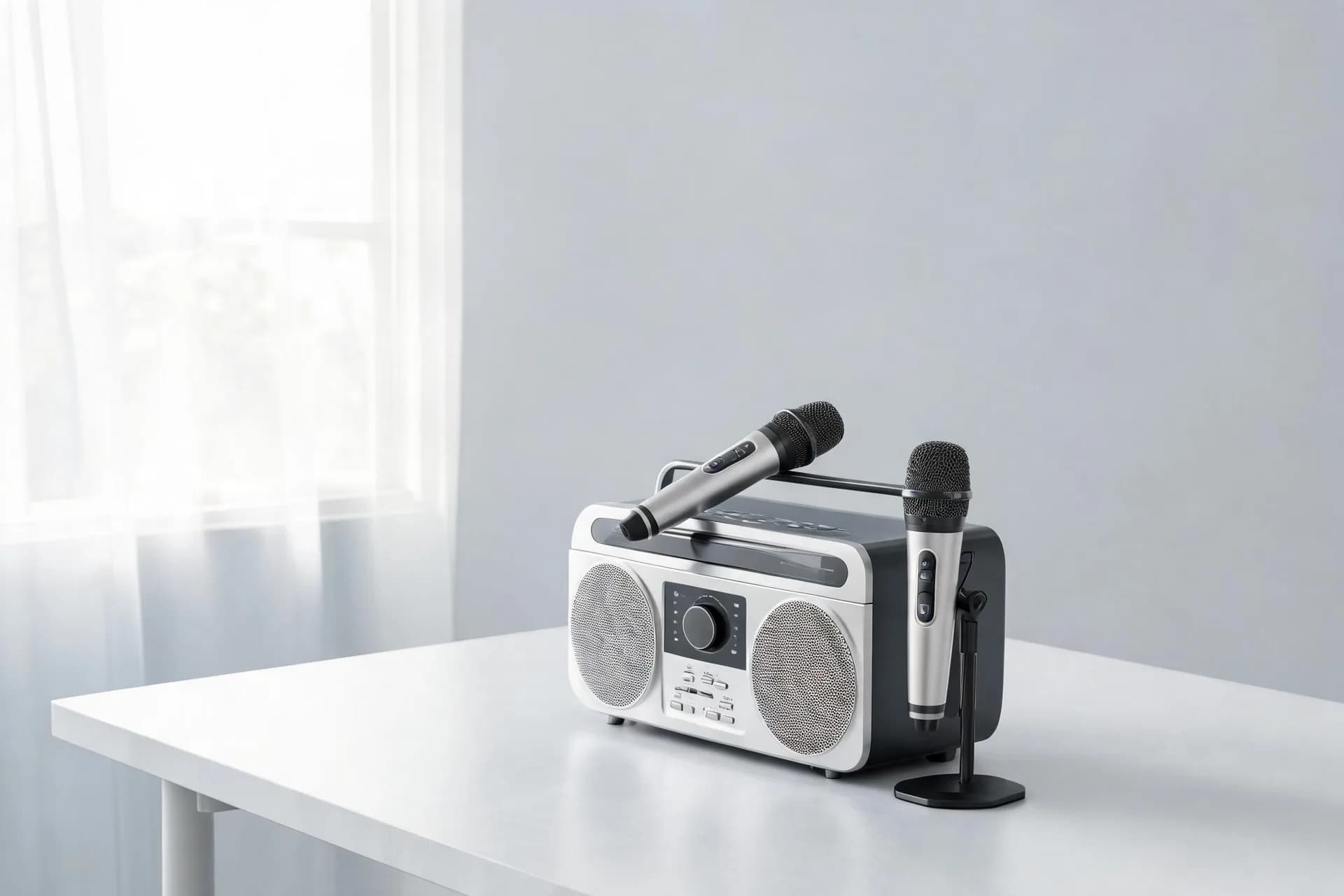
Best Karaoke Machine in 2025
“Best” in 2025 means the machine disappears and the singing shines. Clear vocals, tight lip-sync with your TV, and two microphones so duets are simple. Setup should take minutes, not a night. You want easy Bluetooth for phones and tablets, plus a rock-solid wired path for the TV. Two separate mic volumes. A gentle echo you can nudge and then forget. If you ever move rooms or go outside, a battery and USB-C charging make that painless. In short: great sound at living-room volume, lip-sync that just works, and controls anyone can use without reading a manual.

Quick Answer (Who should buy what)
-
Apartments: Small all-in-one with two wireless mics and very easy volume control.
-
Living rooms: HDMI ARC/optical TV path, simple echo, and clean physical knobs.
-
Parties/outdoors: Battery model with a carry handle and quick Bluetooth pairing.
Top Picks by Use Case
Best for Apartments
Choose a compact, all-in-one speaker that stays clear at low volume. You want two wireless microphones that switch on fast and keep a steady connection across a small room. Look for separate mic volumes so you can tame a louder singer without lowering the music. A small footprint keeps neighbors happy; clarity matters more than “big” sound. Bonus points for a front display or simple LEDs that show you what’s on.
Best for Living Rooms
Prioritize the TV connection first. HDMI ARC or optical from the TV into the unit gives tighter lip-sync than TV-to-speaker Bluetooth. Then check controls: a master volume, a music volume, and a mic volume for each microphone. A single, simple echo knob is enough—no deep effect menus needed. If you sometimes stream from a phone, keep Bluetooth as a backup, but let the TV cable be your main path.
Best for Parties/Outdoors
Pick a battery model with a grab-and-go handle and quick USB-C charging. You want two mics included so you can hand one to a guest without hunting for accessories. Loudness is nice, but clarity and feedback resistance are more important in busy spaces. Sturdy grille and corners help when you’re moving it around. If the unit has fun voice effects or lights, keep them optional so you can switch to “clean” for serious songs.
Kids/Family Pick (Simple Fun)
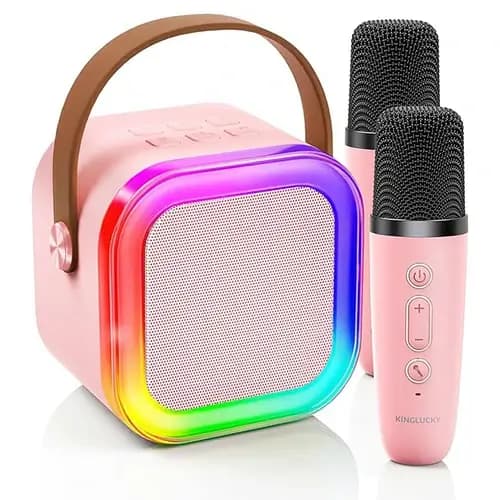
For families, look for a compact, dual-mic, Bluetooth unit with Type-C charging and a built-in battery. Keep controls obvious: power, volume, echo, and maybe a few playful voice effects. One example that fits this mold is the Kinglucky K88, a small, battery-powered, dual-mic Bluetooth speaker with Type-C and simple effects—useful for casual home singing without extra boxes.
What to Look For (Plain checklist)
-
Two microphones: Each with a clear on/off and separate mic volume.
-
Lip-sync friendly connection: Prefer HDMI ARC or optical from TV → speaker. Avoid TV → Bluetooth when possible.
-
Clear vocals at “indoor-voice” volume: If it only sounds good when it’s loud, keep looking.
-
Simple echo only: A single echo or reverb knob. Add a little, then stop.
-
Inputs you’ll actually use: Bluetooth for phones; AUX or optical/ARC for TV; USB/TF only if you need it.
-
Portability: Built-in battery and USB-C if you plan to move between rooms or take it outside.
5-Minute At-Home Check
-
Clap test for lip-sync: Play a concert clip on your TV. Clap along and watch the hands vs. sound. With HDMI ARC/optical, the clap should look and sound aligned.
-
Two-mic duet check: Sing a verse together. Both voices should be clear and similarly loud with separate mic volumes.
-
Feedback check: Place the speaker in front of the singers and mics behind the speaker line. Walk around with a live mic at low volume. If it squeals easily, reduce echo and adjust positions.
-
Neighbor check: Set volume so you can still have a normal conversation while music plays. If clarity drops at this “conversation-plus” level, try a different unit or TV connection.
Why Lip-Sync Matters (Quick primer without the jargon)
When your voice comes out a beat behind the picture, it kills the mood. TV Bluetooth often adds delay. Cables reduce it. That’s why HDMI ARC or optical from the TV into the karaoke speaker is the safest choice. If your TV only has HDMI ARC, use that. If it has optical, that works too. Save Bluetooth for phones and tablets where lip-sync isn’t as critical, or if you’re just running background tracks.
Two Mics, Done Right
Two mics are not just for duets. They let a host speak while someone else sings, or let a parent coach a kid. Look for a power switch you can feel without looking, and a battery indicator you can see. Separate mic volume knobs are key. They let you balance a powerful singer with a quieter one. If the unit includes voice effects, start with “off” and add only a touch. Clean vocals age better on recordings than heavy effects.
Echo: The One Knob You’ll Actually Use
Echo can make a small room feel like a tiny stage. But a little goes a long way. Turn the echo until you just notice it, then back off a hair. That “barely there” setting smooths pitch and hides tiny timing slips. Big echo sounds dramatic for a second, then becomes tiring. Keep it simple.
Bluetooth vs. Inputs You’ll Use
Bluetooth is perfect for phones and tablets. It’s quick, and guests can pass the playlist around. For TVs, cables win. If your unit offers USB or TF (microSD), only use those if you already keep music on drives. AUX can be handy for older devices. The simpler your setup, the more you’ll sing. Avoid buying for inputs you won’t touch.
Battery and Portability
A built-in battery means you don’t negotiate outlets or extension cords. USB-C charging keeps it modern and easy. If you host on the patio or move between rooms, this matters. When reading battery claims, think in ranges: loud parties burn more power than quiet living-room sessions. Keep a USB-C cable near the usual spot so recharging stays frictionless.
How to Match a Machine to Your Room
-
Small rooms/apartments: Clarity at low volume is everything. Listen at “TV conversation” loudness. If vocals remain crisp and the backing track isn’t boomy, you’re good.
-
Open living rooms: Plan the TV path first (ARC/optical) for better sync. After that, check control layout—fast access to volume and echo beats hidden menus.
-
Outdoors/garages: You’ll want battery power, a carry handle, and feedback control. Place the speaker in front of the singers and aim it away from the mics.
-
Kids’ rooms: Simple buttons, sturdy mics, and the ability to turn off lights/effects for bedtime. Consider parental control of volume.
Setup Tips in Plain English
-
Decide your “main source.” TV for karaoke tracks? Use HDMI ARC or optical. Phone playlists? Bluetooth is fine.
-
Place the speaker smartly. Put it in front of the singers, facing away from the mics. That alone prevents most squeals.
-
Dial echo gently. Start at zero and add a pinch. Stop when it starts sounding “roomy.”
-
Balance the mics. Set music first, then bring each mic up until voices sit just above the track.
-
Save a “house” setting. Take a photo of your knob positions once you like them. Next time is instant.
FAQs
Do I need big wattage for a medium room?
No. You need clarity and control. A unit that stays clean at modest volume will beat a louder but muddy system in a typical living room.
How do I avoid TV Bluetooth delay?
Use a cable from TV to speaker. HDMI ARC or optical keeps voice and picture together. Reserve Bluetooth for phones and tablets.
Are two wireless mics stable at home?
Yes, in most homes. Keep fresh batteries, power the mics after the speaker, and avoid standing right next to the Wi-Fi router. Separate mic volumes help keep levels even.
Do I need a subwoofer?
Not for casual karaoke. Vocals live in the midrange. Too much bass can mask the voice. If you love dance tracks, consider it later—but start simple.
How long does a battery unit last?
Expect several hours at living-room volume. Louder parties drain faster. USB-C makes top-ups easy, so keep a charger nearby and you’ll rarely run out.
A Simple Room-First Buying Plan
-
Pick the room and your main connection. If it’s a TV-centric setup, go ARC/optical. If it’s phones and tablets, Bluetooth is fine.
-
Insist on two mics with separate volumes. Duets and coaching become easy.
-
Test clarity at low volume. If it only sounds good loud, it’s not right for home.
-
Keep effects minimal. A touch of echo helps; deep menus get in the way.
-
Add portability only if you’ll use it. Battery and USB-C are great for patios and moving rooms.
Conclusion
Choose by room and connection path first. Then focus on two-mic clarity and easy, visible controls. Keep effects simple and the volume neighbor-friendly. If you start with clean sound and an easy setup, you’ll sing more often—and enjoy it more—no matter which machine you buy.
Recommended Products