Are Open Ear Headphones Bone Conduction?
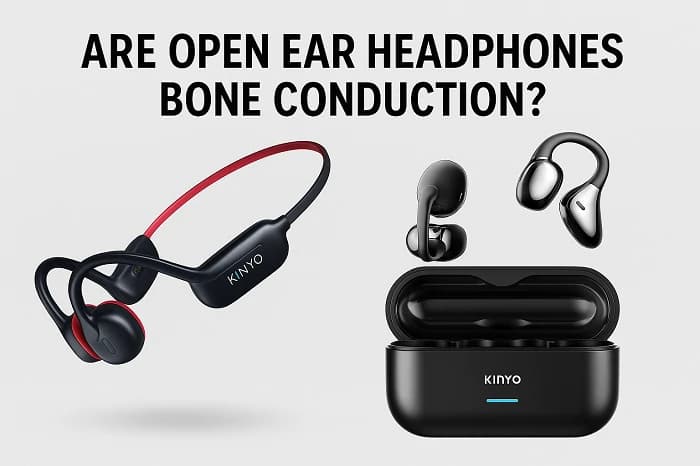
Are Open Ear Headphones Bone Conduction? Key Differences Explained
Shoppers often ask: “are open ear headphones bone conduction?” The short answer is no—they are related in purpose but different in technology. Both styles keep your ears open, allowing you to hear music while staying aware of your surroundings. However, how they deliver sound and the experiences they create are not the same. This guide will help you understand what open ear headphones and bone conduction headphones really are, their differences, and which option is better suited for your lifestyle.
What Are Open Ear Headphones?
Open ear headphones use a small speaker positioned just outside the ear canal. Instead of sealing the ear, they project sound in a way that lets it flow naturally, leaving your ears open to ambient noise. This design provides:
- Situational Awareness: Hear your music and the environment at the same time.
- Natural Acoustics: Audio feels more like it’s coming from a nearby speaker, not trapped inside your ear.
- Comfort: No ear tips pressing inside the canal, reducing fatigue during long wear.
This makes open ear headphones popular among commuters, office workers, and people with sensitive ears who dislike in-ear pressure.
What Are Bone Conduction Headphones?
Bone conduction headphones bypass your eardrums entirely. Instead, they use small transducers placed on your cheekbones or temple to transmit sound through vibrations. Your inner ear receives these vibrations and translates them into sound. Key traits include:
- Bypassing the Eardrum: Useful for people with hearing issues or those who cannot use traditional earbuds.
- Outdoor Safety: Popular with runners and cyclists who need to hear traffic.
- Specialized Use Cases: Favored in certain sports like swimming, where waterproof bone conduction models are common.
Are Open Ear Headphones the Same as Bone Conduction?
Many people confuse the two, but open ear headphones are not bone conduction. Both let you keep your ears open, but the technologies differ:
- Open ear: Uses air conduction with speakers placed near the ear.
- Bone conduction: Uses vibrations transmitted through bones.
They overlap in function—allowing awareness of surroundings—but feel very different when worn.
Open Ear vs. Bone Conduction – Key Differences
1. Sound Quality
- Open Ear: More natural, fuller sound. Stronger mids and highs, with better overall fidelity.
- Bone Conduction: Weaker bass, with more vibration sensation than immersive sound. Good for voice clarity, less so for rich music.
2. Comfort
- Open Ear: Lightweight clips or hooks rest outside the canal. Feels similar to wearing a lightweight accessory.
- Bone Conduction: Requires pressure on cheekbones/temples, which can cause discomfort during long wear.
3. Safety & Awareness
- Both keep ears open for situational awareness.
- Open Ear: Lets in environmental sound naturally.
- Bone Conduction: Leaves ears fully open since no speaker sits near the canal.
4. Use Cases
- Athletes: Both are popular, but bone conduction is favored by swimmers and outdoor runners.
- Office Workers: Open ear suits professional settings better due to higher sound quality and comfort.
- Hearing Impaired Users: Bone conduction provides unique benefits since it bypasses the eardrum.
Advantages and Disadvantages of Each
Open Ear Headphones
- Pros: Clearer sound quality, more comfort, good for everyday use.
- Cons: Sound leakage at higher volumes, less noise isolation.
Bone Conduction Headphones
- Pros: Useful for hearing-impaired users, excellent for outdoor awareness, waterproof options available.
- Cons: Limited bass and audio fidelity, potential discomfort from vibration.
Which Should You Choose?
The right choice depends on your lifestyle:
- Runners & Cyclists: Both options work. Bone conduction may be slightly safer as ears remain fully open.
- Music Lovers at Work: Open ear headphones are superior for richer sound and day-long comfort.
- Sensitive Ear Canals: Bone conduction avoids any contact with the ear canal.
- Casual Daily Listeners: Open ear provides the best balance of comfort and audio quality.
Brand & Market Examples
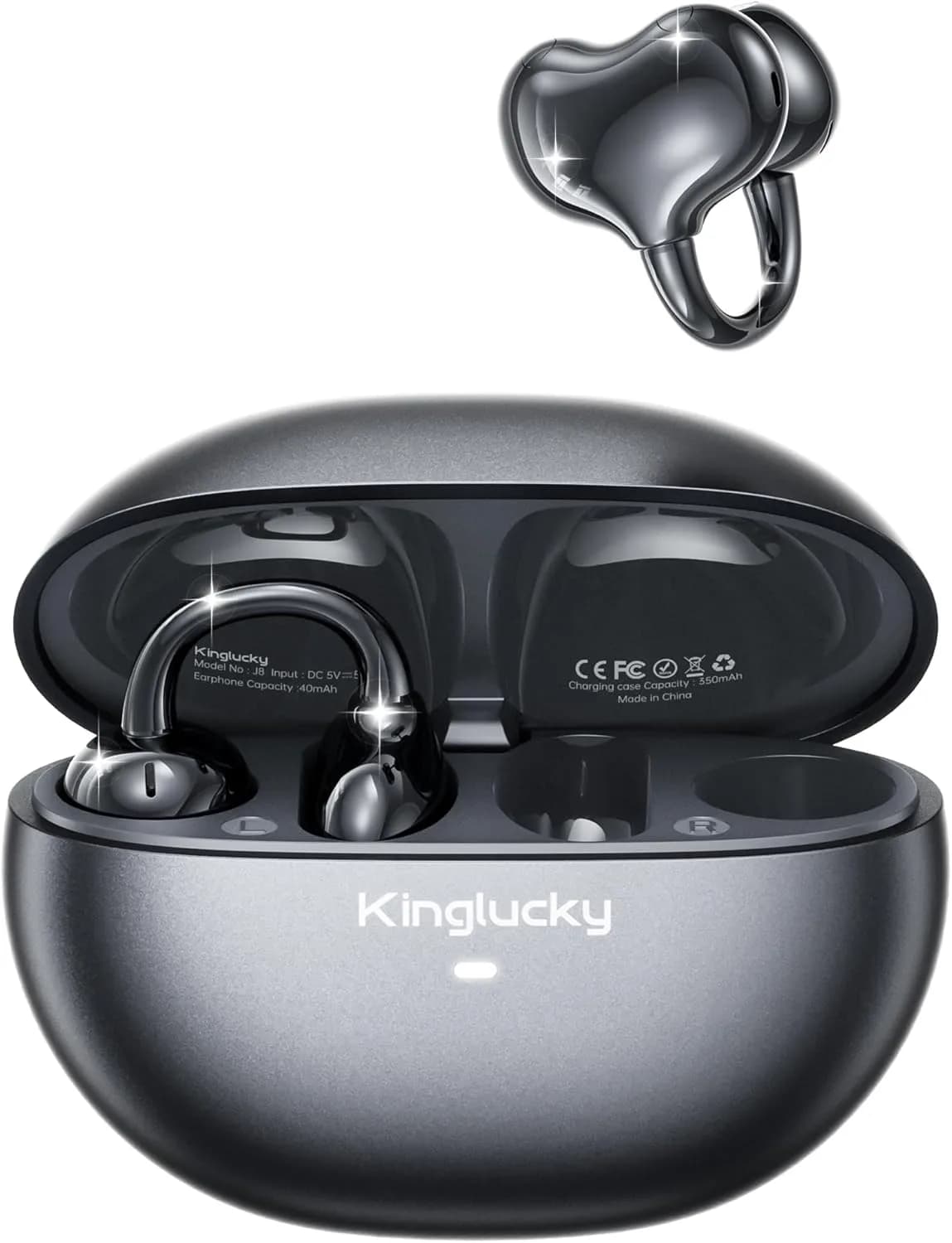
Innovation in this segment continues to grow. Open-ear models like the Kinglucky A9 show how stylish, lightweight ear-clip designs can provide both comfort and performance, making them ideal for commuters, office workers, and fitness enthusiasts. On the other hand, bone conduction brands focus heavily on niche needs like outdoor safety and accessibility for hearing-impaired users.
Conclusion
So, are open ear headphones bone conduction? No—they are different technologies serving similar purposes. Open ear headphones deliver fuller sound and comfort, while bone conduction provides unique benefits for safety, sports, and hearing needs. Both styles fall under the “open listening” trend, but the better choice depends on your lifestyle. If you want rich music and comfort, open ear is better. If you need full situational awareness or cannot use in-ear models, bone conduction may be the smarter pick.
FAQ
Are open ear headphones the same as bone conduction?
No. Open ear headphones use speakers outside the canal, while bone conduction uses vibrations through bones.
Which has better sound quality, open ear or bone conduction?
Open ear headphones generally offer fuller, more natural sound, while bone conduction prioritizes safety and awareness over fidelity.
Are bone conduction headphones safer for your ears?
Yes. They bypass the eardrum, which may reduce strain and help those with certain hearing conditions. However, sound fidelity is lower.
Do open ear headphones leak sound more than bone conduction?
Yes. Open ear designs can leak sound at higher volumes, while bone conduction minimizes leakage but offers weaker audio quality overall.
Recommended Products